TorontoOntario · 36 tours
 Niagara FallsOntario · 25 tours
 New York CityNew York · 30 tours
 Las VegasNevada · 8 tours
 San FranciscoCalifornia · 16 tours
 VancouverBritish Columbia · 17 tours
 DubaiUAE · 54 tours
 Abu DhabiUAE · 5 tours
 Buenos AiresArgentina · 23 tours
 AthensGreece · 31 tours
 AucklandNew Zealand · 38 tours
 CancunMexico · 54 tours
No destinations match “”. Try searching all tours instead — that search understands full questions, not just place names.
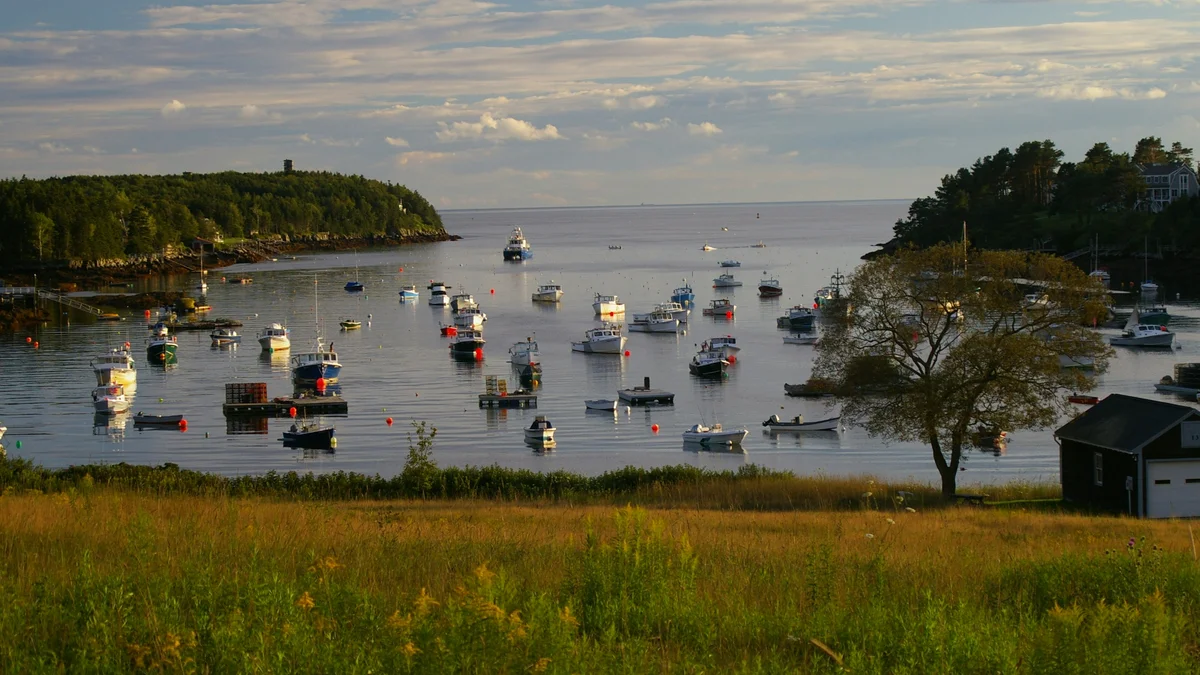
Also known as the Calendar Islands, this scattering of islands off Portland's coast includes Peaks Island, Cushing Island, and dozens more, many reachable by the Casco Bay ferry. The bay is also home to working lobster boats, sailboats, and several of the lighthouses that guard its entrance.
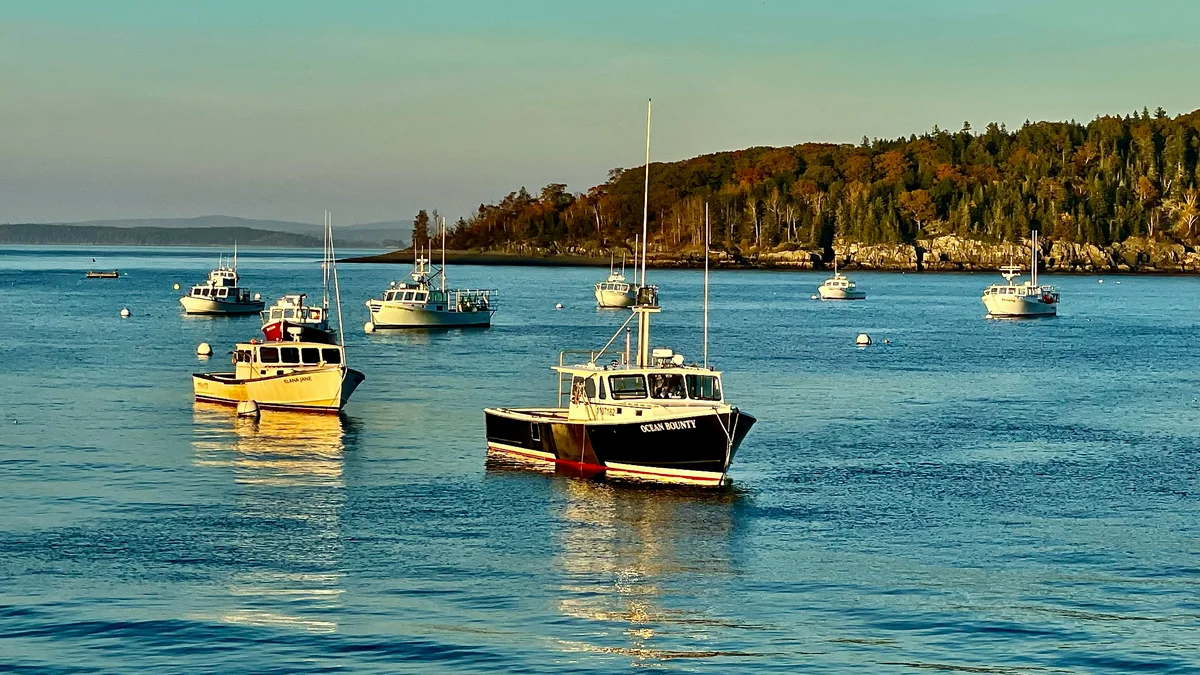 Private Tours
Charter a vintage Maine lobster boat for a private two-hour cruise into Casco Bay, passing four lighthouses while your captain shares local nautical history.
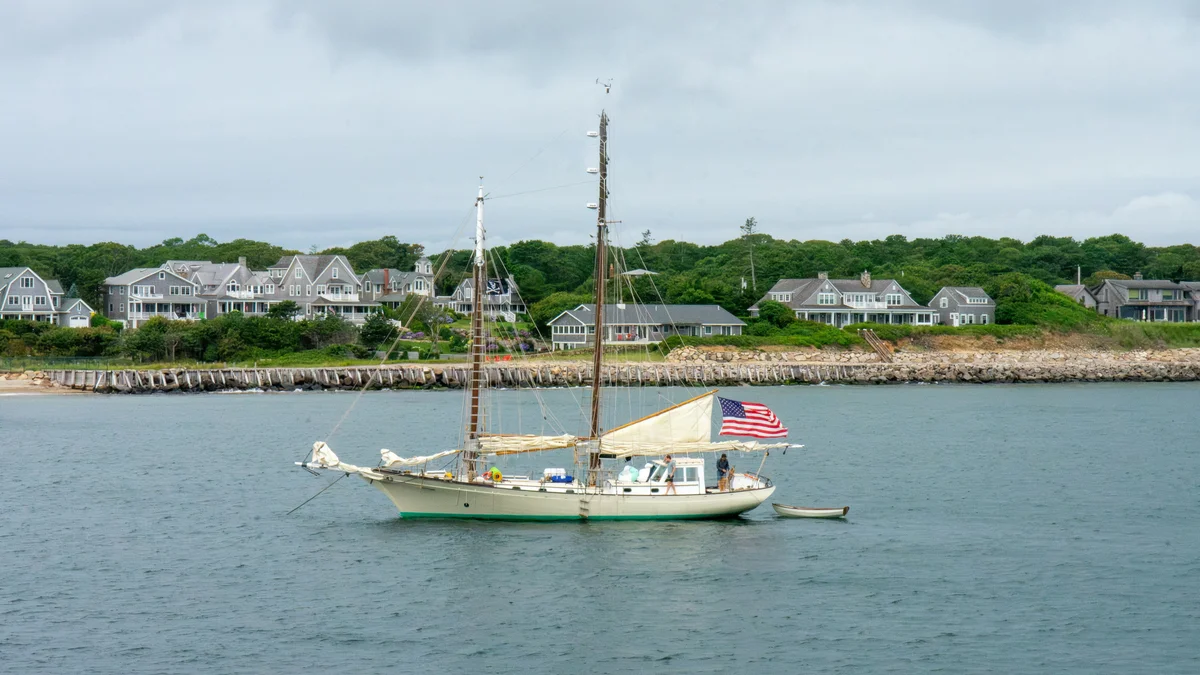 Private Tours
A flat-rate, 100% private charter aboard a classic wooden vessel for groups up to 16, cruising Casco Bay past lighthouses, historic granite forts, and Maine's coastline.
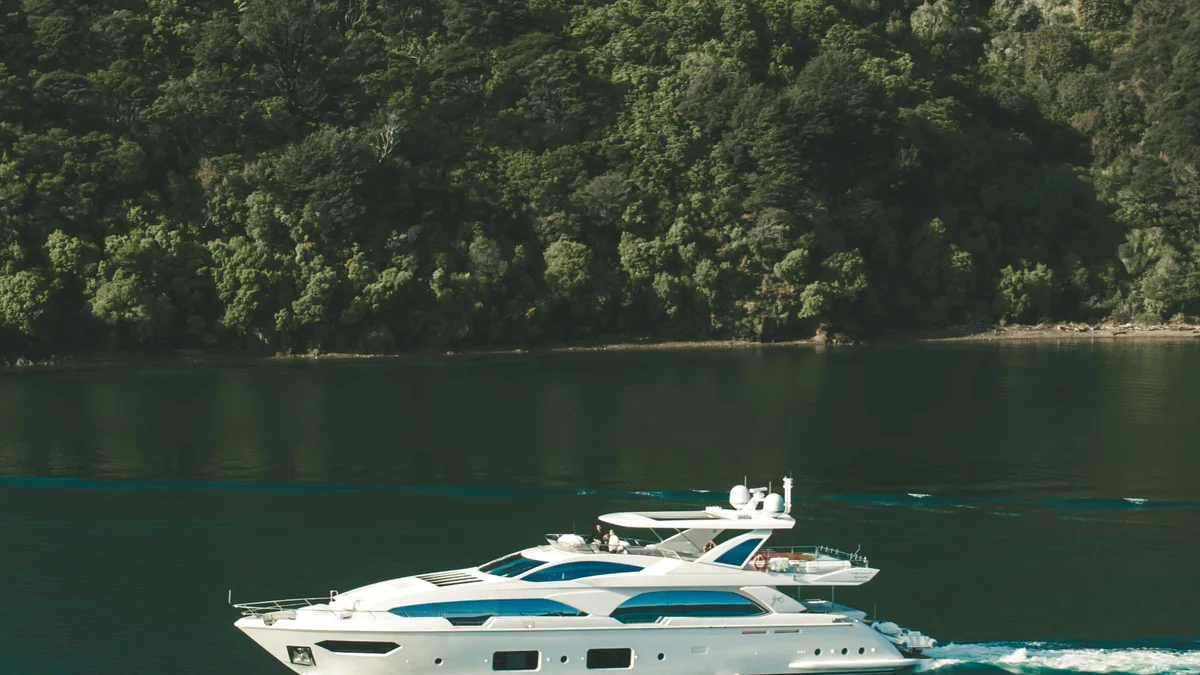 Private Tours
An exclusive private yacht charter on Casco Bay for up to 6 passengers, with flexible 2, 4, or 6-hour options, passing Portland Head Light, Bug Light, and the bay's islands.
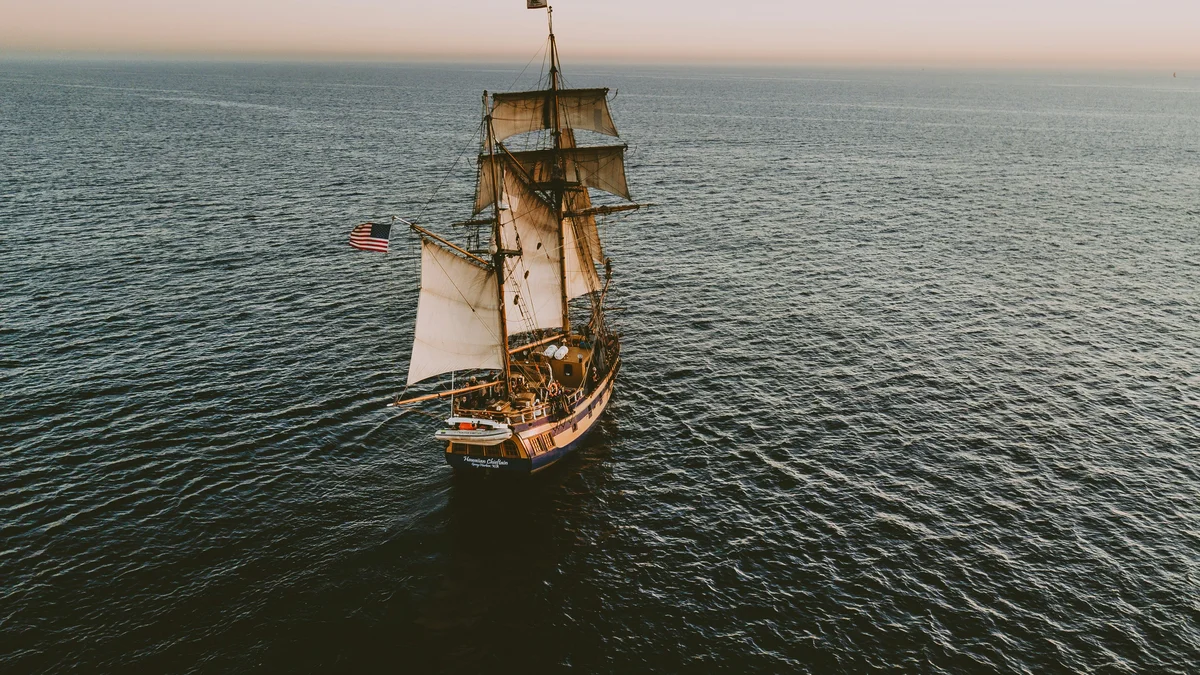 Private Tours
A private charter of a traditional tall ship on Casco Bay — your group has the whole vessel to yourselves for a genuine New England sailing experience.
Visitor guide
Casco Bay is the island-studded stretch of Gulf of Maine coast that opens off Portland, and its scattering of islands is popularly known as the Calendar Islands. The Casco Bay Estuary Partnership counts about 785 islands, islets and exposed ledges, a long way short of the 365 the nickname suggests, but the name has stuck for good reason: the bay really is that crowded with rock and spruce.
The name comes from an early report of 'as many islands as there are days in the year', which Wikipedia attributes to a 1700 account by Römer. The count depends entirely on what you include. The estuary partnership's 785 figure includes ledges; a former Maine state historian is quoted as putting the true islands at little more than two hundred. Treat 365 as folklore and the larger counts as a matter of definition.
The bay's bedrock includes volcanic material dating to roughly 470 million years ago, in the Ordovician. The Laurentide ice sheet began retreating from the region around 14,000 BCE, and its scouring and the rising sea left the drowned, rocky coast of headlands and islands seen today. The bay itself covers roughly 200 square miles, according to the estuary partnership, and its watershed reaches inland across about 985 square miles toward the western mountains near Bethel. The highest island is Sebascodegan, at 201 feet, followed by Great Chebeague at 176 feet.
The partnership notes evidence of ancestral Wabanaki use of the islands going back at least 2,000 years, with some artifacts more than 4,000 years old; Abenaki groups, including the Aucocisco, lived around the bay when Europeans arrived. Christopher Levett founded an English settlement on House Island in 1623. Peaks Island was leased in 1637 to Michael Mitton, who lived there for decades. Later centuries brought fishing, steamboat excursions, and, on Peaks, the Greenwood Gardens amusement district of the 1880s. In the World War II era Peaks Island also held Battery Steele, whose two 16-inch guns made it the island's largest structure.
Casco Bay Lines, the island transit district created in 1981, serves six islands: Peaks, Little Diamond, Great Diamond and Cliff, which belong to Portland, plus the island towns of Long Island and Chebeague. Peaks is the most populous, about three miles from downtown Portland, with roughly 1,000 year-round residents according to the estuary partnership and a summer population that grows by thousands. Cliff Island lies about six miles offshore and is described by the Casco Bay Island Alliance as the only year-round island in the bay without paved roads. Great Diamond includes 23 acres of protected old-growth forest. Long Island is noted for its beaches, including South Beach, a state beach.
Several historic lights guard the bay's entrance, among them Portland Head Light (completed 1791), Two Lights at Cape Elizabeth (1828), Halfway Rock Light (in service from 1871) and Portland Breakwater Light, the cast-iron 'Bug Light' of 1875. The ferry story is old too: the Casco Bay Steamboat Company was incorporated in 1878, and the company re-emerged as Casco Bay Lines by the winter of 1919-1920, after a 1907 merger that formed the Casco Bay and Harpswell Steamboat Company. Today the district also carries the mail and island schoolchildren, as well as freight and vehicles, so a ferry ride is a working commute as much as a sightseeing trip.
Schedules, vehicle space and seasonal sailings change, so check Casco Bay Lines directly. On a Voyzo private tour, your driver and vehicle can collect you at your door and take you to the Portland waterfront terminal, so you can concentrate on choosing an island and how long to stay.
See every tour and attraction we cover in Portland, Maine.