TorontoOntario · 36 tours
 Niagara FallsOntario · 25 tours
 New York CityNew York · 30 tours
 Las VegasNevada · 8 tours
 San FranciscoCalifornia · 16 tours
 VancouverBritish Columbia · 17 tours
 DubaiUAE · 54 tours
 Abu DhabiUAE · 5 tours
 Buenos AiresArgentina · 23 tours
 AthensGreece · 31 tours
 AucklandNew Zealand · 38 tours
 CancunMexico · 54 tours
No destinations match “”. Try searching all tours instead — that search understands full questions, not just place names.
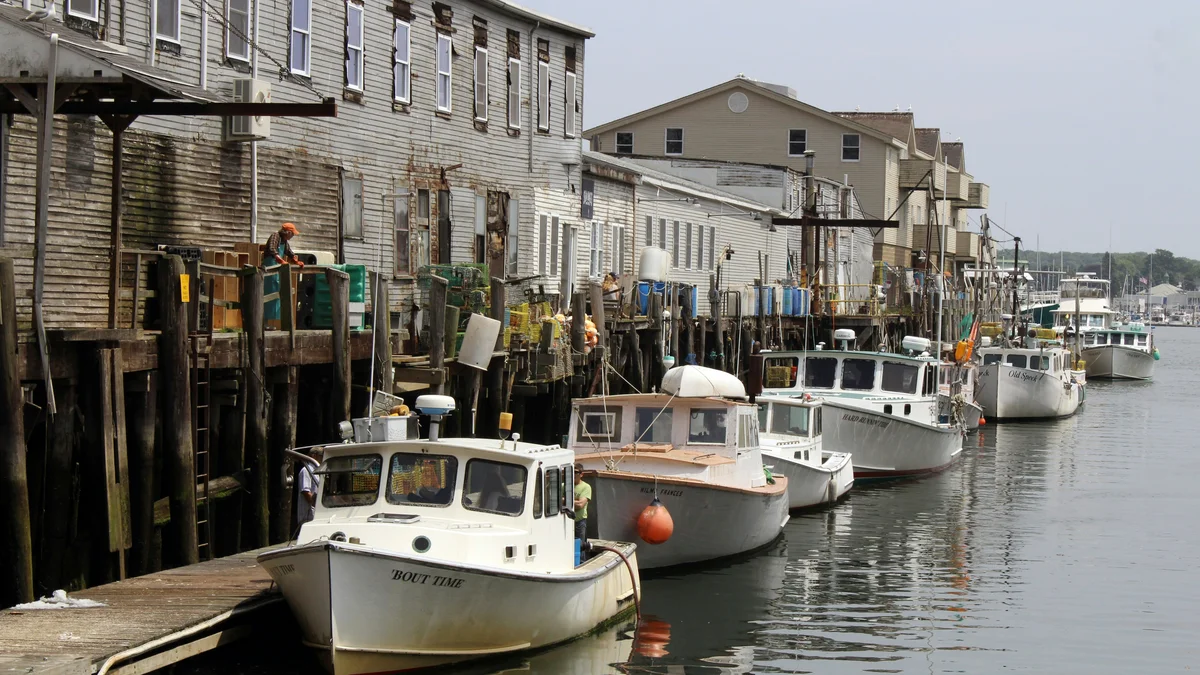
Portland's historic waterfront district, with cobblestone streets, 19th-century brick warehouses, and a still-working commercial fishing wharf where lobster boats tie up alongside restaurants, shops, and galleries. It's the heart of Portland's food and nightlife scene, and a genuine working harbor at the same time.
 Private Tours
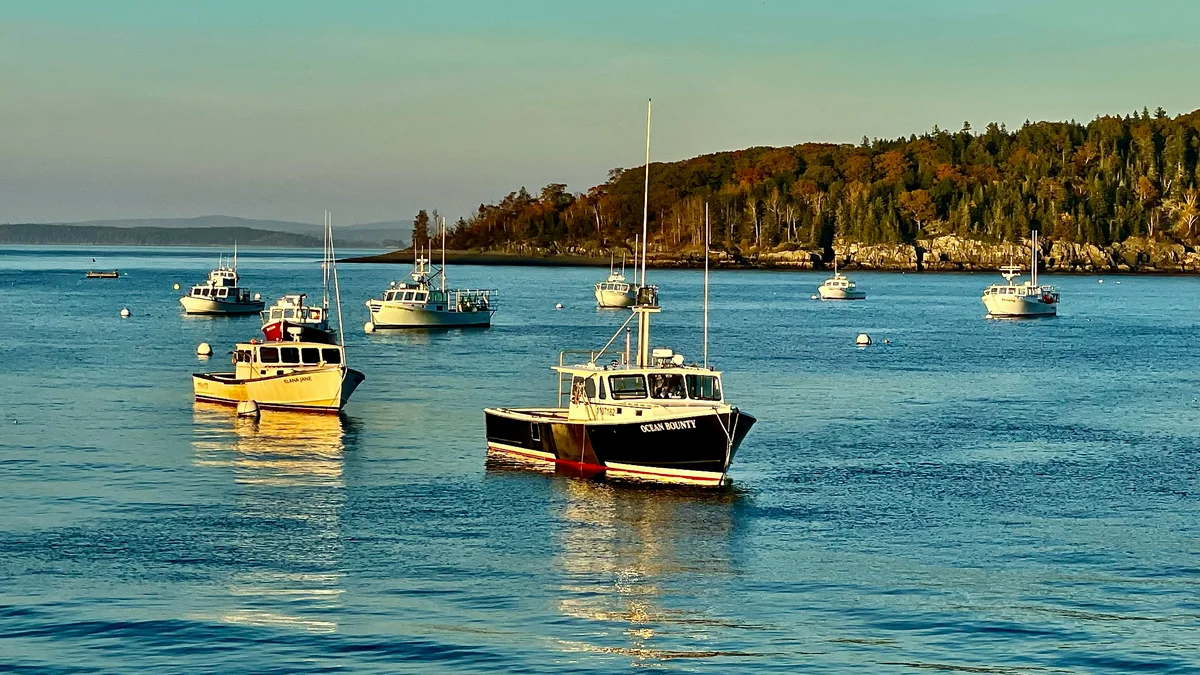
Charter a vintage Maine lobster boat for a private two-hour cruise into Casco Bay, passing four lighthouses while your captain shares local nautical history.
 Private Tours
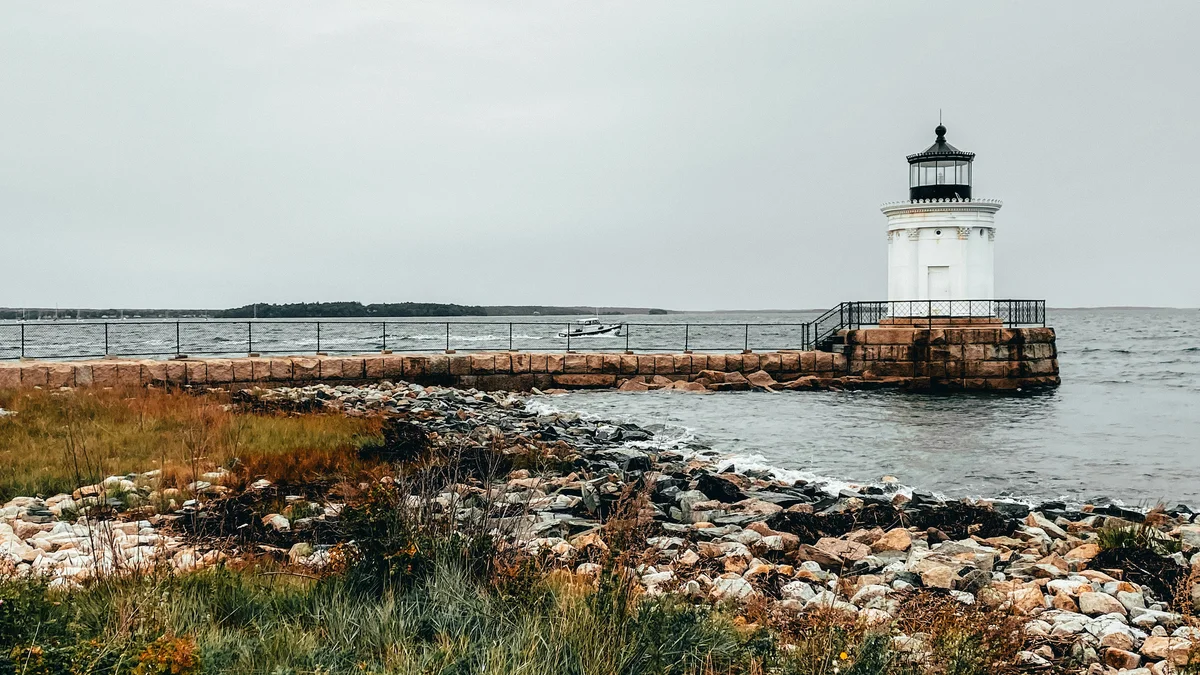
A fully private e-bike tour through Portland's Old Port and South Portland, riding to Bug Light, Spring Point Ledge, and Portland Head Light, with a fresh Maine lobster roll along the way.
Visitor guide
Portland's Old Port is a waterfront district on the southeastern side of the Portland peninsula, overlooking the mouth of the Fore River. It is known for cobblestone streets, 19th-century brick buildings and fishing piers, and today it mixes boutiques, restaurants and bars with a working waterfront.
The peninsula was first settled in the 17th century, abandoned during the French and Indian Wars, and resettled and incorporated as Falmouth in 1718. Wikipedia notes the 18th-century economy depended on the lumber trade, especially ship masts, and that a British raid in October 1775 destroyed much of the town by fire. Commercial Street was created by fill in the 1850s.
The defining event was the Great Fire, which began on the afternoon of July 4, 1866, likely from a firecracker or a cigar, near what is now Hobson's Landing on Commercial Street. Portland Landmarks reports that strong winds carried it through the Old Port and India Street neighborhood to Munjoy Hill, where it burned out early on July 5. About 1,800 buildings were destroyed, 1,200 of them homes, leaving roughly 10,000 people homeless, and losses included City Hall, the Customs House and the Post Office.
Portland was almost completely rebuilt within about two years. Portland Landmarks says architects from Boston, New York and Canada opened offices in the city, and most new buildings followed the Italianate or closely related Second Empire styles, using brick and granite to reduce fire risk. The Old Port was rebuilt mainly as a commercial district. That is why the district keeps such a consistent Victorian brick character. Portland installed a fire alarm system in 1867, and the Portland Water Company began piping water from Sebago Lake in 1869.
By the 1970s the area was run down. Wikipedia and local accounts say developers began buying derelict buildings and converting them into apartments, offices and retail space, and the Old Port Association, formed in the 1970s, helped halt demolitions and lobbied for streetscape improvements. The Cumberland County Civic Center opened at the top of the Old Port in 1977, and federal tax incentives in the early 1980s encouraged further redevelopment. A large part of the area is listed on the National Register of Historic Places as the Portland Waterfront Historic District, added on May 2, 1974.
Wikipedia identifies Fore and Middle Streets as the district's main cross streets and Commercial Street as running along the waterfront, lined with wharves on the southeast side. The Press Herald Building, built in 1923, was converted into the Press Hotel in 2015, and the Ocean Gateway cruise terminal began construction in 2006. The Old Port Festival ran from 1973 until its 46th and final edition in 2019.
The district is compact and walkable, but check local operators for current hours, permits, and access to specific piers, boat tours and venues.
With Voyzo's private vehicle and driver, the Old Port works well as a stop on a wider Portland itinerary, with door-to-door pickup letting your group wander the streets on foot and be collected nearby.
See every tour and attraction we cover in Portland, Maine.