TorontoOntario · 36 tours
 Niagara FallsOntario · 25 tours
 New York CityNew York · 30 tours
 Las VegasNevada · 8 tours
 San FranciscoCalifornia · 16 tours
 VancouverBritish Columbia · 17 tours
 DubaiUAE · 54 tours
 Abu DhabiUAE · 5 tours
 Buenos AiresArgentina · 23 tours
 AthensGreece · 31 tours
 AucklandNew Zealand · 38 tours
 CancunMexico · 54 tours
No destinations match “”. Try searching all tours instead — that search understands full questions, not just place names.
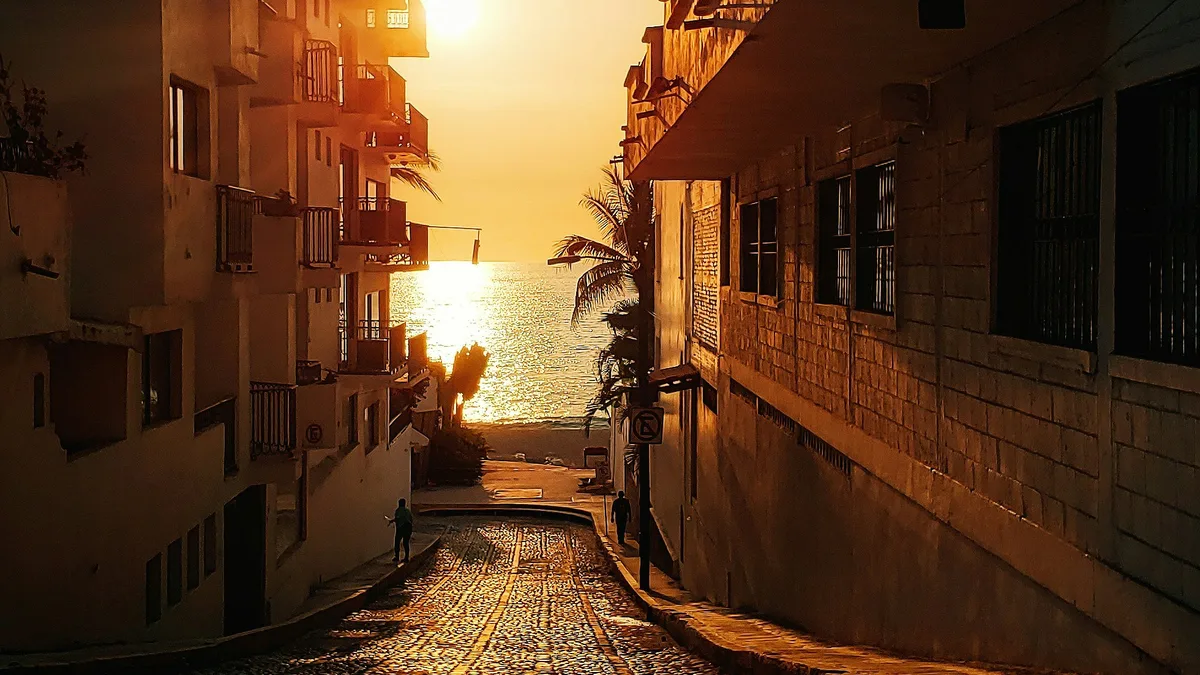
South of the Cuale River, Puerto Vallarta's original town center is a grid of cobblestone streets lined with colonial-style buildings, courtyard cafés, and contemporary art galleries. Also called Old Town, it's the city's most walkable historic district and home to Playa Los Muertos, the neighborhood's namesake beach, as well as many of the restaurants and boutiques locals themselves frequent.
 Private Tours
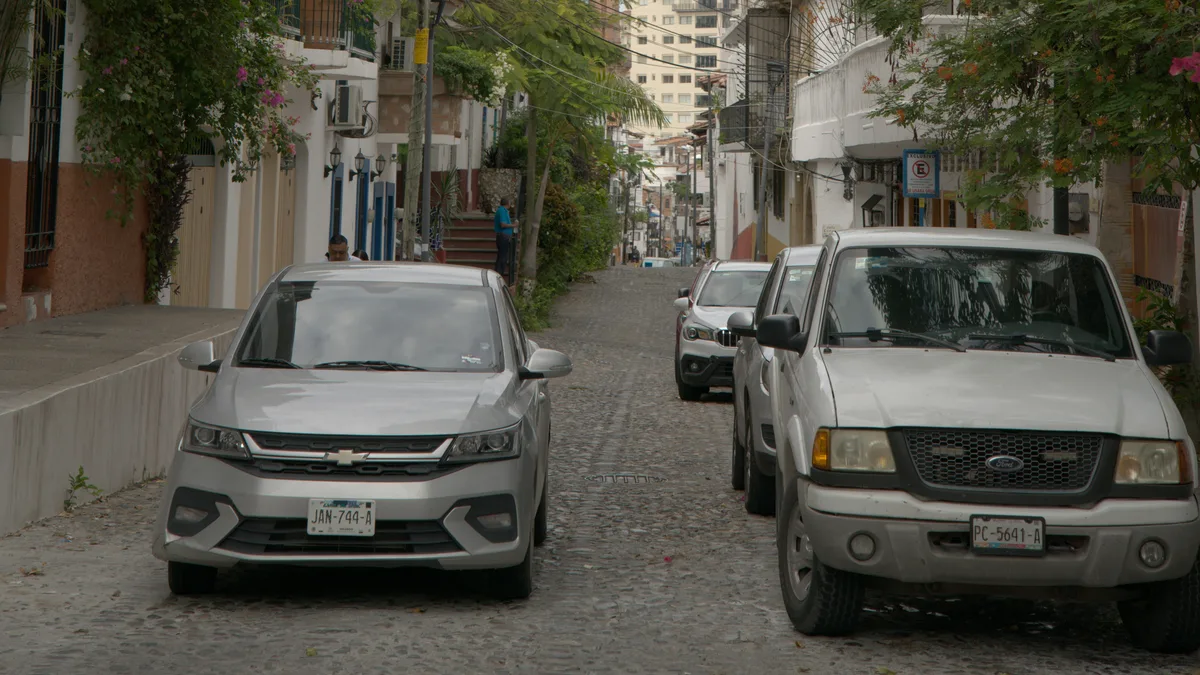
A private half-day tour led by a local resident, covering the Zona Romántica, the Malecón boardwalk, and a distillery stop for tequila and raicilla tastings.
 Private Tours
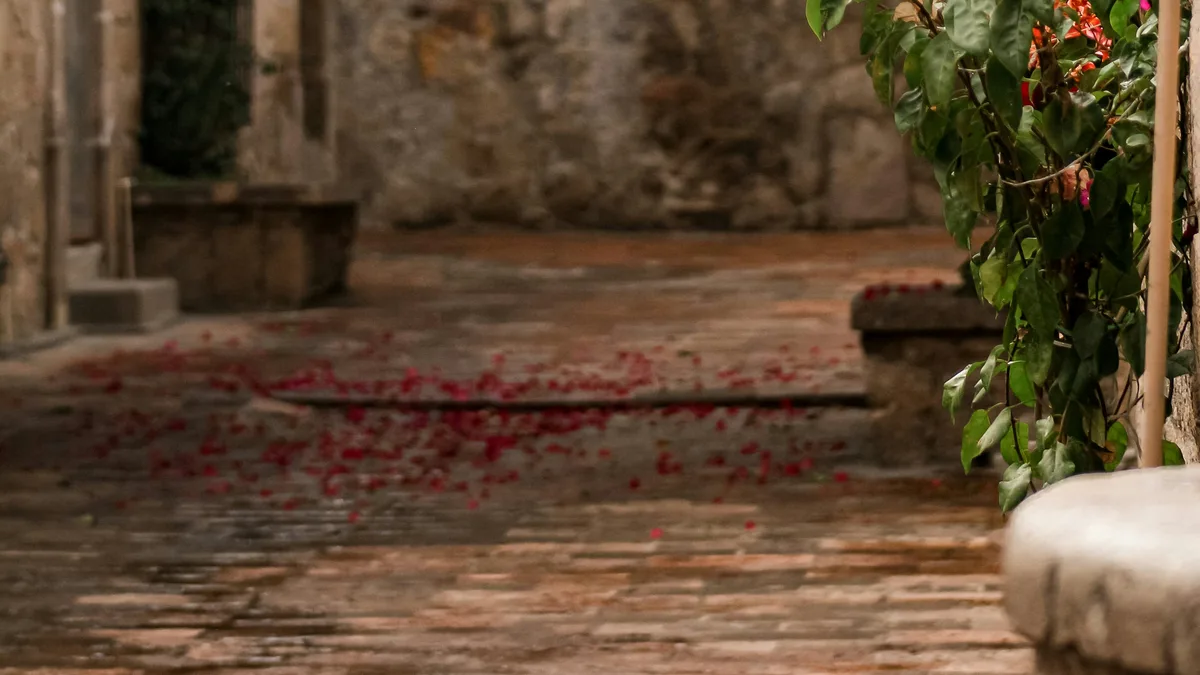
A private walking tour from the Malecón Boardwalk through the Zona Romántica's cobblestone streets, ending at the Vallarta Botanical Garden and the Cuale River Suspension Bridge.
Visitor guide
The Zona Romantica, also called the Romantic Zone or Old Town, is the neighborhood of Puerto Vallarta, Jalisco, that lies south of the Rio Cuale. It is a grid of cobblestone streets near Los Muertos Beach, known for its cafes, small hotels, galleries and nightlife.
According to one source, Zona Romantica is an informal label rather than an official district and covers the colonias of Emiliano Zapata, Alta Vista and Amapas, with sources disagreeing on the exact size of the grid. Wikipedia describes the area as lying south of the Cuale River and being called the Romantic Zone or Old Vallarta in tourist brochures. The name is often tied in popular folklore to the romance of Elizabeth Taylor and Richard Burton during the 1963 filming of The Night of the Iguana, but their homes were north of the river, and tourism sources say the label was created as a promotional concept. The film was shot at Mismaloya and other nearby locations; Taylor visited the set but was not in the film, and she and Burton later bought a house in Puerto Vallarta.
Three rivers flow from the Sierra Madre into the Puerto Vallarta area: the Cuale, the Pitillal and the Ameca. In the Cuale, a small island called Isla Cuale sits in mid-river and can be reached by footbridges. Wikipedia says it was a low-income neighborhood until flooding during Hurricane Lily in 1971 forced residents to relocate, after which it was converted into a site for restaurants, shops and a cultural center. The Cuale Archaeological Museum on the island's west side displays local and regional pre-Hispanic art, and a statue of the film director John Huston stands there. Huston built homes in the area, including one at the remote beach of Las Caletas.
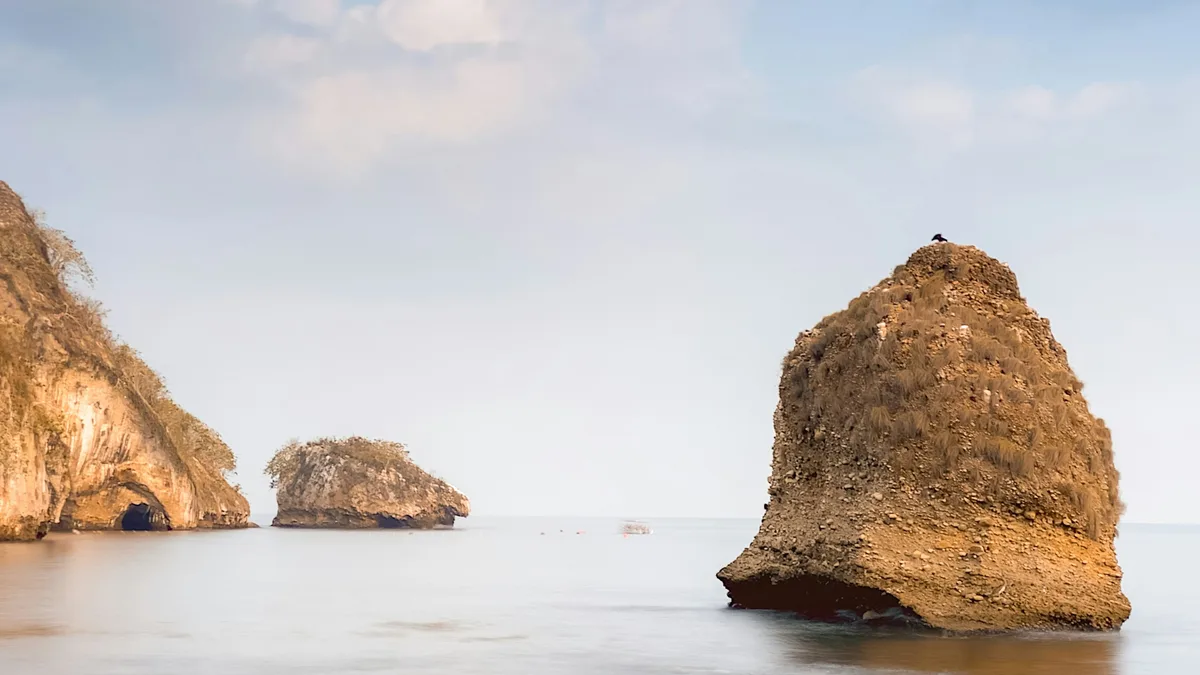
The neighborhood opens to the Pacific at Los Muertos Beach, one of the city's most popular. Wikipedia says the name Playa de los Muertos is linked to an account of corpses washing ashore after Hernan Cortes's ships wrecked in the bay in 1531. The Boy on the Seahorse, called El Caballito, originally stood at a rock formation called Las Pilitas at the south end of this beach, and an identical sculpture is on the beach today.
The Zona Romantica is the center of Puerto Vallarta's LGBTQ+ scene, with hotels, bars and nightclubs, a character Wikipedia and local sources date from the 1980s onward. Wikipedia also notes that traditional homes have been replaced by condominium buildings in a trend described as controversial.
The streets are mostly flat but cobbled and can be crowded in the evening. A private guided visit with a driver can connect the Zona Romantica with the Malecon, the church in the old center and outlying sites such as Mismaloya.
See every tour and attraction we cover in Puerto Vallarta.