TorontoOntario · 36 tours
 Niagara FallsOntario · 25 tours
 New York CityNew York · 30 tours
 Las VegasNevada · 8 tours
 San FranciscoCalifornia · 16 tours
 VancouverBritish Columbia · 17 tours
 DubaiUAE · 54 tours
 Abu DhabiUAE · 5 tours
 Buenos AiresArgentina · 23 tours
 AthensGreece · 31 tours
 AucklandNew Zealand · 38 tours
 CancunMexico · 54 tours
No destinations match “”. Try searching all tours instead — that search understands full questions, not just place names.
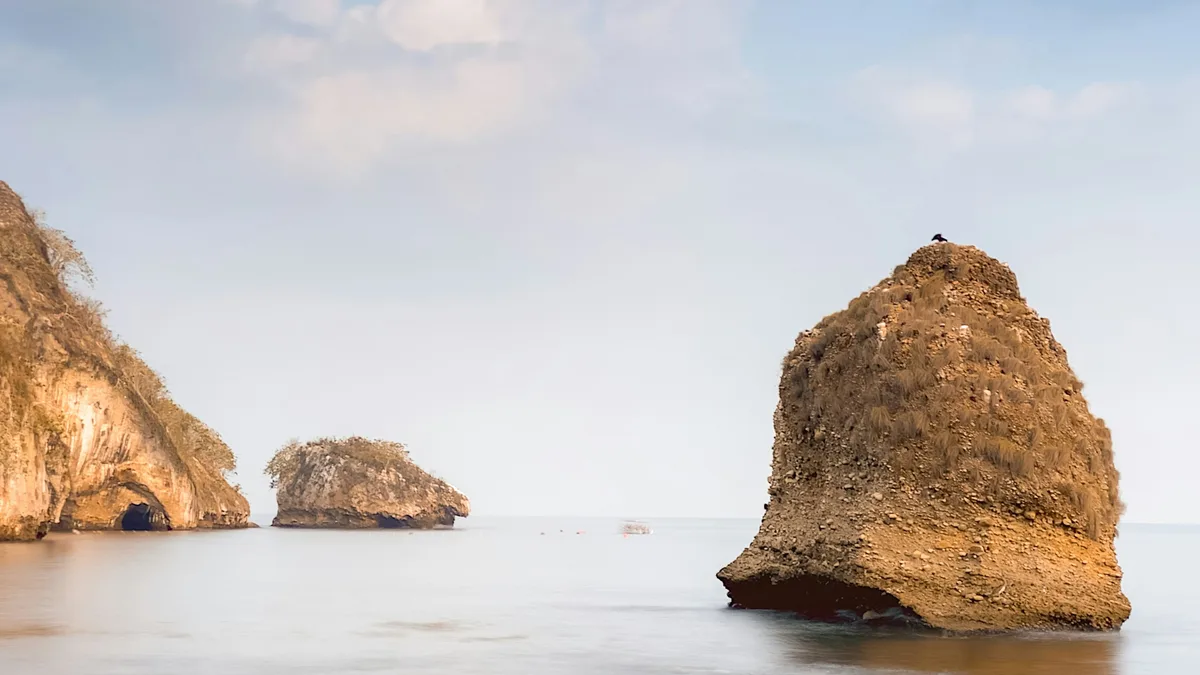
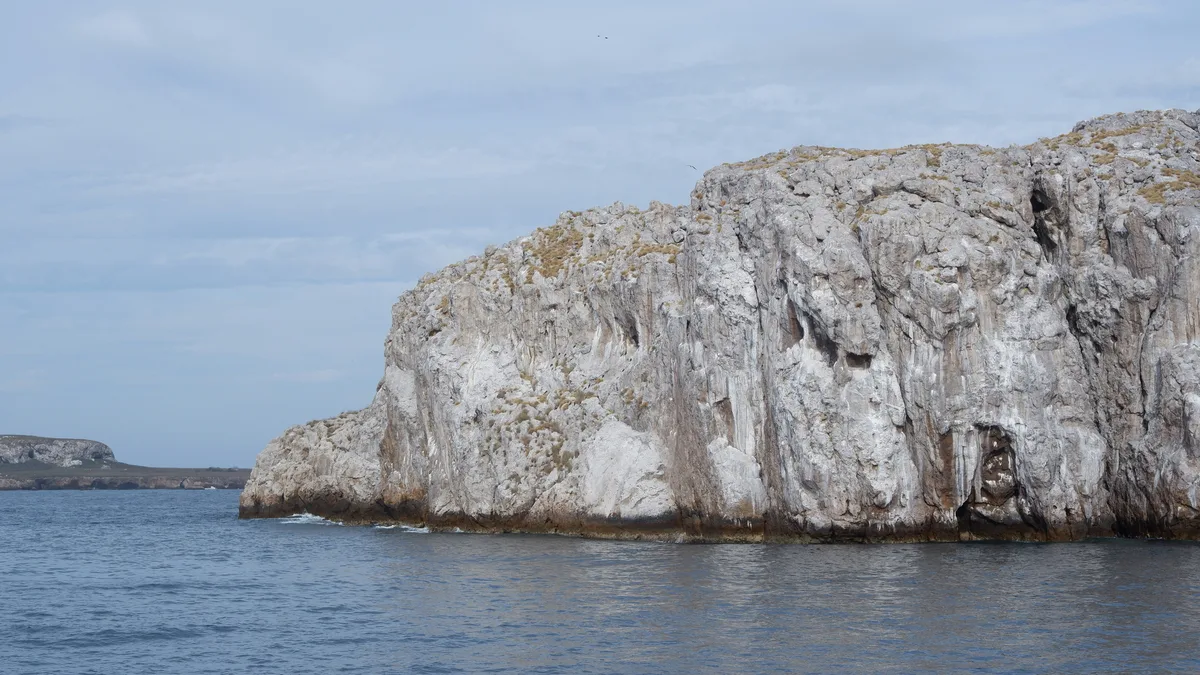
A cluster of granite rock islands and natural sea arches just off Puerto Vallarta's southern shore near Mismaloya, Los Arcos was declared a national marine park in 1984 to protect its underwater caves and reef life. It's one of the most consistently visited snorkeling and diving spots in Banderas Bay, with clear water, sea caves boats can pass through, and a resident population of tropical fish and pelicans.
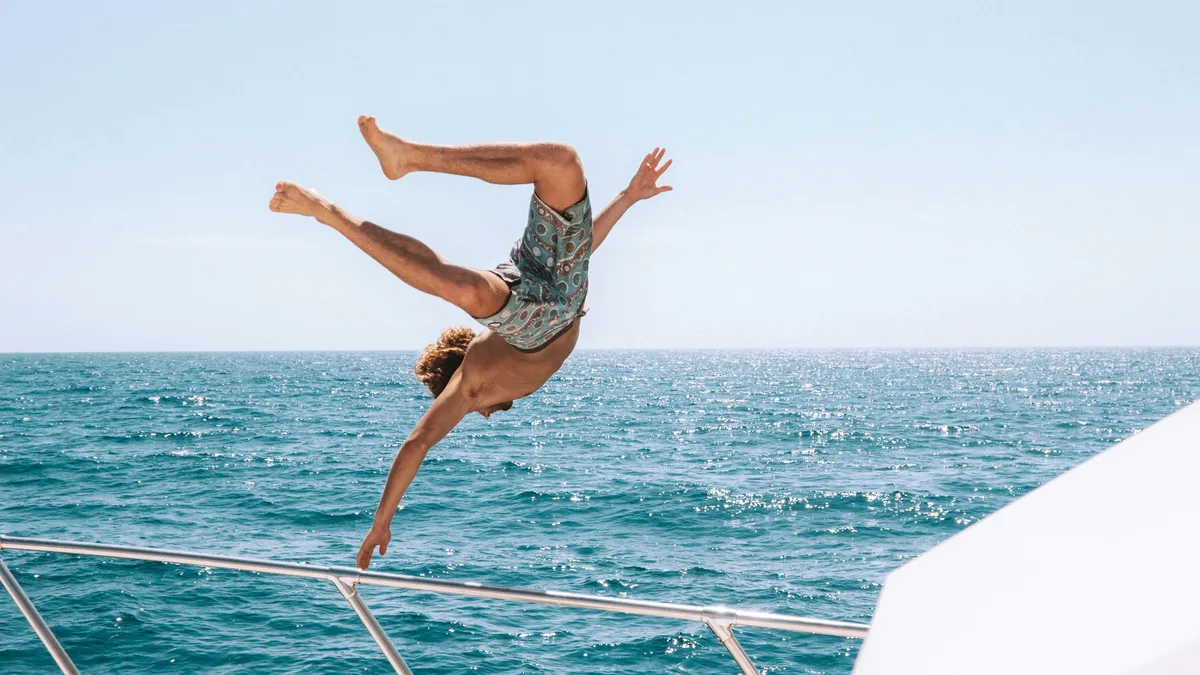 Private Tours
A private yacht tour to the sea arches of Los Arcos and the boat-only Playa Paredón, with time to swim, snorkel, and paddle in calm, secluded water.
 Private Tours
A private charter aboard the Hatteras 42' Isabella II, combining sport fishing with individual licenses, Los Arcos snorkeling, and fresh ceviche made from your own catch.
Visitor guide
Los Arcos National Marine Park, known in Spanish as Los Arcos de Mismaloya, is a protected group of granite islets in Bahia de Banderas, Jalisco, Mexico. Wikipedia places it about 12 kilometres south of Puerto Vallarta, near Mismaloya.
There are five islets, and the three most prominent are Roca de Los Arcos, Roca de la Tortuga (Turtle Rock) and Roca del Diablo (Devil's Rock). The two largest rise roughly 43 to 54 metres above sea level, and the largest islet is about 250 metres long and 160 metres wide. According to Wikipedia, the rocks are granite and were once hills of the Sierra Madre Occidental near the coast; ocean erosion exposed their granite cores and separated them from the mainland. The larger arches are big enough for a motorboat to pass through, and the rocks can be seen from the downtown district of Puerto Vallarta.
In 1975 the Secretary of Commerce and Industrial Development declared the area a refuge for marine flora and fauna, because of extensive reef damage and overfishing. In 1984 it was reclassified as a national marine park. It is governed by the National Commission of Protected Natural Areas and holds IUCN Category II status, the category used for national parks.
Wikipedia describes the islets as an important breeding ground for ospreys, blue-footed boobies, parakeets, cormorants and pelicans. The steep granite faces and small ledges give the seabirds sites above the surf, so the rocks are as much a bird colony as a scenic landmark seen from the water.
The waters around the islets hold king angelfish, Moorish idols, giant oceanic manta rays, eagle rays, garden eels, octopuses, lobsters, seahorses and nudibranchs, according to Wikipedia, while sea turtles are seen only rarely. From November to March humpback whales, orcas and dolphins are more common in the wider bay. The article also notes that bioluminescent plankton appears at night. A rocky wall about 250 metres long on the western side offers two dive sites, and the area is used for swimming, diving, snorkeling, kayaking and paddleboarding.
The rocks lie off Mismaloya, a small village on the coast of Bahia de Banderas on Highway 200 south of Puerto Vallarta. According to Wikipedia, the name comes from Nahuatl and means roughly place where they grab fish with their hands. Mismaloya is best known as the filming site of the 1963 film The Night of the Iguana, whose set was built on the hill on the south side of the cove, and Los Arcos appears in the view from the beach at Playa Mismaloya. Wikipedia says the film helped make Puerto Vallarta famous, and the set is now in ruins.
Wikipedia says the nearby waters may be the deepest in Bahia de Banderas, reaching about 480 metres, which helps explain the variety of marine life drawn to the rocks. Access is by boat from the Puerto Vallarta area. A private tour with a driver can handle the coastal transfer, with the boat trip itself run by an authorized operator.
See every tour and attraction we cover in Puerto Vallarta.