TorontoOntario · 36 tours
 Niagara FallsOntario · 25 tours
 New York CityNew York · 30 tours
 Las VegasNevada · 8 tours
 San FranciscoCalifornia · 16 tours
 VancouverBritish Columbia · 17 tours
 DubaiUAE · 54 tours
 Abu DhabiUAE · 5 tours
 Buenos AiresArgentina · 23 tours
 AthensGreece · 31 tours
 AucklandNew Zealand · 38 tours
 CancunMexico · 54 tours
No destinations match “”. Try searching all tours instead — that search understands full questions, not just place names.
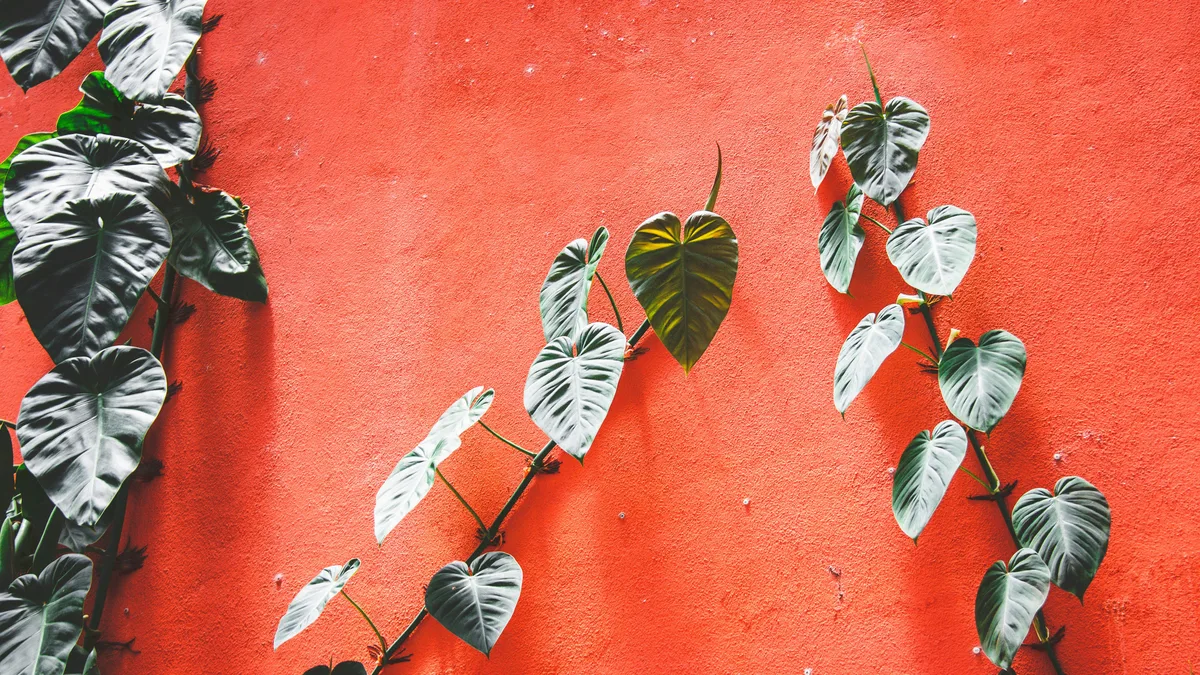
Set in the Sierra Madre foothills about 30 minutes south of the city along the Horcones River, this nonprofit garden cultivates native Mexican orchids, agave, and other regional plants across several themed trails and a riverside restaurant. It's a genuine research and conservation garden, not just a photo stop, and a real draw for birdwatchers given the hummingbirds and tropical species that pass through its grounds.
 Private Tours
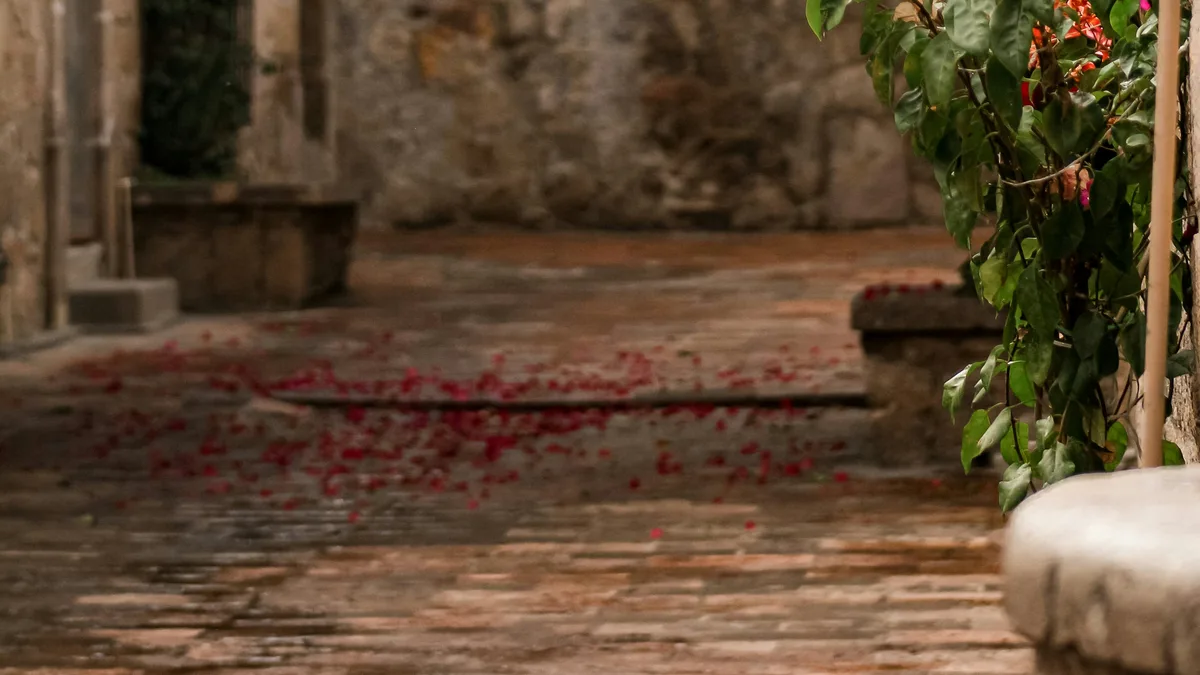
A private walking tour from the Malecón Boardwalk through the Zona Romántica's cobblestone streets, ending at the Vallarta Botanical Garden and the Cuale River Suspension Bridge.
 Private Tours
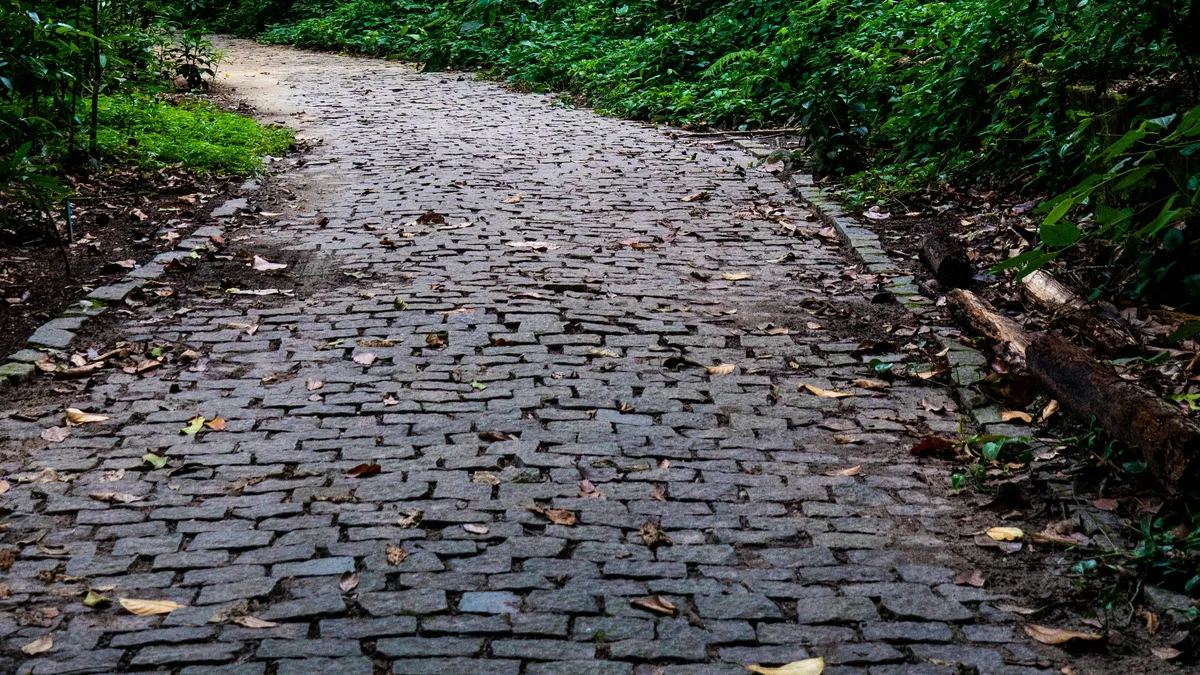
A private, unhurried visit to the Vallarta Botanical Garden with a certified local guide, exploring native plants, traditional plant uses, and local wildlife.
Visitor guide
The Vallarta Botanical Garden is a botanical garden and forest reserve in the foothills of the Sierra Madre near Puerto Vallarta, Jalisco, Mexico. It focuses on orchids, agaves, cacti, palms and other plants native to the tropical dry forest of the region, with a river running through the property.
According to Wikipedia, the garden was founded in 2004 and has been open to the public since 2005. It lies off Highway 200 south of Puerto Vallarta, at an elevation of about 400 metres above sea level. The garden covers 79 acres, or 32 hectares, of which 73 acres, or 30 hectares, are dedicated to a reserve; the Spanish-language Wikipedia article gives a smaller figure of 26 hectares, so the exact area depends on the source. Wikipedia describes it as receiving no government funding and operating as a membership organization, supported by a non-profit association, Friends of Vallarta Botanical Gardens.
The collections showcase plants of the tropical dry forest biome native to the Puerto Vallarta region, as well as exotics from around the world. Orchid conservation and propagation is a focus of the garden's mission, and orchids grow on trees throughout the grounds and in the Holstein Orchid and Vanilla House. Other notable collections listed by Wikipedia include oaks, bromeliads, agaves, cacti, rhododendrons and wild palms. The garden takes part in public environmental education through tours and classes.
The garden has hiking trails through both the native forest and the more manicured display grounds. The Rio Horcones, a tropical river, runs through the property, and Wikipedia notes that visitors are welcome to swim in it. Bird watchers will find the most activity early in the morning or later in the day, which is typical of tropical forest birding.
Since its founding the garden has focused on preserving the tropical forest around it. Wikipedia describes the area as one of the most biodiverse in the world, home to several endangered species, and one of the most carbon-dense ecosystems on the planet. The garden has worked to establish a Forest Preserve with protected status and has described plans for an ocelot sanctuary on newly acquired land, intended to highlight the endangered small cat and the importance of the Jaguar Corridor. It is a member of Botanic Gardens Conservation International, the American Public Gardens Association, the Mexican Orchid Association and the Mexican association of botanical gardens, and Wikipedia lists sister-garden relationships with the San Francisco Botanical Garden and the Santa Barbara Botanical Garden.
On 16 February 2017 the Cheryl L. Wheeler International Peace Garden of Mexico was dedicated within the grounds. Wikipedia describes it as a place for contemplation, with native flowers and plants, a section of monuments to lost loved ones, and an interfaith chapel, Our Lady of the Garden. The chapel was updated in 2021 with the permanent art installation Los Angelitos by David Allen Burns and Austin Young of Fallen Fruit. In 2022 the garden received the American Public Gardens Association's Garden of Excellence award, which Wikipedia says was the first given to a botanical garden outside the United States.
The Spanish-language article lists a Flower and Garden Festival in the last week of February and Day of the Dead activities on 2 November among the garden's events, though programs change from year to year. The terrain is hilly and the climate warm and humid, so a private guided visit with a driver is a practical way to include the garden alongside other southern coastal stops from Puerto Vallarta.
See every tour and attraction we cover in Puerto Vallarta.