TorontoOntario · 36 tours
 Niagara FallsOntario · 25 tours
 New York CityNew York · 30 tours
 Las VegasNevada · 8 tours
 San FranciscoCalifornia · 16 tours
 VancouverBritish Columbia · 17 tours
 DubaiUAE · 54 tours
 Abu DhabiUAE · 5 tours
 Buenos AiresArgentina · 23 tours
 AthensGreece · 31 tours
 AucklandNew Zealand · 38 tours
 CancunMexico · 54 tours
No destinations match “”. Try searching all tours instead — that search understands full questions, not just place names.
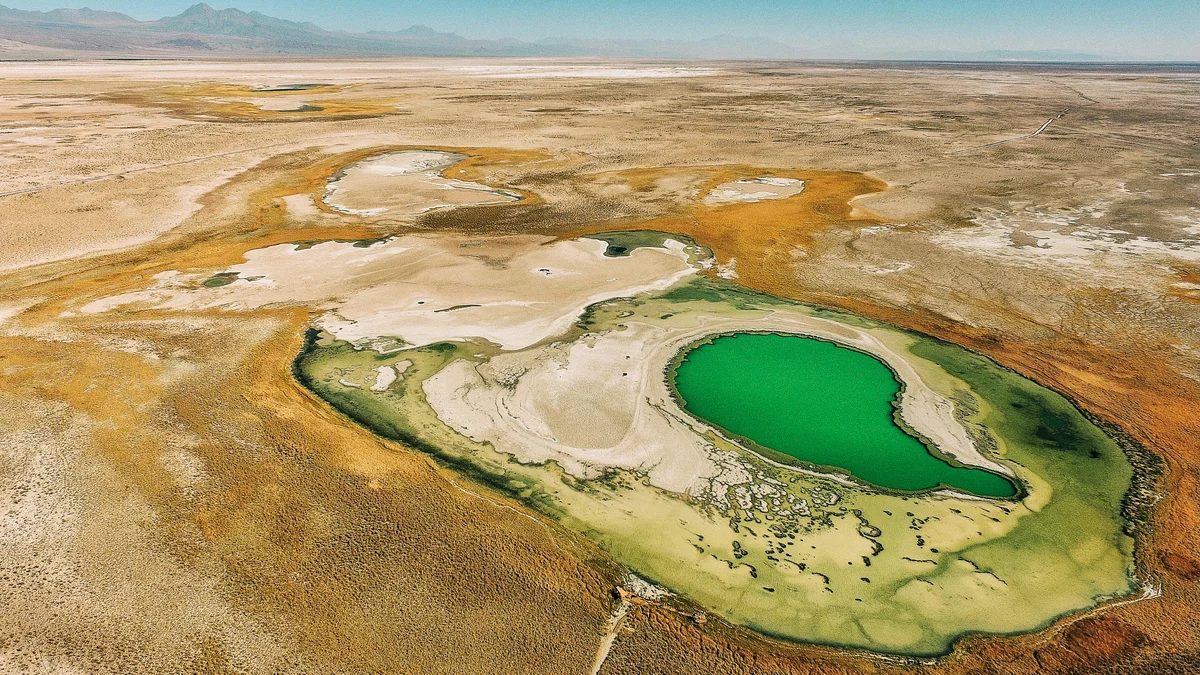
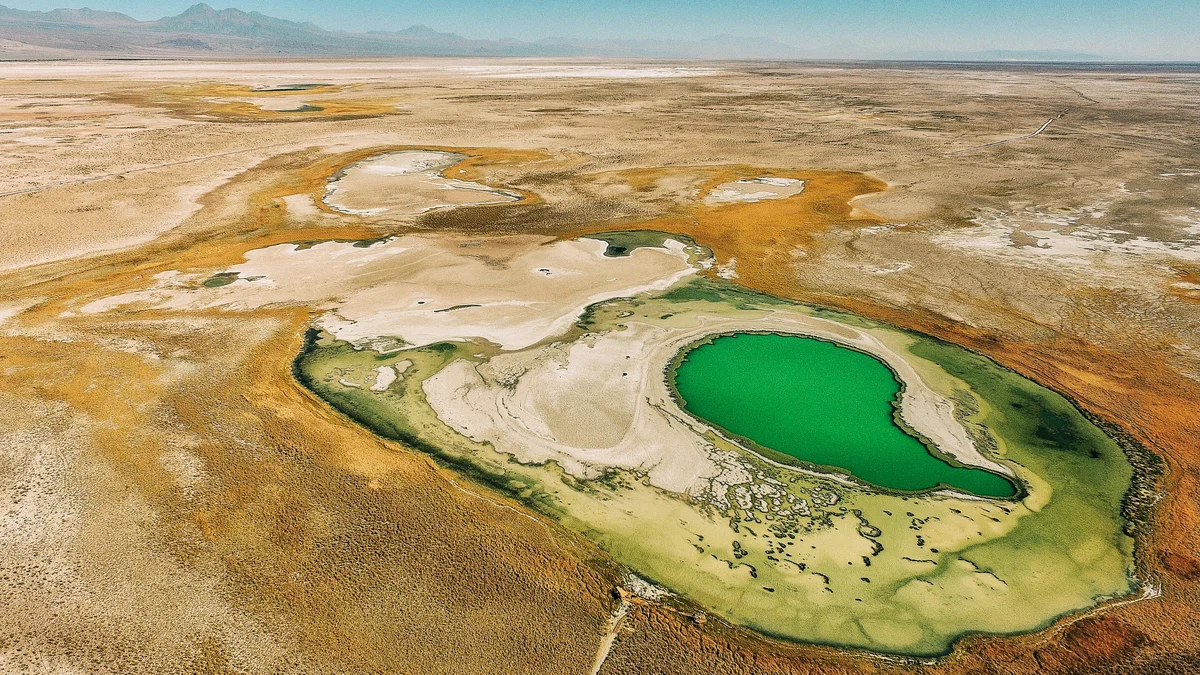
A real, hyper-saline lagoon within the Atacama Salt Flat, famous for water salty enough that visitors float on the surface with almost no effort, similar to the Dead Sea. Its turquoise water sits in sharp contrast to the surrounding white salt crust and dry desert landscape.
Visitor guide
Laguna Cejar is a saline sinkhole lake in the Salar de Atacama, about 18 kilometres from San Pedro de Atacama in northern Chile. English Wikipedia notes that its salt concentration ranges from 5 to 28 percent, which at the higher end gives swimmers a floating effect similar to the Dead Sea.
Spanish Wikipedia places the lagoon in the commune of San Pedro de Atacama, at about 2,342 metres altitude, with views of the Licancabur volcano and the Cordillera de la Sal, and gives its distance from the town as about 16 kilometres. The sources differ on that distance, so it is best treated as roughly 16 to 18 kilometres. The article is candid that little reliable information exists about the lagoon itself, and it cites a 2014 report by Chile's water directorate on evaporation and water resources in the Salar de Atacama basin.
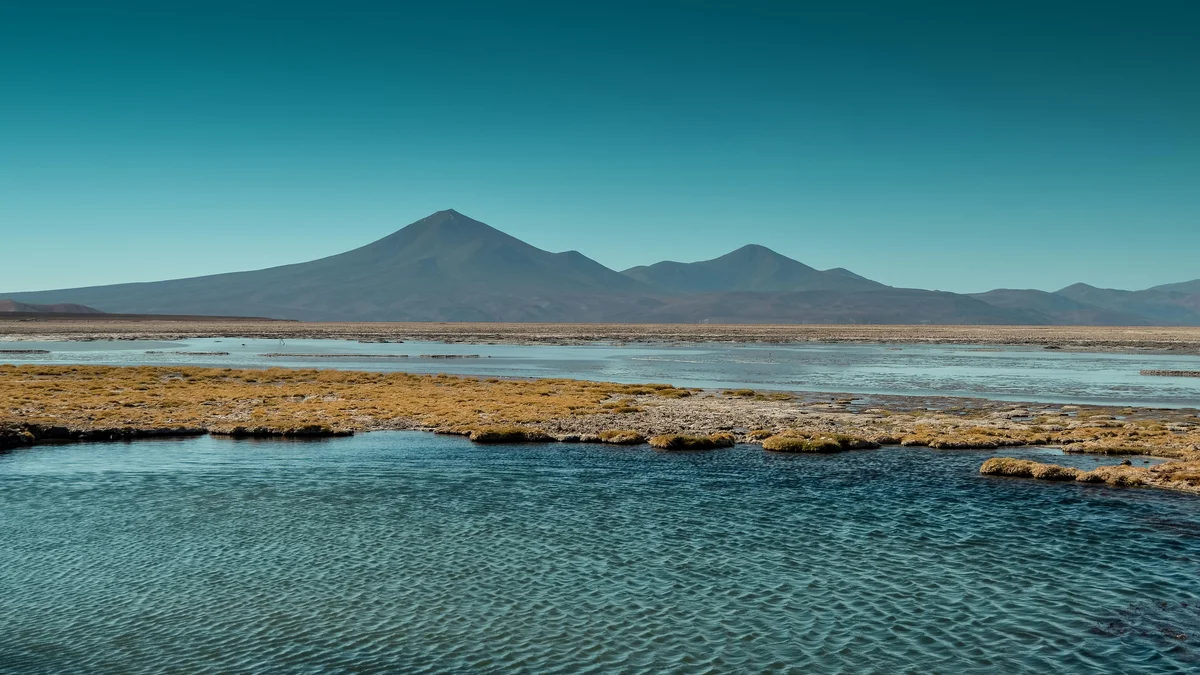
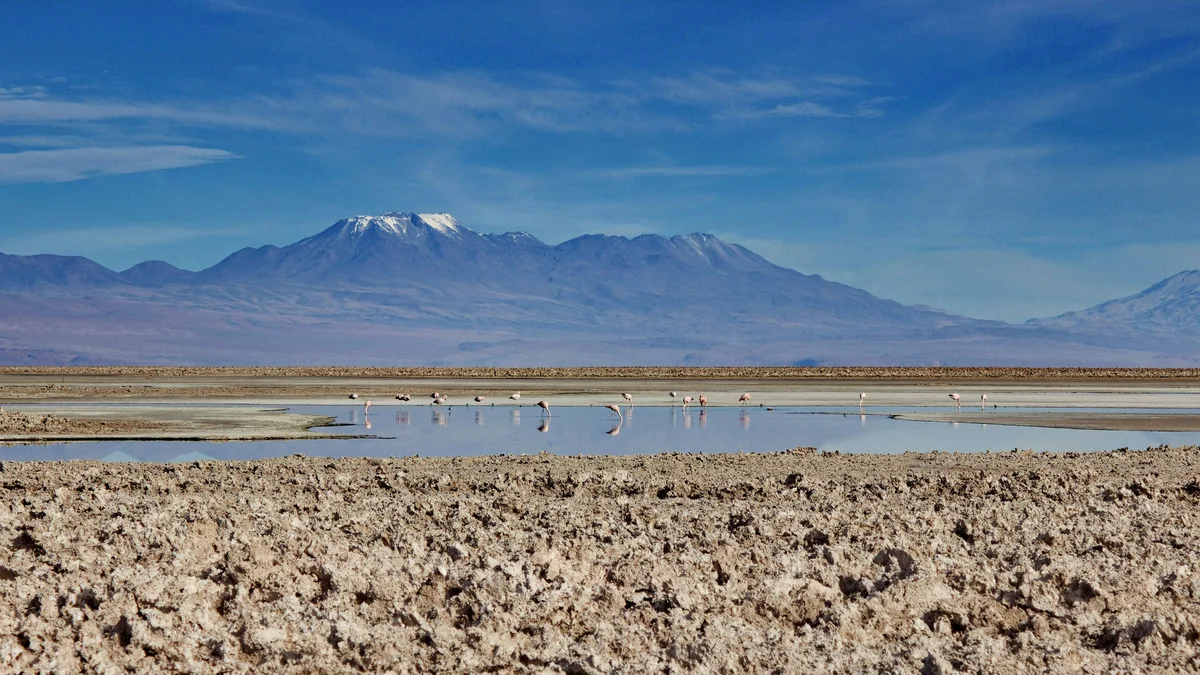
The lagoon sits among the lagoons of the eastern margin of the salar. A caption from a 1974 map lists them from north to south as Baltinache, Cejar, Tebinquiche, Chaxa, Barros Negros, Quelana, Salada, La Punta and Brava.
The Salar de Atacama is the largest salt deposit in Chile. Spanish Wikipedia says the wider basin covers about 15,620 square kilometres, with the salt flat itself about 90 kilometres long, at roughly 2,305 metres altitude. Rainwater dissolves salts from the surrounding rock and carries them to the salar, where they accumulate as the water evaporates. A geochemical study summarised in a 1996 paper finds that the salts come from weathered volcanic rocks and from leached ancient evaporites. The salar is also part of the Lithium Triangle shared by Chile, Bolivia and Argentina.
A peer-reviewed hydrogeology study of the eastern margin lagoons finds that evaporation and mixing are the main processes behind the water chemistry, and that low-permeability material near the surface explains why permanent surface water bodies exist there. That study covers the lagoons in general, so it does not confirm the mechanism for Cejar specifically.
Los Flamencos National Reserve, established in 1990, protects seven separate sections totalling about 740 square kilometres, four of them within the Salar de Atacama: Soncor, Quelana, Valle de la Luna and Tambillo. Travel sources did not confirm whether Cejar falls inside a reserve section, and one source reports that the lagoon is administered by the Atacamenian Indigenous community of Solor, so details of access are left open. In nearby Chaxa, which lies in the Soncor system, Wikipedia describes Chilean, Andean and James's flamingos and many other birds.
Cejar is usually visited as a half-day or evening excursion from San Pedro de Atacama, and travel sources often pair it with other nearby lagoons and a sunset viewpoint. The lagoon's status for swimming, access rules and what is permitted change over time and are set by the local community or authorities, so these should be checked before a visit. Visitors should expect strong sun and dry air during the day and cold temperatures once the sun sets. The salt water can irritate skin and eyes, so rinsing and sun protection are sensible.
A private guided visit with a dedicated vehicle and driver lets a group time the stop and combine it with other salt-flat sights.
See every tour and attraction we cover in San Pedro de Atacama.