TorontoOntario · 36 tours
 Niagara FallsOntario · 25 tours
 New York CityNew York · 30 tours
 Las VegasNevada · 8 tours
 San FranciscoCalifornia · 16 tours
 VancouverBritish Columbia · 17 tours
 DubaiUAE · 54 tours
 Abu DhabiUAE · 5 tours
 Buenos AiresArgentina · 23 tours
 AthensGreece · 31 tours
 AucklandNew Zealand · 38 tours
 CancunMexico · 54 tours
No destinations match “”. Try searching all tours instead — that search understands full questions, not just place names.
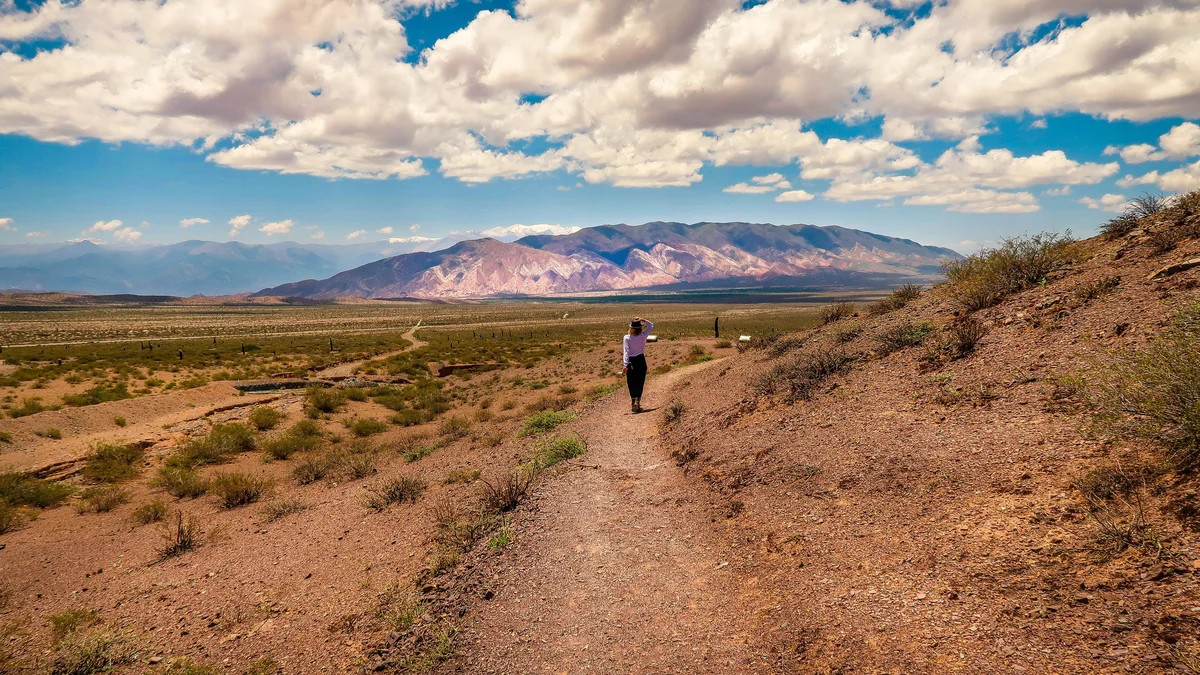
The Puna is a vast, high-altitude Andean plateau in western Salta province, home to salt flats, volcanoes, remote Andean villages, and the historic Train to the Clouds railway.
Visitor guide
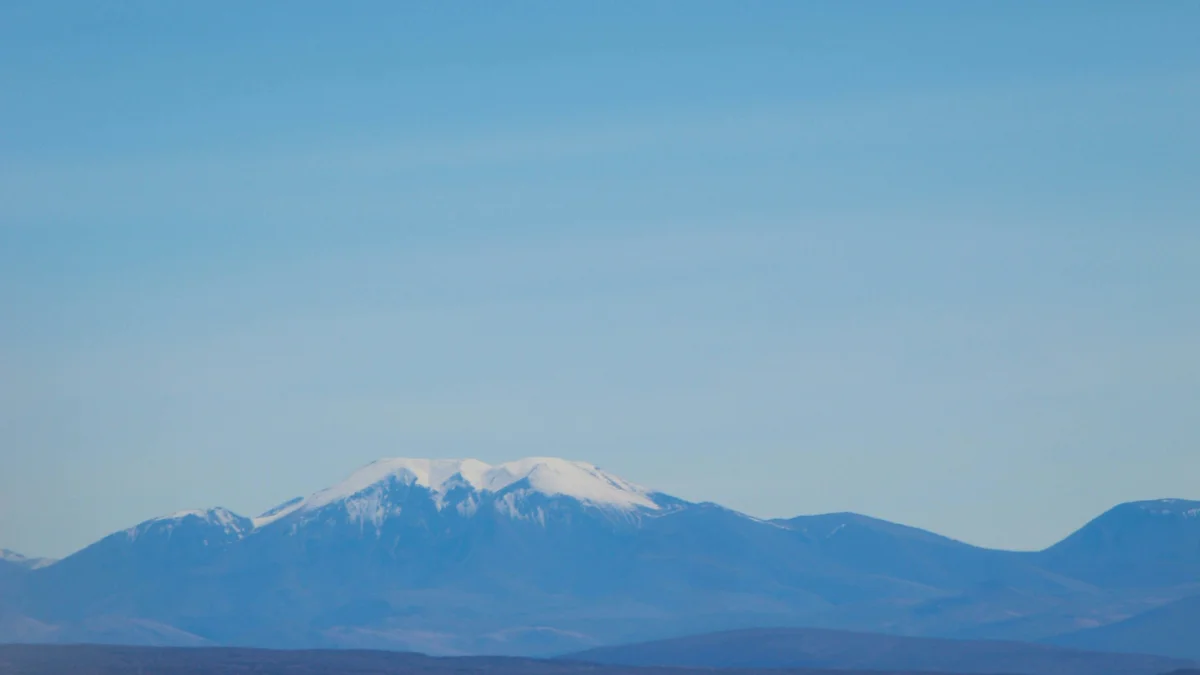
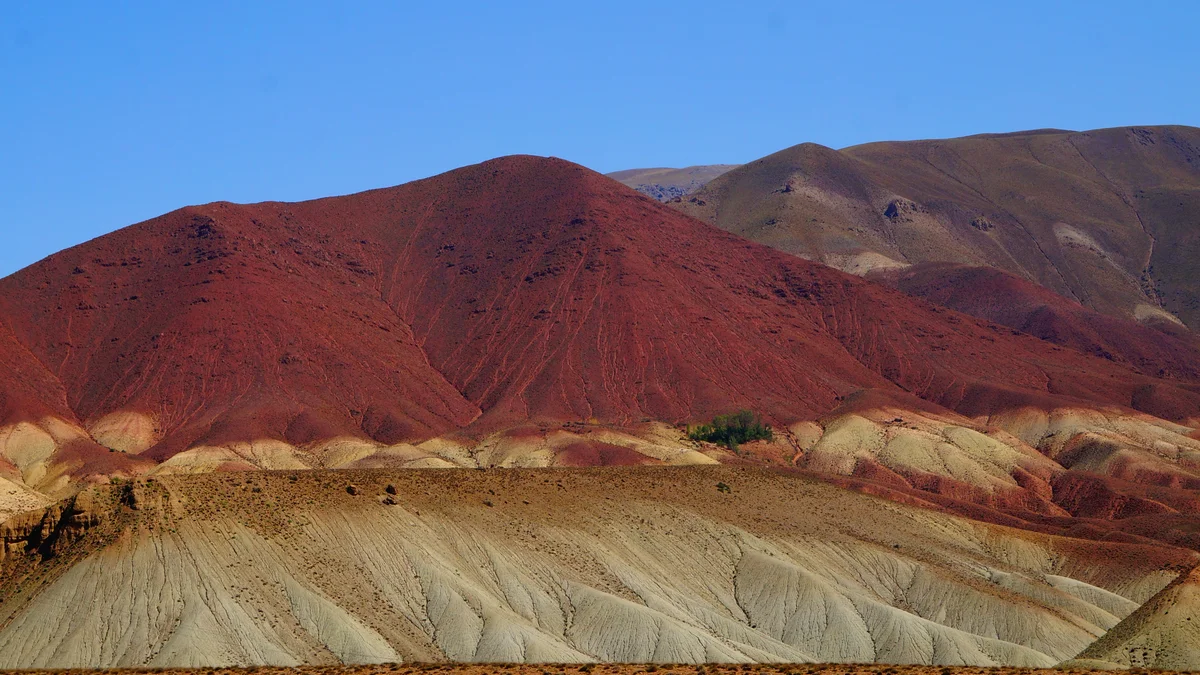
The Salta Puna is the part of the Puna de Atacama, a high Andean plateau, that lies within Salta Province in northwestern Argentina. It is a cold, arid landscape of salt flats, volcanoes and wide open basins that sits far above the valleys and city of Salta below.
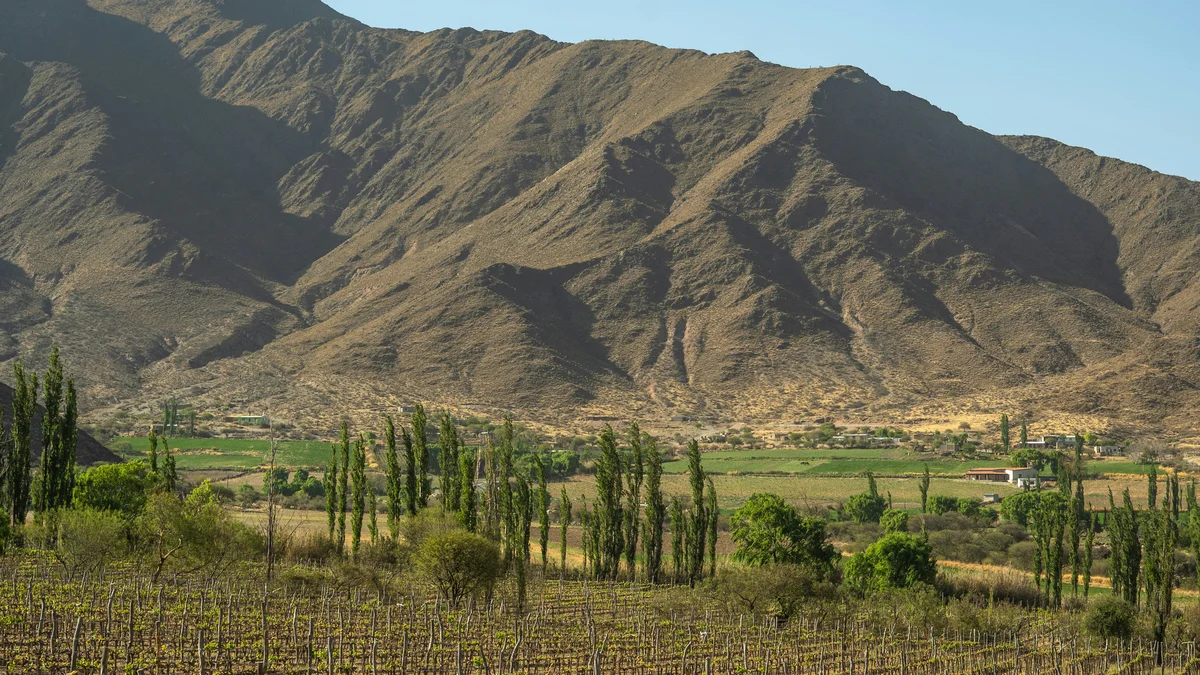
Within Salta Province, the western highlands are described as a cool, semi-arid to arid zone with strong swings between day and night temperatures. Wikipedia gives daytime highs of roughly 14 to 21 degrees Celsius, with nights ranging from about 6 degrees in midsummer to well below freezing in midwinter. Rain falls mainly in summer and annual totals are low, which is why the plateau is dotted with salt flats rather than rivers.
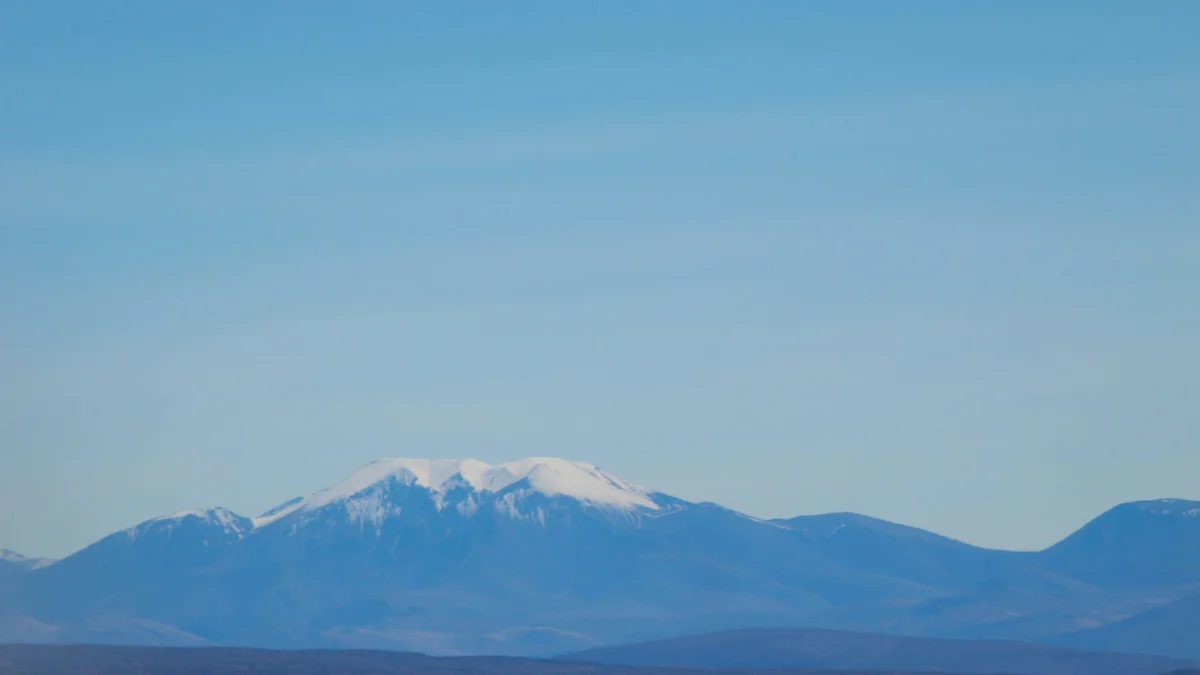
Landmarks associated with the Argentine Puna include the Cono de Arita, a dramatic cone-shaped formation in Salta Province, and a string of high volcanoes such as Socompa, which straddles the Argentina-Chile border. The Salinas Grandes, a vast white salt flat shared between Jujuy and Salta at an average of about 3,450 metres above sea level, covers roughly 212 square kilometres according to Wikipedia. Lithium brine lies beneath its crust, and local Indigenous community leaders have objected to proposed lithium projects, arguing that their rights to use and control the land have been violated.
The Tren a las Nubes, or Train to the Clouds, is a heritage tourist railway on the Salta to Antofagasta line that climbs into the Puna toward San Antonio de los Cobres at about 3,775 metres. Wikipedia describes a line with 29 bridges, 21 tunnels, 13 viaducts, two spirals and two zigzags, though an Argentine press account counts 32 steel bridges, so bridge figures vary, reaching the curved La Polvorilla viaduct at about 4,220 metres. Planning for the railway began in the late nineteenth century, construction officially started in 1921, and the full line opened in 1948. Because operations have changed over the years, it is best to confirm current arrangements with the operator.
The wider region also has deep human history. Before the Spanish conquest the Atacama people lived on the Puna, and the Children of Llullaillaco, three frozen Inca mummies found on the Llullaillaco volcano, are now held in the Museum of High Altitude Archaeology in Salta city rather than on the plateau itself.
The Salta Puna is a place of long distances, thin air and sudden changes of scenery, so visits are usually planned as full days or longer and with attention to altitude. Dress for strong sun, wind and cold nights even in the warmer months. A private guided visit with a driver suits terrain where distances are large and viewpoints are far apart.
See every tour and attraction we cover in Salta.