TorontoOntario · 36 tours
 Niagara FallsOntario · 25 tours
 New York CityNew York · 30 tours
 Las VegasNevada · 8 tours
 San FranciscoCalifornia · 16 tours
 VancouverBritish Columbia · 17 tours
 DubaiUAE · 54 tours
 Abu DhabiUAE · 5 tours
 Buenos AiresArgentina · 23 tours
 AthensGreece · 31 tours
 AucklandNew Zealand · 38 tours
 CancunMexico · 54 tours
No destinations match “”. Try searching all tours instead — that search understands full questions, not just place names.
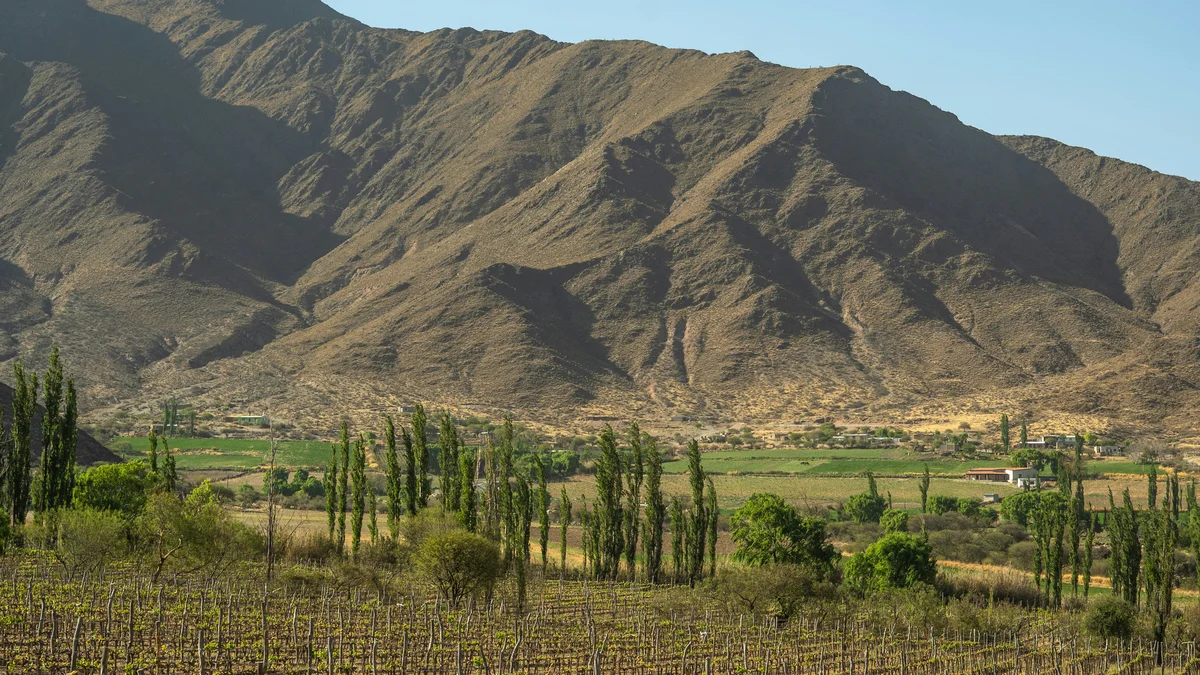
Cafayate is a high-altitude wine region in Salta Province, known for its high-altitude vineyards and the aromatic white Torrontés grape, reached via the dramatic Quebrada de las Conchas.
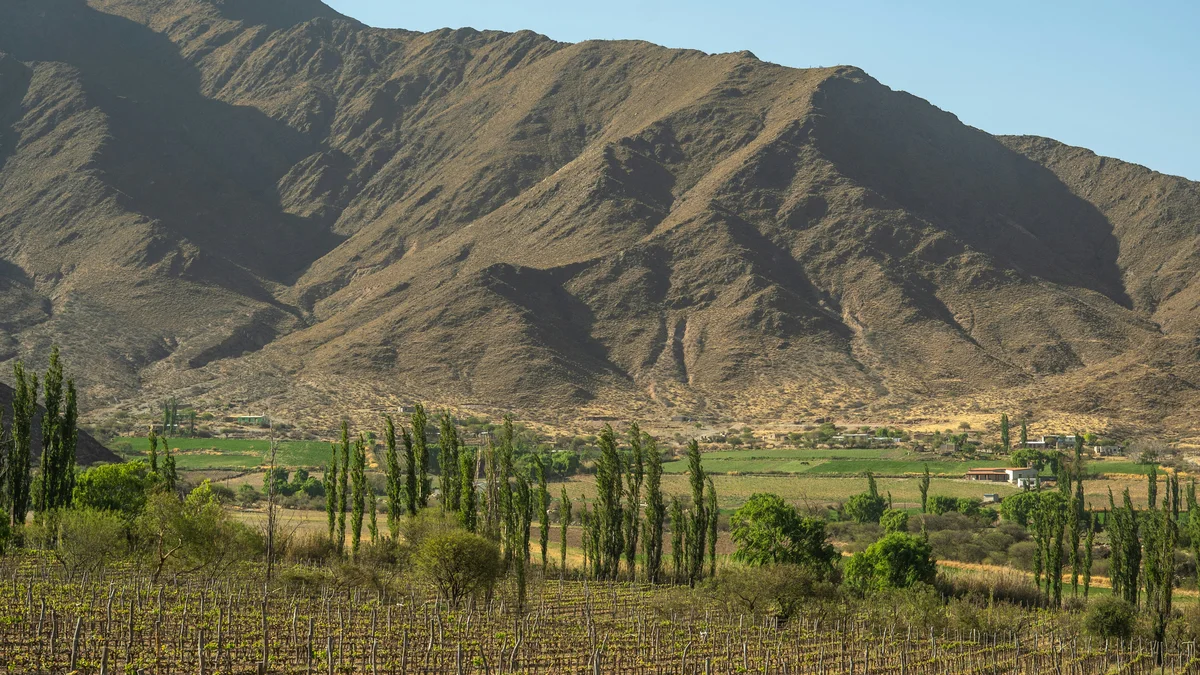 Wine Tours Popular Pick
Maximize your time in Cafayate with a full-day private vineyard tour from Salta — hotel pickup included, a scenic drive through the Quebrada de las Conchas canyon, and tastings of local wines including Malbec, Torrontés, and Tannat at three vineyards in Cafayate.
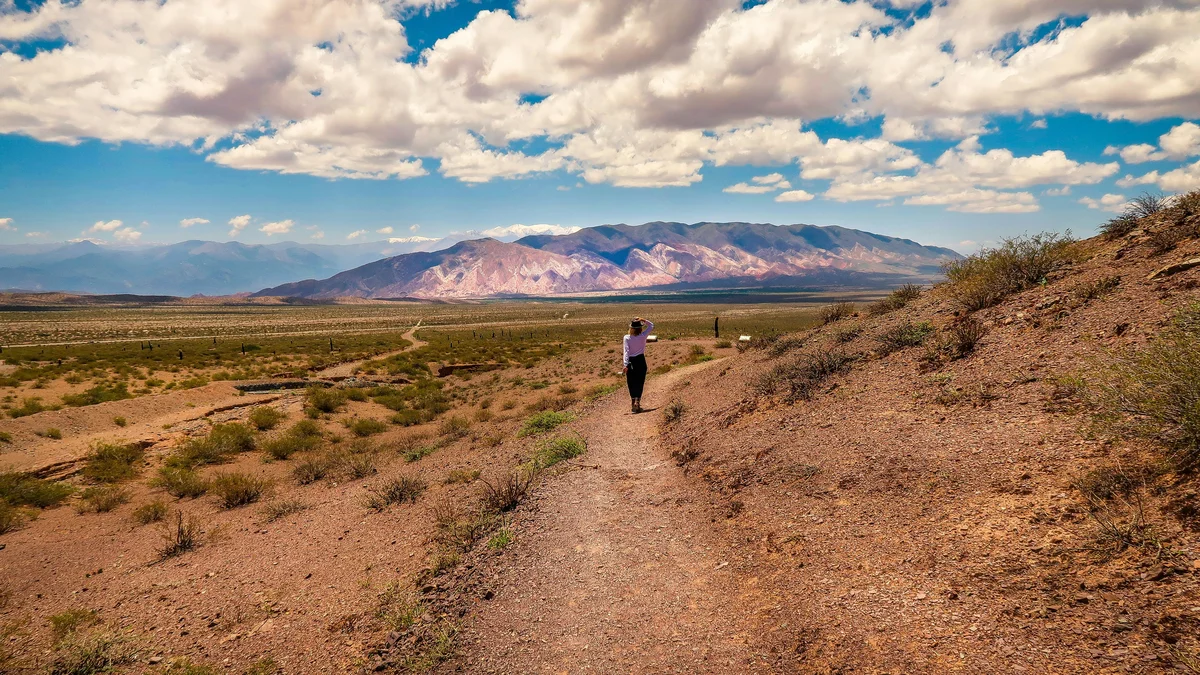 Day Trips
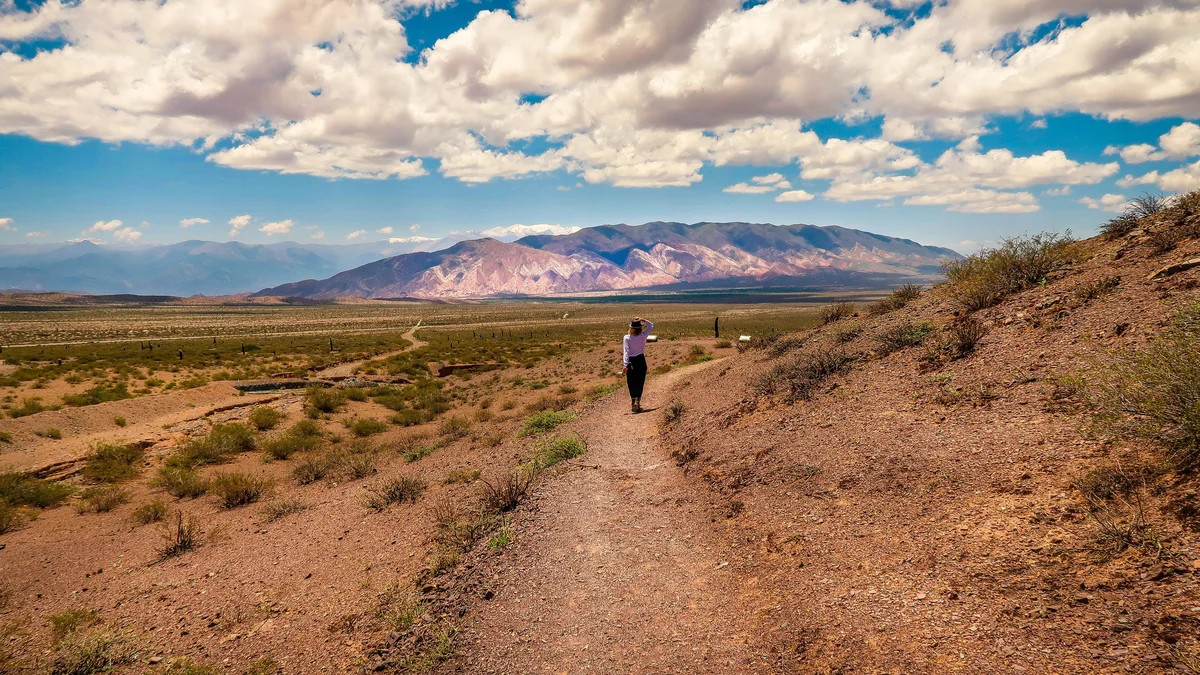
The so-called 'Vuelta a los Valles' is a unique loop covering almost the entirety of the Calchaquí Valleys — from Salta through Cuesta del Obispo and Los Cardones National Park to Cachi, then along Route 40 past the Calchaquí River and historic towns like Molinos, Seclantás, and Angastaco, ending with a night in Cafayate and a morning visiting its wineries before returning through the Quebrada de las Conchas.
Visitor guide
Cafayate is a town in the Calchaquí Valleys of Salta Province, Argentina, known for its high-altitude vineyards and its aromatic Torrontés white wine. The town lies at about 1,683 m above sea level and about 189 km from the city of Salta, close to the colourful rock formations of the Quebrada de las Conchas.
Wikipedia explains that the Cafayates were a tribe of the Diaguita-Calchaquí group who, with the related Tolombón, lived in the valleys before the Spanish arrived. They had come under Inca influence and later mounted fierce resistance to the Spaniards. The origin of the town's name is uncertain and probably derives from the Cacán language of the Calchaquí peoples. Spanish Wikipedia cites several readings, including water box, great lake and grave of sorrows.
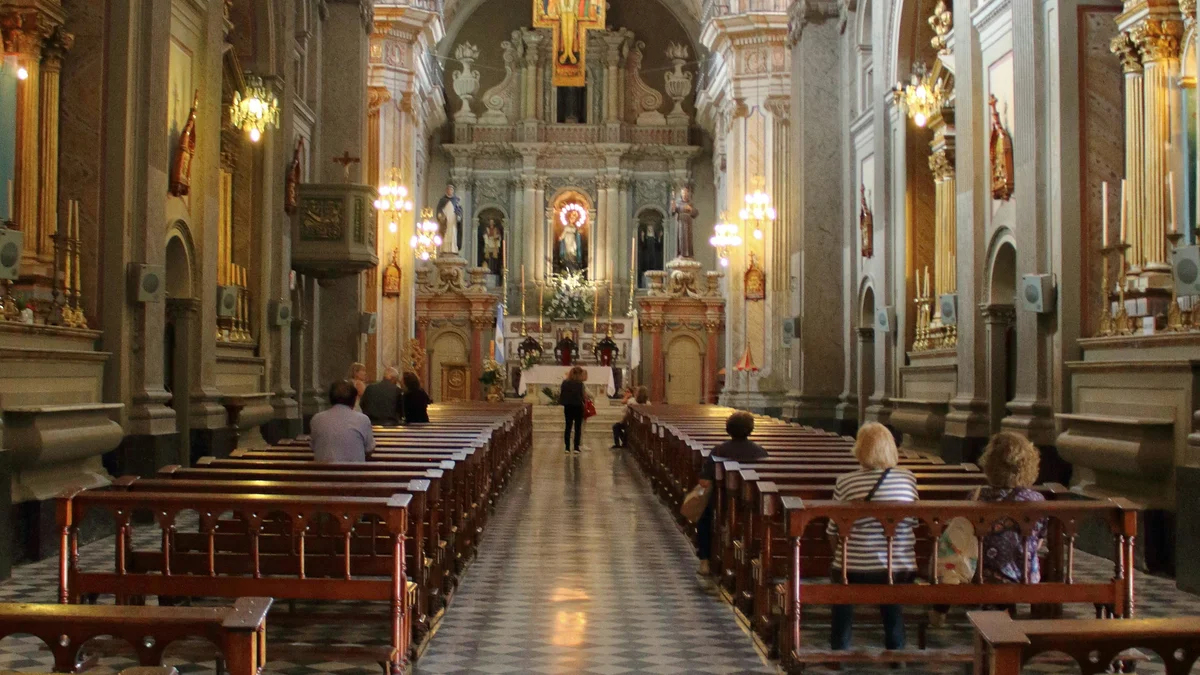
Spanish Wikipedia says the town was founded in 1840 by Colonel Manuel Fernando de Aramburú, who wished to fulfil his mother's wish to offer a sanctuary to the Virgin of the Rosary, and the Cafayate Department separated from San Carlos in 1863. Late in the 19th century the town had around 5,000 inhabitants, and the 2010 census recorded about 14,850 people in the department. Its colonial-style streets and church remain, and the cathedral of the territorial prelature is dedicated to Our Lady of the Rosary. An 18th-century corn mill built by the Jesuits is also listed among the attractions.
Wikipedia states the area benefits from a low-humidity, mild climate with less than 250 mm of precipitation a year. The most characteristic grape is Torrontés, and most wineries in town offer guided tours. Spanish Wikipedia lists the Museo de la Vid y el Vino, the Rodolfo Bravo regional archaeological museum and a craftspeople's walk facing the main square among the sights. The February folklore festival Serenata a Cafayate is held at the Bodega Encantada and is described as the most important festival in Salta Province.
The wider Calchaquí Valley crosses four provinces, and humans have lived there for at least 8,000 years. The Inca Empire conquered it between 1470 and 1480, and local peoples resisted Spanish conquest until 1650. National Route 40 continues 165 km from Cafayate to Cachi, though that stretch is unpaved.
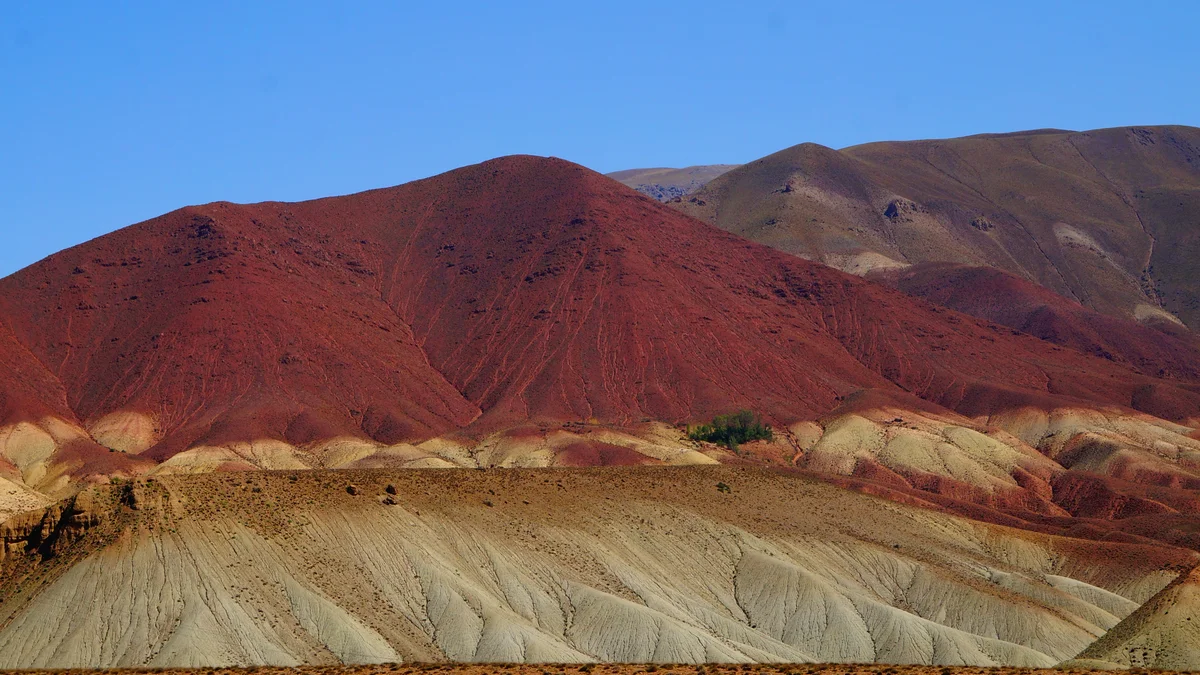
The Quebrada de las Conchas, also called the Quebrada de Cafayate, is a protected natural reserve of about 25,800 hectares declared in 1995, according to Spanish Wikipedia. Its reddish sedimentary walls are the result of tectonic movements within roughly the last two million years, and the river Las Conchas runs through it along the line of the paved National Route 68 between Salta and Cafayate. Named rock forms seen beside the road include El Sapo, Los Castillos, El Fraile and Las Ventanas, with the Garganta del Diablo and the Anfiteatro the best known. The area is also a fossil site, with Cretaceous layers, dinosaur footprints, stromatolites and a fossil-fish deposit at La Yesera. The reserve is an important bird conservation area, and recent archaeological research suggests the Inca road passed a few metres from today's route.
Cafayate combines vineyard visits with the colourful gorge scenery of the Quebrada de las Conchas. Nearby points mentioned include Tolombón, the Río Colorado waterfalls, and the Los Médanos dunes about 7 km from town. A private guided visit with a driver suits the long route from Salta and allows wine tastings without driving.
See every tour and attraction we cover in Salta.