TorontoOntario · 36 tours
 Niagara FallsOntario · 25 tours
 New York CityNew York · 30 tours
 Las VegasNevada · 8 tours
 San FranciscoCalifornia · 16 tours
 VancouverBritish Columbia · 17 tours
 DubaiUAE · 54 tours
 Abu DhabiUAE · 5 tours
 Buenos AiresArgentina · 23 tours
 AthensGreece · 31 tours
 AucklandNew Zealand · 38 tours
 CancunMexico · 54 tours
No destinations match “”. Try searching all tours instead — that search understands full questions, not just place names.
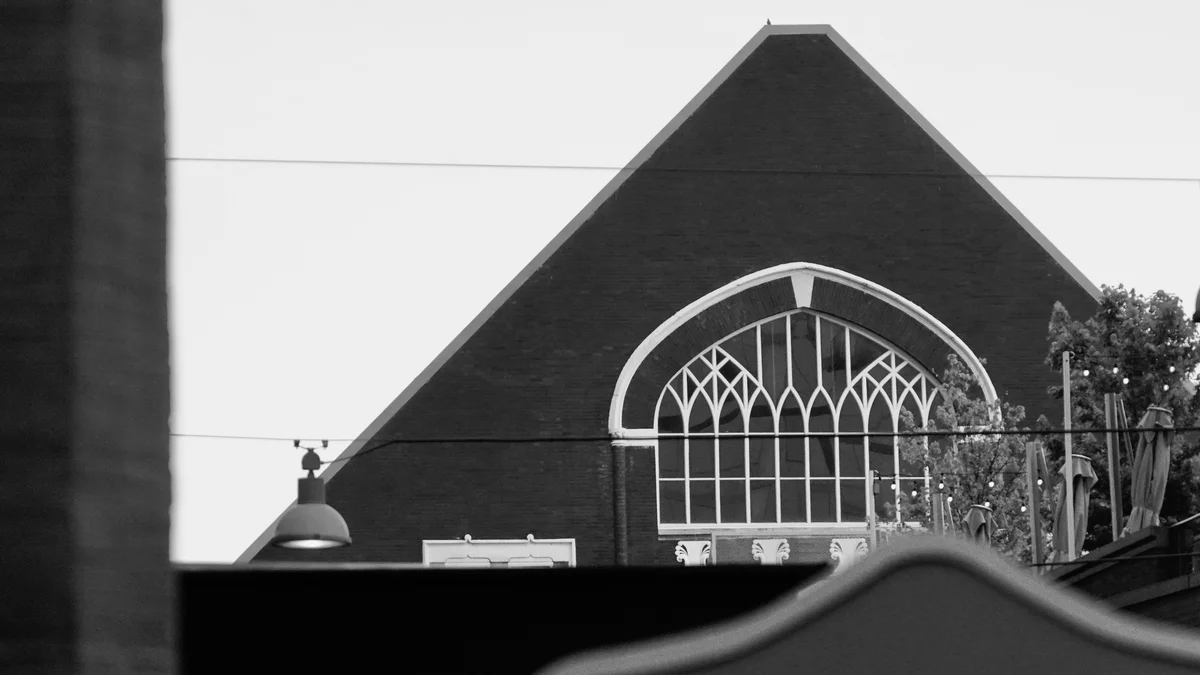
Known as the 'Mother Church of Country Music,' the Ryman was built in 1892 by riverboat captain Thomas Ryman as a tabernacle for revival meetings, which is why its brick facade and soaring Gothic arched windows still resemble a church rather than a concert hall. It served as the home of the Grand Ole Opry from 1943 to 1974, hosting performances by Johnny Cash, Patsy Cline, and Hank Williams on its stage. The auditorium's famous wooden pews and near-perfect acoustics have made it a working live venue again since its 1994 reopening, after the building sat largely unused following the Opry's 1974 departure.
 Private Tours Popular Pick
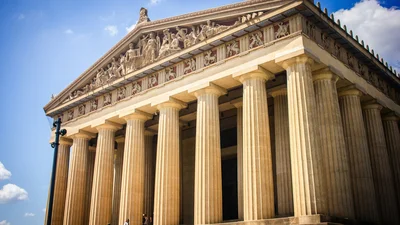
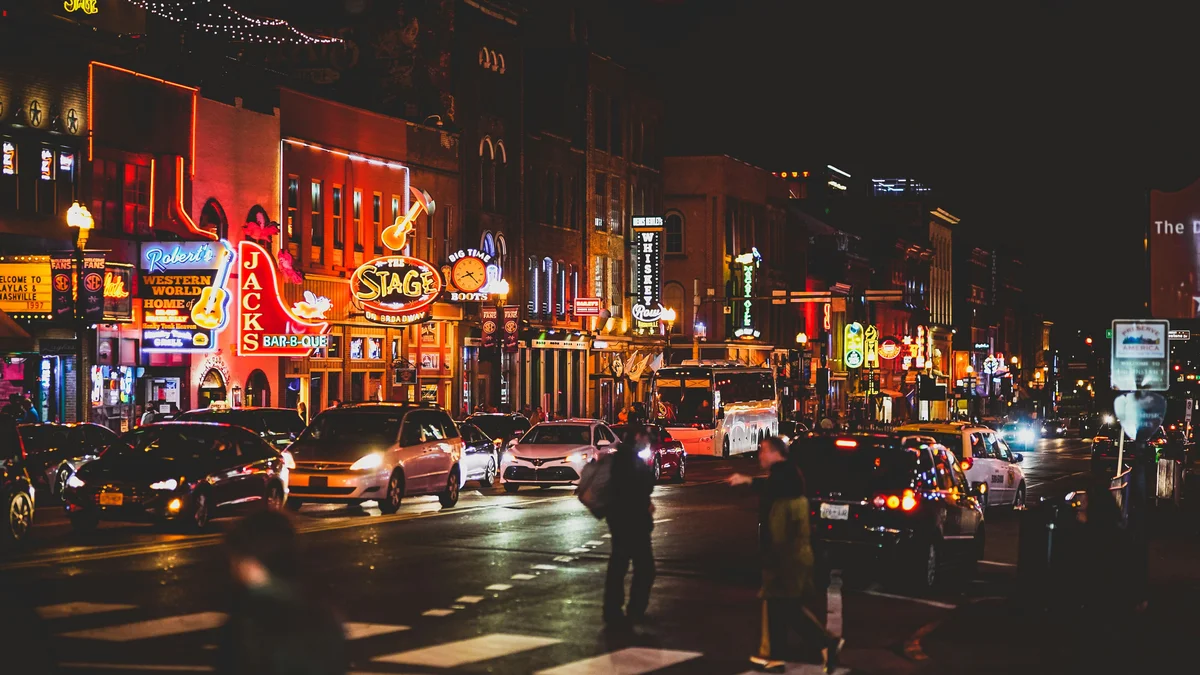
A private tour for your group only (up to 6 guests), led by a real Nashville singer-songwriter — Centennial Park and the Parthenon, Music Row, Broadway's Honky Tonk Row, 12 South, the Gulch, the Bluebird Cafe, and Marathon Village, plus a private performance from your guide.
 Private Tours
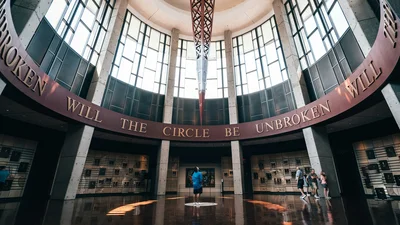
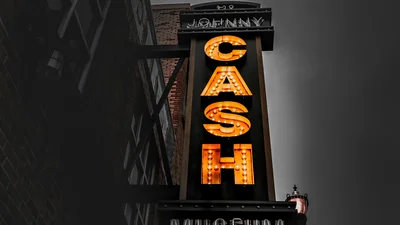
A private group walking tour past downtown Nashville's real landmarks — the Frist Art Museum, the Country Music Hall of Fame and Museum, the Johnny Cash Museum, Honky Tonk Highway, the National Museum of African American Music, and the Ryman Auditorium.
Visitor guide
Ryman Auditorium in downtown Nashville began as a revival tabernacle and became one of the most storied stages in American music. Known as the Mother Church of Country Music, it was the home of the Grand Ole Opry from 1943 to 1974 and is a National Historic Landmark. Today it operates as both a performance hall and a museum offering guided tours.
The building was conceived as the Union Gospel Tabernacle by Thomas Ryman, a Nashville riverboat owner and businessman. Accounts say he attended an 1885 tent revival led by the evangelist Samuel Porter Jones intending to heckle, and was converted instead. Jones preached the first revival on the site on May 25, 1890, when only the foundation and low walls stood. The tabernacle, designed by Nashville architect Hugh Cathcart Thompson in Victorian Gothic style with a steeply gabled roof and tall lancet windows, opened in 1892 at a reported cost of about $100,000. Sources vary on exactly when construction began, with 1885, 1888 and 1891 all appearing.
After Ryman died in 1904, Jones proposed naming the building for him; the name was used informally at first and became official decades later. A balcony was completed for the 1897 Confederate veterans' reunion, and a stage added in 1901 was later enlarged for grand opera productions.
Lula C. Naff began booking events in 1904, became manager in 1920, and filled the hall with lecturers and entertainers. Wikipedia lists among those who appeared the Fisk Jubilee Singers, Helen Keller, Enrico Caruso, Harry Houdini and Louis Armstrong. In 1943 the Grand Ole Opry moved in after outgrowing earlier Nashville venues. During its roughly 31 years at the Ryman, Earl Scruggs made his Opry debut with Bill Monroe's Blue Grass Boys in 1945, a moment tied to the birth of bluegrass. The Opry played its last Ryman show on March 15, 1974, and a circle of the Ryman's stage floor was cut and set into the stage of the new Grand Ole Opry House. The Johnny Cash Show was taped at the Ryman from 1969 to 1971.
After the Opry left, the building stood largely unused for nearly 20 years, and demolition was discussed; preservationists and political leaders helped save it. It was listed on the National Register of Historic Places in 1971. Gaylord Entertainment began renovations in 1989, and in 1991 Emmylou Harris and the Nash Ramblers recorded the live album Live at the Ryman on its stage. A major renovation starting in 1993 added air conditioning and refurbished the original wooden pews for use as seating, and the hall reopened in June 1994. It was designated a National Historic Landmark in 2001, and in 2022 was named a Rock & Roll Hall of Fame Landmark. Sources differ on the day of the 2001 designation.
See every tour and attraction we cover in Nashville.