TorontoOntario · 36 tours
 Niagara FallsOntario · 25 tours
 New York CityNew York · 30 tours
 Las VegasNevada · 8 tours
 San FranciscoCalifornia · 16 tours
 VancouverBritish Columbia · 17 tours
 DubaiUAE · 54 tours
 Abu DhabiUAE · 5 tours
 Buenos AiresArgentina · 23 tours
 AthensGreece · 31 tours
 AucklandNew Zealand · 38 tours
 CancunMexico · 54 tours
No destinations match “”. Try searching all tours instead — that search understands full questions, not just place names.
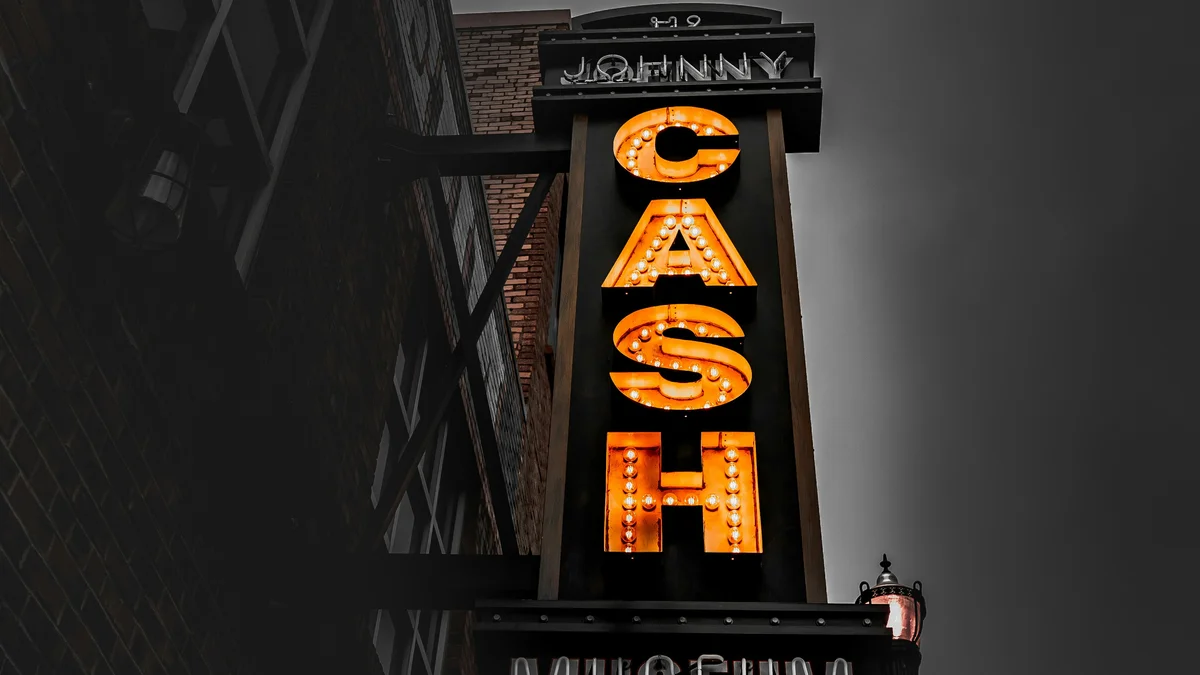
This dedicated downtown Nashville museum holds one of the largest collections of authentic Johnny Cash memorabilia anywhere, from his stage-worn black outfits to personal letters, instruments, and gold records spanning his decades-long career. Exhibits trace his life from his Arkansas upbringing through his Sun Records days, his marriage to June Carter Cash, and his later Grammy-winning American Recordings era. The museum sits just steps from Broadway's honky-tonk strip in the heart of Nashville's entertainment district.
 Private Tours
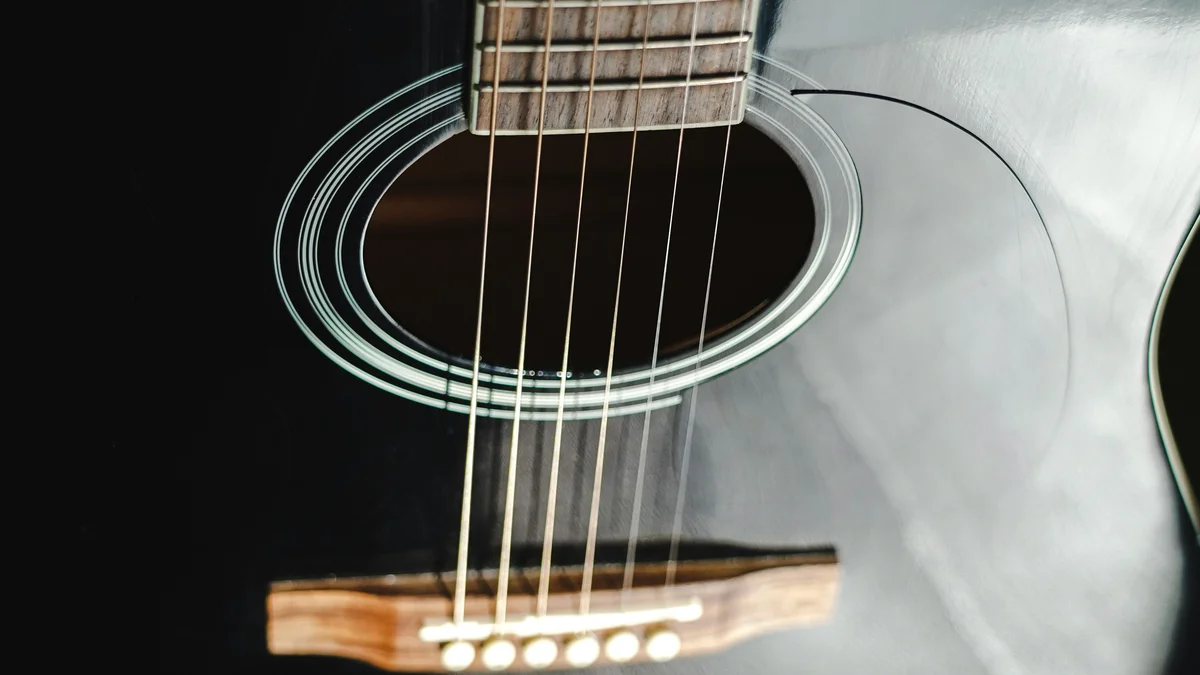
A private tour of the Johnny Cash Museum with a real 5-star licensed guide and skip-the-line admission included, covering Johnny Cash's real career and personal artifacts.
 Private Tours
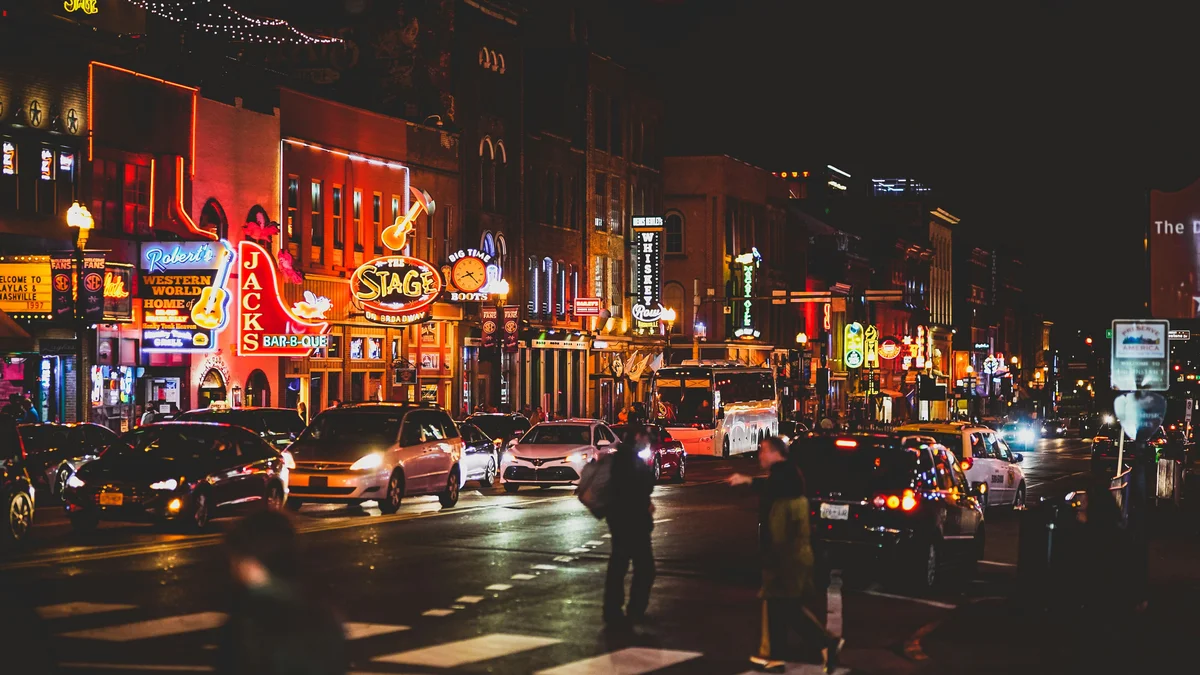
A private group walking tour past downtown Nashville's real landmarks — the Frist Art Museum, the Country Music Hall of Fame and Museum, the Johnny Cash Museum, Honky Tonk Highway, the National Museum of African American Music, and the Ryman Auditorium.
Visitor guide
The Johnny Cash Museum in downtown Nashville opened in spring 2013 and is devoted to the life and career of Johnny Cash. It is officially authorized by his estate and is described as holding the world's largest collection of Cash memorabilia. Exhibits run in chronological order through more than 1,000 artifacts.
The museum was founded by Bill and Shannon Miller, personal friends of Cash who built it around Bill's own collection of memorabilia. Reports say Miller began collecting at age nine after meeting Cash backstage at a concert, and his collection is supplemented by pieces from friends, colleagues and family members. A MusicRow profile says he was moved to create the museum because Cash's gravesite was the only place he could send visitors who wanted to honour the singer's legacy. In 2003 the Richard Nixon Presidential Library used his Cash artifacts for a six-month exhibit marking Cash's 70th birthday, which the profile calls the library's first non-Nixon exhibit. The museum operates under an agreement with the trust that holds Cash's estate.
Sources give opening dates from late April to late May 2013, and Wikipedia says May 2013. The museum is in the SoBro neighborhood of downtown Nashville.
An earlier museum, House of Cash, stood in Hendersonville, Tennessee, closed in 1999 according to one report, and appeared in the music video for "Hurt"; its restored sign is now one of the exhibits. The Nashville museum also holds a stone wall made with stone from Cash's Hendersonville lake house, where he lived from 1968 until his death, and a 2016 expansion added interactive exhibits, including stations for mixing Cash's songs and listening to covers by other artists, plus a green screen for photos with Cash.
The chronology begins in rural Arkansas. Cash was born on February 26, 1932, in Kingsland, Arkansas, to a cotton-farming family, and in March 1935 the family moved to Dyess, a New Deal agricultural colony in the same state. He enlisted in the US Air Force in 1950 and served until July 1954, mostly in West Germany, before moving to Memphis. He made his first recordings for Sun Records in 1955 with the Tennessee Two. Sun, founded by producer Sam Phillips in Memphis on February 1, 1952, was also the first label to record Elvis Presley, Roy Orbison, Jerry Lee Lewis and Carl Perkins, and on December 4, 1956, Presley, Perkins, Cash and Lewis jammed together at its studio in the session later known as the Million Dollar Quartet.
Later chapters cover the albums recorded at Folsom Prison (released 1968) and San Quentin (1969), and his ABC television show, which aired from June 1969 to March 1971. In 1985 he joined Waylon Jennings, Willie Nelson and Kris Kristofferson for the first of three Highwaymen albums, and in the 1990s his work with producer Rick Rubin on the American Recordings series revived his career. Cash died on September 12, 2003, at the age of 71.
The displays follow Cash's story in order. A Sun Records section covers his start at the label and includes items connected to Roy Orbison, Elvis Presley and W.S. "Fluke" Holland, among them Orbison's glasses, a microphone associated with Presley and Holland's drum set. A section called Progression of Sound follows his music across LPs, 8-tracks and CDs, and a TV and film exhibit includes clips from his variety show and from Dr. Quinn, Medicine Woman and Hee Haw, along with props and costumes from the film Walk the Line.
Individual objects include a Martin guitar with a folded dollar bill threaded through the strings, a prison jumpsuit costume, Air Force memorabilia, gold and platinum records, Grammy and CMA awards, and a bag of cotton from his childhood home in Dyess, Arkansas. Quieter personal items include a yearbook page, report cards, a birth certificate, an FFA card, the family piano, handwritten letters and lyrics, and his Bible. In May 2018, Cash's first gold record, for "I Walk the Line," went on display after being recovered from a European collector. The final exhibit plays the music video for "Hurt."
See every tour and attraction we cover in Nashville.