TorontoOntario · 36 tours
 Niagara FallsOntario · 25 tours
 New York CityNew York · 30 tours
 Las VegasNevada · 8 tours
 San FranciscoCalifornia · 16 tours
 VancouverBritish Columbia · 17 tours
 DubaiUAE · 54 tours
 Abu DhabiUAE · 5 tours
 Buenos AiresArgentina · 23 tours
 AthensGreece · 31 tours
 AucklandNew Zealand · 38 tours
 CancunMexico · 54 tours
No destinations match “”. Try searching all tours instead — that search understands full questions, not just place names.
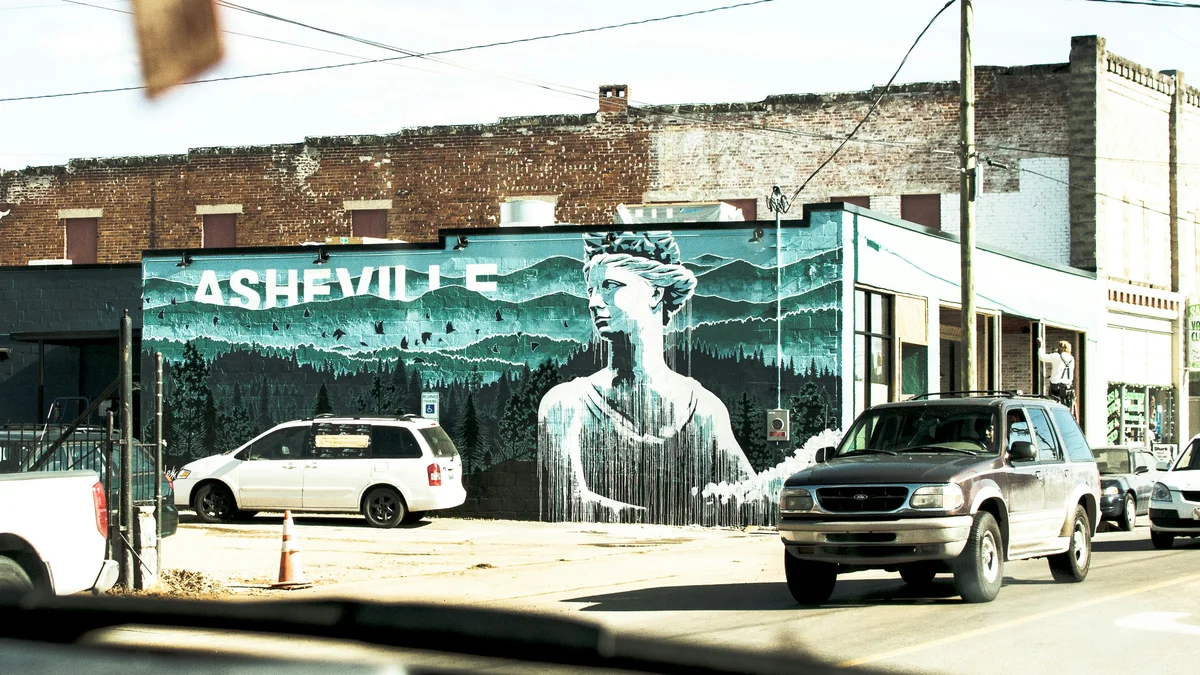
Asheville's River Arts District occupies former industrial warehouses along the French Broad River, now home to hundreds of working artists in repurposed studio spaces. Artists began moving into its former industrial buildings in 1985, and the district has been named Best Arts District in the U.S. in the USA TODAY 10Best Readers' Choice Awards for its resilience and vibrant creative community.
 Private Tours
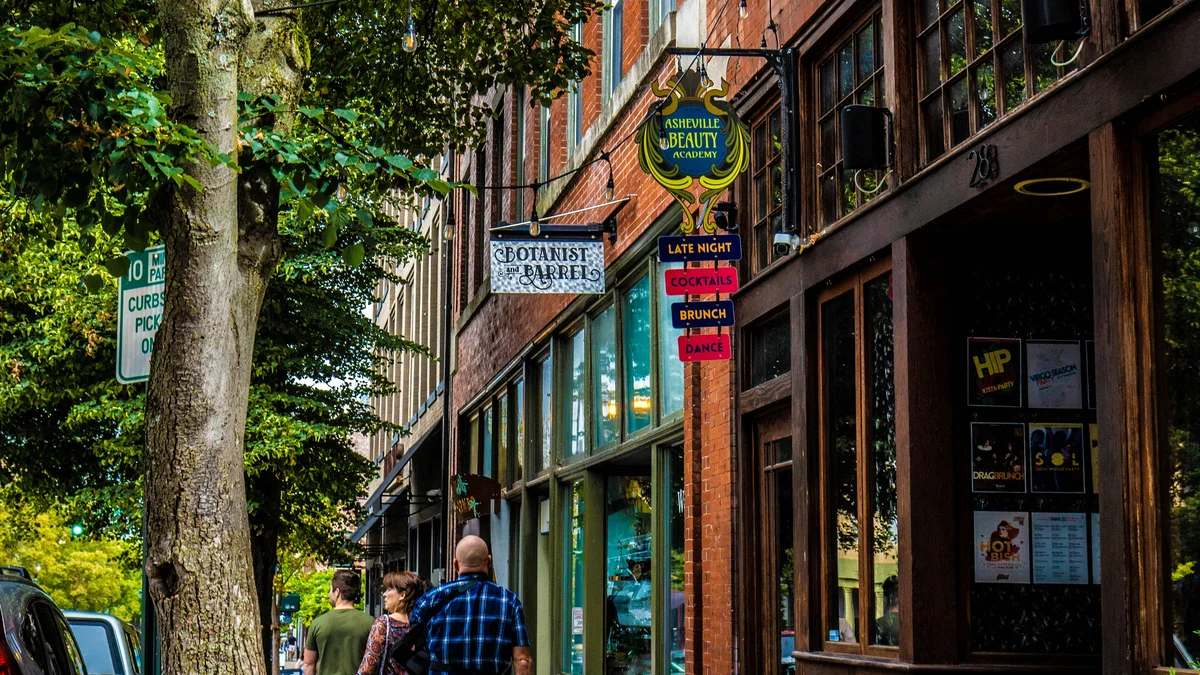
A private, locally-guided walking tour through the Downtown Asheville Art District, Pack Square, the South Slope Brewing District, and the Asheville Art Museum.
 Private Tours
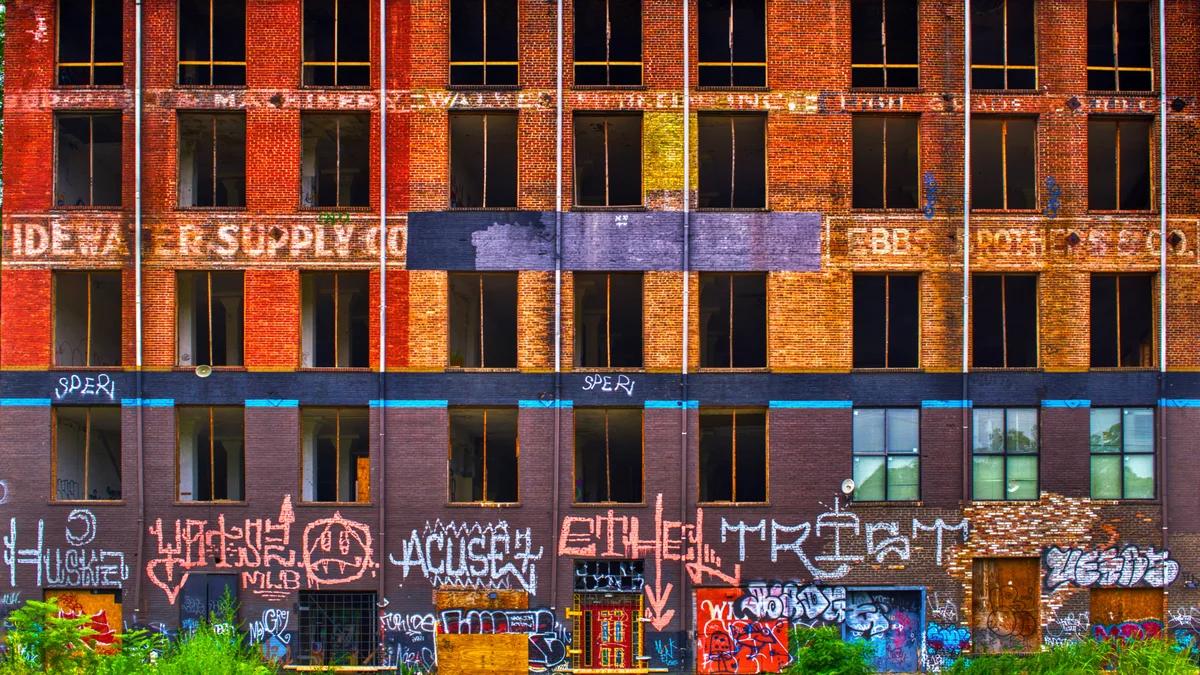
A private guided walk through Asheville's River Arts District, meeting real working artists and watching a glass-blowing demonstration along the way.
Visitor guide
Asheville's River Arts District is a stretch of former mill, warehouse and railroad land on the east bank of the French Broad River, now filled with working artists' studios, galleries, breweries and restaurants. It runs along Riverside Drive east of I-240, from the Lyman Street curve north to the Jeff Bowen Bridge, and along Depot and Roberts Streets.
In the early to mid 1800s the flat riverside land was a trade route, drawing farmers, inns and small stores. The Western North Carolina Railroad reached Asheville in October 1880, and industry soon clustered along the river. The Cotton Mill, which made denim and flannel, was built in 1887, and in 1893 Moses and Caesar Cone took over a local manufacturer and renamed it Asheville Cotton Mills. Nabisco built a large plant on Depot Street in 1907; that building was later converted to studios. The Cotton Mill closed in 1953, and a 1955 fire destroyed most of it, according to River Arts District Artists.
Flooding shaped the area's fate. The 1916 flood destroyed what was left of Riverside Park, an early-1900s amusement ground with a carousel and boat house, and businesses moved to higher ground. Industries continued leaving through the 1940s, and the riverfront fell into neglect.
According to River Arts District Artists, artists began moving into the district in 1985, drawn by cheap, large spaces. RiverLink, a regional nonprofit founded in 1987 by Karen Cragnolin, worked to protect the riverfront and bought Warehouse Studios in 1992. That same year, Pattiy Torno began renovating buildings she had bought in 1989, creating Curve Studios and Garden. In 2003 Marty and Eileen Black bought the Cotton Mill building and moved in artists as Cotton Mill Studios. By 2010 more than 140 studios occupied 16 buildings, and a 2012 River Arts District Studio Stroll opened the studios of about 165 artists in 19 buildings, according to Wikipedia's account. Sources differ on exactly when the first public open-studio event took place, so treat early event dates with caution.
The district's artists' association, River Arts District Artists, was founded in 2013 to connect and advocate for studio artists. Its members work in categories including clay, glass and metal, painting, photography and galleries, and the association lists workshops and classes such as glassblowing and flameworking at spaces like the North Carolina Glass Center on Roberts Street.
Parallel to the arts story is a long effort to reconnect the city with its river. RiverLink's Asheville Riverfront Plan was completed in 1989 and won an American Planning Association award. Utility company CP&L donated about two miles of riverfront in 1991 as the first link in an urban greenway, and the French Broad River Park opened in phases between 1994 and 1999. In 1999 RiverLink raised $1.6 million to buy the closed Asheville Motor Speedway site and turn it into 50-acre Carrier Park. The city later approved a major Riverside Drive redevelopment plan in 2014, supported by a federal TIGER grant of $14.6 million.
Visitors typically spend their time moving between former factories, studios and galleries, where many artists work on site and talk about their process. Because the district stretches along a corridor rather than a single block, a private vehicle and driver with door-to-door pickup, as on a Voyzo tour, makes it easy to hop between clusters of studios without worrying about parking. Studio hours vary by artist and season, and the district's buildings and businesses change over time, so check with the River Arts District Artists association for current studio hours and events before you go.
See every tour and attraction we cover in Asheville.