TorontoOntario · 36 tours
 Niagara FallsOntario · 25 tours
 New York CityNew York · 30 tours
 Las VegasNevada · 8 tours
 San FranciscoCalifornia · 16 tours
 VancouverBritish Columbia · 17 tours
 DubaiUAE · 54 tours
 Abu DhabiUAE · 5 tours
 Buenos AiresArgentina · 23 tours
 AthensGreece · 31 tours
 AucklandNew Zealand · 38 tours
 CancunMexico · 54 tours
No destinations match “”. Try searching all tours instead — that search understands full questions, not just place names.
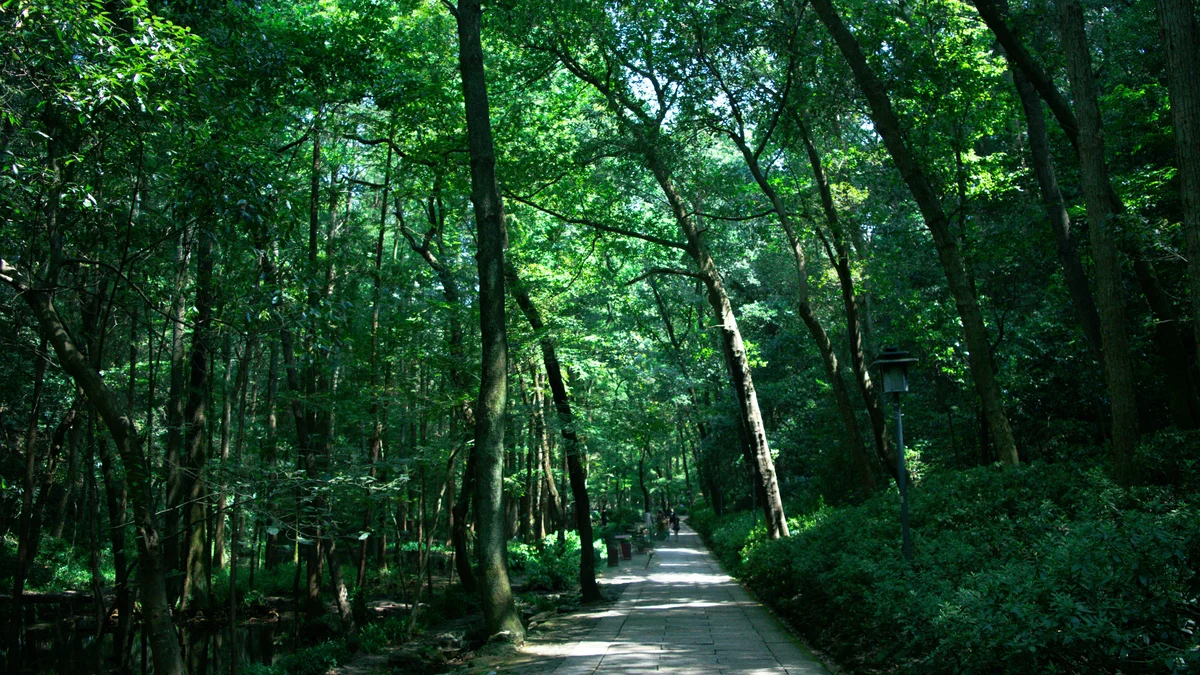
Spanning 434 acres within the Bent Creek Experimental Forest of Pisgah National Forest, the North Carolina Arboretum is a public garden established in 1986 as a facility of the University of North Carolina. It features hiking and biking trails, a bonsai collection, and a stream garden, with an idea for the site tracing back to landscape architect Frederick Law Olmsted in 1898.
Visitor guide
The North Carolina Arboretum is a 434-acre public garden and education center southwest of Asheville, set within the Bent Creek Experimental Forest portion of the Pisgah National Forest near the Blue Ridge Parkway. Established by the state legislature in 1986 as an affiliate of the University of North Carolina System, it combines more than 65 acres of cultivated gardens with forest trails and a mission built around the plants of the Southern Appalachians.
The idea of an arboretum in these mountains goes back to 1898, when landscape architect Frederick Law Olmsted proposed one for the nearby Biltmore Estate. That vision was not realized at the time, but Olmsted's name lives on: the arboretum's address is Frederick Law Olmsted Way, and its design takes inspiration from his approach to landscape.
The North Carolina General Assembly created the modern arboretum in 1986, and the site was formally designated the North Carolina Arboretum in 1989. Its stated purposes are education, conservation and economic development, with a particular focus on protecting the biological diversity of the Southern Appalachian region through horticultural exhibits and public programs. The arboretum describes its tagline as cultivating connections between people, plants and places, and reports reaching roughly 20,000 students a year alongside several hundred thousand annual visitors.
The Baker Exhibit Center serves as the gateway to the gardens and trails. From there, visitors can explore a series of themed plantings. The Bonsai Exhibition Garden was established in 2005 and grew out of a bonsai program that began in 1992, and Arthur Joura has been the bonsai curator since that program began. The specimens include traditional bonsai subjects such as Japanese maple and Chinese elm, a tropical willow leaf fig, and American species such as bald cypress and limber pine, shaped with a contemporary Appalachian garden sensibility as well as traditional bonsai roots.
The Blue Ridge Quilt Garden is a parterre planted to echo quilt patterns traditional in the Blue Ridge Mountains. The Heritage Garden shows plants used in regional crafts such as dye-making, basketry, paper-making and broom-making. The National Native Azalea Collection, a woodland garden, holds azaleas representing nearly every species native to the U.S. along with natural hybrids and selections, and the Arboretum says it is part of the Nationally Accredited Plant Collections. Other plantings include the Cliff Dickinson Holly Garden, the Stream Garden, and the Plants of Promise Garden, which showcases plants being evaluated for suitability in the Southern Appalachian region.
The arboretum also operates the French Broad River Watershed Training Center, which teaches about streambanks, pasture management, stormwater runoff and erosion control, and it lists family-oriented features such as the Rocky Cove Railroad garden railway and the Playing Woods. Among the trees, a stand of dawn redwoods (Metasequoia) planted in 1950 is said to be the tallest of its kind in the South, with trunks over 100 feet.
The arboretum reports more than 10 miles of hiking trails, plus biking trails, linking the gardens with the surrounding forest. Trail conditions, bike access and parking arrangements change, so check the arboretum directly before planning a visit.
A private tour from Asheville suits the arboretum well, because a private vehicle and driver with door-to-door pickup lets your group spend as long in the gardens or on the trails as you like without arranging parking. Check the arboretum for current hours, parking fees and any seasonal events before your date.
See every tour and attraction we cover in Asheville.