TorontoOntario · 36 tours
 Niagara FallsOntario · 25 tours
 New York CityNew York · 30 tours
 Las VegasNevada · 8 tours
 San FranciscoCalifornia · 16 tours
 VancouverBritish Columbia · 17 tours
 DubaiUAE · 54 tours
 Abu DhabiUAE · 5 tours
 Buenos AiresArgentina · 23 tours
 AthensGreece · 31 tours
 AucklandNew Zealand · 38 tours
 CancunMexico · 54 tours
No destinations match “”. Try searching all tours instead — that search understands full questions, not just place names.
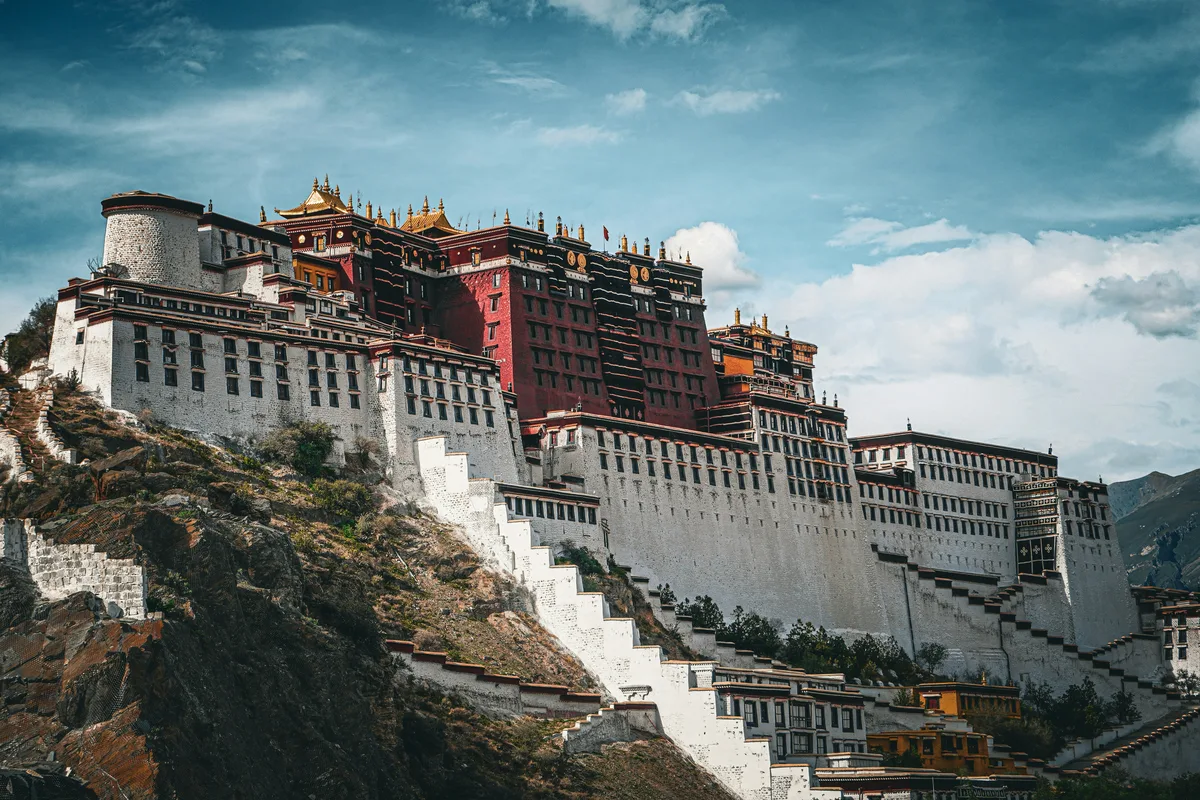
The former winter palace of the Dalai Lamas, a thirteen-story fortress-monastery rising over 300 meters above Lhasa on the Tibetan plateau, and a UNESCO World Heritage Site.
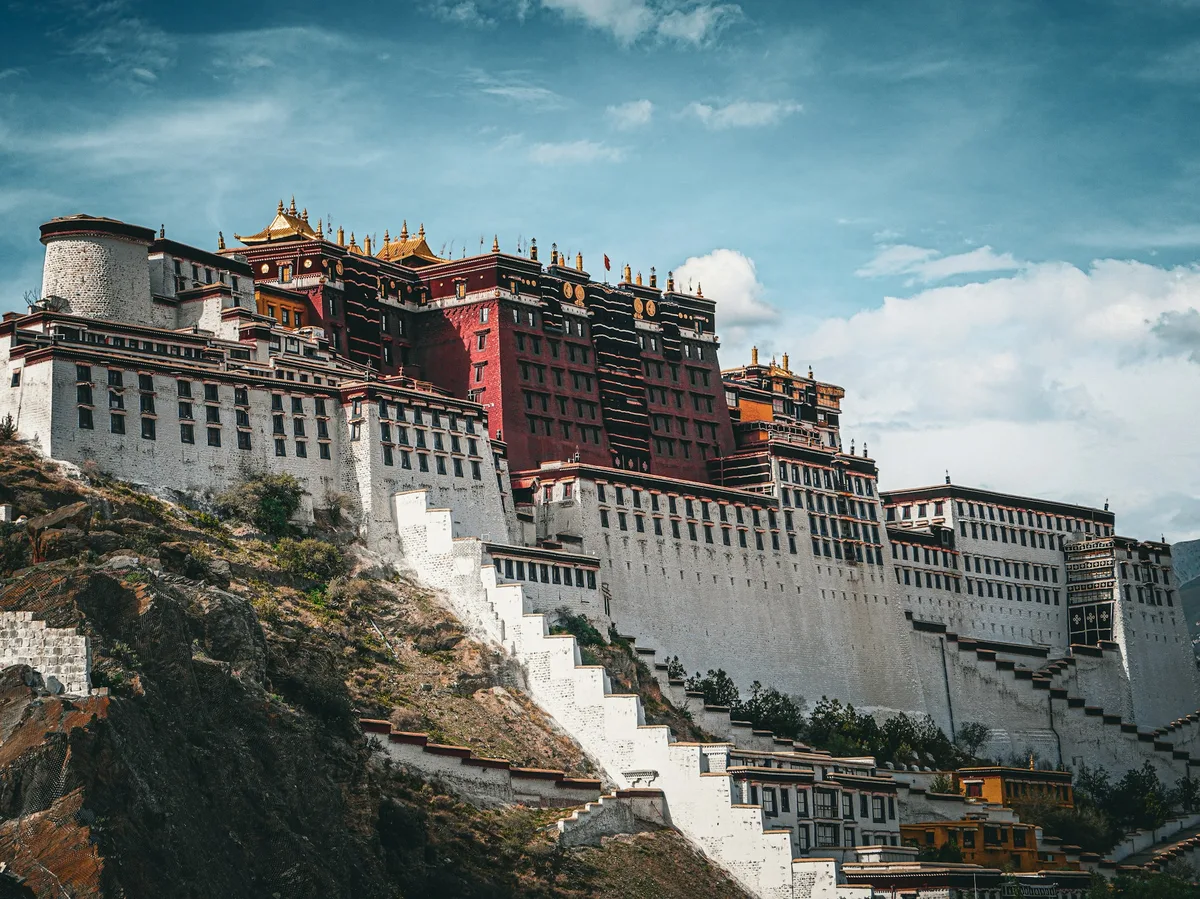 Multi-Day Tours
Twelve days across Tibet's spiritual heart — Lhasa's Potala Palace and Jokhang Temple, Namtso Lake, and a drive toward Mount Everest — guided by local Tibetan experts.
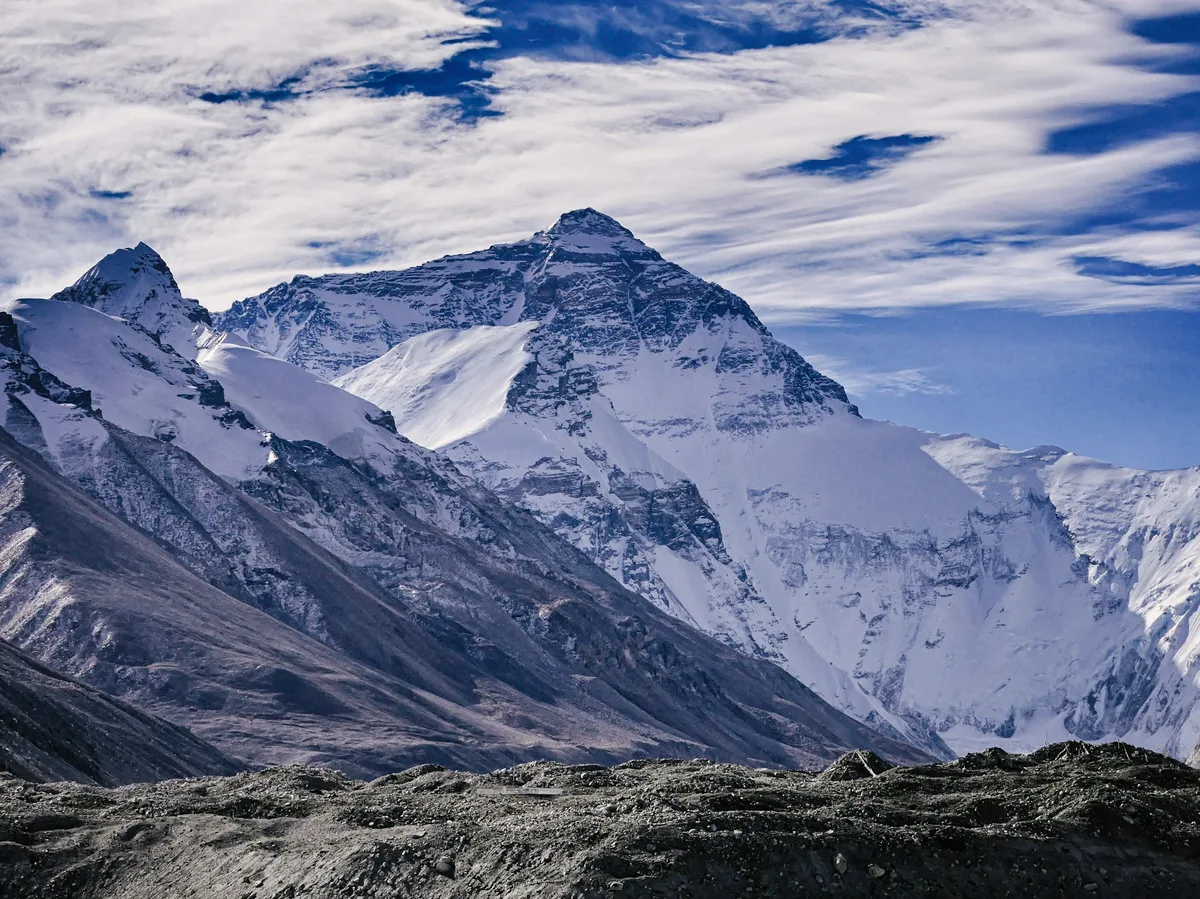 Multi-Day Tours
13 days across central and southern Tibet, from Lhasa's monasteries to Mount Everest Base Camp, following routes shaped by Tibetan pilgrimage.
 Multi-Day Tours
An overland journey along the Sino-Nepal highway — Lhasa's monasteries and Everest Base Camp on the Tibetan side, continuing into Kathmandu, Chitwan, Lumbini and Pokhara.
Visitor guide
The Potala Palace is a museum complex in Lhasa, capital of the Tibet Autonomous Region of China, and was the winter palace of the Dalai Lamas and their residence from 1649 until 1959. Rising 13 stories on Marpo Ri, or Red Hill, in the centre of the Lhasa Valley at about 3,700 metres, it is a UNESCO World Heritage Site inscribed in 1994.
The palace is named after Mount Potalaka, which Buddhist tradition regards as the mythical home of the bodhisattva Avalokiteshvara. The site is tied to an earlier palace attributed to the king Songtsen Gampo, traditionally dated to 637. Two chapels in the northwest corner of the Potala, the Phakpa Lhakhang and the Chogyel Drupuk, preserve parts of that older palace, and the latter is identified as Songtsen Gampo's meditation cave. Tradition holds that Lhasa's three main hills represent the Three Protectors of Tibet, with Marpo Ri representing Avalokiteshvara.
Ngawang Lozang Gyatso, the 5th Dalai Lama, began the modern palace in 1645 on the advice of Konchog Chophel, the 35th Ganden Tripa of the Gelug school. The advisor judged the site ideal because it lay between Drepung and Sera monasteries and the old city of Lhasa. The exterior took about three years, while the interior and furnishings took about 45 years.
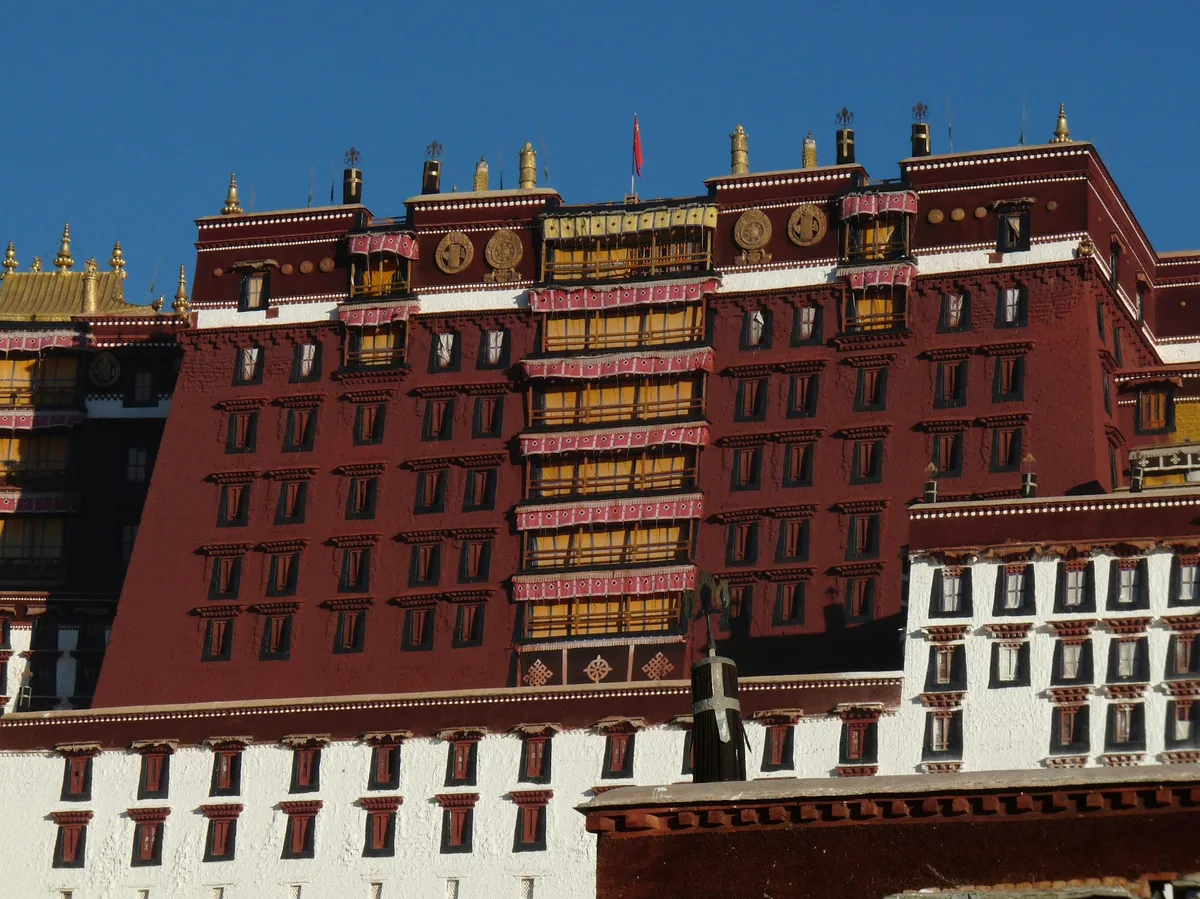
The Dalai Lama and his government moved into the White Palace in 1649. The Red Palace was added between 1690 and 1694, around twelve years after the 5th Dalai Lama's death. The central red section holds the principal halls, chapels and shrines, while the white sections served as living quarters and offices. The colours come from applied limestone.
The palace was built in the dzong style and measures about 400 metres east to west and 350 metres north to south. Its sloping stone walls average 3 metres thick, and 5 metres at the base. Copper was poured into the foundations as protection against earthquakes. According to Wikipedia the palace rises 13 stories, with more than 1,000 rooms, 10,000 shrines and about 200,000 statues, reaching about 117 metres above the hill and more than 300 metres above the valley floor.
UNESCO listed the Historic Ensemble of the Potala Palace, Lhasa in 1994, with extensions in 2000 and 2001. The palace escaped damage during the Cultural Revolution, reportedly through the personal intervention of Premier Zhou Enlai. Restoration work between 1989 and 1994, and again from 2002, aimed to use traditional materials and craftsmanship. UNESCO raised concerns about nearby modern construction, and China responded by barring structures taller than 21 metres in the area.
The palace sits at high altitude, and visitor numbers are controlled by a daily quota, so visits are usually arranged well in advance. A private guide can explain the Buddhist symbolism of the chapels and the history of the Dalai Lamas. Details of access and permits for Tibet can change, so they should be confirmed when planning a trip.
See every tour and attraction we cover in China.