TorontoOntario · 36 tours
 Niagara FallsOntario · 25 tours
 New York CityNew York · 30 tours
 Las VegasNevada · 8 tours
 San FranciscoCalifornia · 16 tours
 VancouverBritish Columbia · 17 tours
 DubaiUAE · 54 tours
 Abu DhabiUAE · 5 tours
 Buenos AiresArgentina · 23 tours
 AthensGreece · 31 tours
 AucklandNew Zealand · 38 tours
 CancunMexico · 54 tours
No destinations match “”. Try searching all tours instead — that search understands full questions, not just place names.
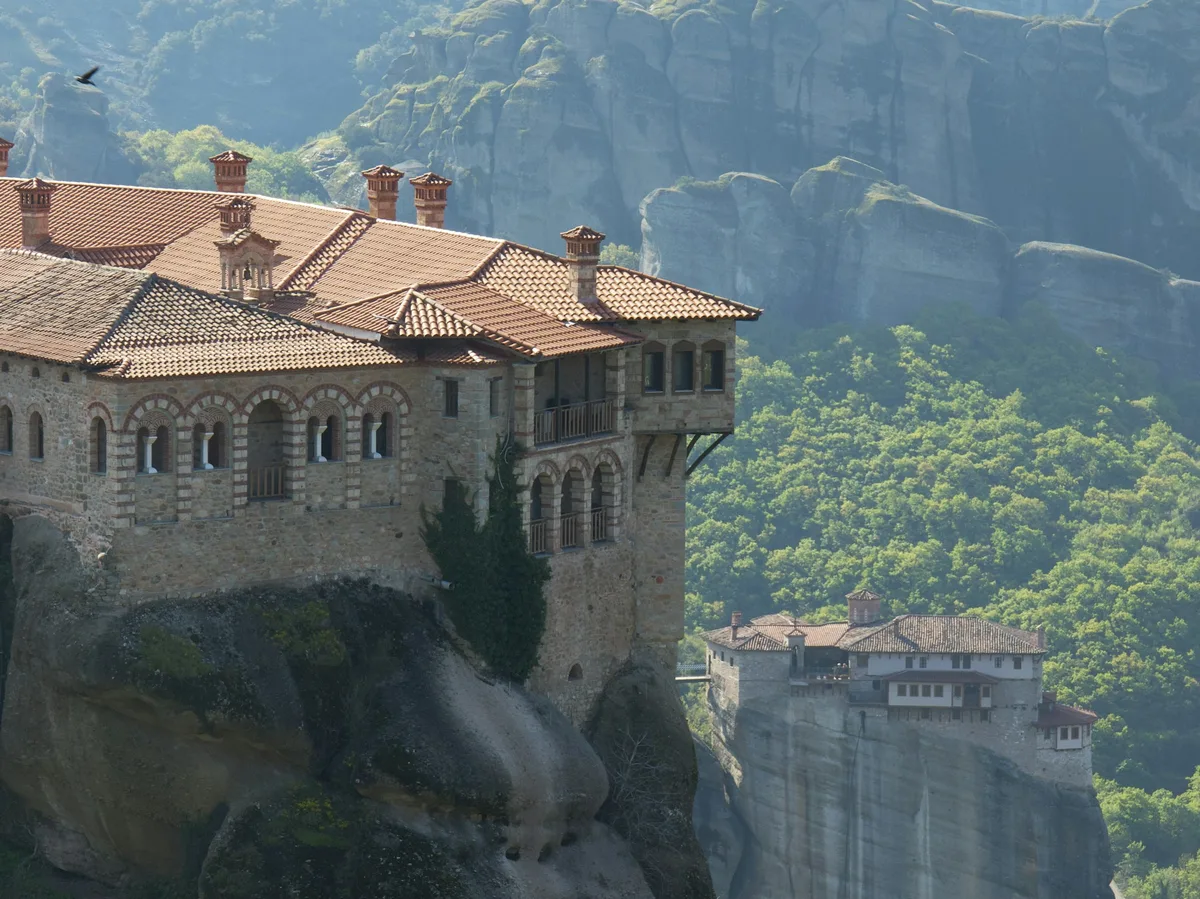
A UNESCO World Heritage complex of Eastern Orthodox monasteries built atop towering sandstone rock pillars in central Greece, among the country's most important monastic centers.
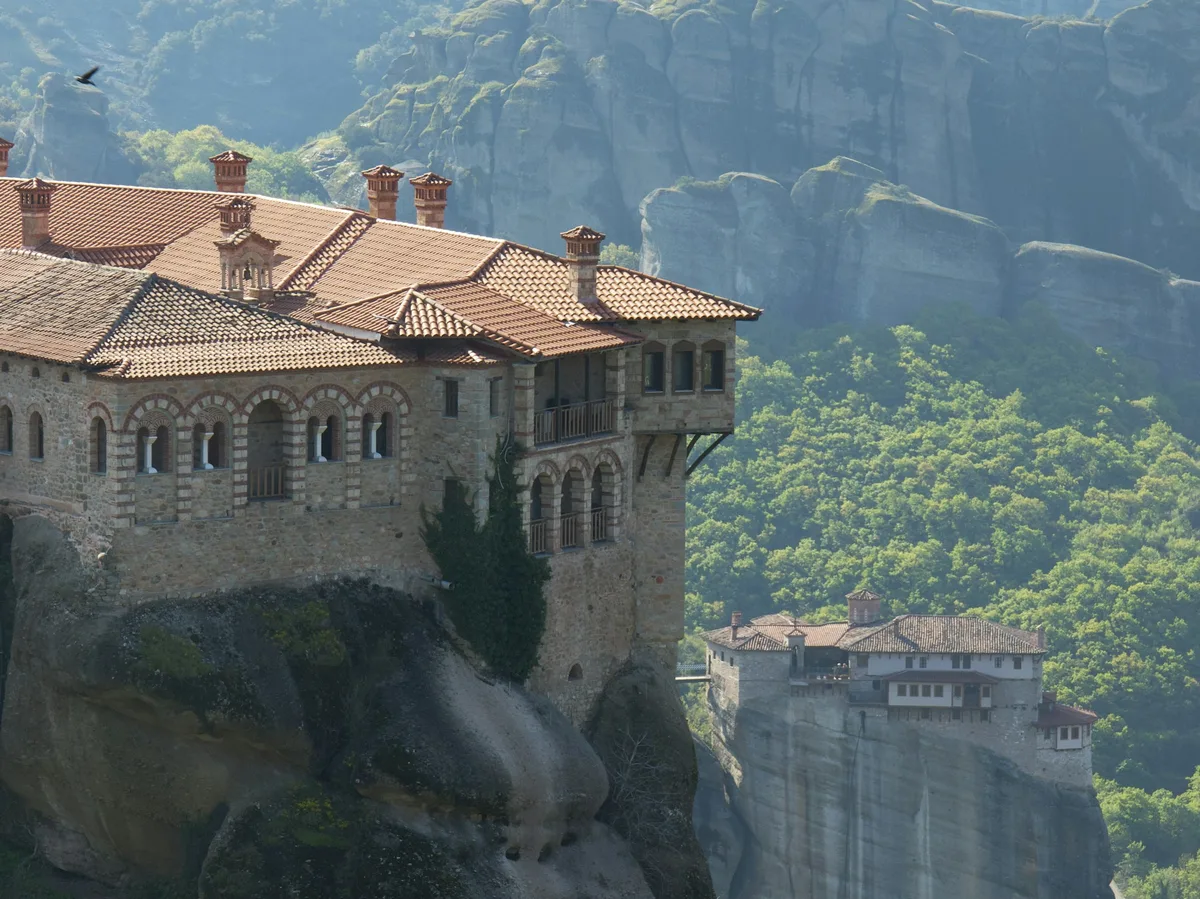 Multi-Day Tours
A 12-day mainland circuit from Athens through Delphi, the Meteora monasteries, the remote Zagori villages and Vikos Gorge, ancient Olympia, and the Peloponnese coast to Monemvasia and Nafplio.
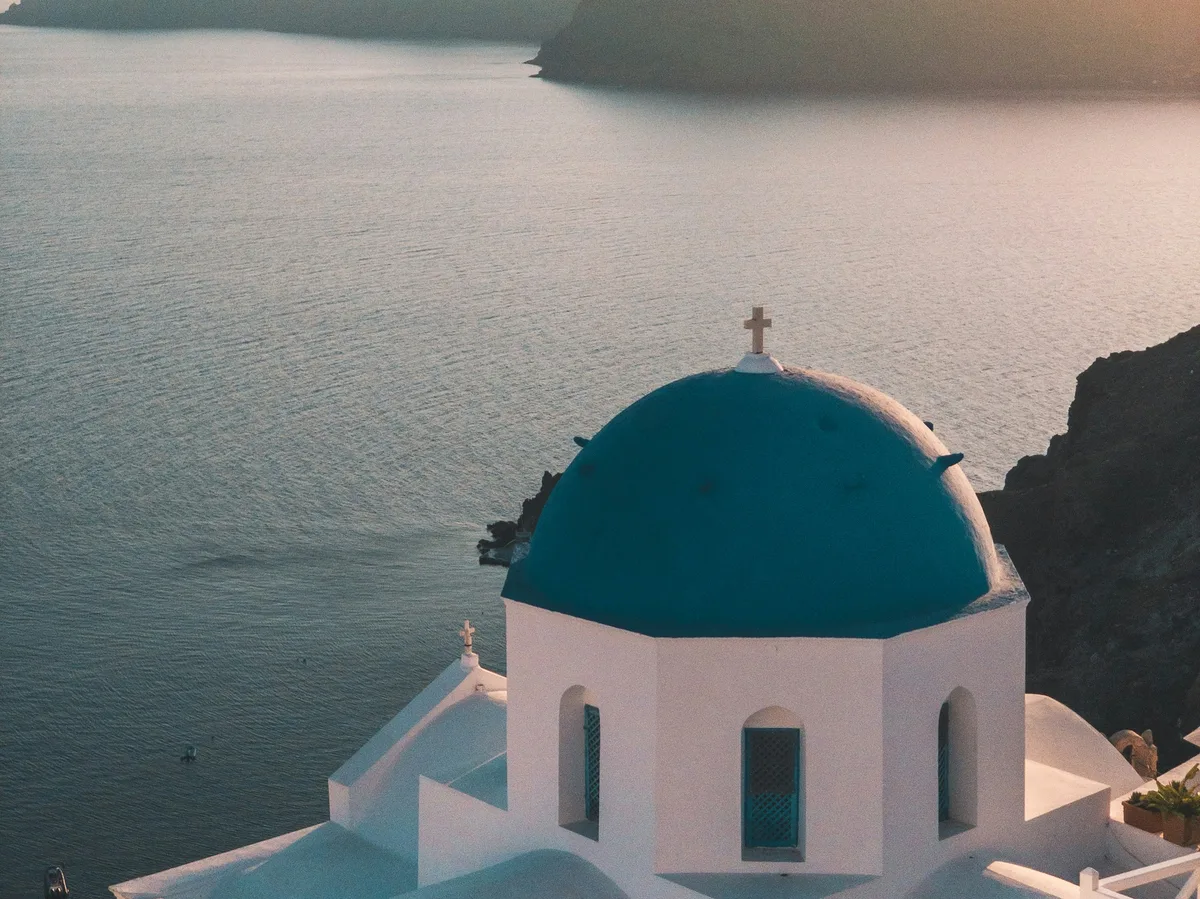 Multi-Day Tours
A comprehensive 16-day journey from Athens through Olympia, Delphi, Meteora, and Thessaloniki on the mainland, then Mykonos, Santorini, and Crete by ferry — the essential grand tour of Greece.
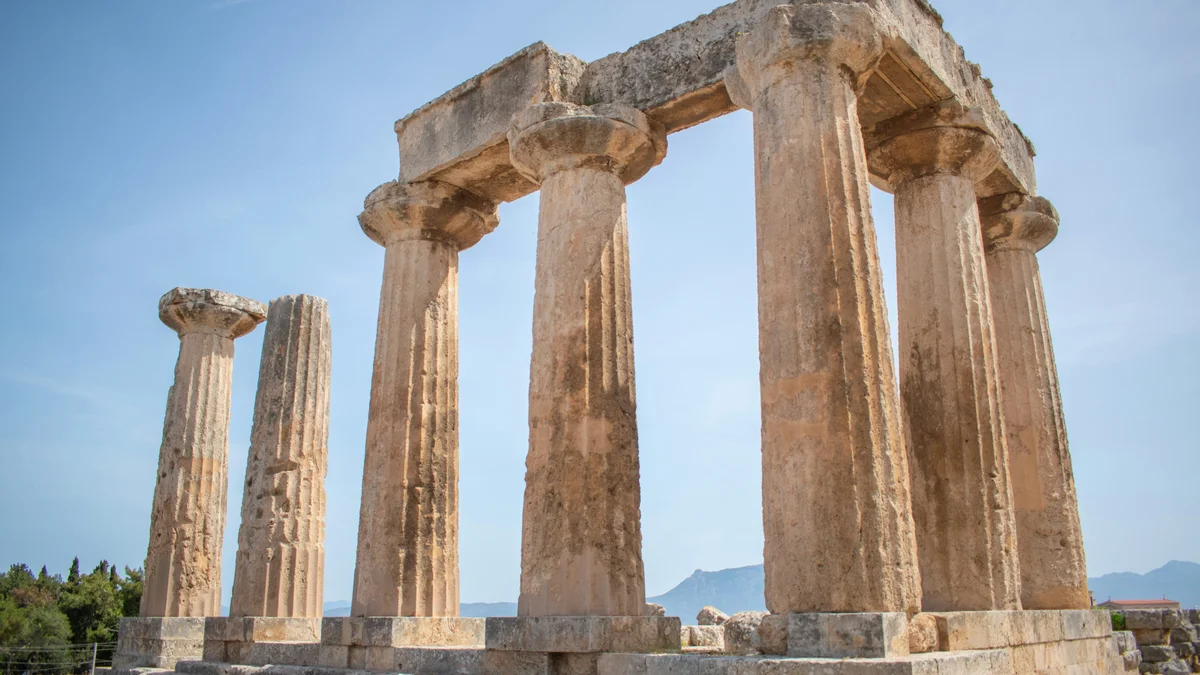 Multi-Day Tours
An 11-day faith-focused journey from Thessaloniki to Philippi — where Paul founded the first Christian church on European soil — through Vergina, Meteora, and Athens, ending at ancient Corinth.
 Multi-Day Tours
A 14-day deep dive into mainland Greek history from classical Athens through Cape Sounio, the Nemea wine region, Mycenae, Olympia, Delphi, Meteora, and Byzantine Thessaloniki, with food experiences woven throughout.
Visitor guide
The Meteora monasteries are a group of Eastern Orthodox monasteries built on and among towering sandstone and conglomerate pillars in the Trikala regional unit of Thessaly, in northwestern Greece. Inscribed as a UNESCO World Heritage Site in 1988, the complex is one of Greece's most important monastic centres and a rare union of religious devotion and dramatic landscape.
The pillars rise more than 20 metres from the plain, and the rock is a mixture of sandstone and conglomerate rather than the volcanic rock often assumed. Wikipedia explains that the conglomerate formed from stone, sand and mud carried by streams into a delta at the edge of a lake over millions of years. Around 60 million years ago, earth movements lifted the seabed into a high plateau and created vertical fault lines, and water, wind and temperature extremes then weathered the rock along those faults to leave the isolated pillars.
Human presence in the area is far older than the monasteries. Caves nearby, including Theopetra Cave, were inhabited between roughly 50,000 and 5,000 years ago. Meteora does not appear in classical Greek myth or literature, and the first documented post-Neolithic inhabitants were ascetic hermit monks.
Hermit monks moved up to the pinnacles from about the 11th century, living in hollows and fissures in the rock and gathering for worship on Sundays and special days at a chapel near the rock called Dupiani. By the late 11th and early 12th centuries a monastic settlement known as the Skete of Stagoi had formed around the church of Theotokos.
Monasteries proper were built mainly from the 14th century, as monks sought refuge from growing instability. In 1344 Athanasios Koinovitis, who came from Mount Athos and became known as Athanasios the Meteorite, brought followers to Meteora, and from 1356 to 1372 he founded the Great Meteoron on the Broad Rock. The local ruler Simeon Uros, who proclaimed himself Emperor of Serbs and Greeks in 1356, protected and sponsored the community. UNESCO says there were 24 monasteries towards the end of the 15th century, and many were built or renovated in the 16th century, and their architecture is largely Athonite in origin.
Six monasteries remain in the complex recognised by UNESCO. The Great Meteoron is the oldest and largest. Varlaam, founded in the 14th century and rebuilt in 1517 by the brothers Theophanes and Nektarios Apsarades, is the second largest and holds a museum of relics. The others are Rousanou, St Nicholas Anapausas, Holy Trinity and St Stephen, the last of which became a convent of nuns in 1961. Sources differ on how many are currently active, and each houses only a small community.
Access was deliberately difficult in the past. Visitors and supplies were raised in nets and baskets on ropes, or climbed long ladders lashed together, and ropes were reportedly replaced only when they broke. In the 1920s steps were cut into the rock and a bridge was built from the neighbouring plateau, making the complex far easier to reach. Queen Marie of Romania visited in 1921 and became the first woman allowed into the Great Meteoron.
UNESCO listed Meteora in 1988 under cultural criteria i, ii, iv and v as well as a natural criterion, recognising both its architecture and its setting. The Holy Trinity monastery appears in the 1981 James Bond film For Your Eyes Only, and the rocks have featured in other films, including Boy on a Dolphin from 1957. A private guided visit suits the site, as the monasteries are scattered among the rocks and each has its own approach and character.
See every tour and attraction we cover in Greece.