TorontoOntario · 36 tours
 Niagara FallsOntario · 25 tours
 New York CityNew York · 30 tours
 Las VegasNevada · 8 tours
 San FranciscoCalifornia · 16 tours
 VancouverBritish Columbia · 17 tours
 DubaiUAE · 54 tours
 Abu DhabiUAE · 5 tours
 Buenos AiresArgentina · 23 tours
 AthensGreece · 31 tours
 AucklandNew Zealand · 38 tours
 CancunMexico · 54 tours
No destinations match “”. Try searching all tours instead — that search understands full questions, not just place names.
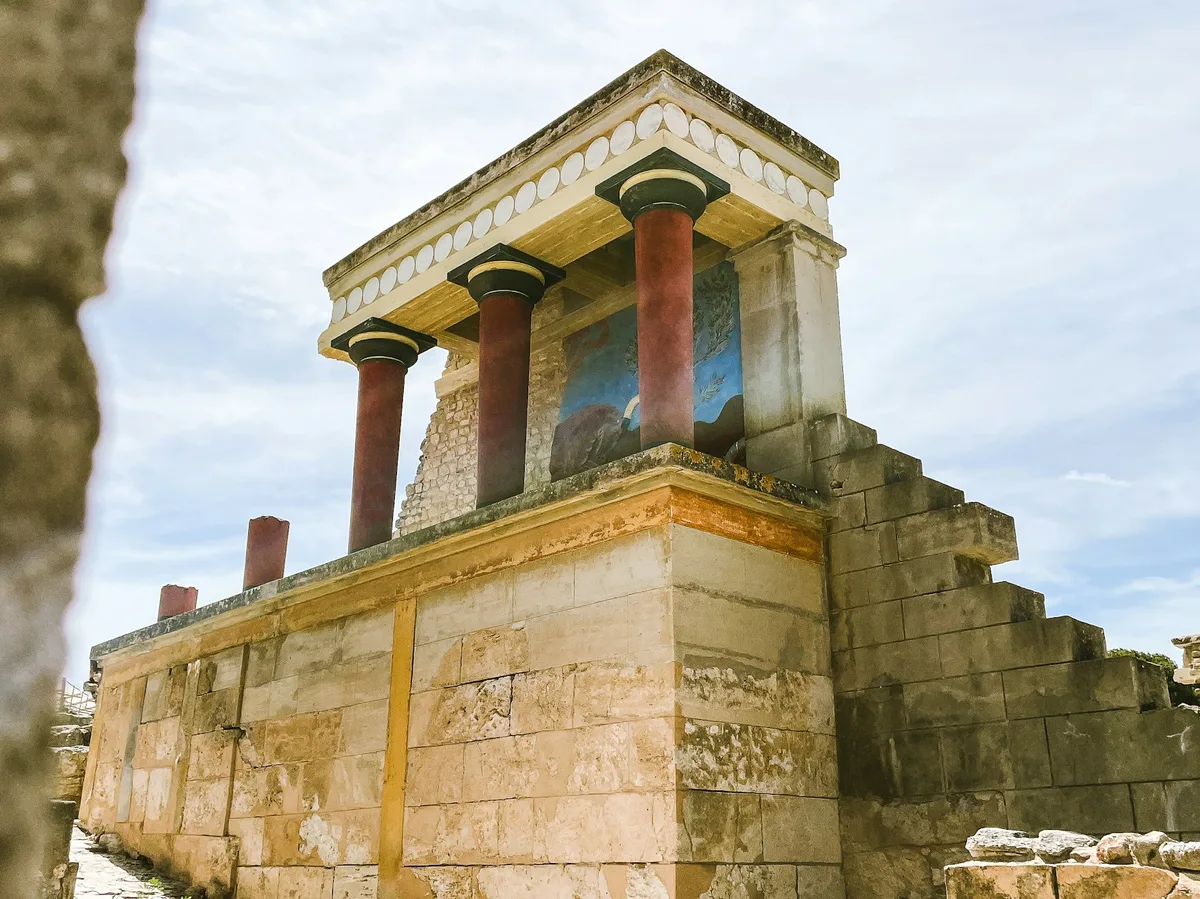
The largest Bronze Age archaeological site on Crete, dating to around 1900 BC, once the ceremonial and political center of the Minoan civilization and linked in myth to the Minotaur.
 Multi-Day Tours Popular Pick
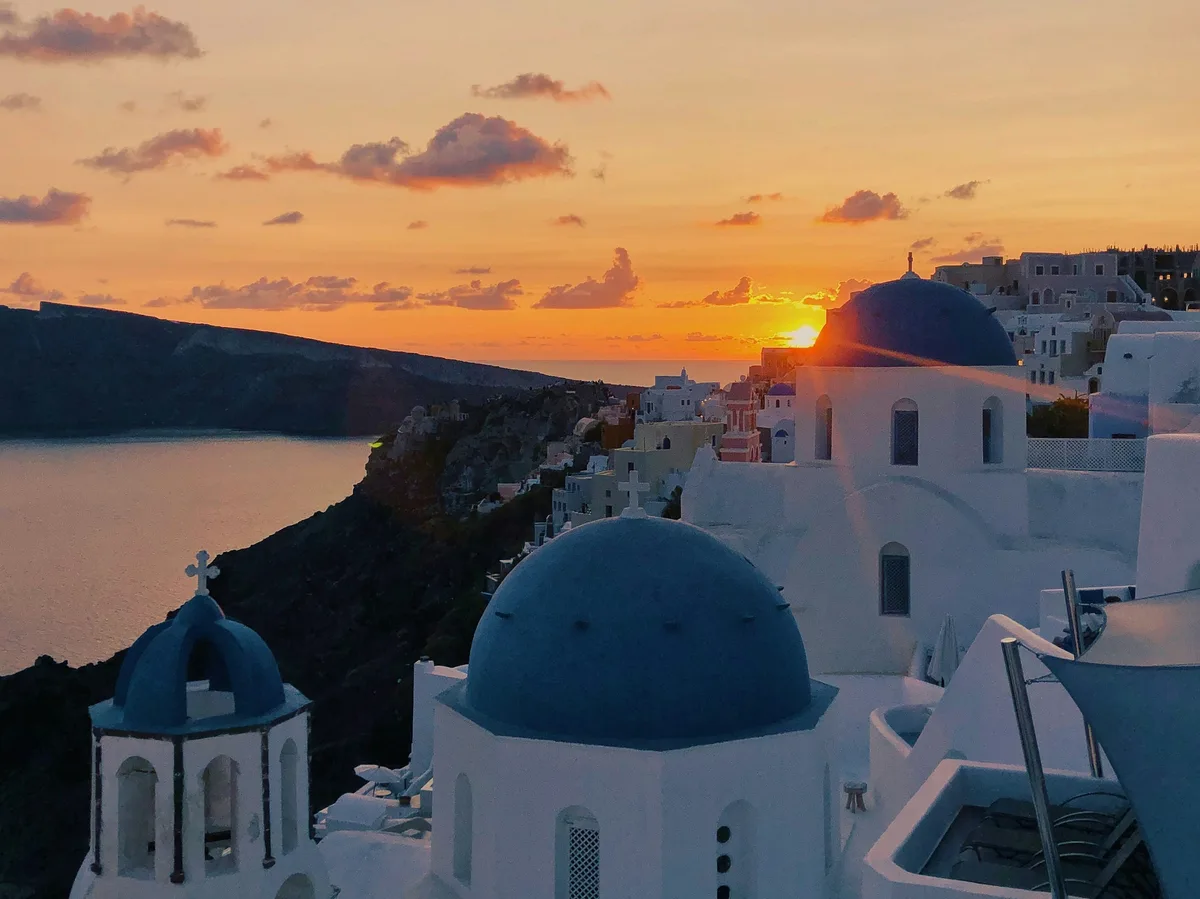
A 10-day island-hopping circuit from Athens through Mykonos, Delos, Paros, Santorini, and Crete, closing with a final day back in the capital — ferries between every island, Acropolis included.
 Multi-Day Tours
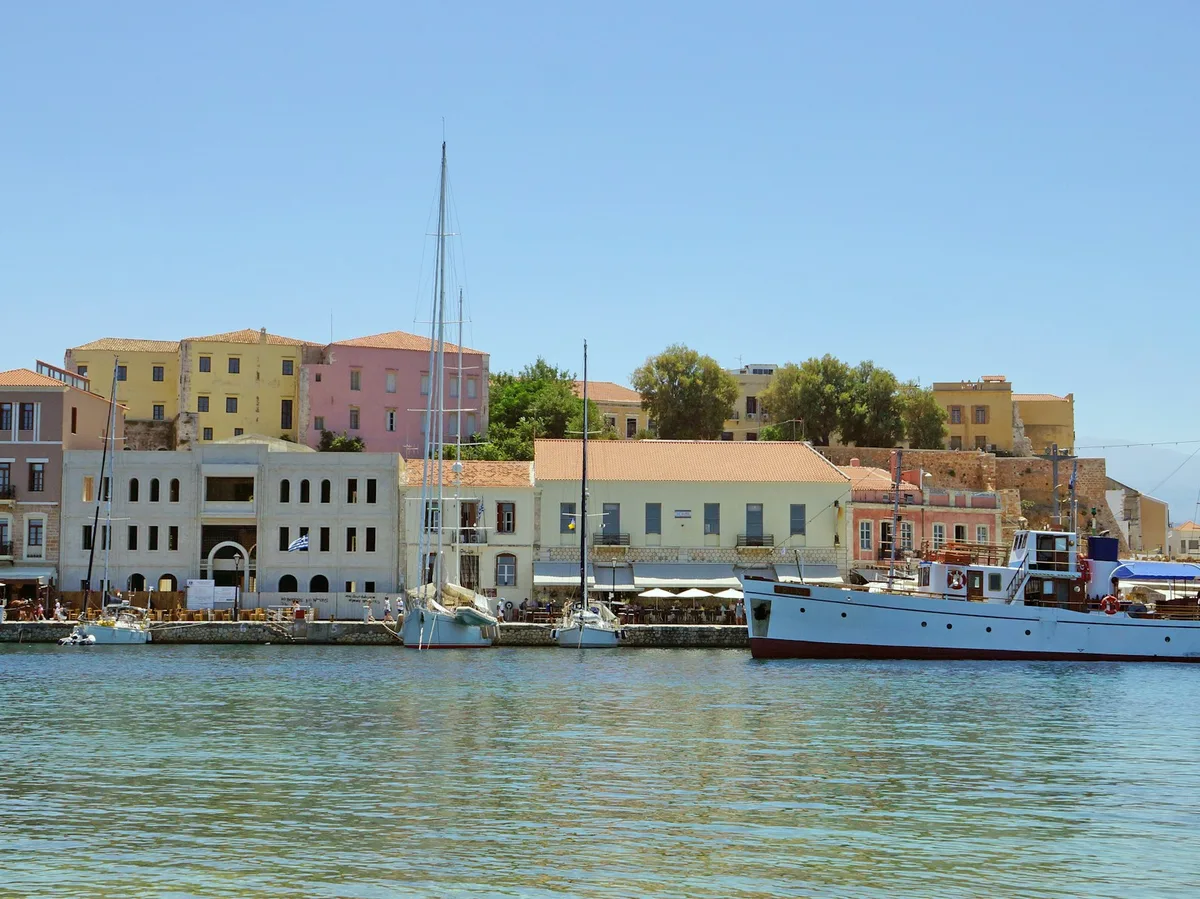
An 8-day loop entirely around Crete — Chania's Venetian Old Town, the Fortezza of Rethymno, the fortress island of Spinalonga, and the Palace of Knossos — never leaving the island.
 Multi-Day Tours
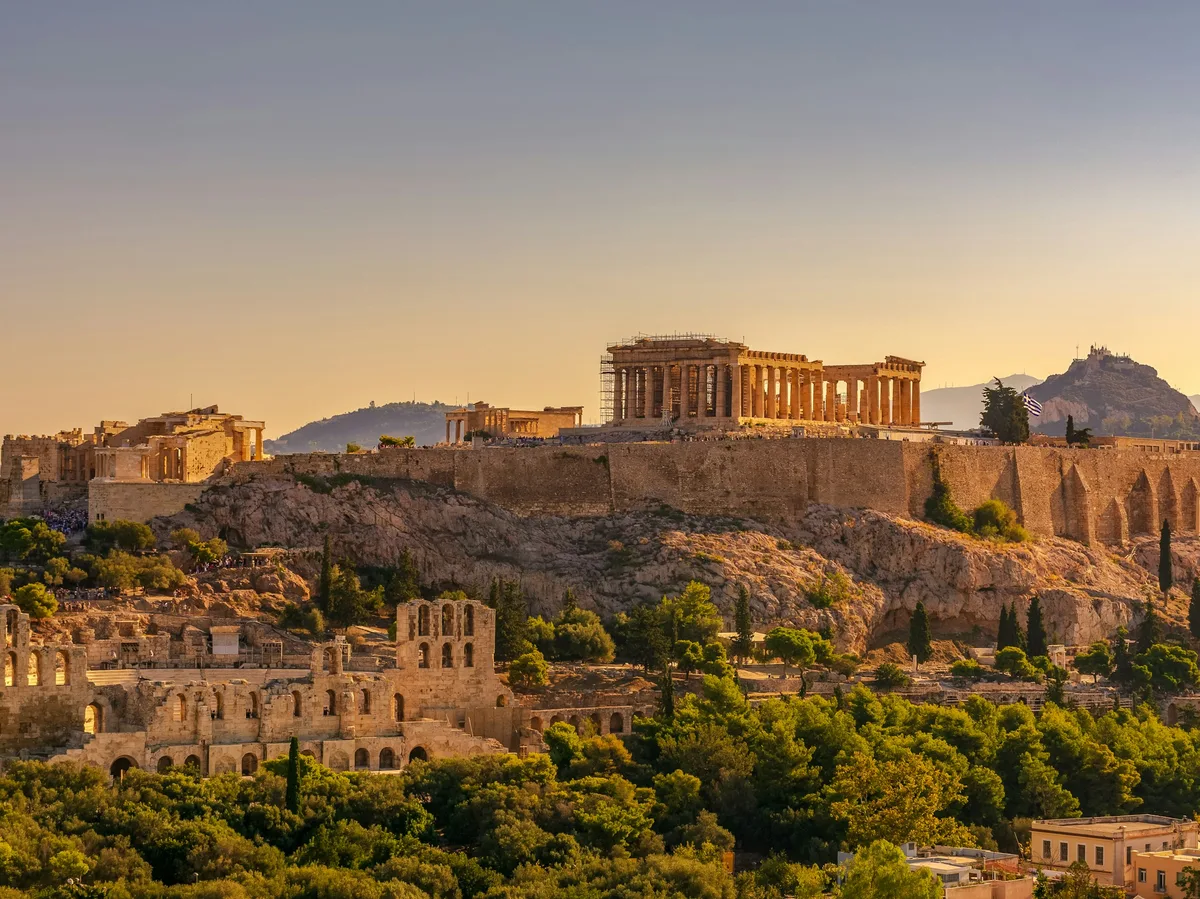
A 10-day autumn-season circuit from Athens to Mykonos, Santorini, and Crete by high-speed ferry and domestic flight, built around the smaller shoulder-season crowds at the Acropolis and the islands.
 Multi-Day Tours
An 11-day family-paced route from Athens through a family-friendly hike of Imbros Gorge on Crete, a hands-on Cretan cooking class, and a Santorini catamaran cruise, with options built around children.
 Multi-Day Tours
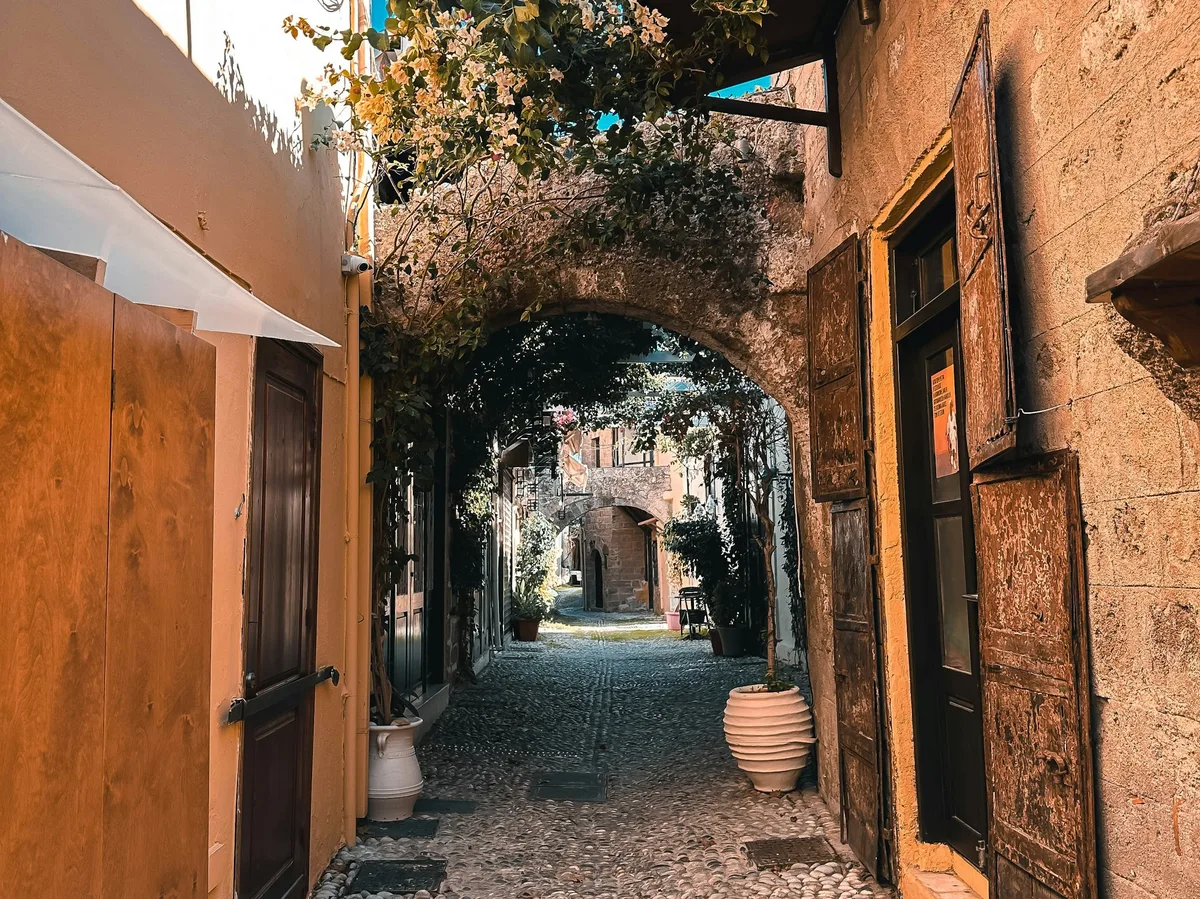
A 12-day route from Athens to Crete, then on to the medieval Old Town of Rhodes and the beaches and history of Kos, Hippocrates' island, connecting mainland history with the Dodecanese.
Visitor guide
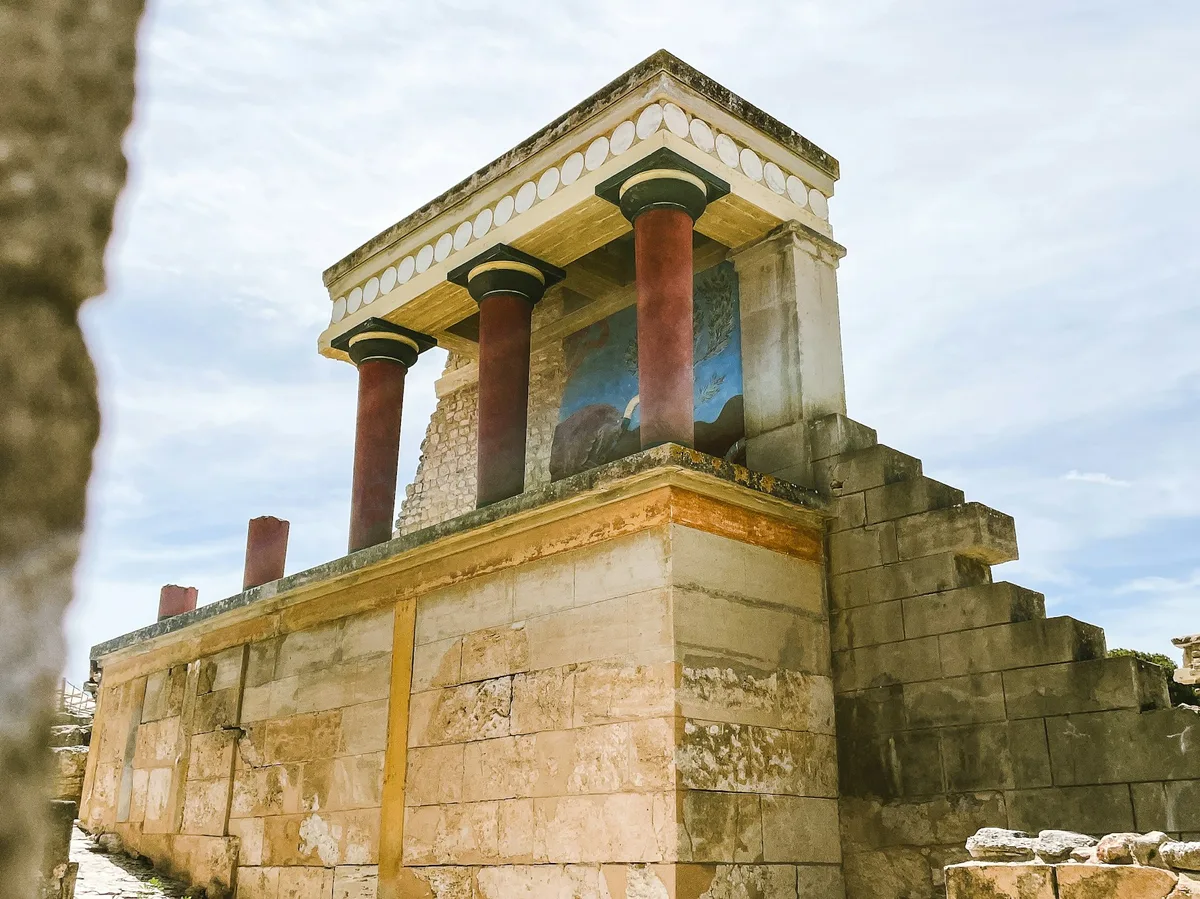
The Palace of Knossos is the main archaeological site of Minoan civilisation on the Greek island of Crete, lying on Kephala hill in the Kairatos valley about five kilometres south of the centre of Heraklion. It was the largest and best-known centre of the Minoan world, and in Greek myth it is the setting of the Labyrinth and the Minotaur.
According to Wikipedia, settlement on Kephala hill began around 7000 BC, making Knossos one of the earliest known Neolithic settlements on Crete. The community farmed, kept animals and made crafts, and it kept growing through the third millennium BC. During the Prepalatial period, roughly 3000 to 1900 BC, the settlement became more complex, with craft specialisation, wider exchange and greater social differences.
The first palace was built around 1900 BC on a platform made by levelling earlier structures. An earthquake or series of seismic events probably destroyed it around 1700 BC, and it was rebuilt on a larger scale. The Second Palace period, roughly 1700 to 1450 BC, was the height of Minoan Knossos, with a central court, monumental entrances, staircases, storerooms, light wells, drainage systems and wall paintings. The palace was partly destroyed around 1450 BC, and a major destruction is conventionally dated to about 1350 BC, though the chronology is still debated.
After about 1450 BC Knossos became an important Mycenaean administrative centre. Its clay tablets in the Linear B script record an early form of Greek and document control over land, labour, livestock, textiles and offerings. The decipherment of Linear B by Michael Ventris and John Chadwick showed that the tablets were written in Greek, which changed scholars' understanding of Late Bronze Age Crete.
The Cretan merchant and antiquarian Minos Kalokairinos made the first modern excavation in 1878 and 1879, exposing part of the west wing and storage magazines holding large pithoi. Arthur Evans began large-scale excavation in 1900, working with Duncan Mackenzie, David George Hogarth, Theodore Fyfe and Christian Doll to uncover most of the palace and parts of the surrounding town. Evans coined the term Minoan, drawing on the myth of King Minos.
Evans used reinforced concrete, colour and architectural interpretation to make the palace easier to understand. Critics argue that some reconstructions go beyond what the evidence can support, and that restored columns and frescoes do not always clearly separate ancient remains from modern additions. Many frescoes survive only as fragments, so a knowledgeable guide helps visitors tell original material from interpretation.
Knossos is famous for its frescoes, including the Bull-Leaping, Procession, Cup-Bearer, Dolphin and Prince of the Lilies images. The Throne Room contains a gypsum seat set against the wall, benches, a lustral basin and painted griffins. Evans identified it as the throne room of King Minos, but later scholars have suggested ritual or priestly use, and its function remains debated.
In Greek myth, King Minos ordered Daedalus to build the Labyrinth to hold the Minotaur, a creature with a man's body and a bull's head. Athens had to send young people as tribute until Theseus, helped by Ariadne, killed the creature and escaped by following a thread. This is legend rather than history, but later Greeks may have remembered the palace's complicated plan as the Labyrinth. Some scholars link the word labyrinth to the labrys, or double axe, although this is debated.
Many of the most important finds from Knossos are displayed in the Heraklion Archaeological Museum, including fresco fragments, pottery, seal stones, jewellery, Linear B tablets and the snake goddess figurines. In 2025 Knossos was inscribed on the UNESCO World Heritage List as part of the serial property Minoan Palatial Centres, alongside Phaistos, Malia, Zakros, Zominthos and Kydonia.
See every tour and attraction we cover in Greece.