TorontoOntario · 36 tours
 Niagara FallsOntario · 25 tours
 New York CityNew York · 30 tours
 Las VegasNevada · 8 tours
 San FranciscoCalifornia · 16 tours
 VancouverBritish Columbia · 17 tours
 DubaiUAE · 54 tours
 Abu DhabiUAE · 5 tours
 Buenos AiresArgentina · 23 tours
 AthensGreece · 31 tours
 AucklandNew Zealand · 38 tours
 CancunMexico · 54 tours
No destinations match “”. Try searching all tours instead — that search understands full questions, not just place names.
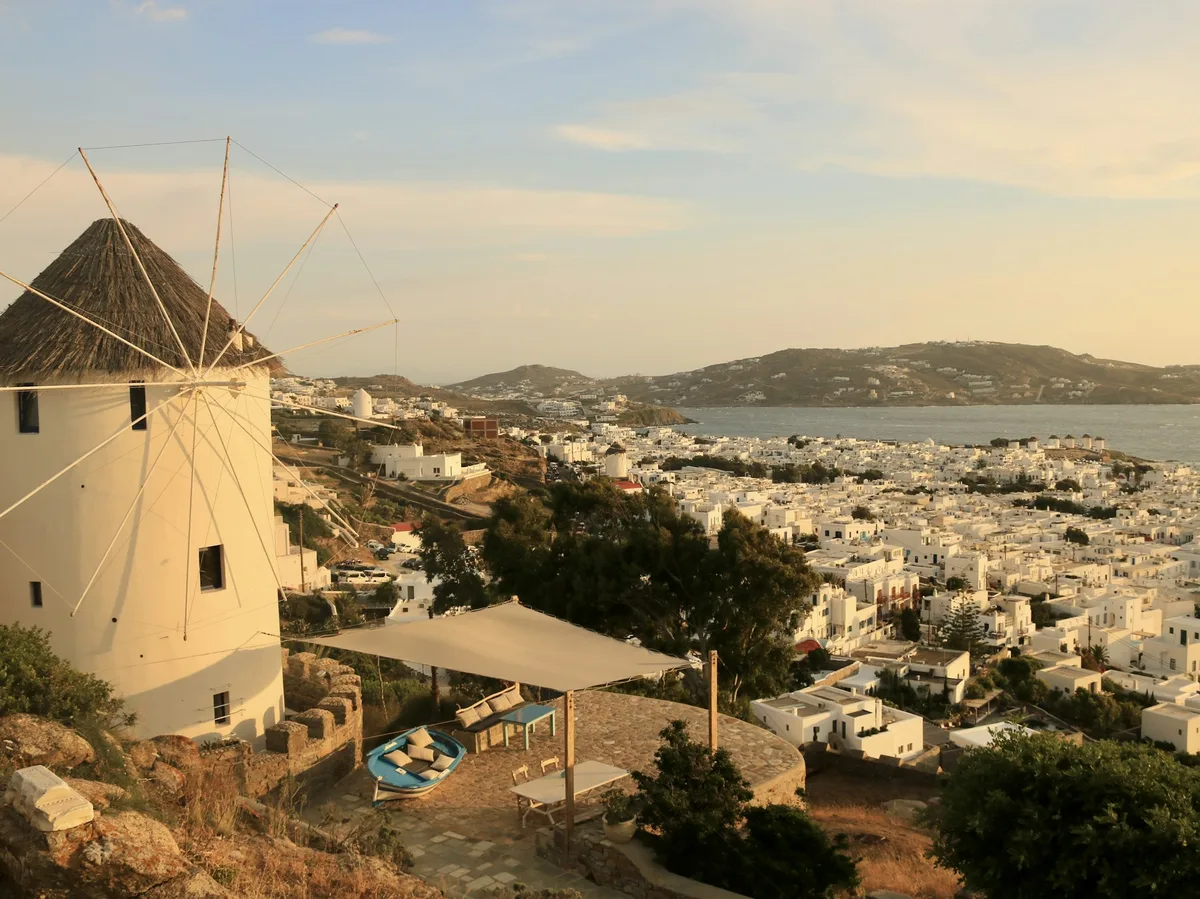
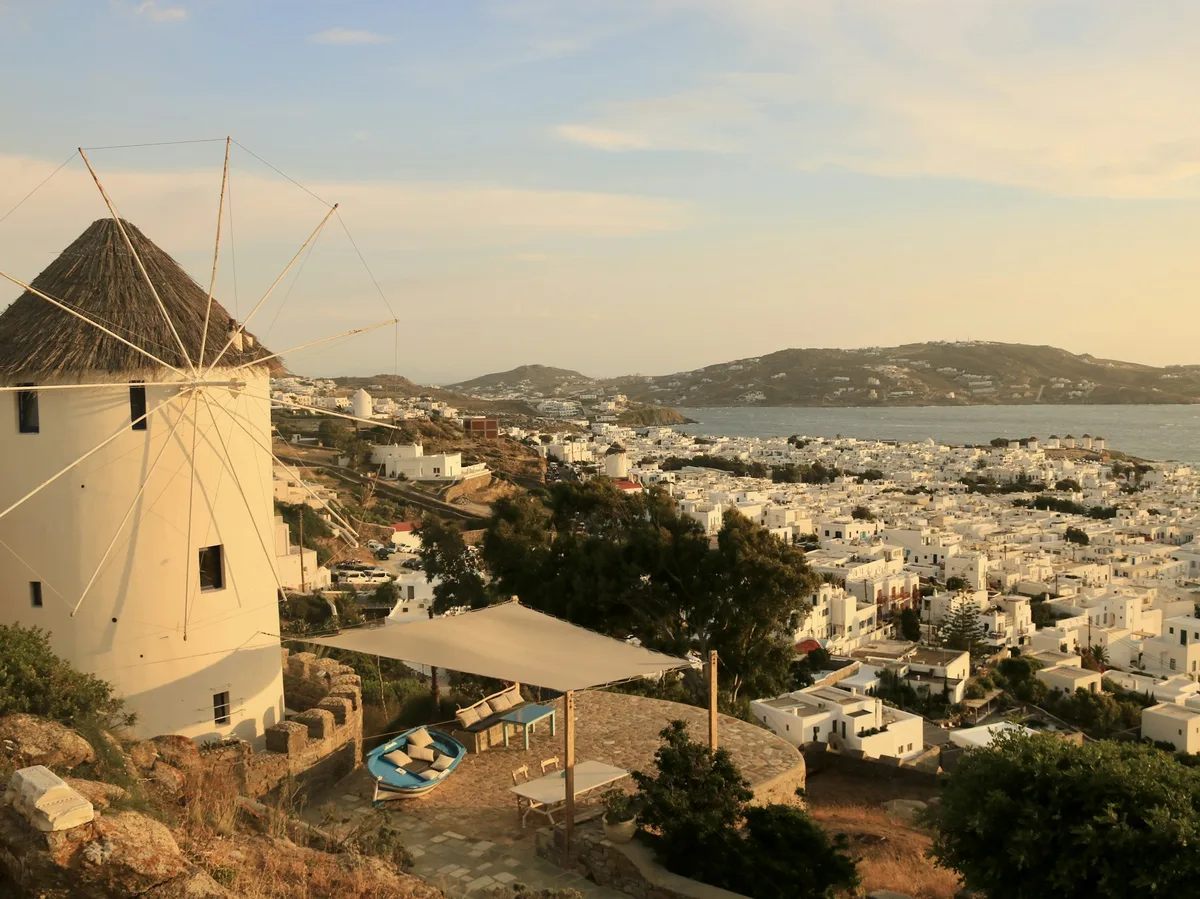
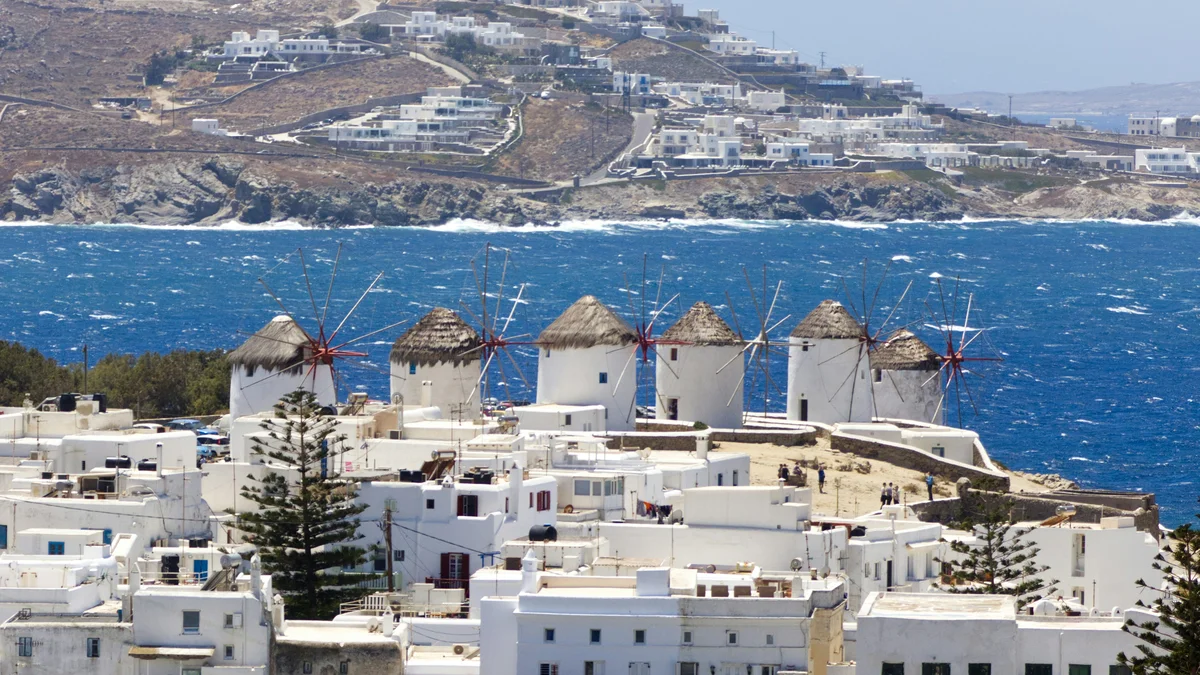
The row of iconic 16th-century windmills overlooking Mykonos Town's Little Venice waterfront, among the most photographed landmarks in the Greek islands.
 Multi-Day Tours Popular Pick
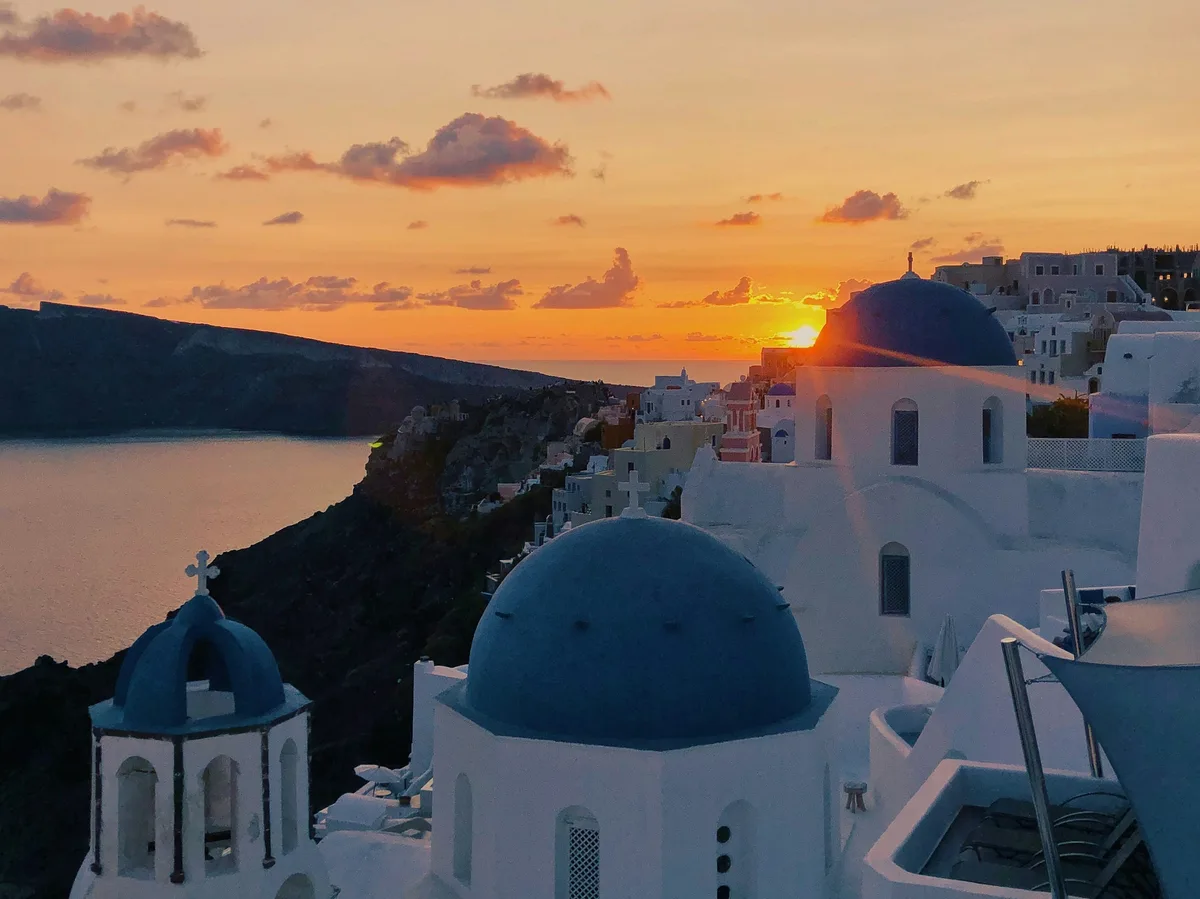
A 10-day island-hopping circuit from Athens through Mykonos, Delos, Paros, Santorini, and Crete, closing with a final day back in the capital — ferries between every island, Acropolis included.
 Multi-Day Tours
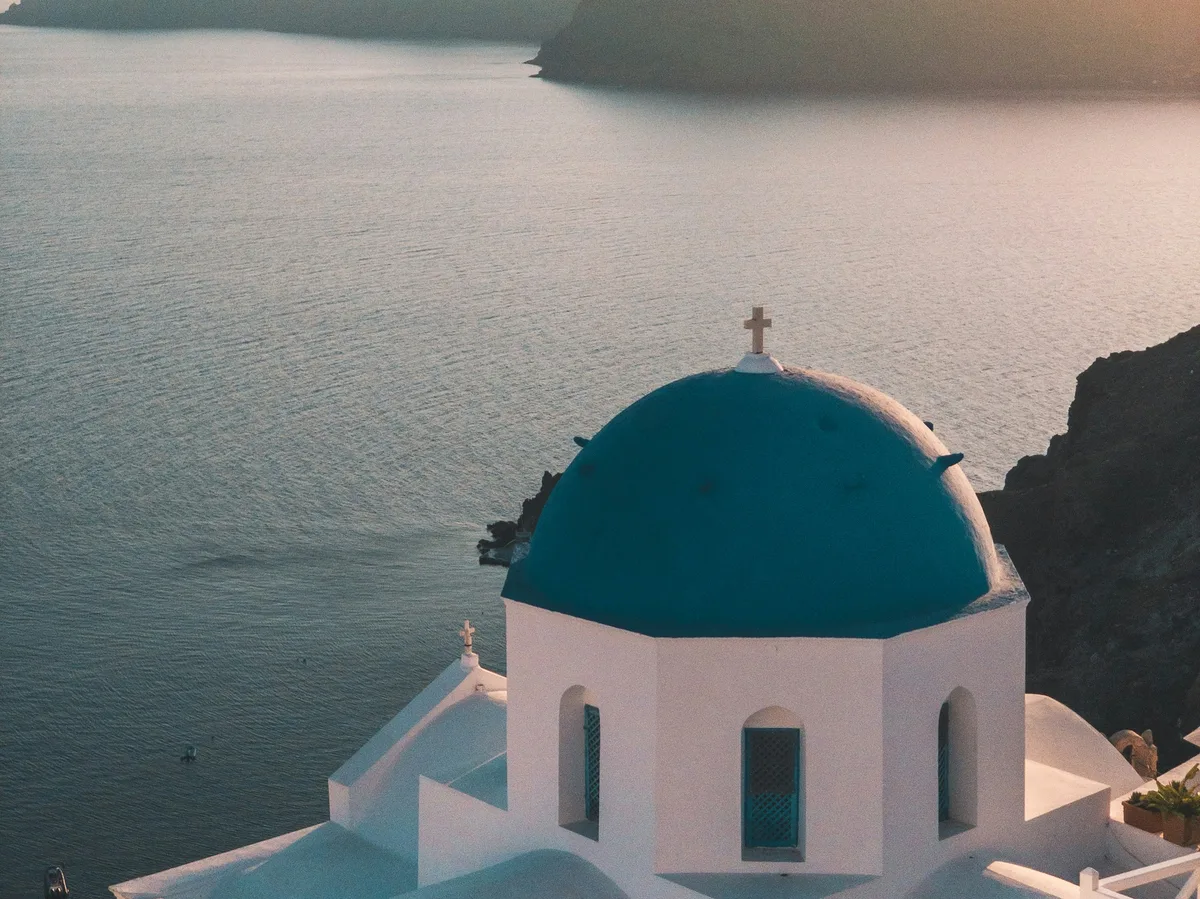
A comprehensive 16-day journey from Athens through Olympia, Delphi, Meteora, and Thessaloniki on the mainland, then Mykonos, Santorini, and Crete by ferry — the essential grand tour of Greece.
 Multi-Day Tours
A 10-day romantic circuit from Athens — including a dinner suspended above the city — to Mykonos and Santorini, with a sailing excursion to Delos, wine tasting, and caldera views.
 Multi-Day Tours
An 8-day two-island romantic escape — a farm-to-table cooking workshop and sailing trip to Delos on Mykonos, then wine tasting, sunset views, and a caldera cruise on Santorini.
Visitor guide
The Mykonos Windmills, known locally as Kato Mili, are a row of traditional windmills standing on a hill above the sea at Mykonos Town, on the Cycladic island of Mykonos in Greece. Built by the Venetians in the 16th century to grind flour, they are among the island's best-known landmarks and overlook the Little Venice waterfront.
Mykonos lies between Tinos, Syros, Paros and Naxos, about 150 kilometres east of Athens, and covers around 85 square kilometres. Its nickname, Island of the Winds, reflects the strong northerly winds that sweep across it. The seasonal meltemi, a cool wind common across the Cyclades, shapes island life, keeping summer days relatively cool and dry and, according to Wikipedia, eroding the rocky granite terrain over time. The mills were placed on a hill precisely where they catch these northern winds.
The windmills were built by the Venetians in the 16th century and remained in use until the early 20th century. Their roofs were capped with wood and straw, and the sails turned to grind grain for the island. Many have since been restored, some as homes and others to store local heritage documents. Seen from the harbour or from Little Venice at sunset, the row of white towers is one of the most photographed views in the Greek islands.
Below the mills, Little Venice, or Mikri Venetia, is a waterfront quarter where fishermen's and merchants' houses have wooden balconies hanging over the sea. The first were built in the mid-18th century for wealthy merchants and captains, and small basement doors opened directly onto the water. Locals sometimes suspected the owners of secret piracy because of this arrangement. Many of the buildings now hold cafes, bars, shops and galleries, and the quarter is a popular place to watch the sunset.
Mykonos Town, usually called Chora, sits on the west coast and is a maze of whitewashed lanes in traditional Cycladic style. Nearby stands Panagia Paraportiani, one of the most famous churches in Greece. Its name refers to its position beside the side gate of the medieval castle built by the Ghisi family in 1207, and construction ran from the 15th century into the 17th. In the town centre, the Tria Pigadia, three wells in a row dating to 1722, are another small landmark.
According to Herodotus, the Carians were the original inhabitants, followed by Ionians from Athens. The island passed through Roman, Byzantine, Venetian and Ottoman rule, with the Ottomans controlling it from 1537 to 1830. Mykonos played an important role in the Greek Revolution under the heroine Manto Mavrogenous. Tourism became dominant in the 1960s, when the island drew an international crowd.
Delos, the small island about two kilometres away that was sacred to Apollo in antiquity, can be reached by boat from Mykonos, and excavations by the French School of Archaeology there began in 1873. Mykonos also has a long-standing mascot, Petros the pelican, who settled on the island after a storm in 1954 and is still commemorated by successors. A private visit works well on a day of exploring Chora, since the lanes are narrow and a driver can handle the logistics around the town.
See every tour and attraction we cover in Greece.