TorontoOntario · 36 tours
 Niagara FallsOntario · 25 tours
 New York CityNew York · 30 tours
 Las VegasNevada · 8 tours
 San FranciscoCalifornia · 16 tours
 VancouverBritish Columbia · 17 tours
 DubaiUAE · 54 tours
 Abu DhabiUAE · 5 tours
 Buenos AiresArgentina · 23 tours
 AthensGreece · 31 tours
 AucklandNew Zealand · 38 tours
 CancunMexico · 54 tours
No destinations match “”. Try searching all tours instead — that search understands full questions, not just place names.
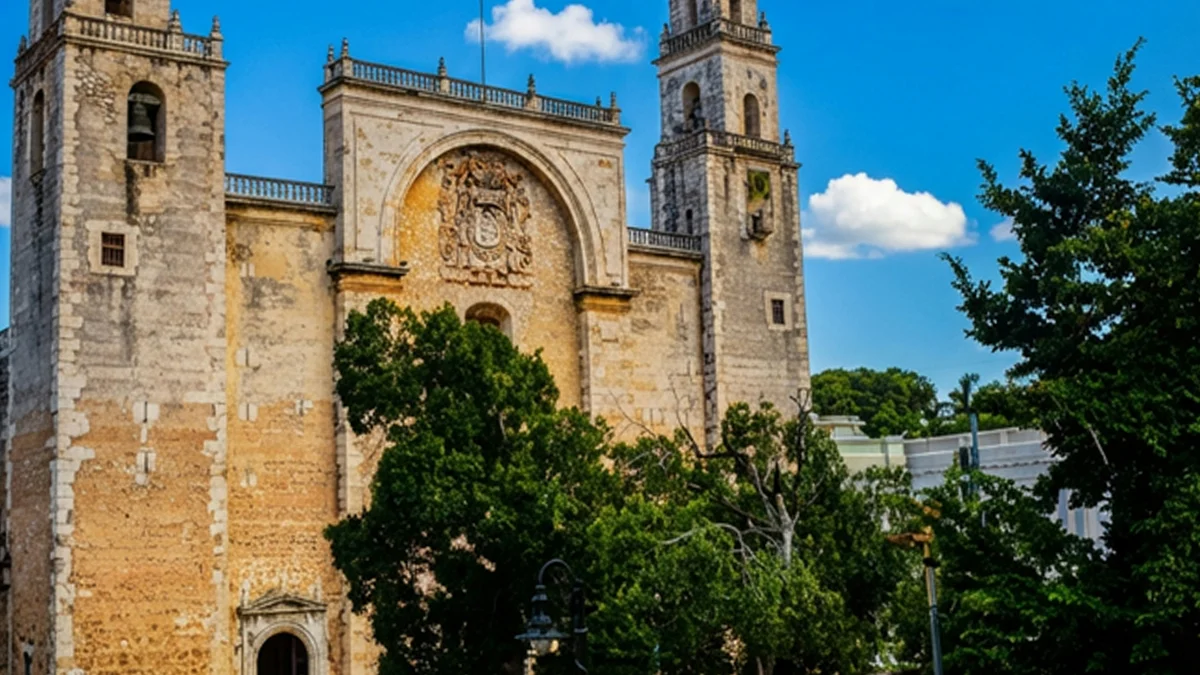
Completed in 1598, this is one of the oldest cathedrals on the American mainland, built in part from stones taken from a Maya temple that once stood on the site. Its plain, fortress-like twin bell towers anchor the east side of Plaza Grande.
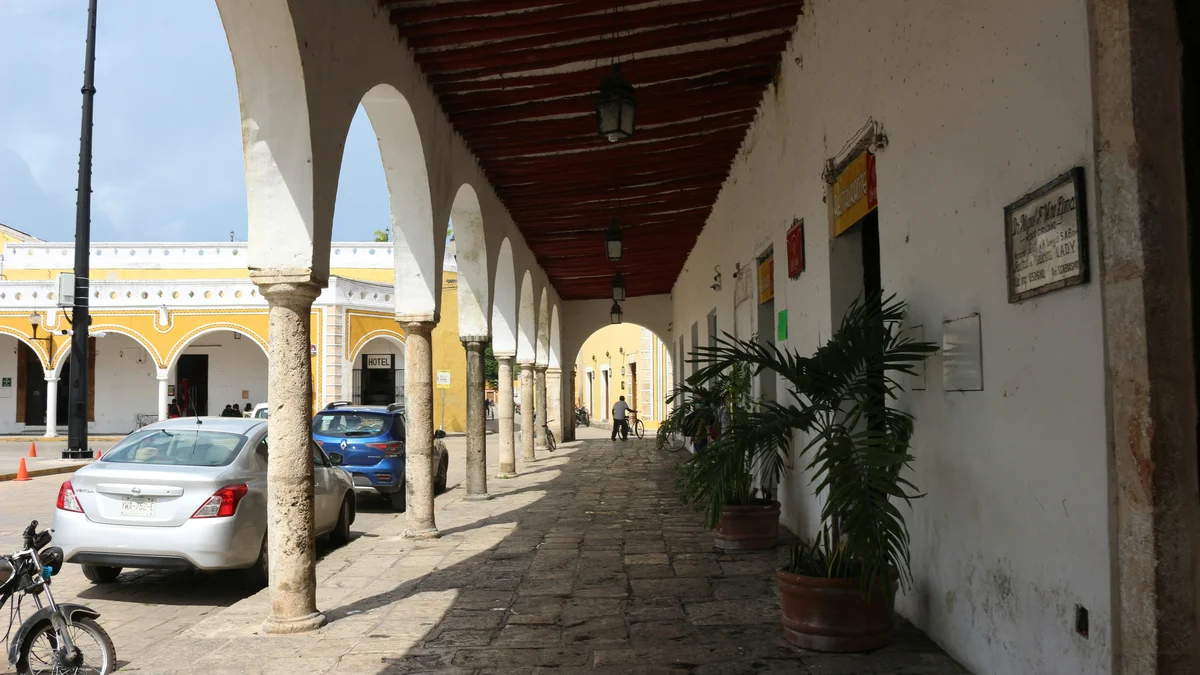 Private Tours
A private local guide builds the day around your interests, from the Cathedral and Plaza Grande to Teatro Peon Contreras and beyond.
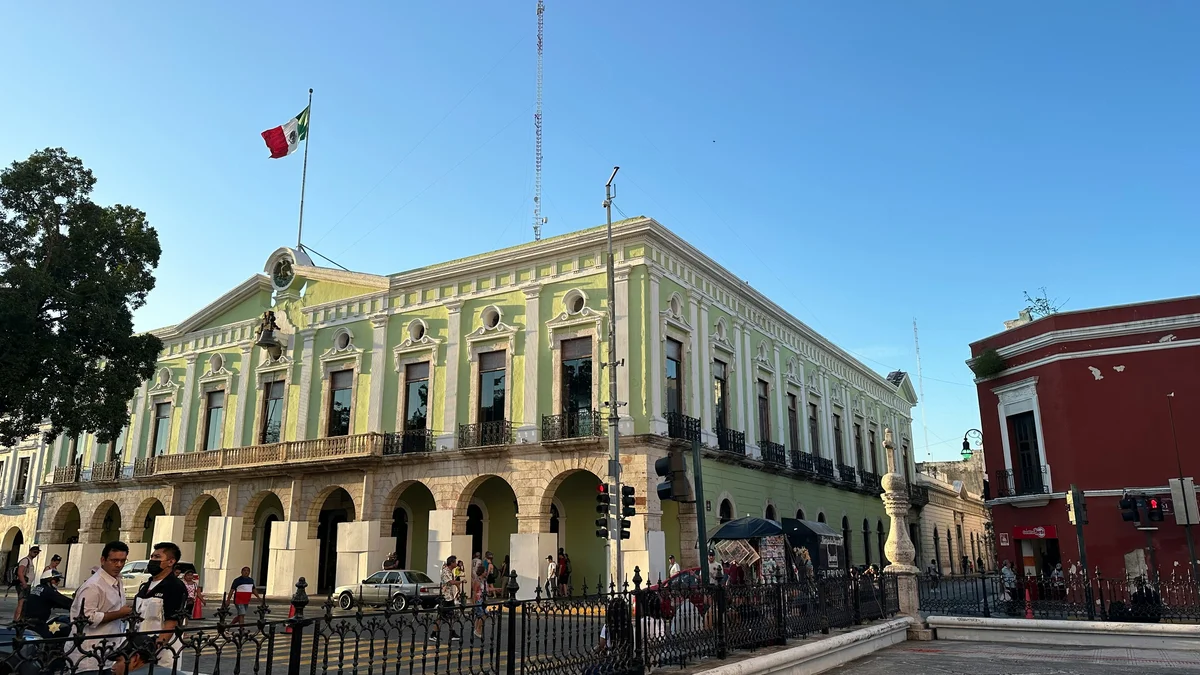 Private Tours
Visit the Cathedral, Hidalgo Park, and Santa Lucia Church while your guide explains the city's Mayan and colonial history.
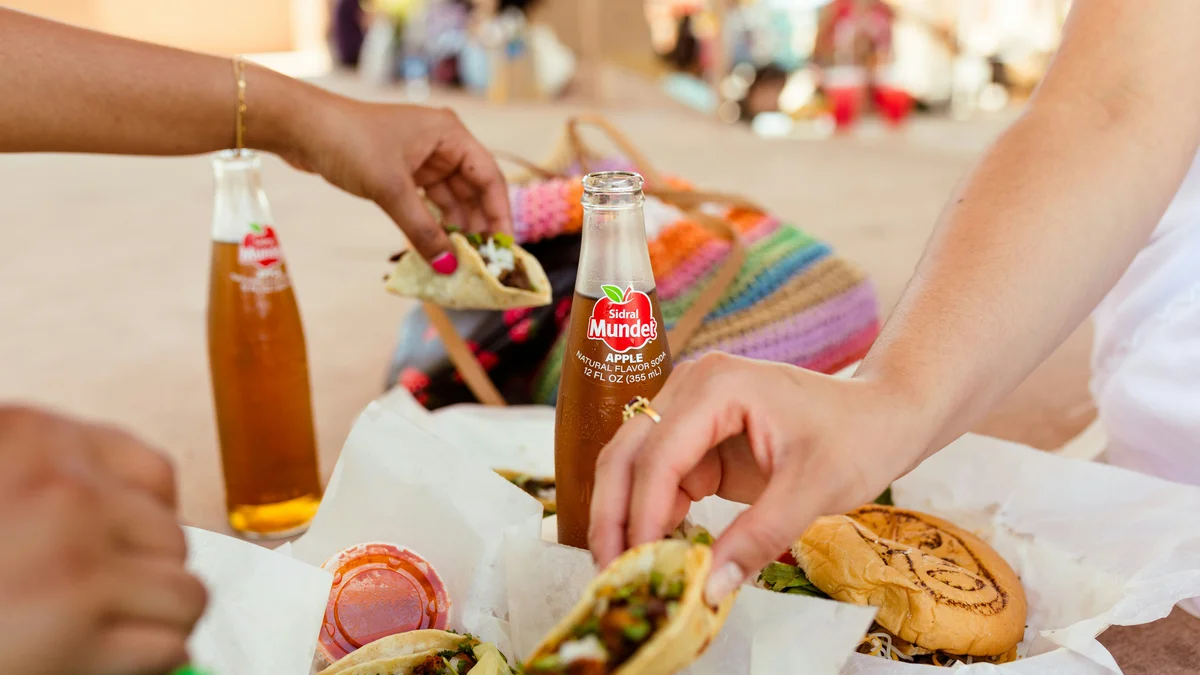 Private Tours
Walk the Santiago neighborhood and its traditional market, the Cathedral and Plaza Grande, La Mejorada, La Ermita, and Paseo de Montejo, with tastings along the way.
Visitor guide
The Cathedral of Merida, dedicated to Saint Ildephonsus (Catedral de San Ildefonso), stands on the east side of the main square in Merida, the capital of Yucatan state in southeastern Mexico. Completed in 1598, it is a stone cathedral that Wikipedia counts among the oldest cathedrals in the Americas and describes as the second to be completed there, after the cathedral of Santo Domingo.
The cathedral occupies the site of the Maya settlement of T'ho, also recorded as Ichcansiho, on which the Spanish founded Merida in 1542. Wikipedia reports that builders reused stone from a Maya temple known as Yajam Cumu, a common colonial practice that turned earlier sacred architecture into raw material for the new church. Much of the labor was provided by Maya workers, and the article notes that some of them still practiced their own religion while they worked. Two workers named in the record are Francisco Pool and Diego Can. The cathedral is also mentioned in the Books of Chilam Balam, the Maya-language colonial texts of Yucatan.
The Diocese of Yucatan and Cozumel was created in 1561 under Pope Pius IV, with Saint Ildephonsus of Toledo as its patron, and construction of the cathedral is said to have begun that same year, although the infobox of the Wikipedia article gives 1562 as the groundbreaking year. The first bishop, Francisco Toral, took possession of the see in August 1562. The article suggests he may have brought design ideas from his hometown of Ubeda in Andalusia, linked to the architect Andres de Vandelvira. Pedro de Aulestia is named as leading the early construction, and Juan Miguel de Aguero is credited as the architect who completed the building in 1598.
The building is built of stone, and its vaulting system is based on the ideas of Andres de Vandelvira, which had first been applied at the cathedral of Jaen in Spain. Wikipedia notes clear antecedents in Andalusian architecture and describes the church as a unique monument in the Americas. The facade carries a coat of arms and niche statues of Saint Peter, shown with the keys of the Church, and Saint Paul, shown with a sword and a book. The coat of arms has its own story. It was originally the Spanish royal arms, but after Mexican independence anti-Spanish feeling led to the central castles and lions being chiseled out. In 1824 the empty shield was filled with a Mexican eagle wearing the imperial crown of Iturbide, and the whole carving was later covered with cement, which was eventually removed.
The cathedral remains a preserved colonial monument and one of the best-known landmarks of the historic center, facing the main square that has been the heart of Merida since its founding. The plain stone character of the exterior contrasts with the livelier colonial buildings and mansions nearby. A private guided visit suits the site well, since much of its interest lies in its layers of history: the Maya city beneath it, the Spanish diocese that built it, and the political changes recorded in its facade.
See every tour and attraction we cover in Merida.