TorontoOntario · 36 tours
 Niagara FallsOntario · 25 tours
 New York CityNew York · 30 tours
 Las VegasNevada · 8 tours
 San FranciscoCalifornia · 16 tours
 VancouverBritish Columbia · 17 tours
 DubaiUAE · 54 tours
 Abu DhabiUAE · 5 tours
 Buenos AiresArgentina · 23 tours
 AthensGreece · 31 tours
 AucklandNew Zealand · 38 tours
 CancunMexico · 54 tours
No destinations match “”. Try searching all tours instead — that search understands full questions, not just place names.
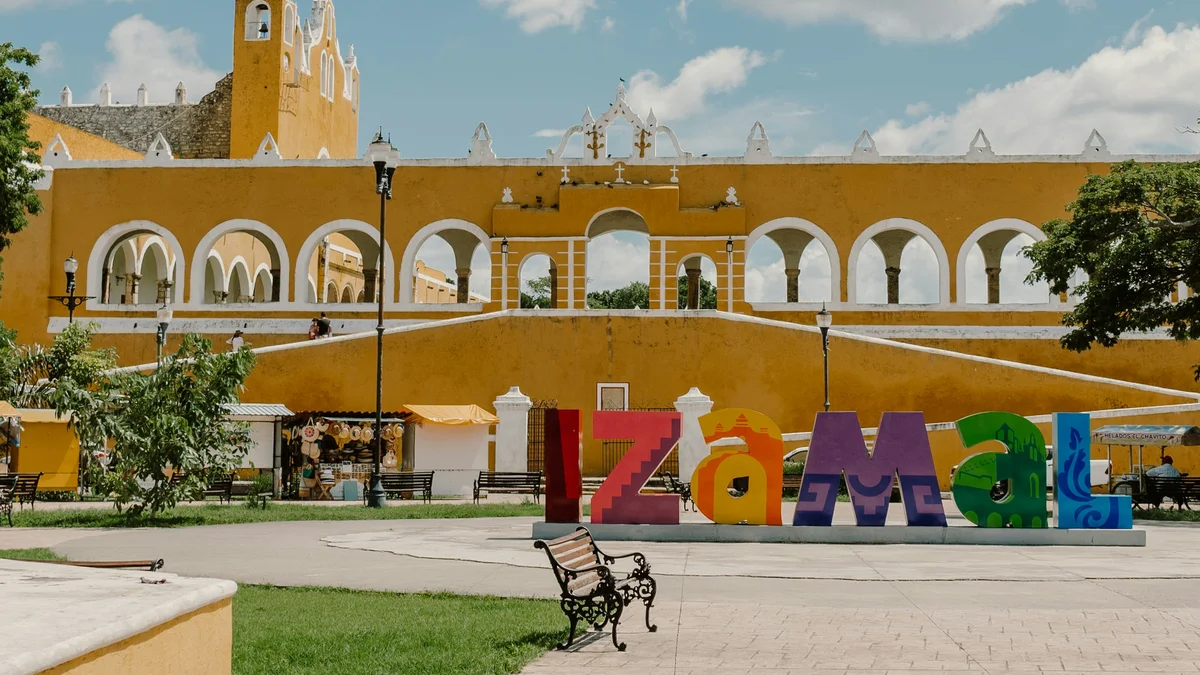
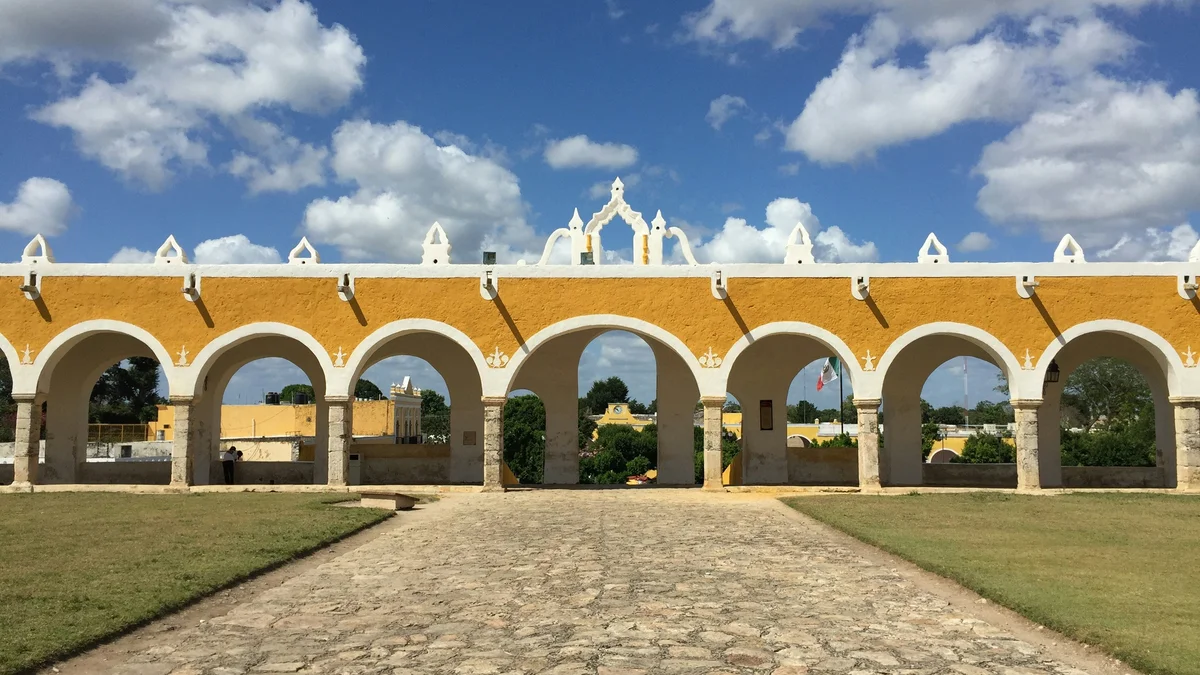
A colonial town about an hour from Merida, known as the 'Yellow City' because nearly every building in its historic center is painted the same golden-yellow. Its 16th-century Convento de San Antonio de Padua sits atop a Maya pyramid platform, and Izamal is one of Mexico's officially designated Pueblos Magicos.
Visitor guide
Izamal is a small city in the Mexican state of Yucatan, about 72 kilometers east of Merida, nicknamed the Yellow City because most of its historic buildings are painted yellow. It combines a pre-Hispanic Maya past with a Franciscan convent and, since 2002, carries the national designation of Pueblo Magico.
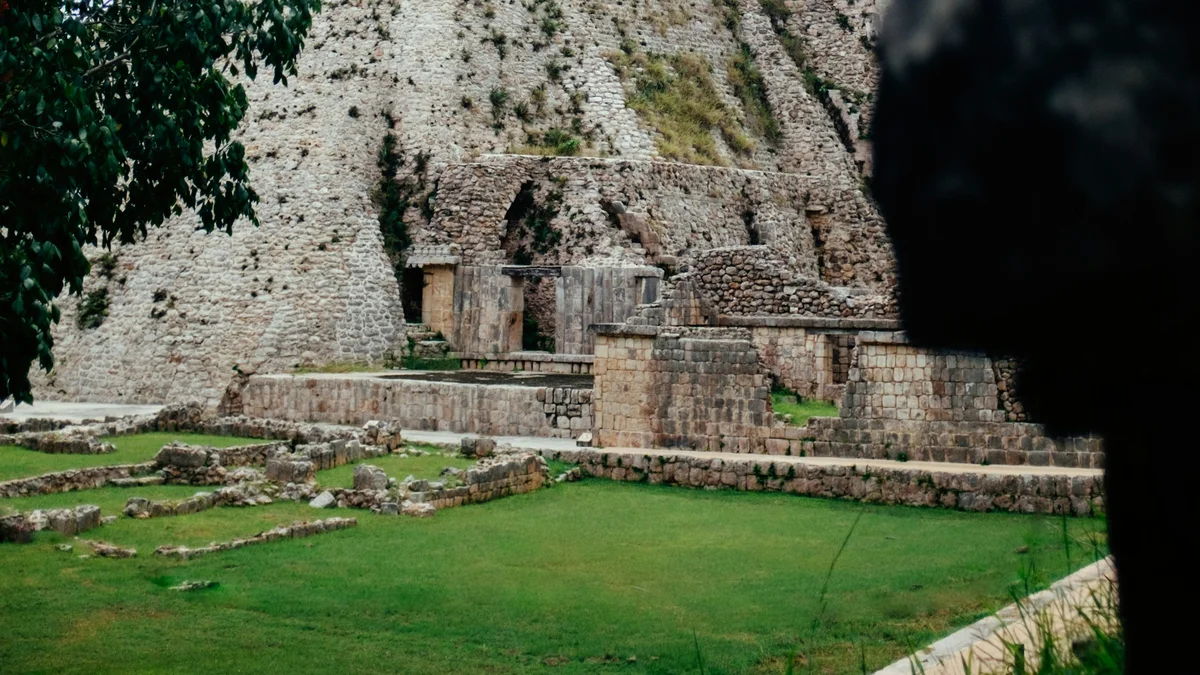
Wikipedia describes Izamal as a major Maya center, probably the largest on the northern Yucatec plains, and notes that it is described as one of the oldest continuously inhabited cities in the Americas, a claim the article itself flags as lacking citations. Two raised causeways, known as sacbeob, linked it to Ake and Kantunil, indicating its regional importance. Its temples honored the creator deity Itzamna and the sun god Kinich Ahau, and it became a pilgrimage site said to rival only Chichen Itza. Notable pyramid structures include the great pyramid of Kinich Kak Moo, along with Itzamatul, Hun Pik Tok and Kabul. The mounds are why Izamal is also called the City of Hills.
After the conquest the Spanish built a colonial town over the Maya one and reused much of the cut stone. A small Christian temple was placed on the great pyramid, and the Franciscan monastery of San Antonio de Padua was completed in 1561. Wikipedia says its open atrium is said to be the second largest in the world, after the one at the Vatican. Izamal was the first seat of the Bishops of Yucatan before the see moved to Merida, and the friar Diego de Landa lived there. The town is still a pilgrimage destination for the Virgin of the Immaculate Conception, known as Our Lady of Izamal, patron of the state of Yucatan. Pope John Paul II visited in August 1993, celebrated a mass and gave the statue of the Virgin a silver crown.
The henequen industry drove the local economy for much of the nineteenth and twentieth centuries, and after its decline in the 1960s officials turned to tourism. According to Wikipedia, mayor Jorge Carlos Gonzalez Rodriguez, who served from 1959 to 1961, ordered commercial signs removed and buildings painted yellow and white, creating the signature look. In the 1960s further changes were made around the convent, and Plaza Zamna was converted from a market into a park. Izamal received city status in 1841, was demoted to town status in 1923 and regained city status in 1981.
Yucatec Maya is spoken as widely as Spanish in Izamal, and most signs are bilingual. Major festivals are held on April 3, May 3, August 15 and December 8. A local distillery produces an eponymous mezcal made from agave hearts. The town sits at about 13 meters above sea level, with hot temperatures and a rainy season that runs from May through October. A private guided visit from Merida suits the town well, since a guide can connect the yellow streets, the convent and the surrounding pyramids.
See every tour and attraction we cover in Merida.