TorontoOntario · 36 tours
 Niagara FallsOntario · 25 tours
 New York CityNew York · 30 tours
 Las VegasNevada · 8 tours
 San FranciscoCalifornia · 16 tours
 VancouverBritish Columbia · 17 tours
 DubaiUAE · 54 tours
 Abu DhabiUAE · 5 tours
 Buenos AiresArgentina · 23 tours
 AthensGreece · 31 tours
 AucklandNew Zealand · 38 tours
 CancunMexico · 54 tours
No destinations match “”. Try searching all tours instead — that search understands full questions, not just place names.
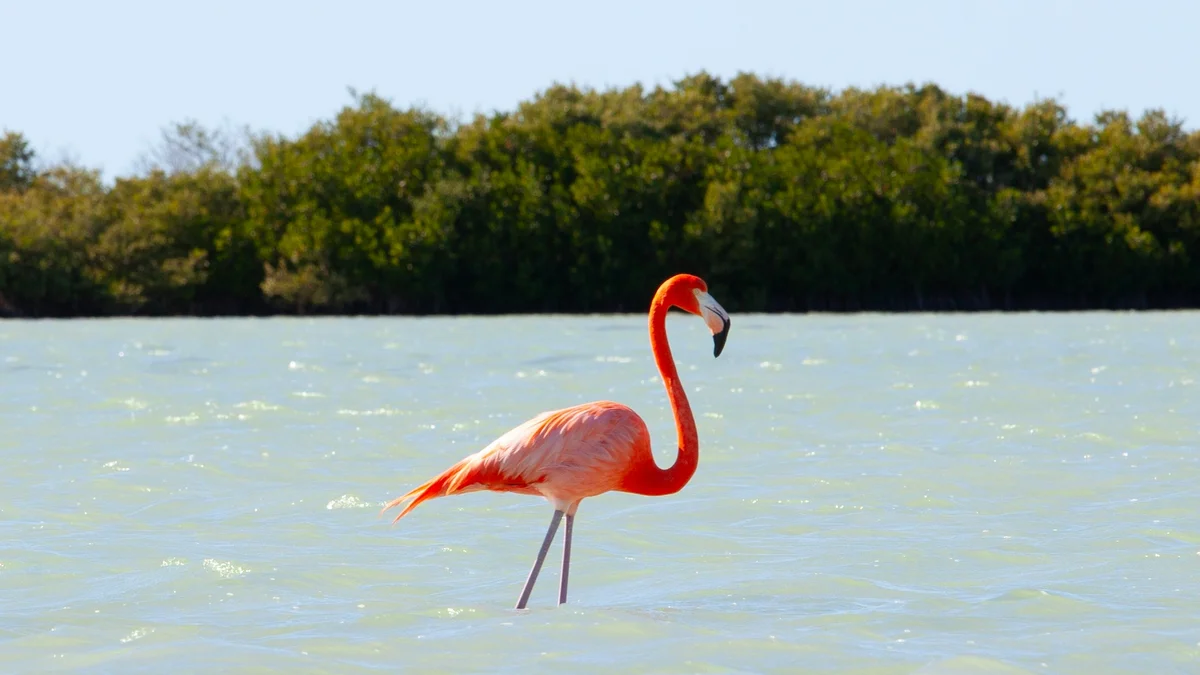
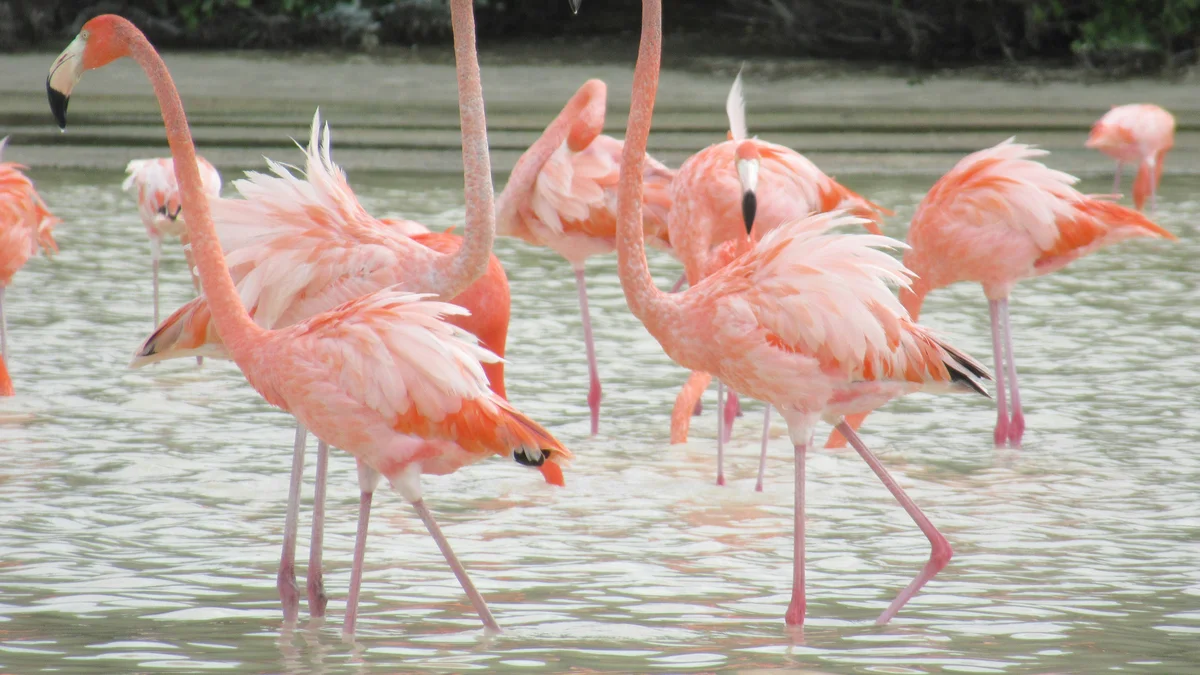
A UNESCO-listed coastal wetland on the Yucatan's Gulf coast, known for its wild population of pink flamingos that gather by the thousands in the estuary's mangrove channels. The reserve also shelters sea turtles, crocodiles, and a wide range of migratory birds.
Visitor guide
The Ria Celestun Biosphere Reserve is a protected coastal wetland on the northwestern Yucatan Peninsula in Mexico, spanning parts of the states of Yucatan and Campeche. Known for its mangroves and for the American flamingos that gather in its estuary, it is a nationally and internationally recognized conservation area.
Mexico declared the reserve a biosphere reserve in 2000. UNESCO recognized it under its Man and the Biosphere Programme in 2004, and on 2 February 2004 it was designated a wetland of international importance under the Ramsar Convention, as site number 1333. The IUCN classes it as Category VI, a protected area managed for the sustainable use of natural resources, and it is administered by Mexico's National Commission of Natural Protected Areas, known as CONANP. The reserve covers about 814.82 square kilometers. In 2008 Mexico nominated Ria Celestun together with the neighboring Los Petenes reserve for World Heritage status, and Wikipedia lists this as a tentative listing.
The reserve is bounded on the west by the Gulf of Mexico, with Los Petenes Biosphere Reserve to the south and El Palmar State Reserve to the north. Coastal beaches and dunes enclose lagoons and wetlands, while low uplands lie to the east. Extensive mangrove wetlands form part of the Petenes mangrove corridor along the western Yucatan shore. Fresh water from the peninsula's aquifer discharges here and mixes with the salt water of the Gulf, creating the brackish conditions that support the estuary's wildlife. Tropical dry forest grows in the higher ground inland.
More than 304 bird species have been recorded in the reserve, according to Wikipedia, which cites BirdLife International for the breakdown: roughly 56 percent are year-round residents, 43 percent are seasonal and 1 percent are occasional visitors. American flamingos are among the most prominent species, with populations that can exceed 23,000 birds. Other birds mentioned include the plumbeous kite, brant goose, Muscovy duck, piping plover, ocellated turkey, Yucatan poorwill, Yucatan wren, Yucatan jay and orange oriole. Together with El Palmar State Reserve, the area is recognized as an Important Bird Area. The Wikipedia article does not discuss mammals or reptiles, so this page makes no claims about them.
About 7,000 people live within the reserve. The town of Celestun is its largest settlement and a hub for eco-tourism, while fishing and sea salt harvesting are other economic activities. Conservation projects have included a pilot community mangrove restoration effort on Isla Arena in Campeche, run by Conservation International Mexico and CONANP, which aimed to restore 217 hectares of degraded mangrove by repairing water flow disrupted by road construction. Because wildlife and water conditions vary through the year, a private guided visit with a local guide is a practical way to see the estuary.
See every tour and attraction we cover in Merida.