TorontoOntario · 36 tours
 Niagara FallsOntario · 25 tours
 New York CityNew York · 30 tours
 Las VegasNevada · 8 tours
 San FranciscoCalifornia · 16 tours
 VancouverBritish Columbia · 17 tours
 DubaiUAE · 54 tours
 Abu DhabiUAE · 5 tours
 Buenos AiresArgentina · 23 tours
 AthensGreece · 31 tours
 AucklandNew Zealand · 38 tours
 CancunMexico · 54 tours
No destinations match “”. Try searching all tours instead — that search understands full questions, not just place names.
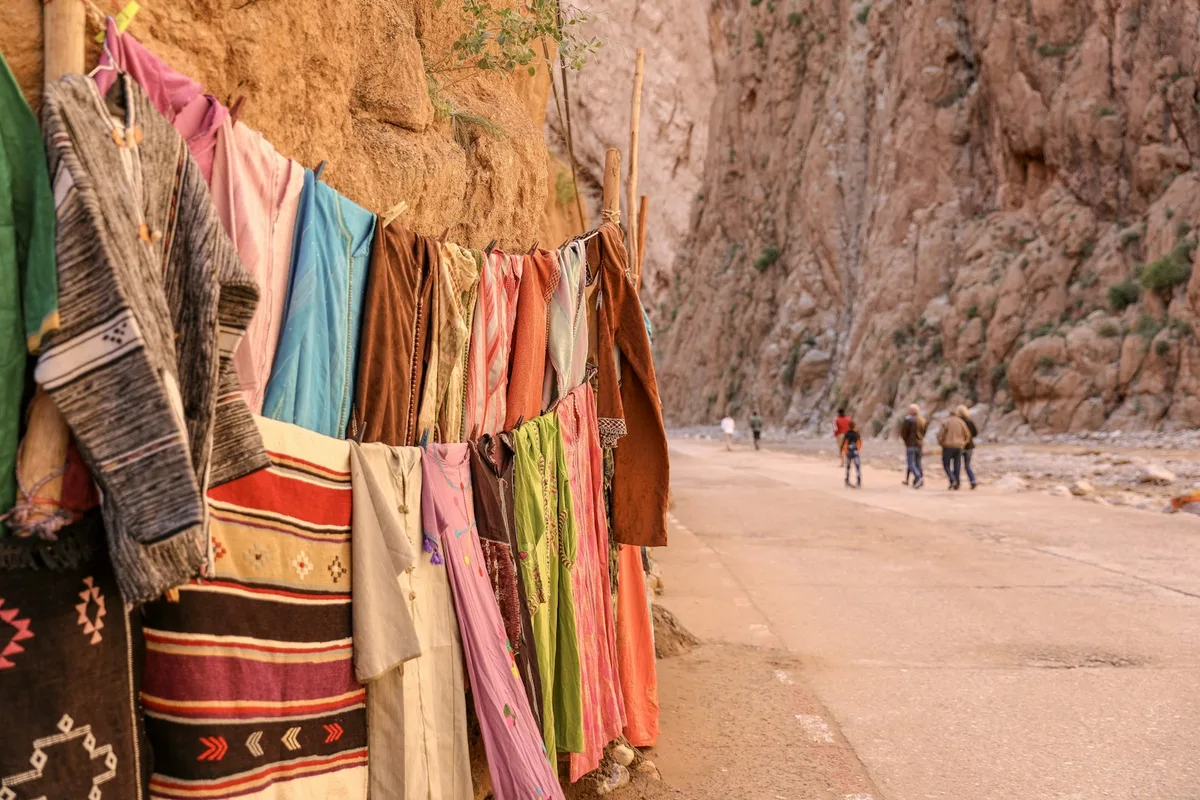
A winding red-rock canyon in the High Atlas foothills near Todra Gorge, carved by the Dades River, with switchback roads and rock formations known locally as the 'monkey fingers.'
 Multi-Day Tours
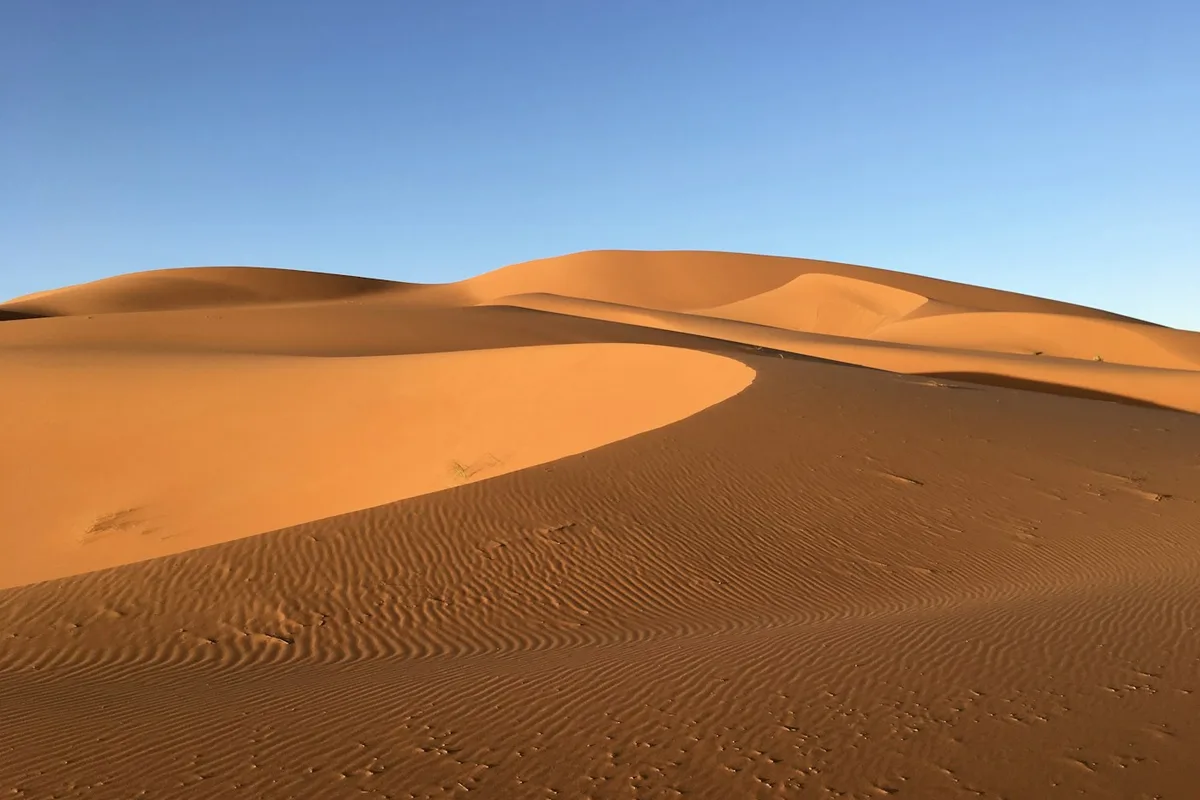
A 12-day sweep of Morocco's essential highlights — Casablanca, Tangier, Chefchaouen and Fes, an overnight Sahara desert camp at Erg Chebbi, the Dades Valley and Todra Gorges, Aït Benhaddou, Marrakech and Essaouira.
 Multi-Day Tours
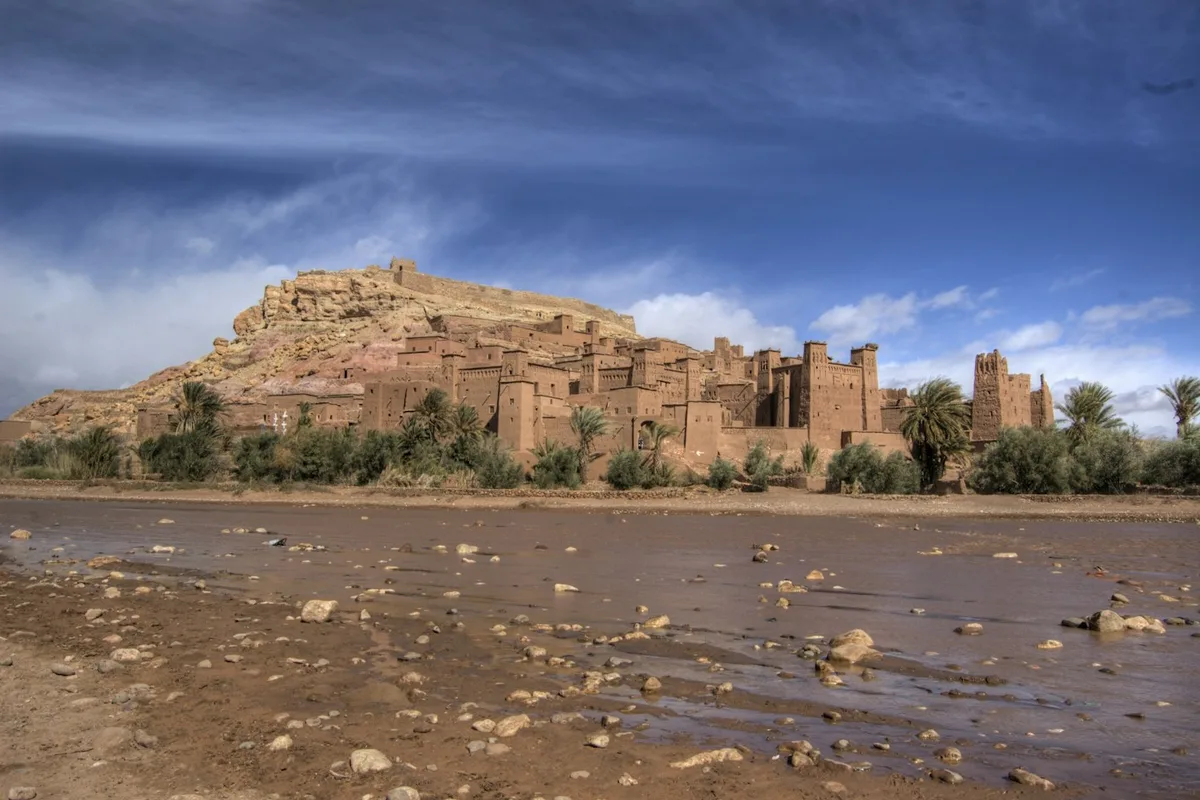
A 13-day traverse of Morocco's landscapes — Marrakech, the UNESCO ksar of Aït Benhaddou, the Dades Valley and Todra Gorge, a camel trek and overnight camp at Erg Chebbi, the Taroudant medina, and the Atlantic coast at Agadir, Taghazout and Essaouira.
 Multi-Day Tours
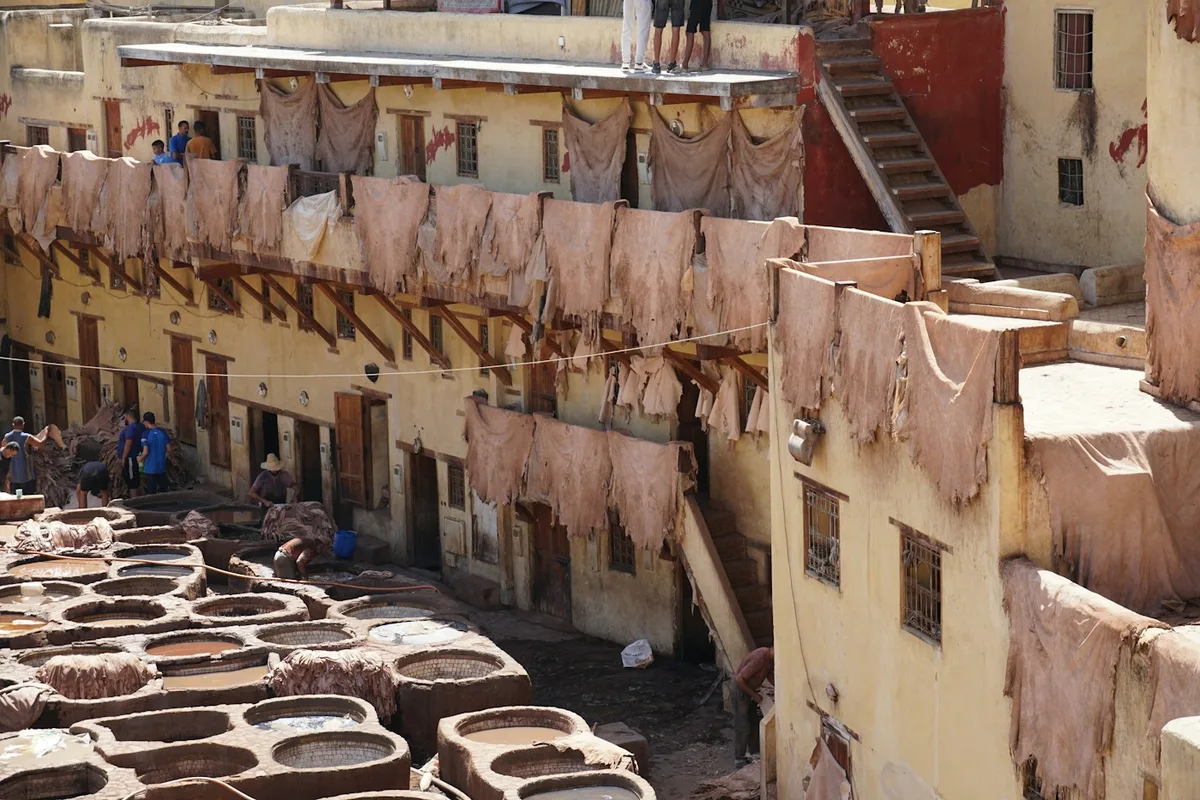
An 11-day culinary journey from Casablanca to Marrakech — street food and cooking classes in Fes, an overnight Sahara desert camp at Merzouga, Berber cooking in a Skoura kasbah, and an immersive cooking workshop in Marrakech.
Visitor guide
The Dades Gorges, also called the Dades Valley, are a series of rugged wadi gorges carved by the Dades River in Morocco. The river rises in the High Atlas range and flows some 350 kilometres southwest before joining the Draa River at the edge of the Sahara. According to Wikipedia, the walls of the gorges range from about 200 to 500 metres in height.
Wikipedia explains that the area lay at the bottom of the sea millions of years ago. Great quantities of sediment were deposited around giant coral reefs and compacted into sedimentary rocks such as sandstone and limestone. The movement of the Earth's crust later raised the region above the sea, forming the Atlas Mountains and the surrounding landscape.
The Dades River established its course early in this uplift, and flowing water began eroding the porous rock. For most of the year the river is weak because the climate is dry. During the storm season, however, huge volumes of water can enter the river at once, creating torrents that carry debris and scrape the softer rock of the gorge walls, gradually deepening and widening the gorge with every flood season.
The Dades Gorges are often visited together with the Todgha, or Todra, Gorges, a series of limestone river canyons in the eastern High Atlas near the town of Tinghir. Wikipedia says both the Todgha and the neighbouring Dades rivers carved canyons on their final 40 kilometres through the mountains. Todgha canyon walls reach up to 400 metres in places. The last 600 metres are the most spectacular, where the canyon narrows to a stony track as little as 10 metres wide, with smooth rock walls up to 160 metres high. In the dry season the canyon floor is mostly dry apart from a small stream, while in the rainy season the river can swell into a strong torrent.
The southernmost gorges are known for extensive production of roses, used to make rose water, and there are groves of palm and almond trees. The town of Boumalne Dades sits at the edge of a desert plateau at the outlet of the upper Dades Valley, at more than 1,500 metres above sea level. Wikipedia says it grew from an old transhumance route controlled by the Ait Atta tribe of Jbel Saghro, and that most residents of the Dades Valley belong to that tribe, whose territory extends along the river as far as Tazzakht.
The gorges lie between the High Atlas and the desert, on routes that link Marrakech with the Sahara dunes at Merzouga. A private tour with a driver and guide lets travellers take the winding valley roads at their own pace and combine the Dades and Todra canyons, with a guide to explain the geology and local life.
See every tour and attraction we cover in Morocco.