TorontoOntario · 36 tours
 Niagara FallsOntario · 25 tours
 New York CityNew York · 30 tours
 Las VegasNevada · 8 tours
 San FranciscoCalifornia · 16 tours
 VancouverBritish Columbia · 17 tours
 DubaiUAE · 54 tours
 Abu DhabiUAE · 5 tours
 Buenos AiresArgentina · 23 tours
 AthensGreece · 31 tours
 AucklandNew Zealand · 38 tours
 CancunMexico · 54 tours
No destinations match “”. Try searching all tours instead — that search understands full questions, not just place names.
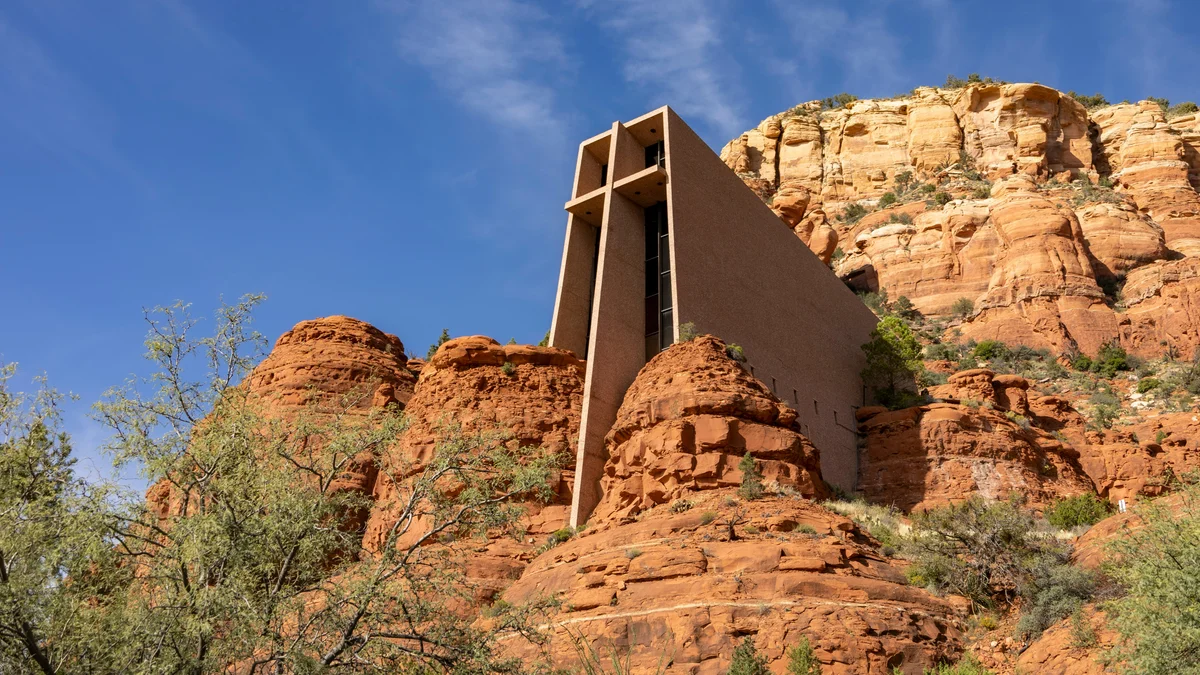
Built in 1956 into a red rock spire above Sedona, the Chapel of the Holy Cross is a small, still-active Catholic chapel known for its dramatic modernist architecture and sweeping views over the valley. It is one of Sedona's most recognizable landmarks.
 Private Tours
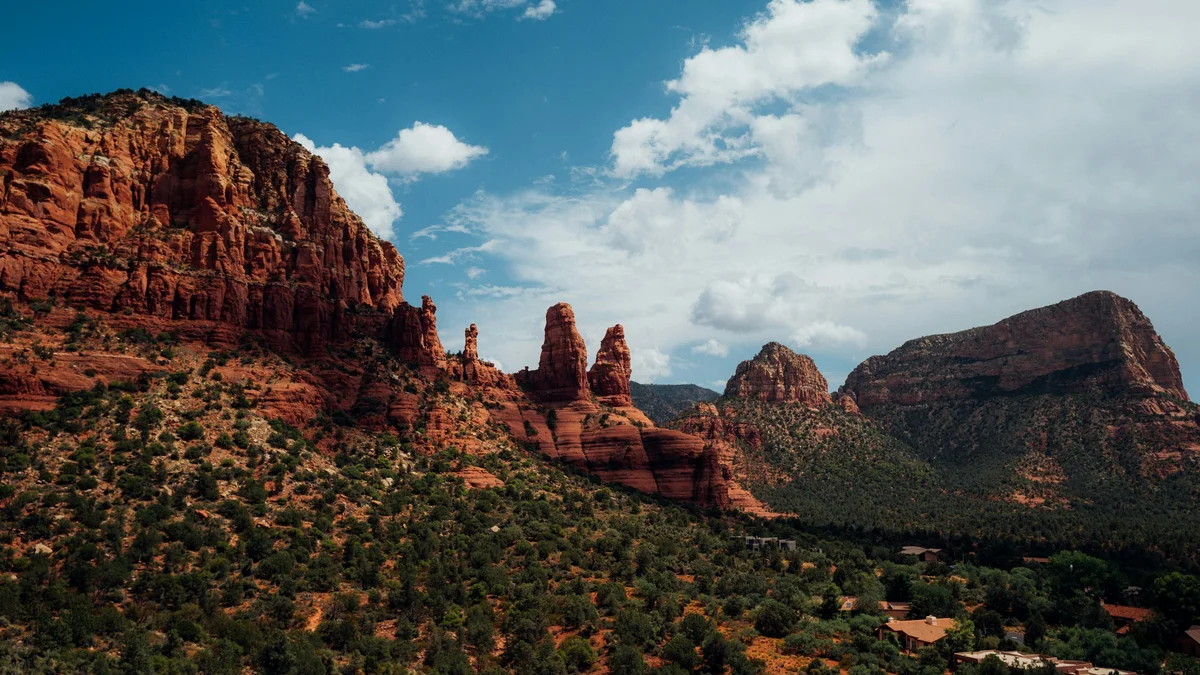
A private, hotel-pickup half-day tour through Sedona's best-known red rock scenery, with your own guide and vehicle the whole way.
 Private Tours Popular Pick
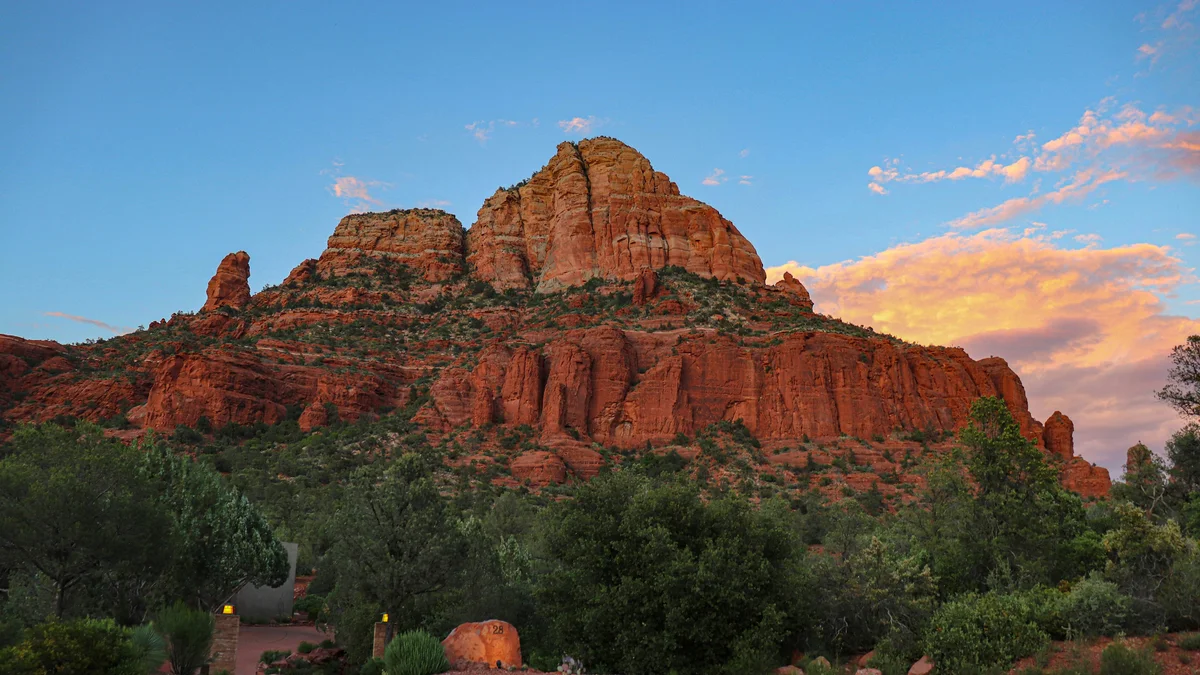
A private, full-day luxury tour with a bespoke itinerary — visit Sedona's core landmarks plus optional stops like the ghost town of Jerome, Tuzigoot, Tlaquepaque, or a Page Springs wine tasting.
 Private Tours
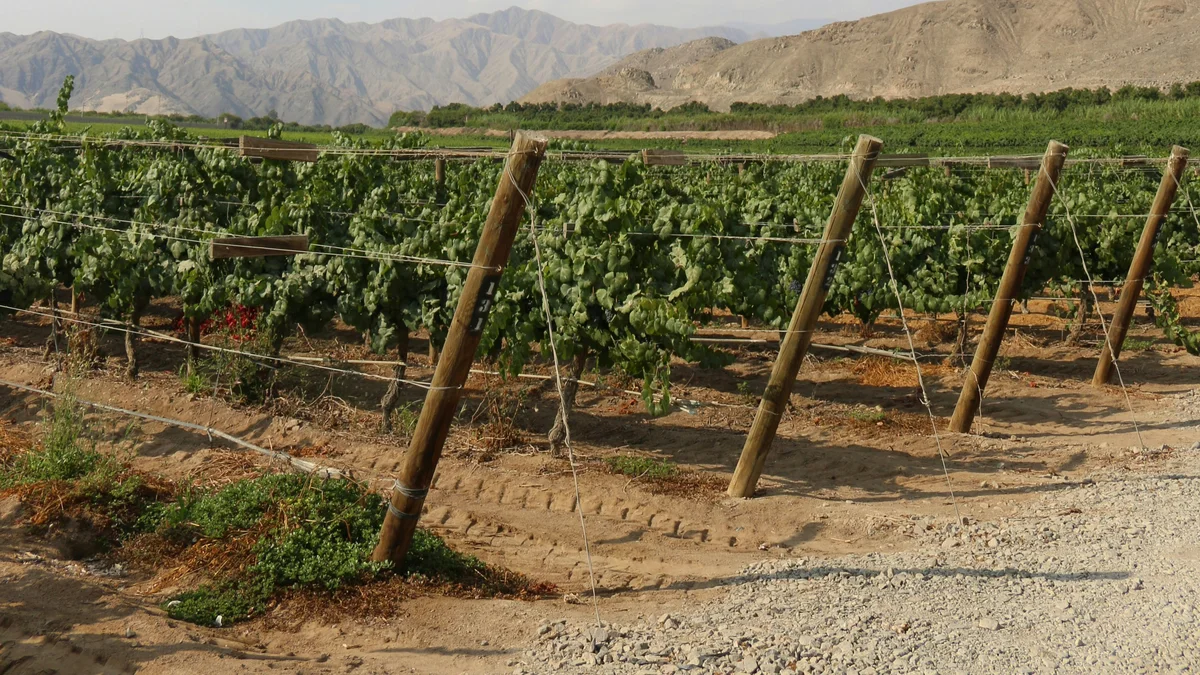
A private, customizable wine tour through the Verde Valley and Sedona's wine country in a private luxury vehicle, with the option to add stops like the historic town of Jerome or the Chapel of the Holy Cross.
Visitor guide
The Chapel of the Holy Cross is a Roman Catholic chapel built into the red rock buttes above Sedona, Arizona, on land within the Coconino National Forest. Completed in 1956, it is known for a 90-foot cross that forms the front of the building and for striking mid-century modernist design that seems to grow out of the cliff.
The chapel was the vision of local rancher and sculptor Marguerite Brunswig Staude, who was inspired in 1932 by the Empire State Building to imagine a church built around a cross. She first tried to build a similar church in Budapest, Hungary, with help from Lloyd Wright, son of Frank Lloyd Wright, but World War II ended the plan. She later built the Sedona chapel in honor of her parents, Lucien and Marguerite Brunswig. Senator Barry Goldwater helped her obtain a special-use permit for the Forest Service land.
Architects began design in 1953 and groundbreaking followed in April 1955, according to the City of Sedona. August K. Strotz of the San Francisco firm Anshen & Allen designed it, with Richard Hein as project architect, and construction was complete in 1956 at a reported cost of about $300,000. Reports say the architects, after seeing the site, felt that nature had done most of the work and their job was to understate.
The chapel is built of reinforced concrete about a foot thick, sandblasted to expose the aggregate and echo the surrounding stone. A 90-foot (27.4 m) cross on the southwestern face serves both aesthetic and structural purposes and holds the altar and a corpus inside. It stands at the base of a cliff that rises about 1,500 feet. The interior is small, seating up to about 150 people, with about 50 in pews, and offices, sacristies and a confessional are tucked into the basement level.
The design earned a Progressive Architecture citation in 1954 and the American Institute of Architects' Award of Honor in 1957. Arizona voters named it one of the Seven Man-Made Wonders of Arizona in 2007. It was listed on the National Register of Historic Places, with Wikipedia giving October 2011 for the listing date, though some sources cite 2012.
The chapel is part of St. John Vianney Parish and the Roman Catholic Diocese of Phoenix, so it functions as a place of worship, not only a sightseeing stop. Visitors should be quiet and respectful, dress modestly and follow any posted guidance during services. Opening hours and any access rules change, so check the chapel's official site before you go.
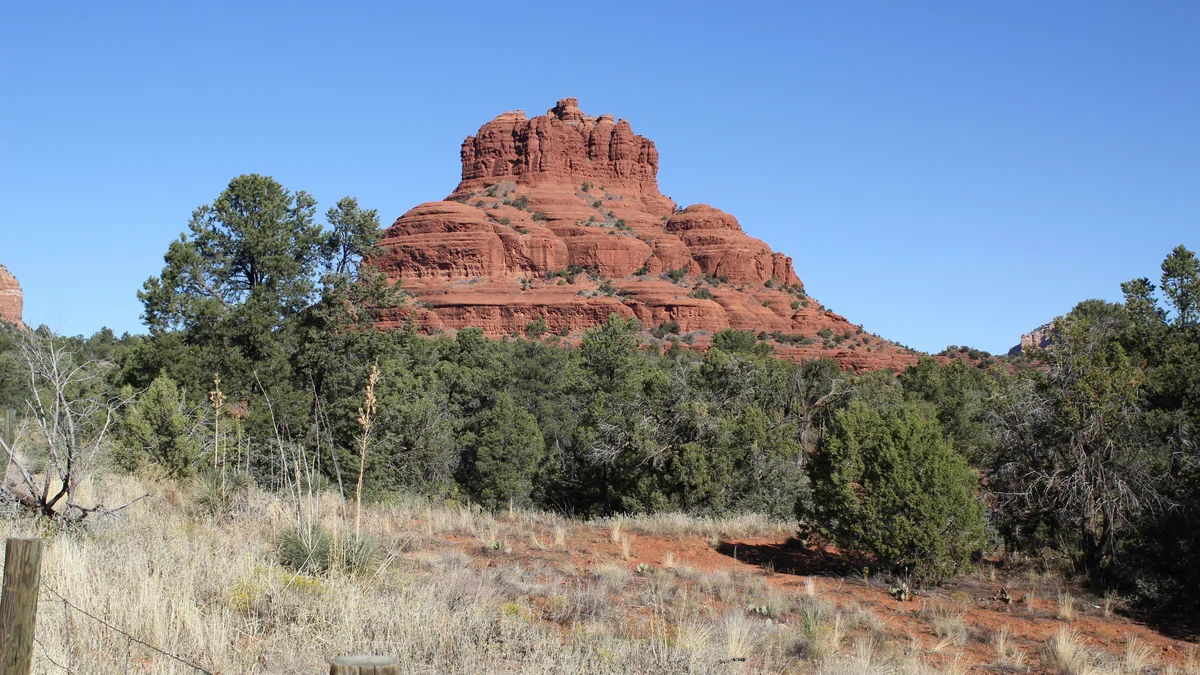
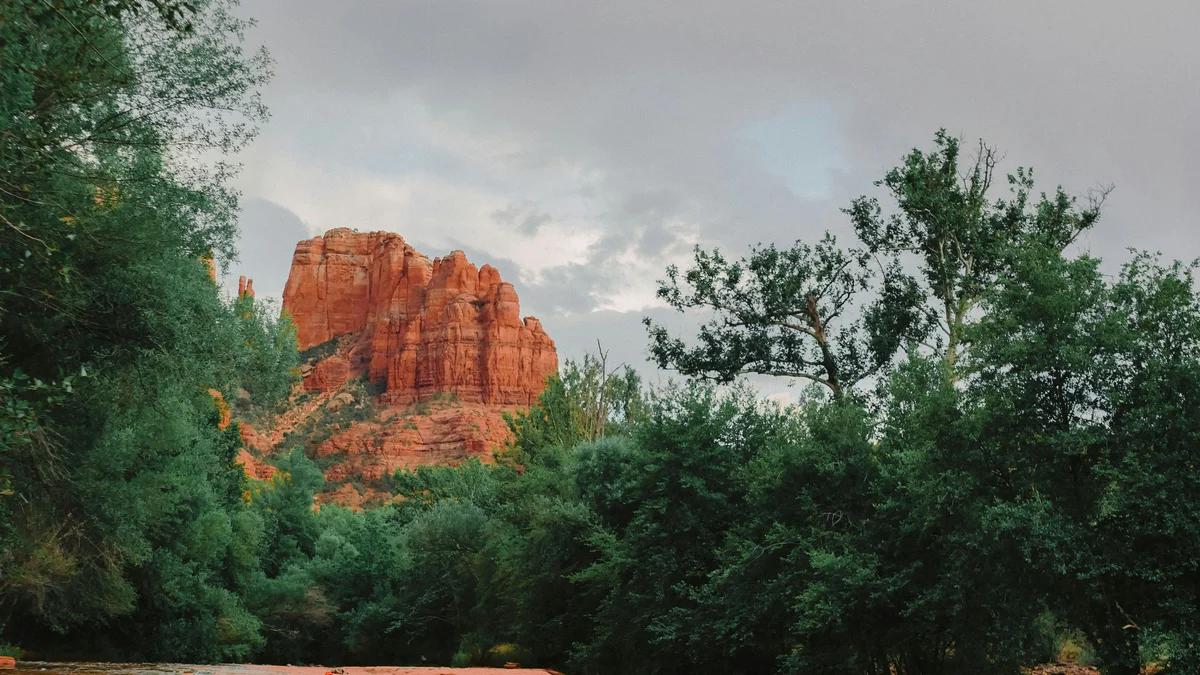
A Voyzo private Sedona tour can include the chapel with a private vehicle and driver and door-to-door pickup, which avoids the parking wait on busy days and combines easily with Bell Rock, Cathedral Rock and Red Rock Crossing.
See every tour and attraction we cover in Sedona.