TorontoOntario · 36 tours
 Niagara FallsOntario · 25 tours
 New York CityNew York · 30 tours
 Las VegasNevada · 8 tours
 San FranciscoCalifornia · 16 tours
 VancouverBritish Columbia · 17 tours
 DubaiUAE · 54 tours
 Abu DhabiUAE · 5 tours
 Buenos AiresArgentina · 23 tours
 AthensGreece · 31 tours
 AucklandNew Zealand · 38 tours
 CancunMexico · 54 tours
No destinations match “”. Try searching all tours instead — that search understands full questions, not just place names.
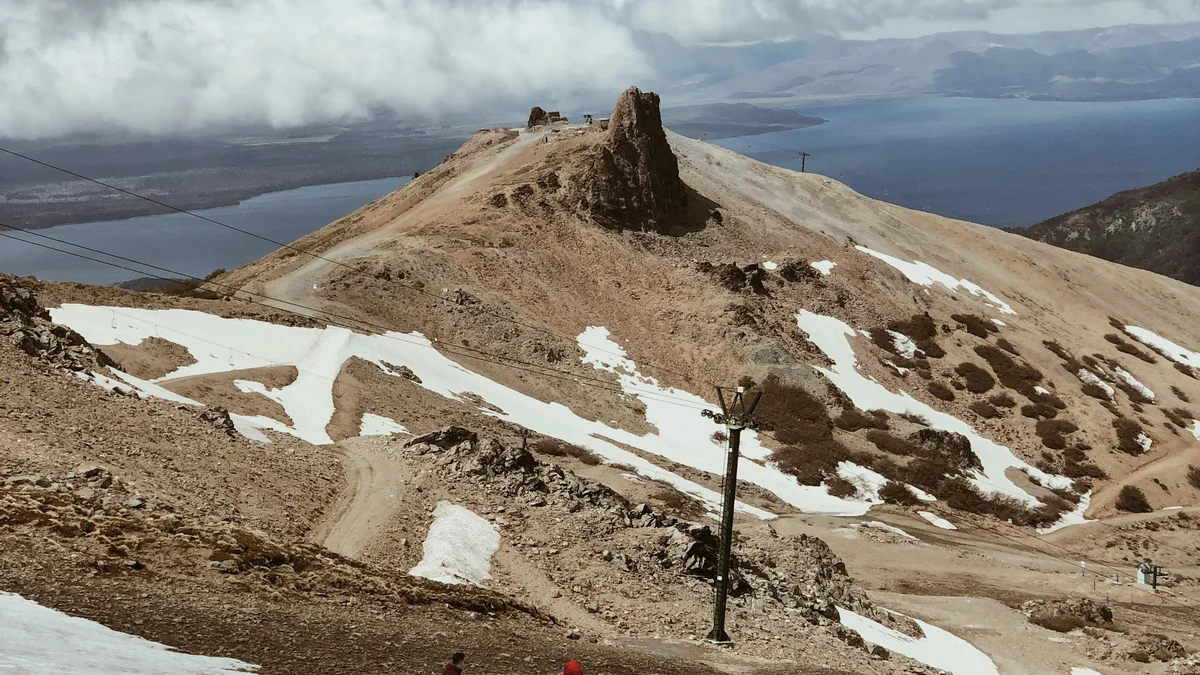
Argentina's largest mountain resort and one of South America's premier ski destinations in winter, with a base village, lift access, and hiking and climbing routes in the warmer months — named for its cathedral-like jagged granite spires.
 Private Tours
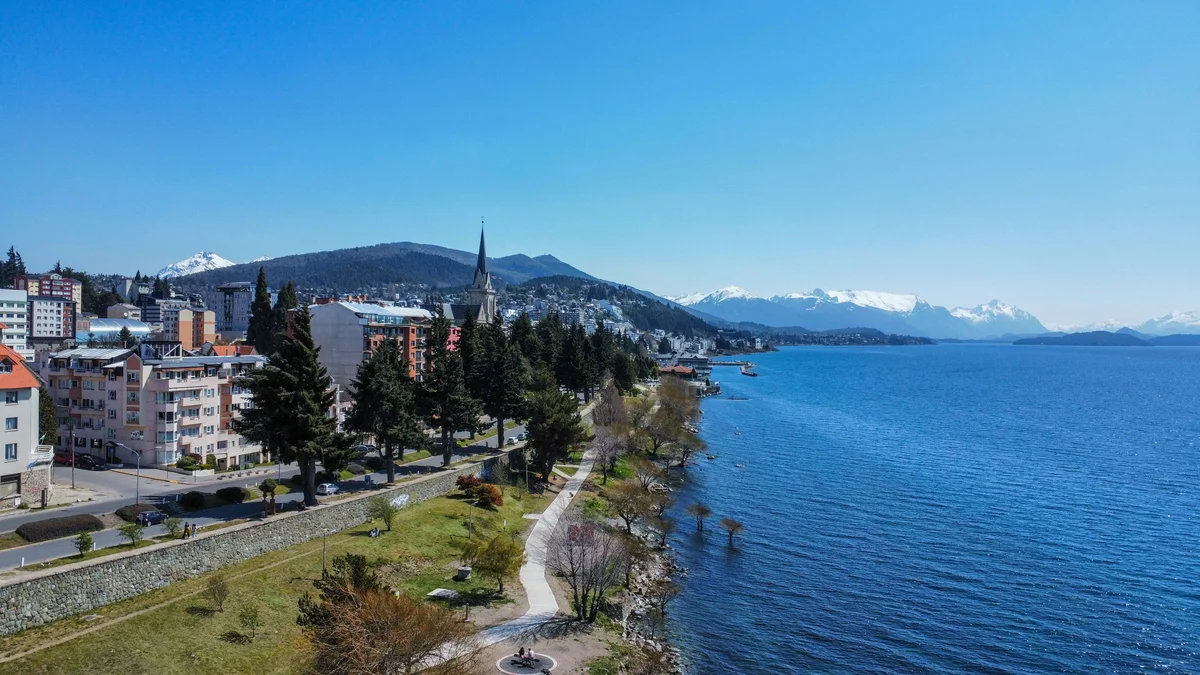
A comprehensive private full-day tour of Bariloche, crossing the city's neighborhoods to Lake Gutiérrez's east coast, the Grotto de la Virgen de las Nieves, the base of Cerro Catedral, Colonia Suiza, and the complete Circuito Chico loop, including Panoramic Point, López Bay, the Llao Llao Hotel, San Eduardo Chapel, Puerto Pañuelo, and Cerro Campanario.
 Private Tours
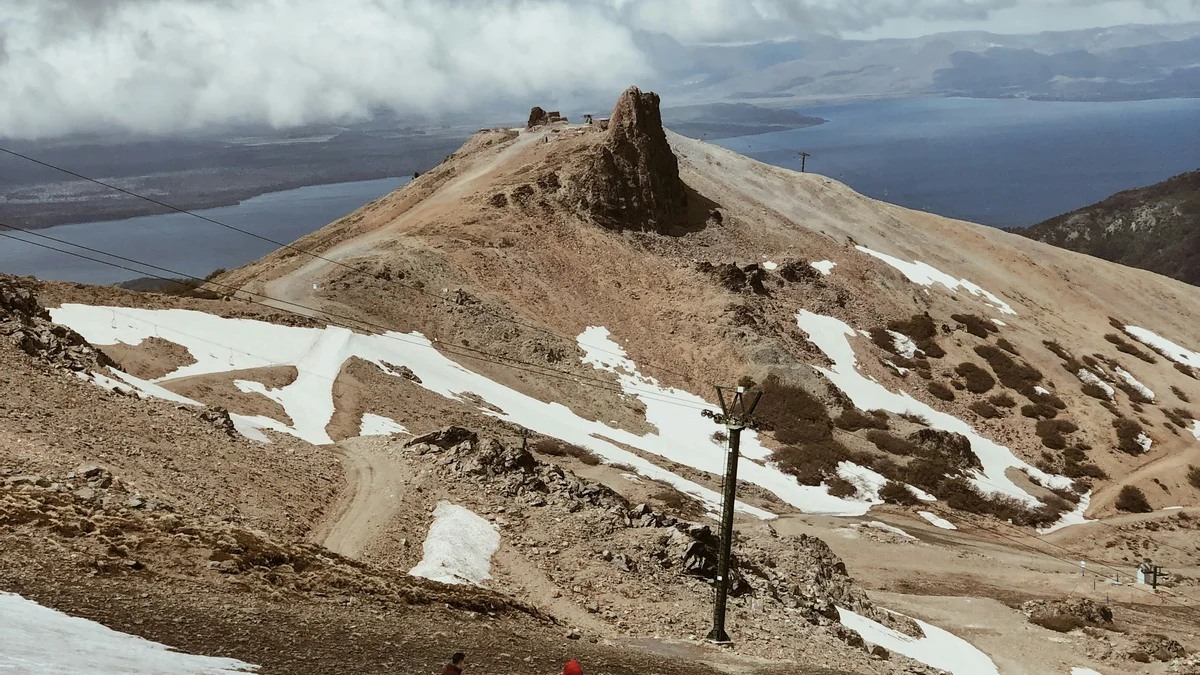
A private day trip to Cerro Catedral, Argentina's largest mountain resort in the Lake District, spent hiking, climbing, or riding the ski lift up for panoramic views over Bariloche and Nahuel Huapi Lake, with time for shopping and dining at the base village.
Visitor guide
Cerro Catedral is a mountain and ski resort about 19 kilometres from San Carlos de Bariloche in Patagonia, Argentina, inside Nahuel Huapi National Park. Its rocky summits rise above Lake Nahuel Huapi, and it is among the best-known ski areas in the country, also used for hiking and climbing in the warmer months.
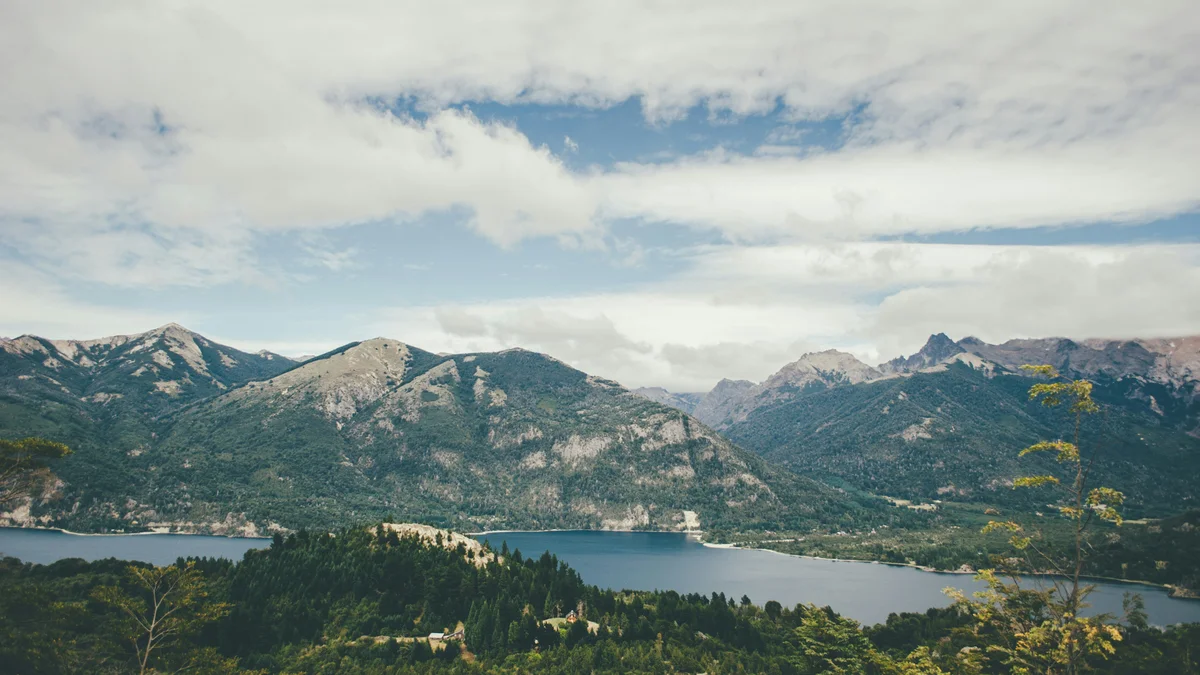
Wikipedia gives the top of the resort at 2,100 metres and the base at about 1,030 metres, with the highest summit, the Torre Principal, often cited at 2,388 metres. Sources vary in the figures they give. The mountain is said to be named for its resemblance to a cathedral; a ski history in the Skiing History journal says it was named for this resemblance, and Spanish-language sources attribute the name to a series of stone spires at the southern end of the massif. The panoramic view takes in Lake Nahuel Huapi, Campanario Hill, Lakes Moreno and El Trebol, Cerro Bellavista and the Andes.
According to the Skiing History account, in 1936 the National Parks Directorate hired the Innsbruck-born skier Hans Nobl to find a site near Bariloche for a world-class ski resort, and he chose Cerro Catedral. Spanish sources agree, saying Nobl, an Austrian ski champion, judged its slopes the most suitable, and that the first competition took place in 1938. The Club Argentino de Ski was founded in 1938, and in 1940 the first drag lifts were installed, financed by Dr. Antonio Lynch. Refugio Lynch became the first ski lodge on the mountain. A cable car, with parts that had waited in Italy until trade resumed after the Second World War, is reported to have opened in 1950.
Local ski schools followed in the 1940s, including one led by Catalina Reynal, who helped local children learn to ski. Otto Meiling, a Bavarian climber and co-founder of the Club Andino Bariloche, is also named as an early ski instructor. Later milestones given by Spanish-language sources include the Lynch chairlift in 1964 or 1965, FIS certification of the slopes for international competition in 1973, and the unification of north and south slopes under one concession in 2004.
Wikipedia describes a skiable area of about 600 hectares with roughly 31 to 48 kilometres of runs, the longest about 9 kilometres, and dozens of lifts. Snow-day and lift figures vary by source and year. The resort is within Nahuel Huapi National Park, which the park's own brochure gives as 717,261 hectares, about 7,170 square kilometres.
In the warmer months the mountain is a base for trekking and rock climbing. Refugio Lynch is a summer hikers' hut on one of the tops, while Refugio Emilio Frey, run by the Club Andino Bariloche, sits beside the Toncek lagoon near the Torre Principal and serves trekkers and climbers. Frey was named the first superintendent of Nahuel Huapi National Park in 1934, but sources do not explain why the refuge carries his name. The resort also offers year-round activities for non-skiers.
The mountain is reached by road from Bariloche, and the base area has hotels and hostels. Snow conditions, wind and weather decide what is open in any season, so plans should be flexible. A private tour with a driver can combine the mountain with nearby lake and forest scenery on the same day.
See every tour and attraction we cover in Bariloche.