TorontoOntario · 36 tours
 Niagara FallsOntario · 25 tours
 New York CityNew York · 30 tours
 Las VegasNevada · 8 tours
 San FranciscoCalifornia · 16 tours
 VancouverBritish Columbia · 17 tours
 DubaiUAE · 54 tours
 Abu DhabiUAE · 5 tours
 Buenos AiresArgentina · 23 tours
 AthensGreece · 31 tours
 AucklandNew Zealand · 38 tours
 CancunMexico · 54 tours
No destinations match “”. Try searching all tours instead — that search understands full questions, not just place names.
A dark, debris-covered glacier on the slopes of Cerro Tronador, a prominent Andean peak of roughly 3,480 meters (sources differ), reached via Nahuel Huapi National Park — visitors can hear the booming sound of calving ice from a nearby viewpoint.
Visitor guide
The Ventisquero Negro, or Black Glacier, is a sediment-darkened glacier on Cerro Tronador in Nahuel Huapi National Park, Argentina. Tronador is an extinct volcano on the Argentina-Chile border near Bariloche, and the Ventisquero Negro is one of its best-known glaciers, reached through the Pampa Linda area at the foot of the mountain.
Spanish Wikipedia describes the Ventisquero Negro as a cirque glacier, one of fourteen glaciers on Cerro Tronador according to that article, lying at about 1,000 m above sea level and draining into the Arroyo Grande. It picks up sediment along its course, which gives it a dark colour that sets it apart from white glaciers such as Perito Moreno in Santa Cruz. English Wikipedia describes the dark brown colour as coming from dirt and sediment gathered in the accumulation zone, and says brown icebergs calve into a small lake until they melt.
The glacier is fed by frequent, loud ice avalanches that fall from the Manso Glacier, roughly 700 m higher on the mountain. It is in retreat, as most glaciers on Tronador are. Local and regional press reports describe a proglacial lake that has grown as the ice front has pulled back, with figures of roughly 70 m of depth quoted in 2023, though measurements vary between reports.
Regional reports and a glacier-monitoring blog record that in 2009 part of the terminal moraine holding back the lake at the Ventisquero Negro broke and sent a flood down the Pampa Linda valley, reaching about 7 km downstream. The reported area of the lake changed from roughly 0.5 square kilometres before the event to about 0.37 afterwards, and later accounts give a larger figure again. These numbers come from news and blog sources rather than a single official survey, so treat them as approximate. The episode is a reminder that this is a living, changing glacial landscape.
Tronador, meaning Thunderer, was named by locals for the sound of falling ice. Sources give differing heights: English Wikipedia's text says 3,470 m, its infobox says 3,491 m, and Spanish Wikipedia says 3,478 m. It is a stratovolcano, mostly basalt, that grew during Pleistocene glacial and interglacial periods and became practically extinct about 300,000 years ago as the active volcanic front shifted and neighbouring volcanoes such as Osorno and Calbuco grew to the west. The mountain lies in two national parks, Nahuel Huapi in Argentina and Vicente Perez Rosales in Chile, and carries up to eight inventoried glaciers, including Alerce, Castano Overa, Casa Pangue, Rio Blanco, Frias, Peulla and Manso alongside the Ventisquero Negro.
Wikipedia notes that the surrounding fjords, glacial lakes and U-shaped valleys were shaped during the Quaternary glaciations, when the Patagonian Ice Sheet covered the area. Casa Pangue, on the Chilean side, thinned between 1961 and 1998 and retreated at about 52 m a year between 1981 and 1998, which the article attributes to reduced precipitation and warming in the upper troposphere.
Many attempts preceded the first ascent, including at least five by Frederic Reichert between 1909 and 1931 and one by Otto Meiling with Tutzauer in 1933. Hermann Claussen made the first ascent, solo, on 29 January 1934. A Spanish-language source says Meiling made the second ascent on 6 March 1937. The hut named for Meiling stands about 1,200 m above Pampa Linda and is the goal of popular hikes; sources disagree on when it was built, so no date is given here.
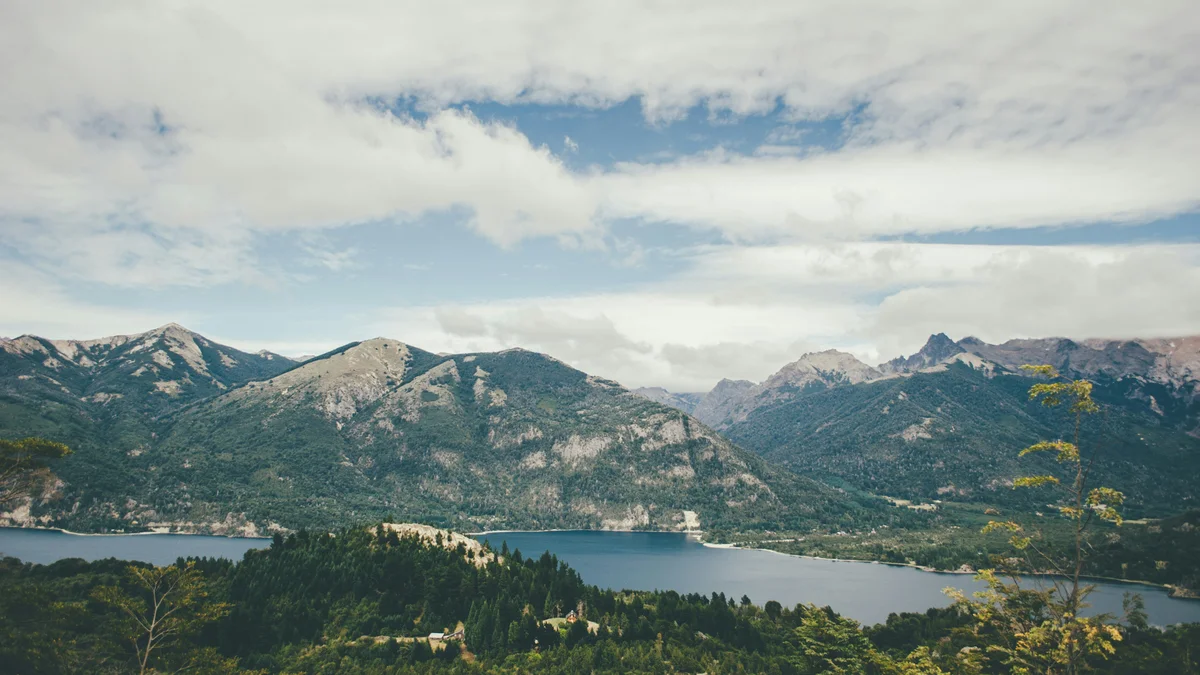
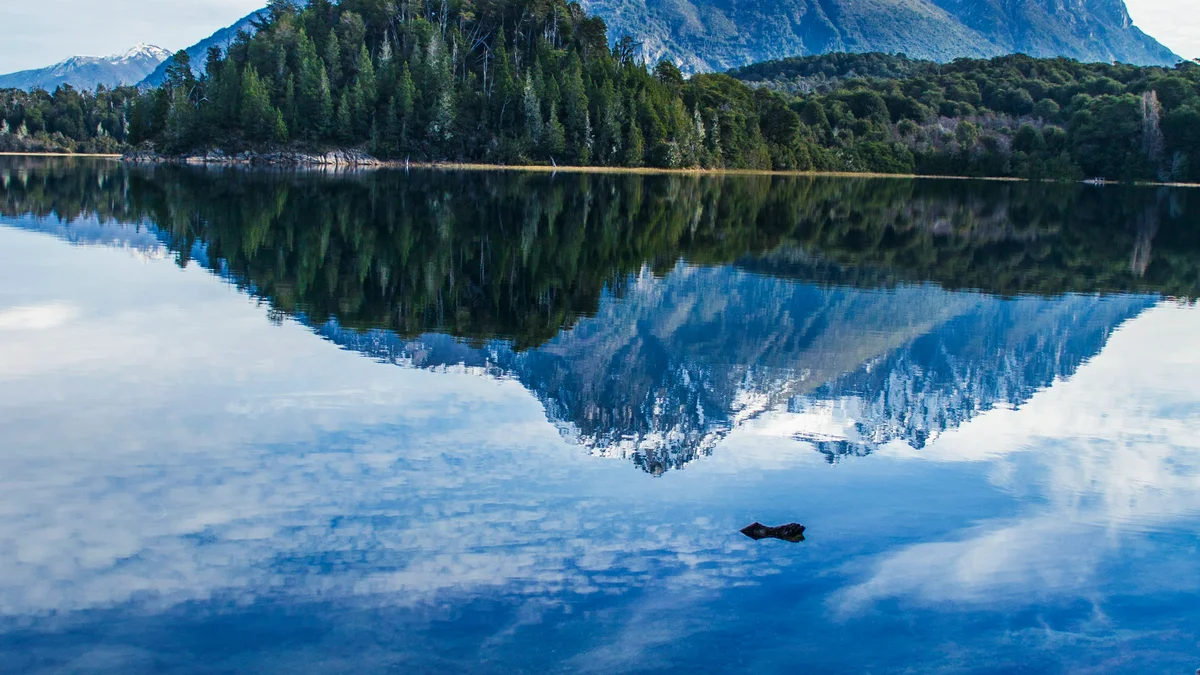
Nahuel Huapi National Park covers about 7,050 square kilometres around Lake Nahuel Huapi. Wikipedia says Perito Moreno donated land and proposed the park in 1903 and that it took its current name in 1934, though the article gives more than one date for the earlier opening. The park spans Patagonian steppe in the drier east and Valdivian temperate rainforest in the wetter west, with annual rainfall from about 4,000 mm in the west to 600 mm in the east, and wildlife that includes huemul, pudu, cougar, guanaco, river otter and Andean condor.
The glacier sits in the Wet Andes, so weather can be damp and changeable. The route from Bariloche follows lakes and valleys inside the park. A private guided visit suits the area because the road is long and viewpoints along the way can be taken at an easy pace.
See every tour and attraction we cover in Bariloche.