TorontoOntario · 36 tours
 Niagara FallsOntario · 25 tours
 New York CityNew York · 30 tours
 Las VegasNevada · 8 tours
 San FranciscoCalifornia · 16 tours
 VancouverBritish Columbia · 17 tours
 DubaiUAE · 54 tours
 Abu DhabiUAE · 5 tours
 Buenos AiresArgentina · 23 tours
 AthensGreece · 31 tours
 AucklandNew Zealand · 38 tours
 CancunMexico · 54 tours
No destinations match “”. Try searching all tours instead — that search understands full questions, not just place names.
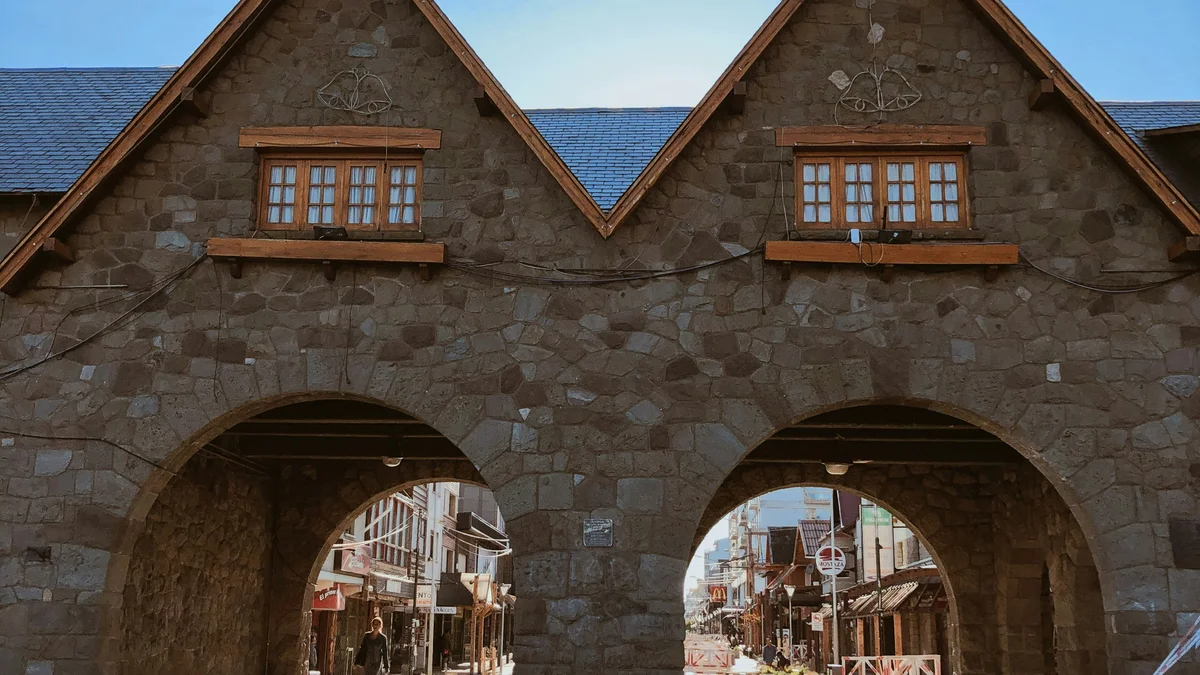
Bariloche's historic civic center, built from local stone and Patagonian cypress in an Alpine style in the 1930s-40s, home to the Museo de la Patagonia and the city's central plaza — the architectural anchor of downtown San Carlos de Bariloche.
Visitor guide
The Centro Civico is the civic center of San Carlos de Bariloche in Patagonia, Argentina, a group of stone and timber buildings arranged around a plaza overlooking Lake Nahuel Huapi. Inaugurated on 17 March 1940 and recognised as a national historic monument, it is the emblem of the city's alpine-style architecture.
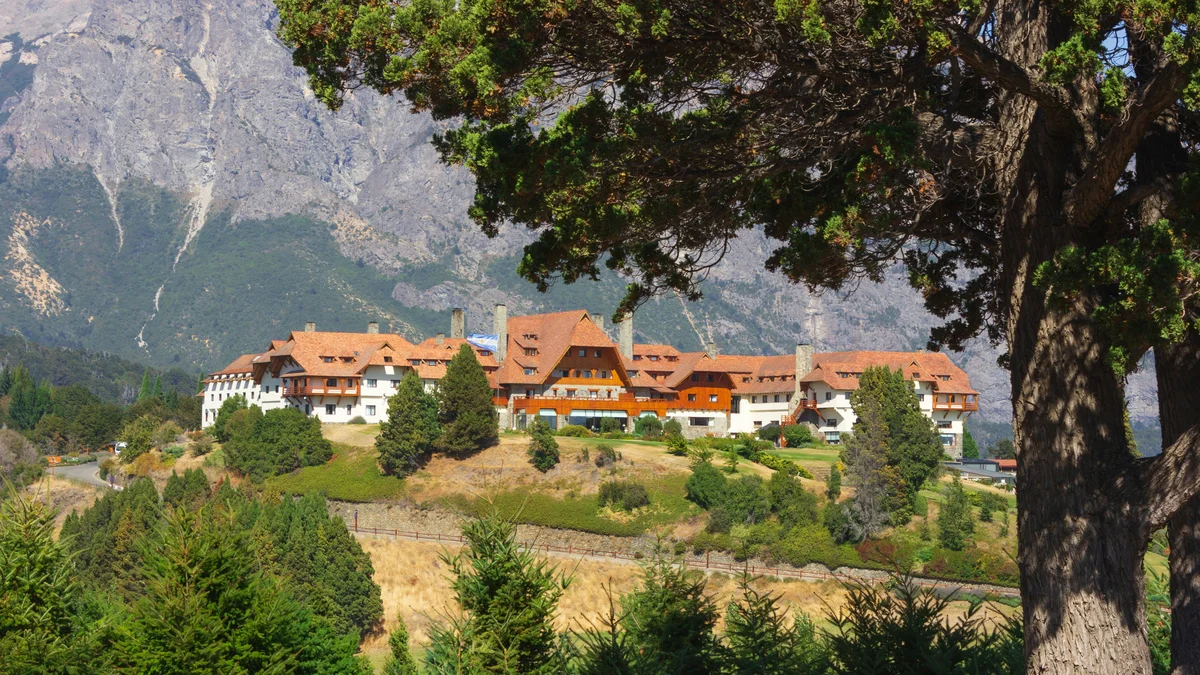
Bariloche was founded on 3 May 1902 as the Nahuel Huapi Agricultural Colony, and Wikipedia says the railway arrived in 1934. That year Ezequiel Bustillo, then head of the National Parks Directorate, hired his brother Alejandro Bustillo to design buildings in the national parks. Public works from 1935 to 1940 gave the city a distinctive architectural style often compared with an alpine European town, earning it the nickname Little Switzerland. Alejandro Bustillo designed the Llao Llao Hotel, the neo-Gothic cathedral and Plaza Perito Moreno.
The Centro Civico itself was designed by the architect Ernesto de Estrada, with the participation of the Bustillo brothers, according to the local news outlet ANBariloche. Builders were led by Enrique Lunde. Wikipedia says it was built with local stone, slate and Fitzroya wood, while other sources describe cypress and alerce timber, local stone and black slate roofs; accounts differ on the exact stone, which one source says is green volcanic stone from Cerro Carbon.
The complex houses municipal offices and the Francisco P. Moreno Museum of Patagonia, which occupies the east wing. A monument to Julio Argentino Roca stands in the center of the plaza, surrounded by the municipal and civic buildings. The post office was once located there, and a photograph in the archives shows Juan Domingo Peron and Eva Duarte on its balcony. The plaza is also a meeting point for protests and artistic events, according to a local resident quoted by ANBariloche.
Most sources say the Centro Civico was declared a national historic monument in 1987, under Resolution 1250/87, while another cites Decree 325/89; the sources differ on the exact instrument and date. The museum is reported to have been declared a national monument together with the rest of the complex. In 2015 a municipal councillor proposed a municipal historic monument designation, and the result is not clear from the sources found. A 2022 report said the complex survives largely thanks to the quality of its materials.
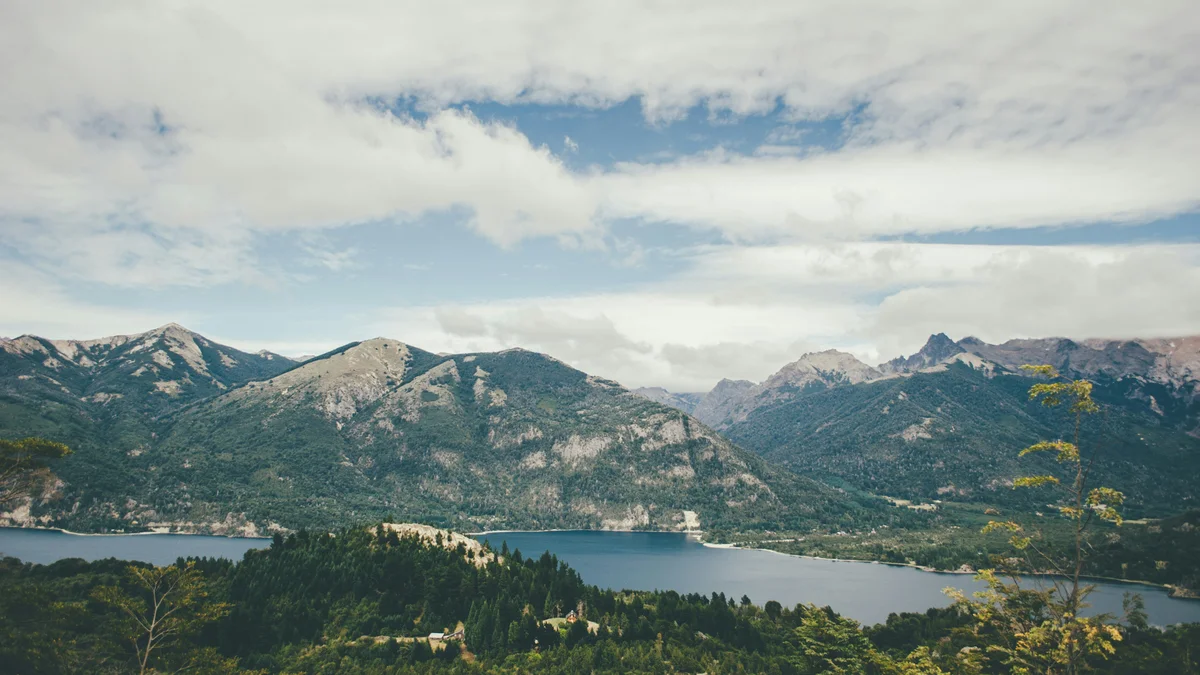
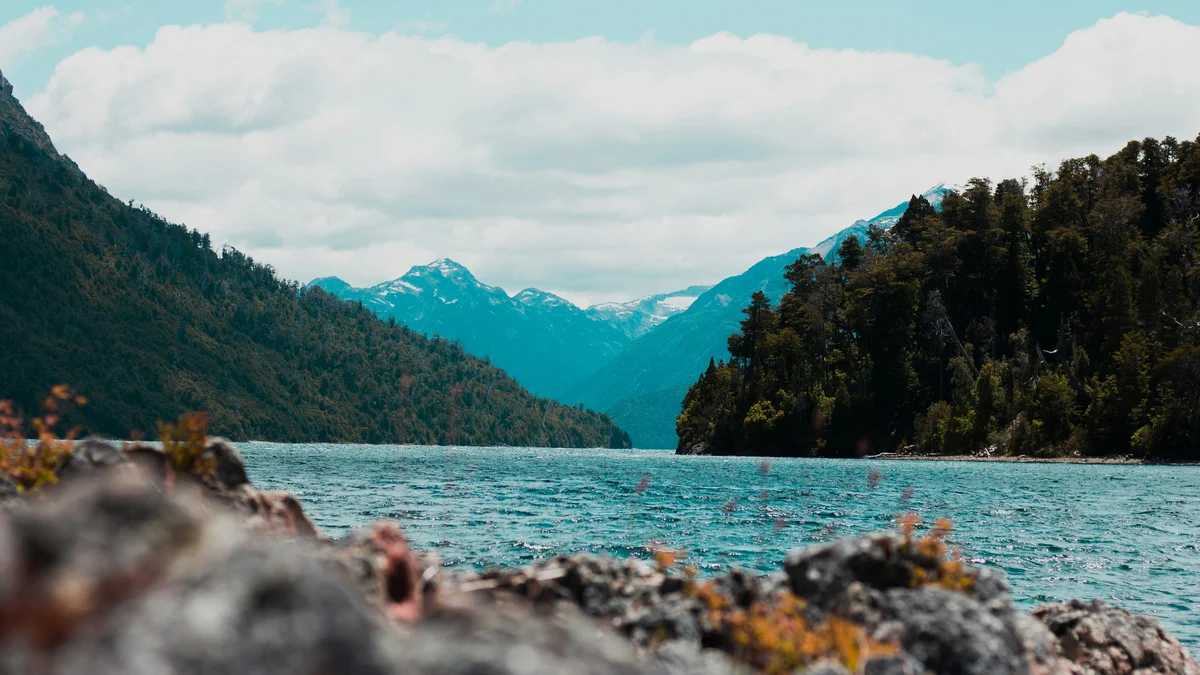
Bariloche sits on the southern shore of Lake Nahuel Huapi, in the foothills of the Patagonian Andes, surrounded by Nahuel Huapi National Park. Wikipedia notes that the name Bariloche comes from the Mapudungun Vuriloche, said to mean people from behind the mountain, though this claim lacks a citation. Lake water is cold, around 12 to 15 degrees Celsius. Winds are strong and frequent, and the climate is alpine in character.
The Centro Civico is easily seen on foot as part of a city walk, with the lake views at the edge of the plaza. A private tour can combine it with the cathedral, lakefront and nearby viewpoints. The museum is part of the complex.
See every tour and attraction we cover in Bariloche.