TorontoOntario · 36 tours
 Niagara FallsOntario · 25 tours
 New York CityNew York · 30 tours
 Las VegasNevada · 8 tours
 San FranciscoCalifornia · 16 tours
 VancouverBritish Columbia · 17 tours
 DubaiUAE · 54 tours
 Abu DhabiUAE · 5 tours
 Buenos AiresArgentina · 23 tours
 AthensGreece · 31 tours
 AucklandNew Zealand · 38 tours
 CancunMexico · 54 tours
No destinations match “”. Try searching all tours instead — that search understands full questions, not just place names.
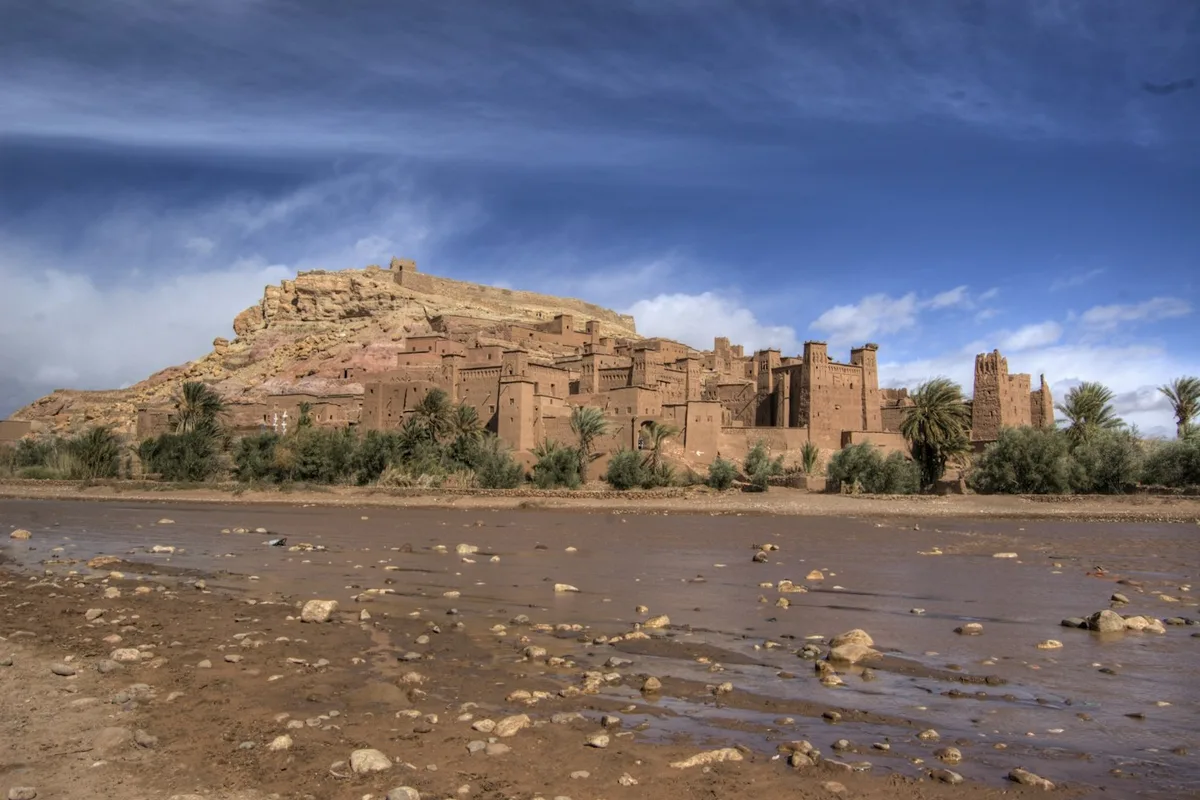
A fortified UNESCO World Heritage ksar of red-earth kasbahs on the old caravan route between the Sahara and Marrakech, used as a filming location for movies including Gladiator and Lawrence of Arabia.
 Multi-Day Tours
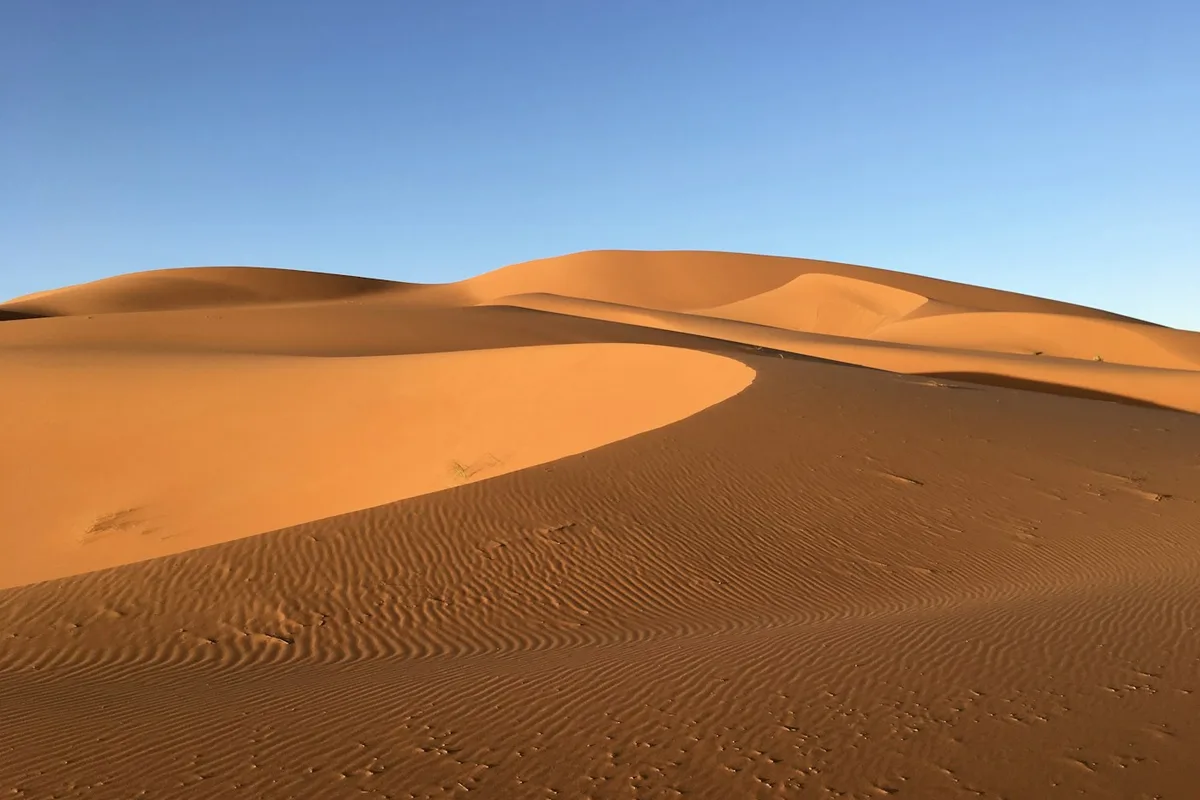
A 12-day sweep of Morocco's essential highlights — Casablanca, Tangier, Chefchaouen and Fes, an overnight Sahara desert camp at Erg Chebbi, the Dades Valley and Todra Gorges, Aït Benhaddou, Marrakech and Essaouira.
 Multi-Day Tours
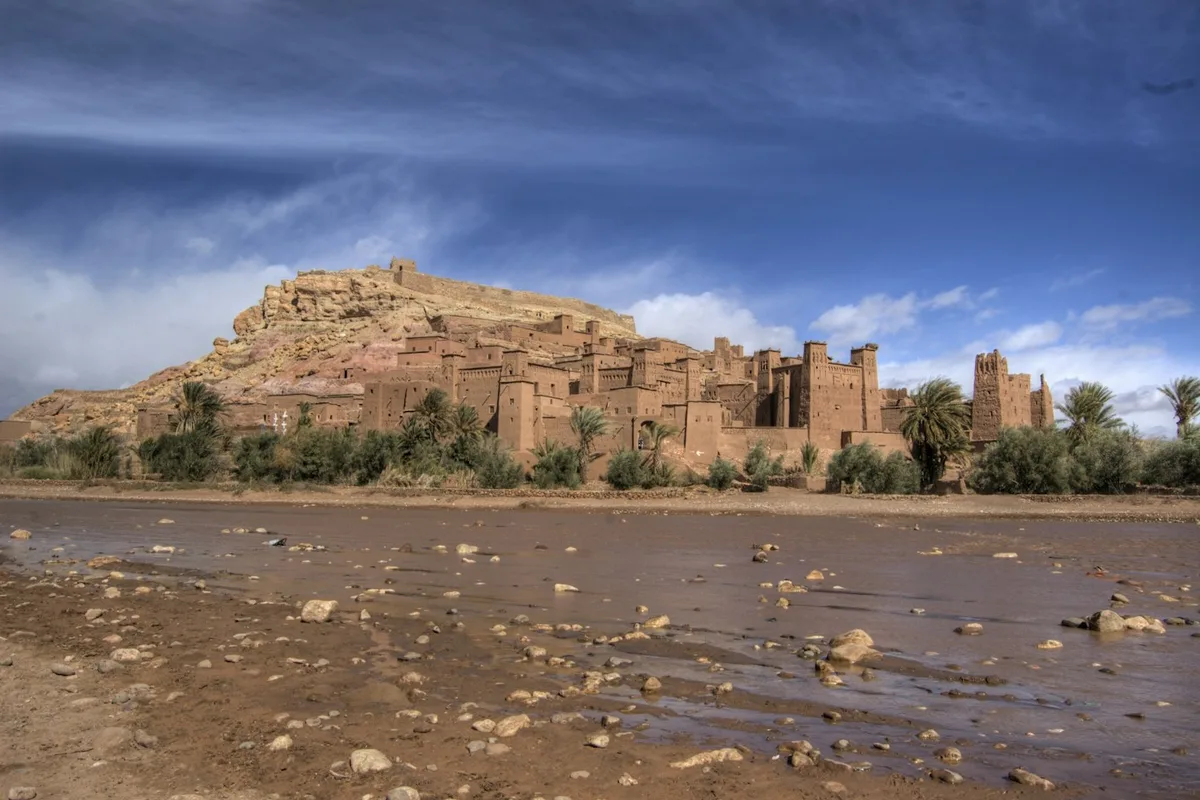
A 13-day traverse of Morocco's landscapes — Marrakech, the UNESCO ksar of Aït Benhaddou, the Dades Valley and Todra Gorge, a camel trek and overnight camp at Erg Chebbi, the Taroudant medina, and the Atlantic coast at Agadir, Taghazout and Essaouira.
 Multi-Day Tours
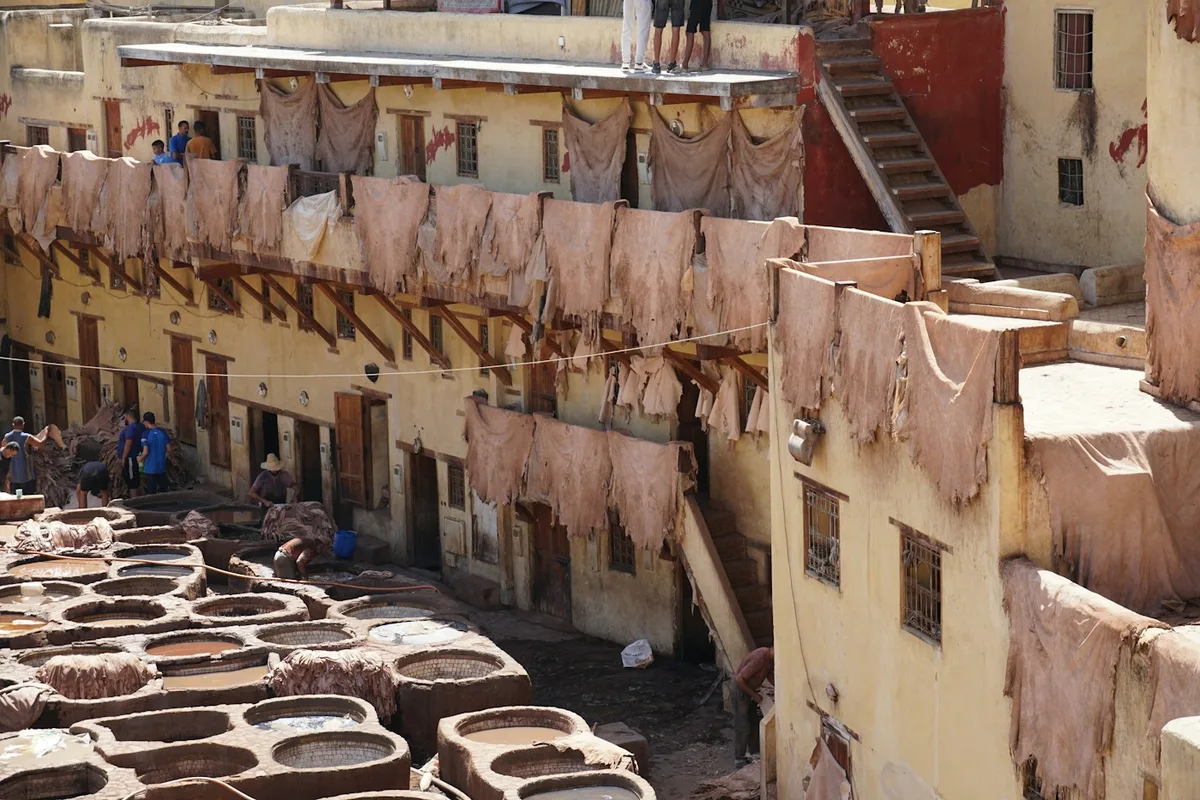
An 11-day culinary journey from Casablanca to Marrakech — street food and cooking classes in Fes, an overnight Sahara desert camp at Merzouga, Berber cooking in a Skoura kasbah, and an immersive cooking workshop in Marrakech.
Visitor guide
Ait Benhaddou is a historic ksar, or fortified village, along the former caravan route between the Sahara and Marrakech in Morocco. It is considered a great example of Moroccan earthen clay architecture and has been a UNESCO World Heritage Site since 1987. Its red-earth buildings climb a hillside beside the Ounila River in the Atlas foothills.
According to Wikipedia, the site has been fortified since the 11th century, during the Almoravid period. None of the current buildings are thought to date from before the 17th century, but they were probably built with methods and designs used for centuries before. The ksar's importance came from its position in the Ounila Valley on one of the main trans-Saharan trade routes. That route led to the Tizi n'Tichka pass, one of the few ways across the Atlas Mountains between Marrakech and the Draa Valley on the edge of the Sahara. Other kasbahs and ksour stand along the same route, including nearby Tamdaght.
The village sits on a hillside within a defensive wall with corner towers and a gate. Its buildings range from modest houses to tall structures with towers, and some are decorated in their upper parts with geometric motifs. Public buildings include a mosque, a caravanserai, several kasbahs and the marabout of Sidi Ali or Amer. At the top of the hill are the remains of a large fortified granary, known as an agadir, and the site also has a public square and both Muslim and Jewish cemeteries. Grain was grown and threshed in the area outside the walls.
The structures are made entirely of rammed earth, adobe, clay bricks and wood. Rammed earth was practical and cheap but needed constant maintenance, and a mix of earth and straw is easily eroded by rain. Wikipedia says villages of this type can begin to crumble only a few decades after being abandoned. At Ait Benhaddou the taller buildings are rammed earth up to the first floor, with lighter adobe above to reduce the load on the walls.
Today the ksar is only sparsely inhabited by a few families. Most residents live in modern homes in the village across the river and work in agriculture and tourism. A pedestrian bridge linking the old ksar with the modern village was completed in 2011. UNESCO reports that the ksar has preserved its architectural authenticity in configuration and materials by using traditional techniques and avoiding new concrete construction, and a local committee oversees the site. Wikipedia notes the ksar has been significantly restored in modern times, helped by its use as a film location and its World Heritage listing, and that it appeared in the television series Game of Thrones among many productions shot in Morocco. It was damaged in the September 2023 earthquake that struck southern Morocco, with cracks and partial collapses reported in an early assessment.
Ait Benhaddou is commonly visited on routes between Marrakech and the Draa Valley or Sahara. A private tour with a driver and guide lets travellers cross the pedestrian bridge, understand how earthen architecture works and place the village within the history of the caravan trade.
See every tour and attraction we cover in Morocco.