TorontoOntario · 36 tours
 Niagara FallsOntario · 25 tours
 New York CityNew York · 30 tours
 Las VegasNevada · 8 tours
 San FranciscoCalifornia · 16 tours
 VancouverBritish Columbia · 17 tours
 DubaiUAE · 54 tours
 Abu DhabiUAE · 5 tours
 Buenos AiresArgentina · 23 tours
 AthensGreece · 31 tours
 AucklandNew Zealand · 38 tours
 CancunMexico · 54 tours
No destinations match “”. Try searching all tours instead — that search understands full questions, not just place names.
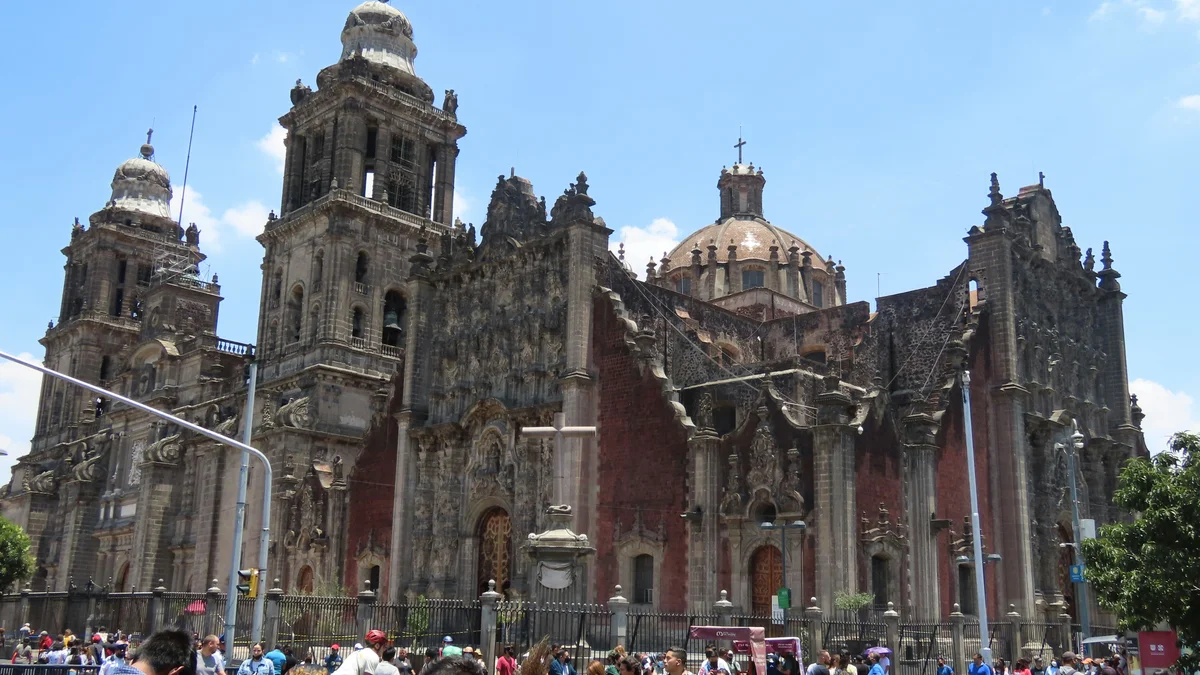
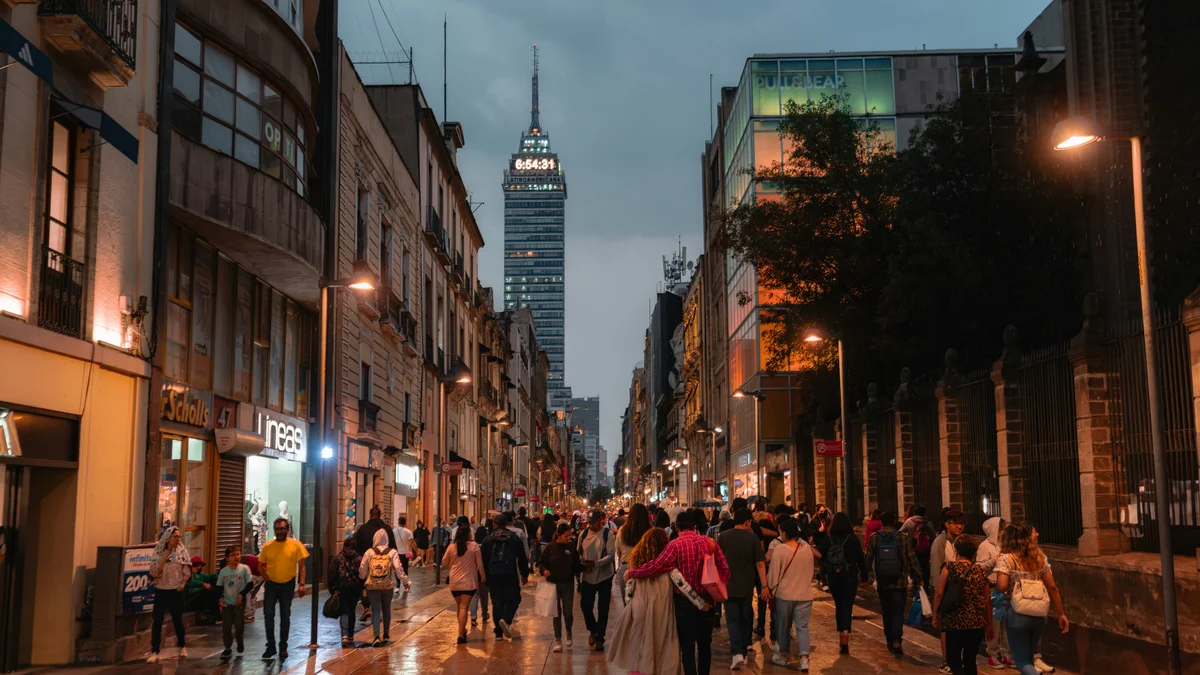
Mexico City's Plaza de la Constitución, universally known as the Zócalo, is one of the largest public squares in the world and has served as the ceremonial heart of the city since Aztec times, when it was the center of Tenochtitlan. It's flanked by the Metropolitan Cathedral, the largest cathedral in the Americas, and the National Palace, seat of the federal government and home to Diego Rivera's famous murals. The surrounding Centro Histórico is a UNESCO World Heritage Site packed with colonial-era architecture built atop Aztec ruins.
Visitor guide
The Zocalo, formally the Plaza de la Constitucion, is the main square in the historic center of Mexico City. Bordered by the Metropolitan Cathedral and the National Palace, it sits on the site of the Aztec capital Tenochtitlan and remains the center of national and city government and a venue for celebrations and public gatherings.
The formal name comes from the Cadiz Constitution of 1812 rather than any Mexican constitution. The square was earlier called the Plaza Mayor or Plaza de Armas, and the nickname Zocalo comes from a plinth: planners intended an independence monument on the site, but only its base was built, and the name stuck. Other Mexican cities also use zocalo for their main plazas. According to Wikipedia, the modern square is about 240 meters on each side, roughly 57,600 square meters, with the Metropolitan Cathedral to the north and the National Palace to the east. A very large Mexican flag flies from the central flagpole and is raised and lowered in a daily ceremony.
Before the Spanish conquest, the area was open space at the heart of the Aztec capital. Moctezuma II's palace bordered it to the east, and the Templo Mayor, the Great Temple that the Aztecs saw as the center of the universe, stood just northeast. Two main roads crossed here, dividing the city into four neighborhoods. After the conquest, Alonso Garcia Bravo laid out the plaza, and Hernan Cortes redesigned the city: a church was built where the four neighborhoods met, which became the Metropolitan Cathedral, and Cortes's palace was built over the ruins of Moctezuma's.
Flooding was a constant problem, and a flood in 1629 left the plaza two meters underwater. The Parian market opened in 1703 and was demolished in 1843. An equestrian statue of Charles IV by Manuel Tolsa stood in the square from 1803, and in 1813 officials swore allegiance to the Cadiz Constitution here. The square was turned into a garden in 1866, a kiosk was added in 1878, and during the Porfiriato market stalls filled it again. In the late 1990s a major renovation was launched to revive the historic center.
The Zocalo hosts the Grito de Dolores on 15 September, delivered from the National Palace balcony, as well as Holy Week and May Day gatherings, and a Day of the Dead parade held since 2016. It is also a traditional location for political demonstrations and large concerts, since the plaza can hold more than 100,000 people.
Beyond the cathedral and palace, the square is flanked by government buildings and the old Portal de Mercaderes. The Templo Mayor site and museum lie a short walk away.
The square is open and exposed, with large gatherings sometimes closing parts of it. A private guided visit with a driver can combine the Zocalo with the cathedral, the Templo Mayor and other historic center landmarks.
See every tour and attraction we cover in Mexico City.