TorontoOntario · 36 tours
 Niagara FallsOntario · 25 tours
 New York CityNew York · 30 tours
 Las VegasNevada · 8 tours
 San FranciscoCalifornia · 16 tours
 VancouverBritish Columbia · 17 tours
 DubaiUAE · 54 tours
 Abu DhabiUAE · 5 tours
 Buenos AiresArgentina · 23 tours
 AthensGreece · 31 tours
 AucklandNew Zealand · 38 tours
 CancunMexico · 54 tours
No destinations match “”. Try searching all tours instead — that search understands full questions, not just place names.
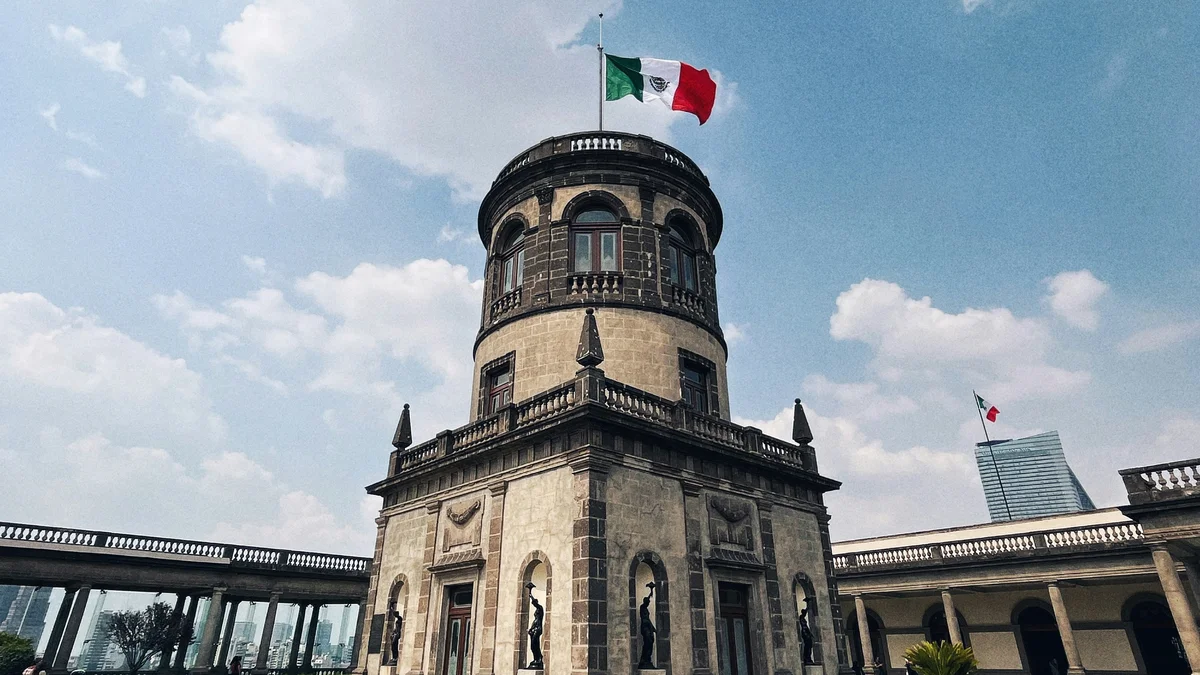
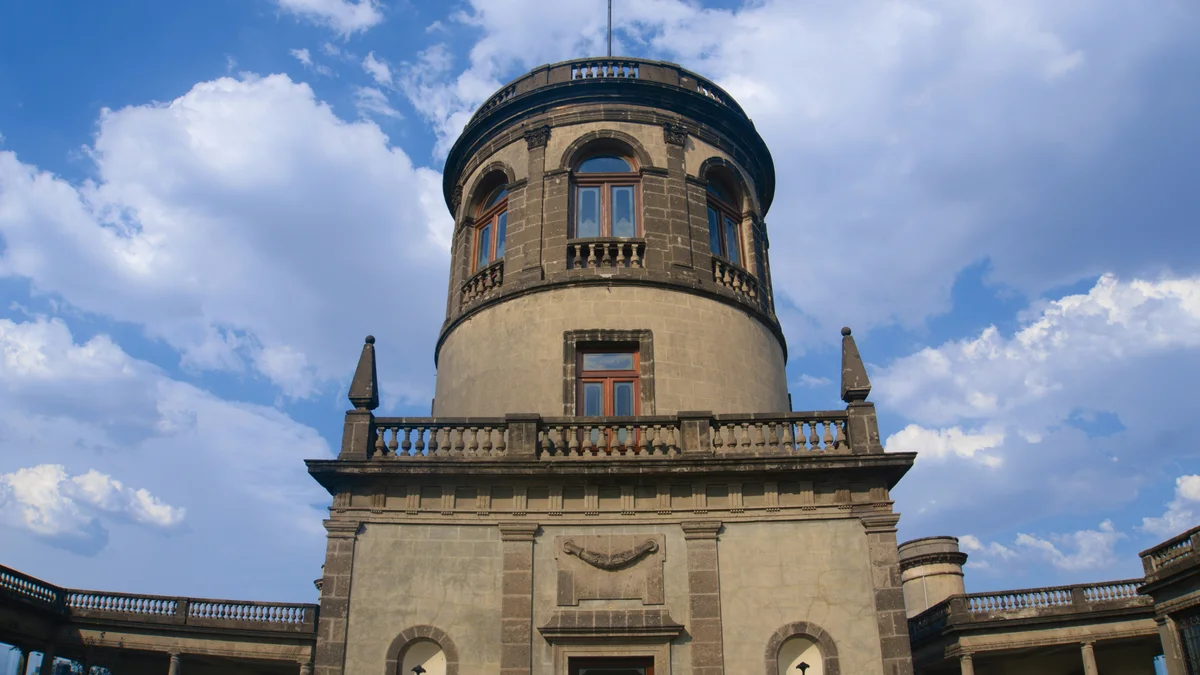
Perched atop Chapultepec Hill, this 18th-century castle housed reigning sovereigns, Emperor Maximilian I and Empress Carlota, during the brief Second Mexican Empire. It later served as the official residence of Mexican presidents before becoming the National Museum of History. Its terraces and formal gardens offer sweeping views over Chapultepec Park and the Mexico City skyline.
Visitor guide
Chapultepec Castle stands on Chapultepec Hill at the entrance to Chapultepec Park in Mexico City. Built from the 1780s as a viceregal residence, it later served as a military academy, an imperial palace and a presidential home, and it now houses the National Museum of History.
The name Chapultepec comes from the Nahuatl for on the hill of the grasshopper, and the hill was a sacred site for the Aztecs. The castle sits about 2,325 meters above sea level and offers views across the Valley of Mexico. In 1785 Viceroy Bernardo de Galvez ordered a residence built at the summit, with plans by the engineer Francisco Bambitelli. Galvez died in 1786 with the building unfinished, and the Crown ordered it auctioned, though no buyers came forward. The Mexico City government bought it in 1806.
After lying abandoned during the War of Independence, the building became the Military College in 1833. During the Mexican-American War, Mexican troops defended the castle against U.S. forces, and on 13 September 1847 the young cadets known as the Ninos Heroes, the Boy Heroes, died there as the castle fell. A ceiling mural above the main entrance honors them, and monuments to them stand in the park.
Archduke Maximilian of Habsburg, invited by Mexican conservatives to rule, made the castle, then called Castillo de Miravalle, his imperial residence in 1864. He and Empress Carlota lived there during the Second Mexican Empire from 1864 to 1867, and architects remodeled the palace in a neoclassical style to suit a royal household. Wikipedia notes that two of them also worked on Neuschwanstein Castle in Bavaria. A roof garden was created, European furniture was brought in, and many of those pieces are still on display. Maximilian also commissioned a straight boulevard linking the castle to the city center, which became the Paseo de la Reforma after the Republic was restored in 1867.
In 1876 a decree turned the site into an astronomical and meteorological observatory, which opened in 1878. In 1882 President Manuel Gonzalez made the castle the official residence of Mexico's presidents, and further changes took place under Porfirio Diaz. Presidents from Madero through Abelardo Rodriguez lived there, until Lazaro Cardenas moved the presidential residence to Los Pinos in 1934.
In 1939 Cardenas established the castle as the National Museum of History, drawing on collections from the former National Museum of Archaeology, History and Ethnography. The museum opened to the public on 27 September 1944. On 16 January 1992 the Chapultepec Peace Accords, which ended the Salvadoran civil war, were signed at the castle.
The grounds include gardens, and the Caballero Alto tower rises above the Alcazar garden. The castle's elevated position makes it one of the few places in central Mexico City with such wide views.
The approach to the castle involves a climb up the hill. A private guided visit with a driver can combine the castle with nearby sites in Chapultepec Park and context on its layered history.
See every tour and attraction we cover in Mexico City.