TorontoOntario · 36 tours
 Niagara FallsOntario · 25 tours
 New York CityNew York · 30 tours
 Las VegasNevada · 8 tours
 San FranciscoCalifornia · 16 tours
 VancouverBritish Columbia · 17 tours
 DubaiUAE · 54 tours
 Abu DhabiUAE · 5 tours
 Buenos AiresArgentina · 23 tours
 AthensGreece · 31 tours
 AucklandNew Zealand · 38 tours
 CancunMexico · 54 tours
No destinations match “”. Try searching all tours instead — that search understands full questions, not just place names.
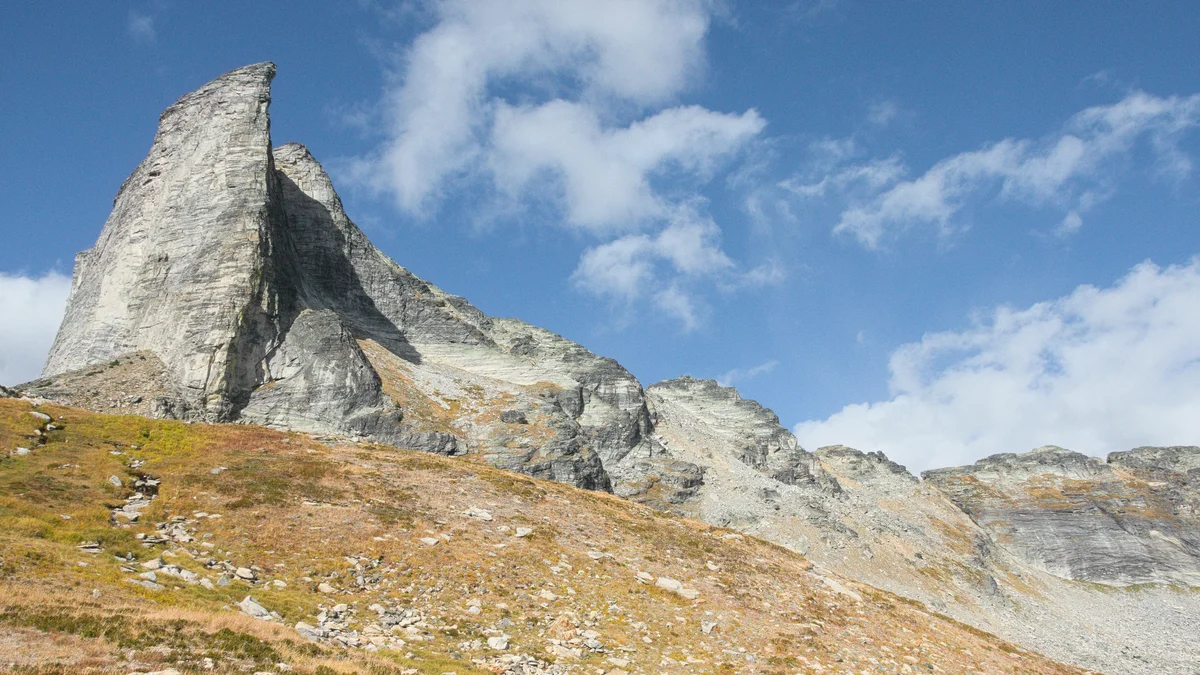
A rugged, largely undeveloped wilderness park on the west side of Slocan Lake, named for its jagged granite peaks and named after Norse mythology's hall of the gods. Its interior is reachable mainly by boat, trail or air, making a scenic flight one of the few ways to take in its full scale.
Visitor guide
Valhalla Provincial Park protects the mountains above the western shore of Slocan Lake in British Columbia's West Kootenays, covering most of the Valhalla Range of the Selkirk Mountains. It was established on March 3, 1983, and is run by BC Parks as a largely undeveloped wilderness park, with about 30 kilometres of Slocan Lake shoreline and castellated granite peaks rising behind it.
The park exists largely because of a long conservation campaign. The Valhalla Wilderness Society, founded in 1975 and led by Colleen McCrory, campaigned for protection for about eight years by the Society's own account, while other writers describe a longer decade-long struggle with forestry interests in the Slocan Valley; the Kootenay Mountaineering Club also advocated for the park. The result was one of the best-known grassroots park campaigns in British Columbia. The park is classed as IUCN category Ib, a wilderness area. Published area figures vary slightly between sources, at roughly 49,900 to 50,100 hectares.
The terrain climbs from the lake to high, jagged peaks, so a single day's hike can pass from low-elevation forest of western red cedar and western hemlock through subalpine forest to alpine terrain. BC Parks notes that Evans Lake and Beatrice Lake are unusually large for high-elevation lakes in the province. Evans Lake Ecological Reserve lies inside the park. Wildlife includes grizzly and black bears, mountain goats, mule and white-tailed deer, cougars, golden eagles and alpine ptarmigan.
BC Parks notes pictographs that point to early Indigenous presence along Slocan Lake, and the land lies within the traditional territories of several First Nations. Prospectors and surveyors arrived in the 1850s, and Slocan Lake later became a commercial route linking early Kootenay towns; remnants of logging flumes can still be found. The nearest community is Slocan, reached by Highway 6, with other lakeshore villages at Silverton and New Denver.
There are no through roads into the park interior. BC Parks describes access by water, forest industrial roads or trail, with public boat launches at Slocan, Silverton and New Denver giving access to trailheads and lakeside sites. Hiking trails range from short walks to wilderness treks and mountain climbing, and the area around Gimli Peak is popular with climbers. Camping is only permitted at designated sites along the Slocan Lake beaches and trails. Swimming is allowed but there are no lifeguards, and higher-elevation lakes are stocked, with a BC fishing licence required.
In the Gimli area, mountain goats are habituated to people and drawn to urine, so BC Parks asks visitors to use the backcountry toilet and the food cache. Pets are restricted to a few lakefront sites and trails and must be leashed. Trails are under snow in winter.
See every tour and attraction we cover in Kootenay Rockies.