TorontoOntario · 36 tours
 Niagara FallsOntario · 25 tours
 New York CityNew York · 30 tours
 Las VegasNevada · 8 tours
 San FranciscoCalifornia · 16 tours
 VancouverBritish Columbia · 17 tours
 DubaiUAE · 54 tours
 Abu DhabiUAE · 5 tours
 Buenos AiresArgentina · 23 tours
 AthensGreece · 31 tours
 AucklandNew Zealand · 38 tours
 CancunMexico · 54 tours
No destinations match “”. Try searching all tours instead — that search understands full questions, not just place names.
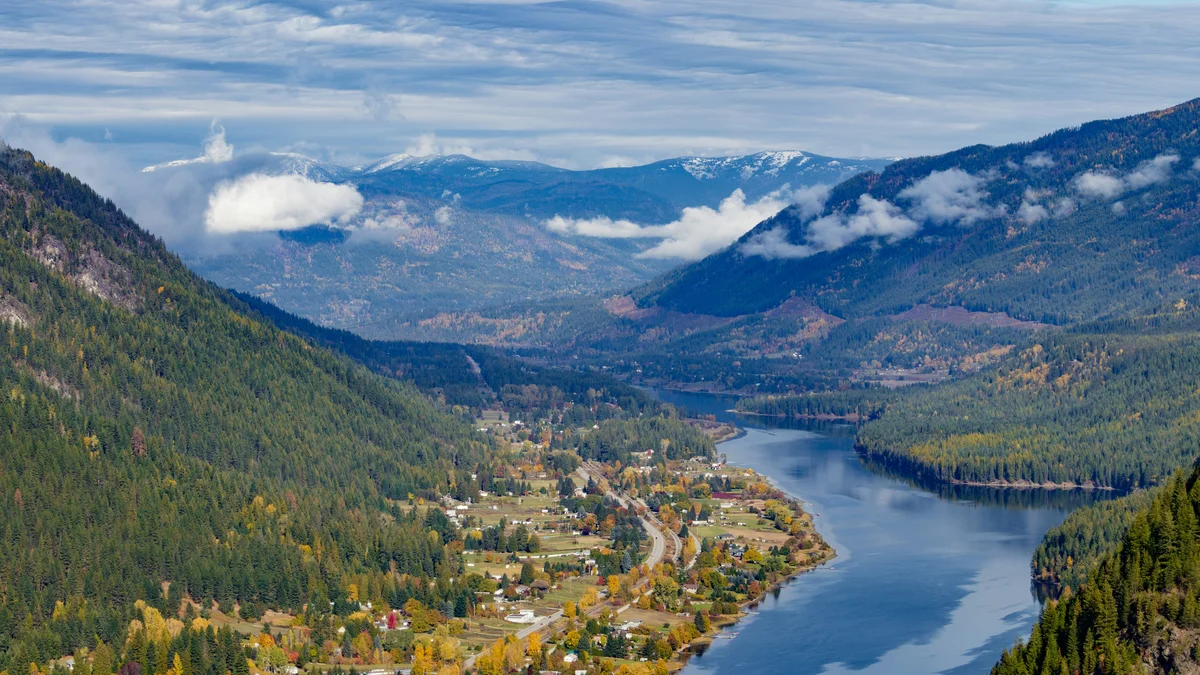
A clear, cold river running through the Elk Valley near Fernie, prized among fly anglers for its wild westslope cutthroat trout. Drift-boat trips float past forested banks and mountain views on some of the most respected fishing water in the province.
Visitor guide
The Elk River is a 220-kilometre river in the southeastern corner of British Columbia, rising near the Continental Divide in the Rocky Mountains and flowing southwest through the Elk Valley past Elkford, Sparwood, Hosmer, Fernie and Elko. It is best known to visitors as a fly-fishing river for westslope cutthroat and bull trout, and to locals as the spine of a valley shaped by both mountain tourism and coal mining.
The river starts at the Elk Lakes, high in the Rockies close to the Alberta border, and is a tributary of the Kootenay River within the wider Columbia River basin. Its drainage basin covers roughly 4,450 square kilometres. Along the way it collects the Fording River, Michel Creek, Coal Creek, Lizard Creek and the Wigwam River before reaching the Kootenay River in Lake Koocanusa, just north of the Montana border. Published discharge figures vary between sources, but the river carries far more water during spring snowmelt than in late-winter low flow, which is why fishing conditions change so sharply through the year.
The fur trader and mapmaker David Thompson travelled the river in 1811 and called it the Stag River. In 1854 James Sinclair's expedition from the Red River Colony used the Elk valley to cross into the Columbia and Kootenay country, and John Palliser's 1857-58 map labelled it Elk River, though an 1862 map still showed "Stag or Elk River".
About 16 kilometres above the river's confluence with Lake Koocanusa sits Elko Dam, built in 1924 by the East Kootenay Power Company and now operated by BC Hydro. It is a run-of-the-river structure about 16 metres tall with a 12-megawatt powerhouse.
Cutthroat trout and bull trout are the fish the Elk is known for, and the river is a popular destination for fly anglers. Local tourism and outfitter sources describe the water as home to pure-strain westslope cutthroat and large bull trout, and quote an open season of June 15 to March 30. Treat that as a guide only: the Elk is classified water, so a classified-waters licence in addition to a BC freshwater licence is generally required, and retention rules, closures and gear restrictions are set by the province and change from year to year. Always read the current BC Freshwater Fishing Regulations before you fish, and consider hiring a local guide who knows the day's conditions.
The Elk Valley contains four large open-pit steelmaking coal mines, and rising selenium, nitrate and phosphate levels in the watershed have been linked to mine expansion over many years. Reporting on the river notes selenium levels above human-health guidelines and harm to cutthroat trout. Mine operator Glencore runs water-treatment facilities, and in 2024 British Columbia agreed to involve the International Joint Commission in the issue. It is a live, contested topic, so check recent news if water quality matters to your plans.
The upper river flows through Elk Lakes Provincial Park, a wilderness park reached by about two hours of driving from Sparwood, with the final stretch on gravel forest-service roads. It can also be reached from Peter Lougheed Provincial Park on the Alberta side. Check BC Parks for current road, trail and access conditions before heading up.
See every tour and attraction we cover in Kootenay Rockies.