TorontoOntario · 36 tours
 Niagara FallsOntario · 25 tours
 New York CityNew York · 30 tours
 Las VegasNevada · 8 tours
 San FranciscoCalifornia · 16 tours
 VancouverBritish Columbia · 17 tours
 DubaiUAE · 54 tours
 Abu DhabiUAE · 5 tours
 Buenos AiresArgentina · 23 tours
 AthensGreece · 31 tours
 AucklandNew Zealand · 38 tours
 CancunMexico · 54 tours
No destinations match “”. Try searching all tours instead — that search understands full questions, not just place names.
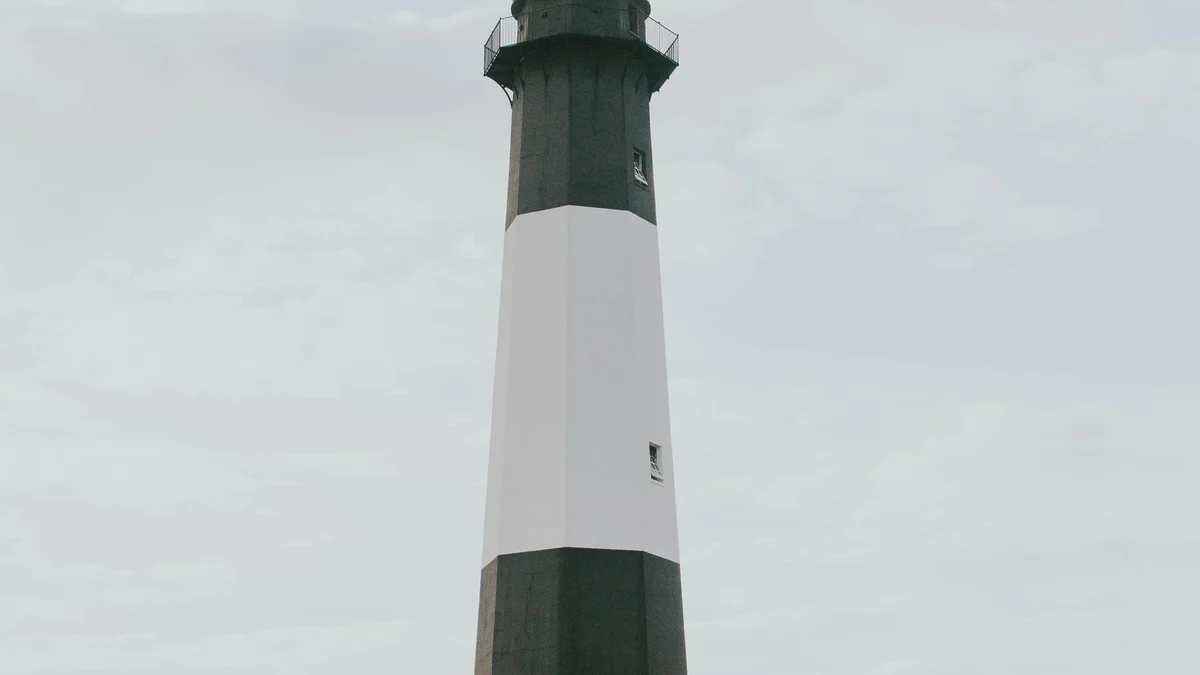
Georgia's oldest and tallest lighthouse, first built in 1736 and rebuilt several times since, with the current 145-foot brick tower dating largely from 1867. It still guards the entrance to the Savannah River and remains an active aid to navigation on Tybee Island's coast.
 Private Tours
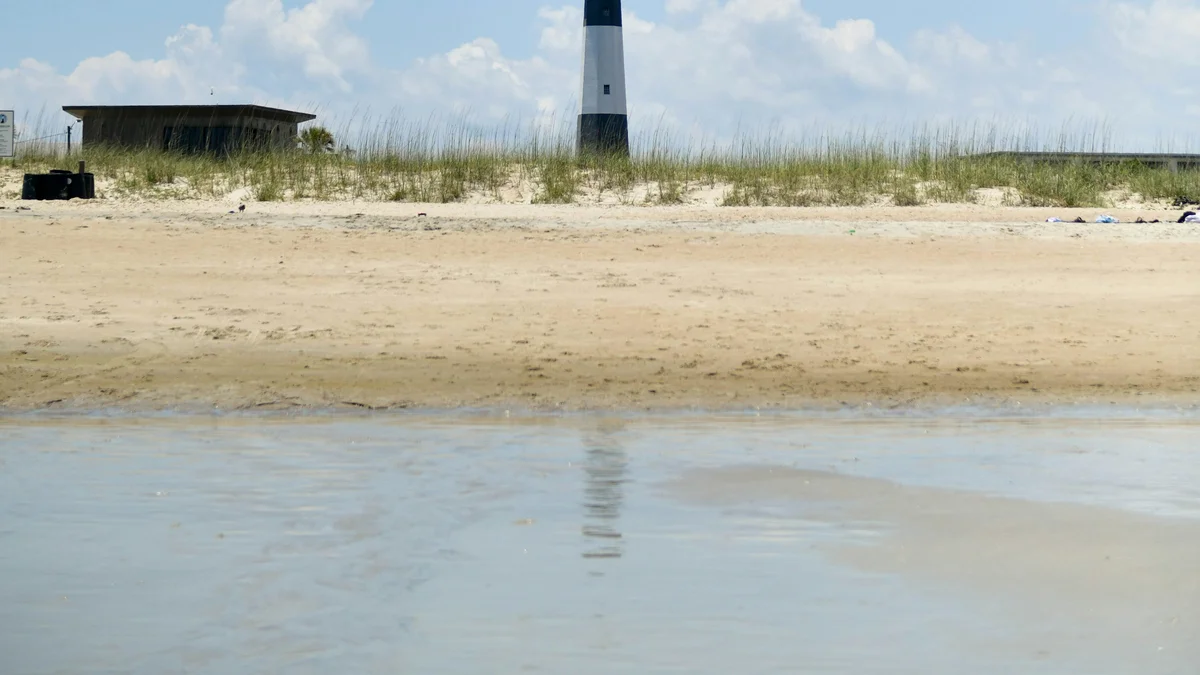
Private transportation to and from Tybee Island for a full beach day, with chairs, umbrellas, towels, and a cooler stocked with ice all provided.
 Private Tours
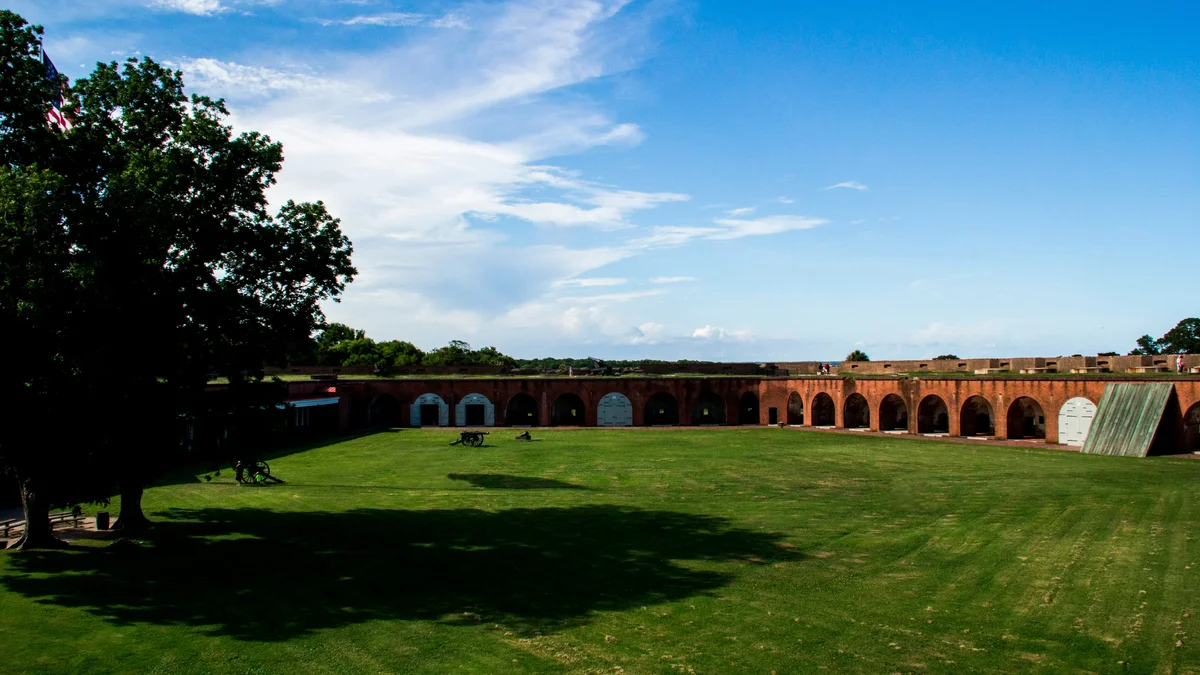
A private half-day tour pairing Savannah's Historic District squares and cemeteries with Tybee Island's lighthouse and Fort Pulaski National Monument.
Visitor guide
Tybee Island Light Station stands at the north end of Tybee Island, Georgia, where the Savannah River meets the Atlantic. The brick tower is about 144 feet tall and is one of seven surviving colonial-era lighthouse towers in the United States, though it was heavily modified in the 19th century. The Tybee Island Historical Society has operated the site since 2002.
The first tower here was an octagonal day-mark of brickwork and cedar piles, built in 1736 on the orders of James Oglethorpe under the direction of Noble Jones; a storm brought it down in 1741. A replacement of stone and wood was never lit and was eventually lost to erosion. A third tower, of brick, was built in 1773 by John Mullryne and stood about 100 feet. After the federal government took over the lights in 1790 it was upgraded to oil lamps.
In 1857 Fresnel lenses were installed. During the Civil War, Confederate forces retreating to Fort Pulaski burned the light and removed the lens; sources give the year as 1861 or 1862. Reconstruction began in 1866, delayed by a cholera outbreak. Builders raised a new tower on the surviving lower 60 feet of the 1773 structure and installed a first-order Fresnel lens. The tower was first lit in its present form in 1867. Its total height is quoted as 144 feet by Wikipedia's infobox, 145 feet by Visit Tybee and 154 feet in the text of Wikipedia's article, so treat the figure as approximate.
A hurricane damaged the tower in 1871, and the 1886 Charleston earthquake cracked the brickwork, both repaired. The light was electrified in 1933 and automated in 1972. The Coast Guard history records that the Coast Guard operated the station until 1987. The Tybee Island Historical Society took possession in 2002 under the National Historic Lighthouse Preservation Act, following a restoration project that began in 1999.
The octagonal tower's pattern of black base, white upper section and black lantern was restored to its 1916-1966 form in 1999. Over its history the daymark was altered several times: it was originally all white, and was painted black at the base and lantern in 1887. The beacon still shines through its original first-order Fresnel lens, which the Historical Society describes as about nine feet tall; the lens range is given as about 16 nautical miles. Lighthouse Friends and the Coast Guard record 178 steps to the top.
The light station retains its keepers' houses and auxiliary buildings, with dwellings built in 1881 and 1885, and it operates as a museum site. Whether the tower can be climbed on a given day depends on the operator, so check the Tybee Island Historical Society for current hours, tickets and access.
For a private tour, the lighthouse works well as a stop between the city and the Tybee shoreline. A private vehicle and driver with door-to-door pickup takes care of the drive from Savannah, and your group can set the time spent at the station.
See every tour and attraction we cover in Savannah.