TorontoOntario · 36 tours
 Niagara FallsOntario · 25 tours
 New York CityNew York · 30 tours
 Las VegasNevada · 8 tours
 San FranciscoCalifornia · 16 tours
 VancouverBritish Columbia · 17 tours
 DubaiUAE · 54 tours
 Abu DhabiUAE · 5 tours
 Buenos AiresArgentina · 23 tours
 AthensGreece · 31 tours
 AucklandNew Zealand · 38 tours
 CancunMexico · 54 tours
No destinations match “”. Try searching all tours instead — that search understands full questions, not just place names.
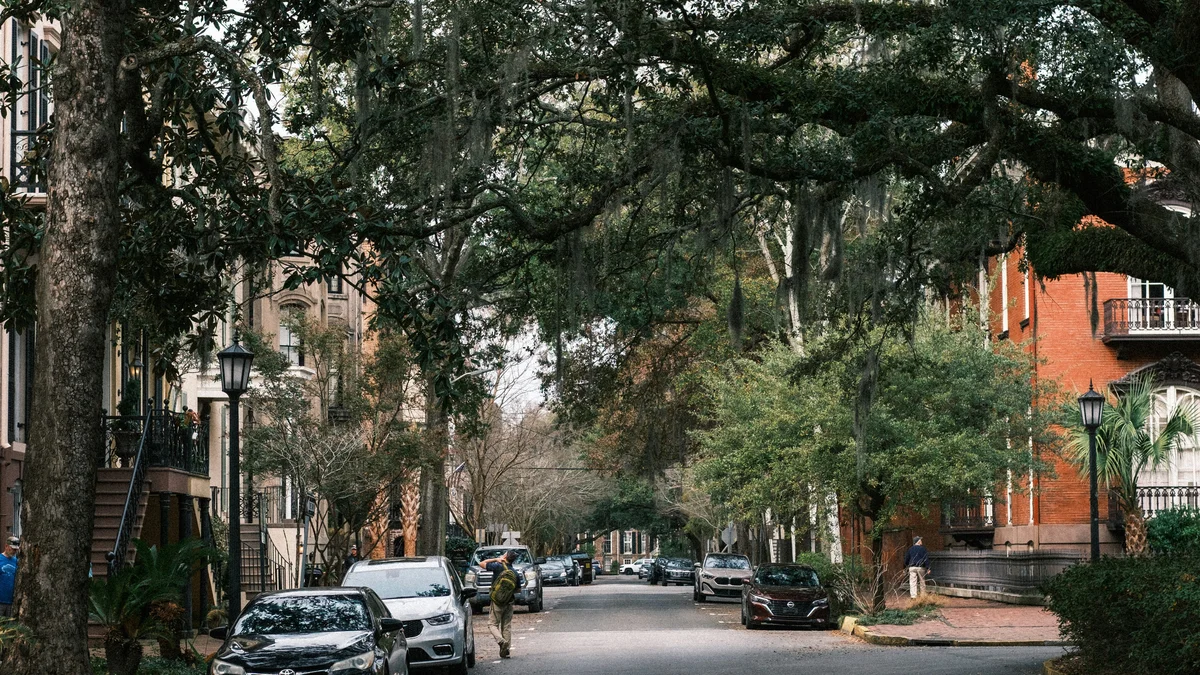
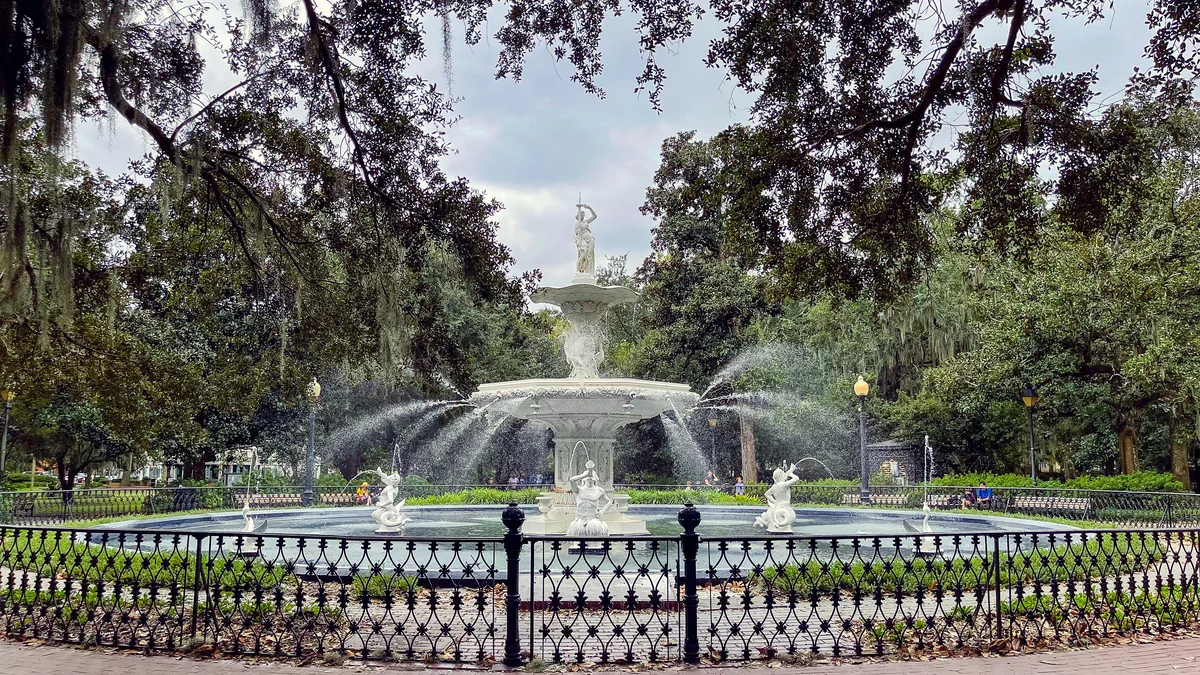
One of the largest National Historic Landmark Districts in the United States, laid out around 22 oak-shaded squares following James Oglethorpe's original 1733 town plan. The district's cobblestone streets, Victorian and antebellum architecture, and River Street waterfront make it the heart of a visit to Savannah.
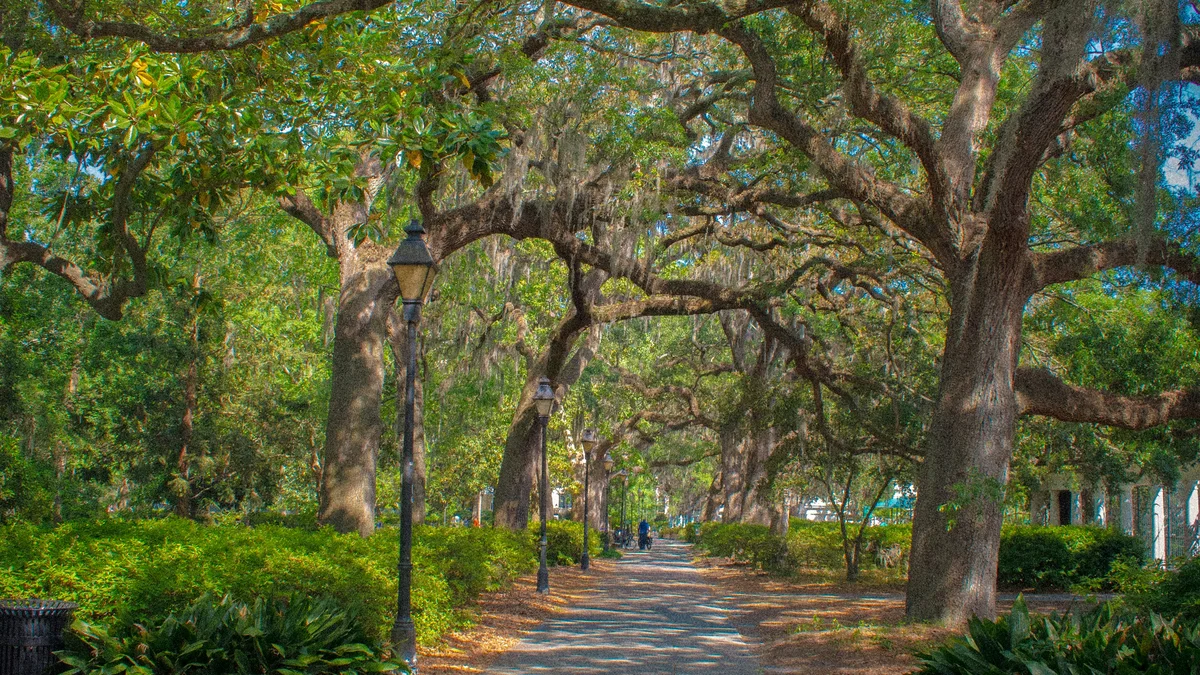 Private Tours
A private local guide builds your Historic District walk around your own interests, from museums and film locations to hidden squares.
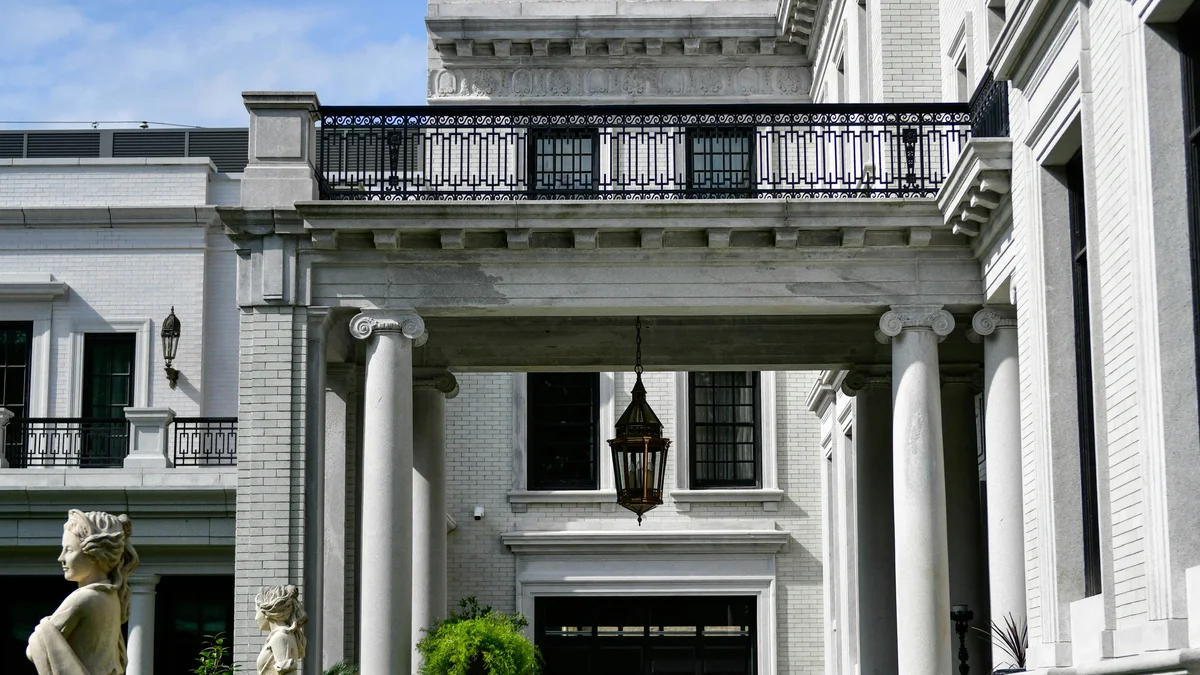 Private Tours
A private driving tour in a comfortable, air-conditioned vehicle, custom-built around real themes like Irish History, Architecture, or Jewish History.
Visitor guide
Savannah's Historic District is a National Historic Landmark District of roughly 525 acres, built on the city plan James Oglethorpe began laying out in 1733. Its defining feature is a grid of small public squares, 22 of which survive today, set among Georgian, Federal and Victorian-era buildings. The district broadly follows the footprint of the city as it stood before the Civil War.
Oglethorpe organised Savannah around wards. Each ward centred on an open square, flanked by four residential blocks known as tythings and four larger blocks called trust lots, which were set aside for civic uses such as churches, schools or public buildings. Each tything held ten house lots arranged in two rows of five and separated by alleys. In the colony's early years the ward residents were organised into militia units, and the squares doubled as gathering points for people from outside the town.
The first four squares were Johnson, Wright, Ellis and Telfair, though several carried other names at first: Wright was initially Percival Square, Ellis was Decker Square and Telfair was St. James Square. Reynolds and Oglethorpe squares followed in the 1730s and 1740s to complete the original six wards, and the grid kept growing for about a century. Sources count 24 squares by the early 1850s. The city's later growth cost it three of them, including Ellis Square, which was paved over in 1954 for a parking garage and reopened as a square in March 2010, bringing the modern total to 22. Planners have long admired the scheme: each square is roughly 200 feet wide and traffic moves counterclockwise around it.
The district was listed on the National Register of Historic Places and designated a National Historic Landmark District on November 13, 1966. Its boundaries run along East Broad Street, Gwinnett Street, Martin Luther King Jr. Boulevard and the Savannah River. Forsyth Park, about 30 acres at the southern edge, sits where the original grid gave way to a single large park after the 1850s. Along the waterfront, the former cotton warehouses of Factors Row are among the buildings the National Historic Landmark record highlights, some of them built with ballast stone from ships.
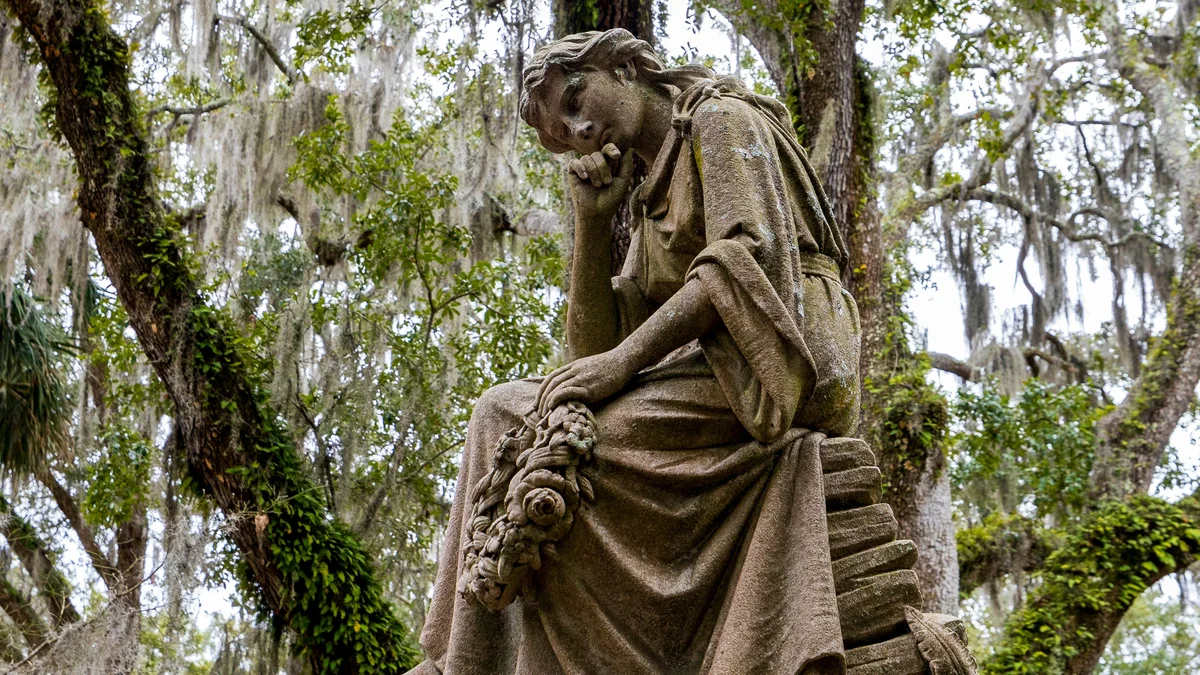
The squares are the natural way to read the district, since most hold a monument, fountain or statue. Chippewa Square carries the James Oglethorpe monument unveiled in 1910 and is the setting for the park-bench scene in the film Forrest Gump. Orleans Square commemorates the Battle of New Orleans and has a German memorial fountain installed in 1989. Monterey Square holds an 1853 monument to Casimir Pulaski, and Crawford Square is the only one that remains fenced and still has its cistern.
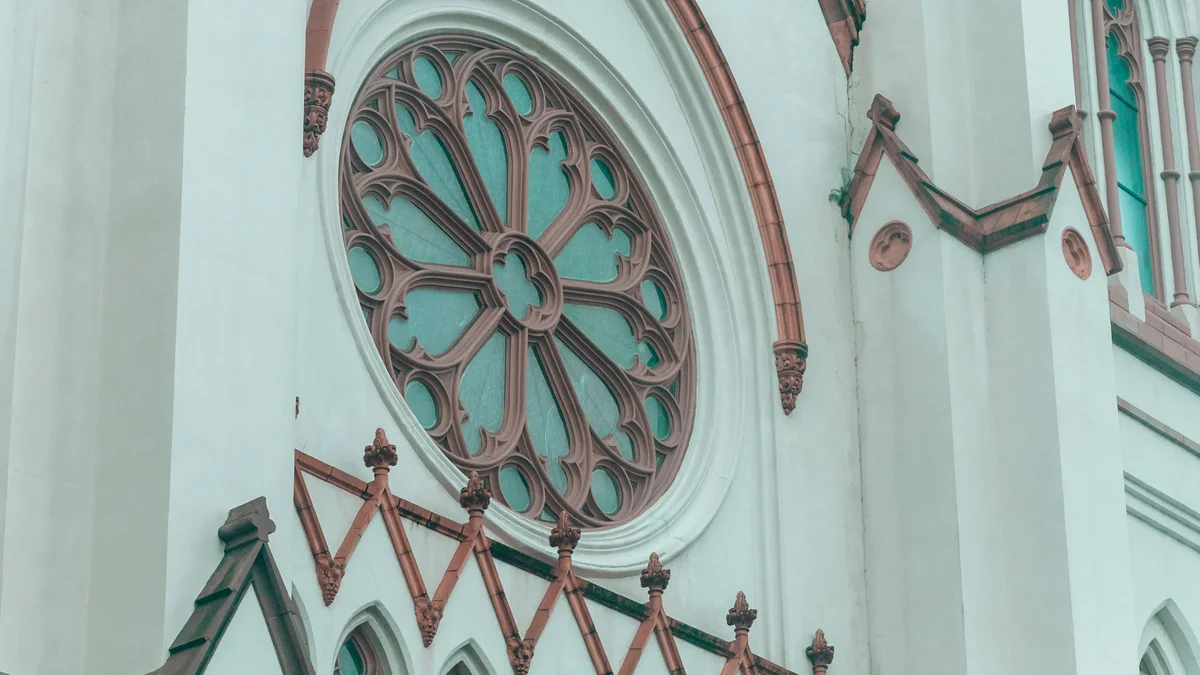
The landmark record lists dozens of historic buildings across the district. Among those it names are the Juliette Gordon Low Birthplace, the Telfair Academy, the Owens-Thomas House, the Isaiah Davenport House, the Green-Meldrim House, the Sorrel-Weed House, Christ Church, Temple Mickve Israel, the Cathedral of St. John the Baptist and the United States Customhouse. The record also describes First African Baptist Church as the nation's oldest African American Baptist congregation and the Central of Georgia roundhouse complex as the oldest surviving antebellum rail facility in the country, claims worth treating as the record's own wording rather than settled superlatives.
The district is compact enough that a private tour can mix short drives between squares with unhurried walking, and a private vehicle with a driver and door-to-door pickup means the group can move on whenever it likes. Opening times and access for individual houses and churches vary, so check with each site before you go.
See every tour and attraction we cover in Savannah.