 TorontoOntario · 36 tours
 Niagara FallsOntario · 25 tours
 New York CityNew York · 30 tours
 Las VegasNevada · 8 tours
 San FranciscoCalifornia · 16 tours
 VancouverBritish Columbia · 17 tours
 DubaiUAE · 54 tours
 Abu DhabiUAE · 5 tours
 Buenos AiresArgentina · 23 tours
 AthensGreece · 31 tours
 AucklandNew Zealand · 38 tours
 CancunMexico · 54 tours
No destinations match “”. Try searching all tours instead — that search understands full questions, not just place names.
A private half-day tour combining the Historic District with Tybee Island and Fort Pulaski.
A private half-day tour pairing Savannah's Historic District squares and cemeteries with Tybee Island's lighthouse and Fort Pulaski National Monument.
Maximize your time in Savannah with a private tour that includes both the Historic District and nearby Tybee Island. Meet your private guide for a half-day tour that begins in the squares and cemeteries of the Savannah Historic District before venturing out to Tybee Island. Visit the island's lighthouse and Fort Pulaski National Monument, learning about history, heritage, and culture along the way.
A popular starting point — every Voyzo itinerary is fully customizable, so we'll shape the order and stops around your group.
Meet your private guide in the Savannah Historic District.
Start downtown among the city's famous oak-shaded squares and cemeteries.
See Georgia's oldest and tallest lighthouse on the coast.
Explore the real 19th-century brick fort that guarded the mouth of the Savannah River.
Back to your hotel, home, or the airport — whenever your day wraps up.
Every group size is covered — from an intimate private ride to large multi-coach groups.
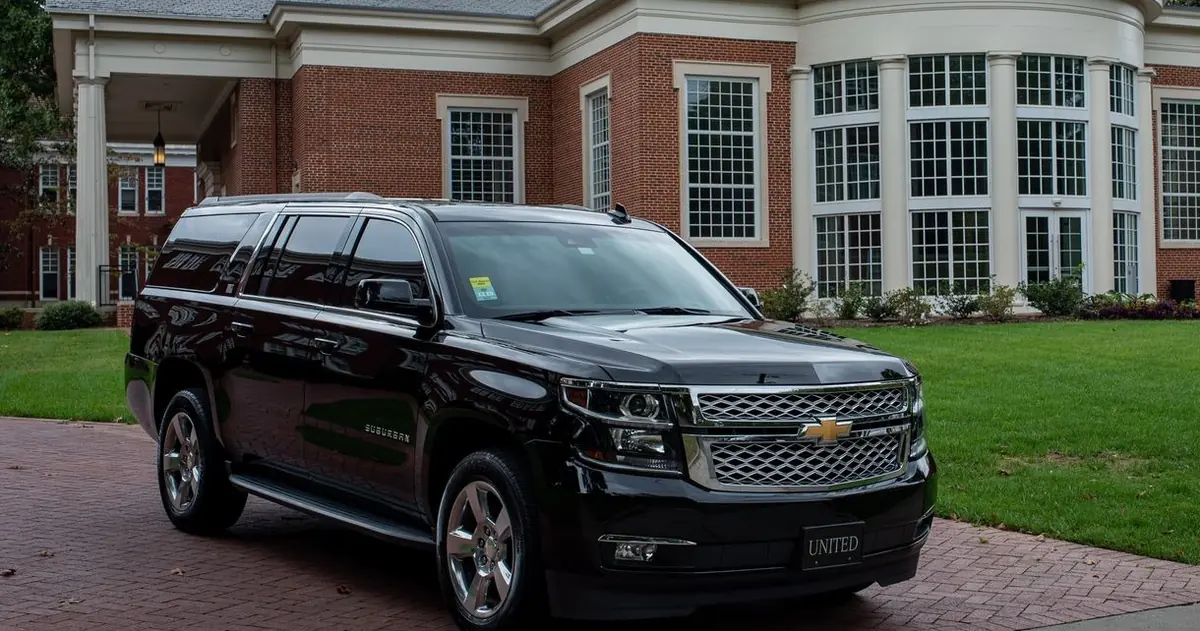 Up to 6
A fast, private ride for couples, small families, or business travelers — plenty of luggage room and a smooth, quiet cabin.
 Up to 14
Comfortable, air-conditioned seating for small and mid-size groups — our most popular option for families and friend groups traveling together.
 Up to 56
Our largest single vehicle — a full-size luxury motorcoach for large groups, conventions, and corporate events that still want one private tour, one vehicle.
A private half-day tour pairing Savannah's Historic District squares and cemeteries with Tybee Island's lighthouse and Fort Pulaski National Monument. Maximize your time in Savannah with a private tour that includes both the Historic District and nearby Tybee Island. Meet your private guide for a half-day tour that begins in the squares and cemeteries of the Savannah Historic District before venturing out to Tybee Island. Visit the island's lighthouse and Fort Pulaski National Monument, learning about history, heritage, and culture along the way.
The first half of the day stays within Savannah's Historic District, walking the same grid of squares that James Oglethorpe laid out in 1733 — a plan that grew to 24 small, oak-canopied parks spread across the colonial-era street grid, each with its own fountain or monument. Along the way, the route also passes through the district's historic cemeteries, where Savannah's earliest residents, yellow-fever victims, and Revolutionary and Civil War-era figures are buried under the same moss-draped oaks that shade the squares.
From downtown, the tour heads out to Tybee Island to see Georgia's oldest and tallest lighthouse, standing 145 feet high. Oglethorpe himself ordered the first tower built here in 1732; that structure and its 1742 rebuild were both eventually lost, and the lighthouse seen today dates mainly to an 1866 reconstruction that reused the surviving lower 60 feet of an earlier tower and added a large Fresnel lens on top. In between, Confederate troops stationed at nearby Fort Pulaski actually burned the lighthouse in 1862 to keep it from guiding Union ships into the Savannah River — a detail that directly connects the lighthouse to the fort you'll also visit.
Fort Pulaski National Monument itself is one of the more significant Civil War sites on the Georgia coast. Built after the War of 1812 to guard the mouth of the Savannah River, it took 18 years to complete and was finished in 1847 with walls 11 feet thick that engineers of the day considered essentially impenetrable to existing artillery. That assumption collapsed in April 1862, when Union forces that had hauled dozens of mortars and rifled cannon across Tybee Island opened fire on the fort. The new rifled guns — far more accurate and powerful than the smoothbore cannon forts were designed to withstand — breached Pulaski's brick walls in under 36 hours, with the Union side losing only one soldier. The battle is generally credited with proving that rifled artillery had made masonry coastal forts obsolete almost overnight, a turning point in military engineering that's still taught at the fort today.
Every Voyzo tour is a starting point — tell us what you have in mind and we'll build it.
