TorontoOntario · 36 tours
 Niagara FallsOntario · 25 tours
 New York CityNew York · 30 tours
 Las VegasNevada · 8 tours
 San FranciscoCalifornia · 16 tours
 VancouverBritish Columbia · 17 tours
 DubaiUAE · 54 tours
 Abu DhabiUAE · 5 tours
 Buenos AiresArgentina · 23 tours
 AthensGreece · 31 tours
 AucklandNew Zealand · 38 tours
 CancunMexico · 54 tours
No destinations match “”. Try searching all tours instead — that search understands full questions, not just place names.
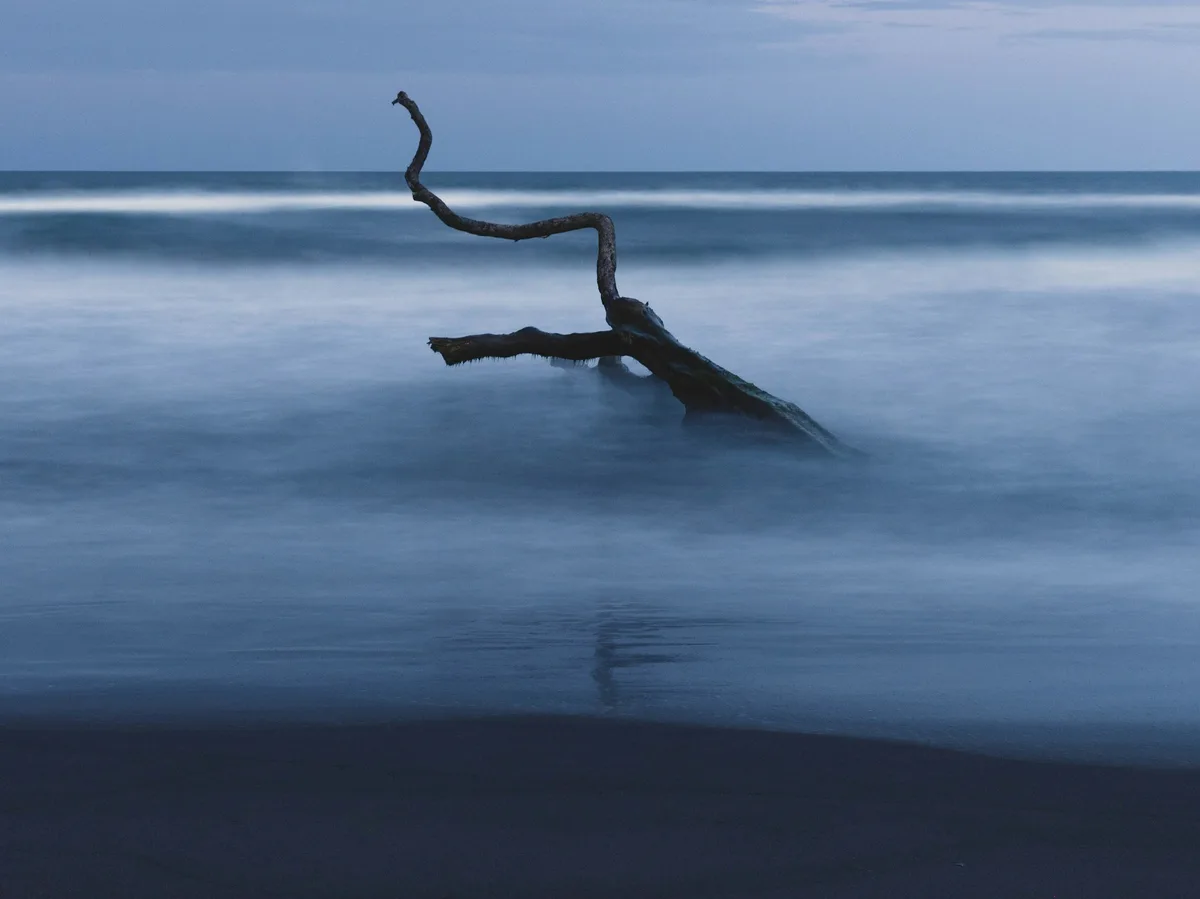
A roadless expanse of Caribbean-coast canals and rainforest, reachable only by boat or plane, known worldwide as a major nesting site for green sea turtles.
 Multi-Day Tours
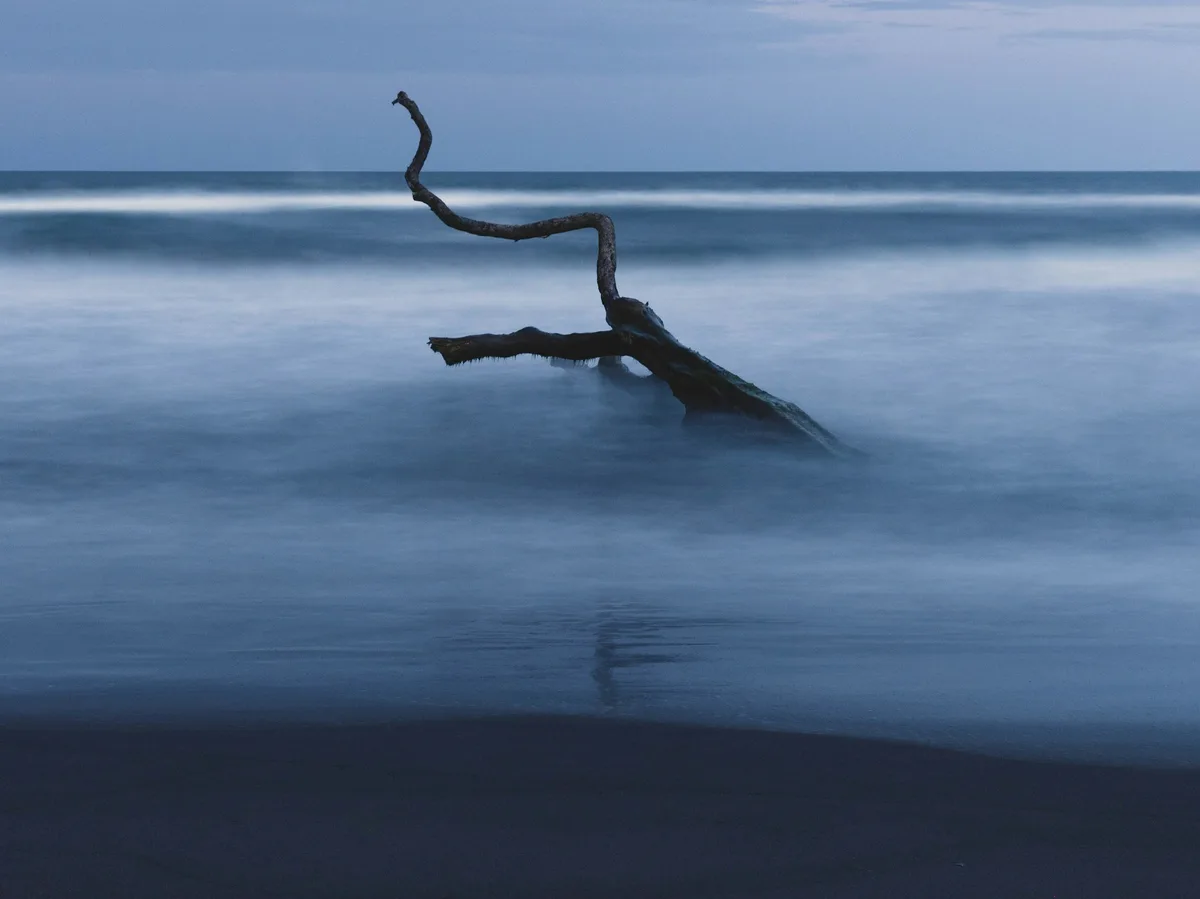
A week along Costa Rica's lesser-visited Caribbean coast, from the jungle canals of Tortuguero to the Afro-Caribbean town of Puerto Viejo and the coral reef at Cahuita.
 Multi-Day Tours
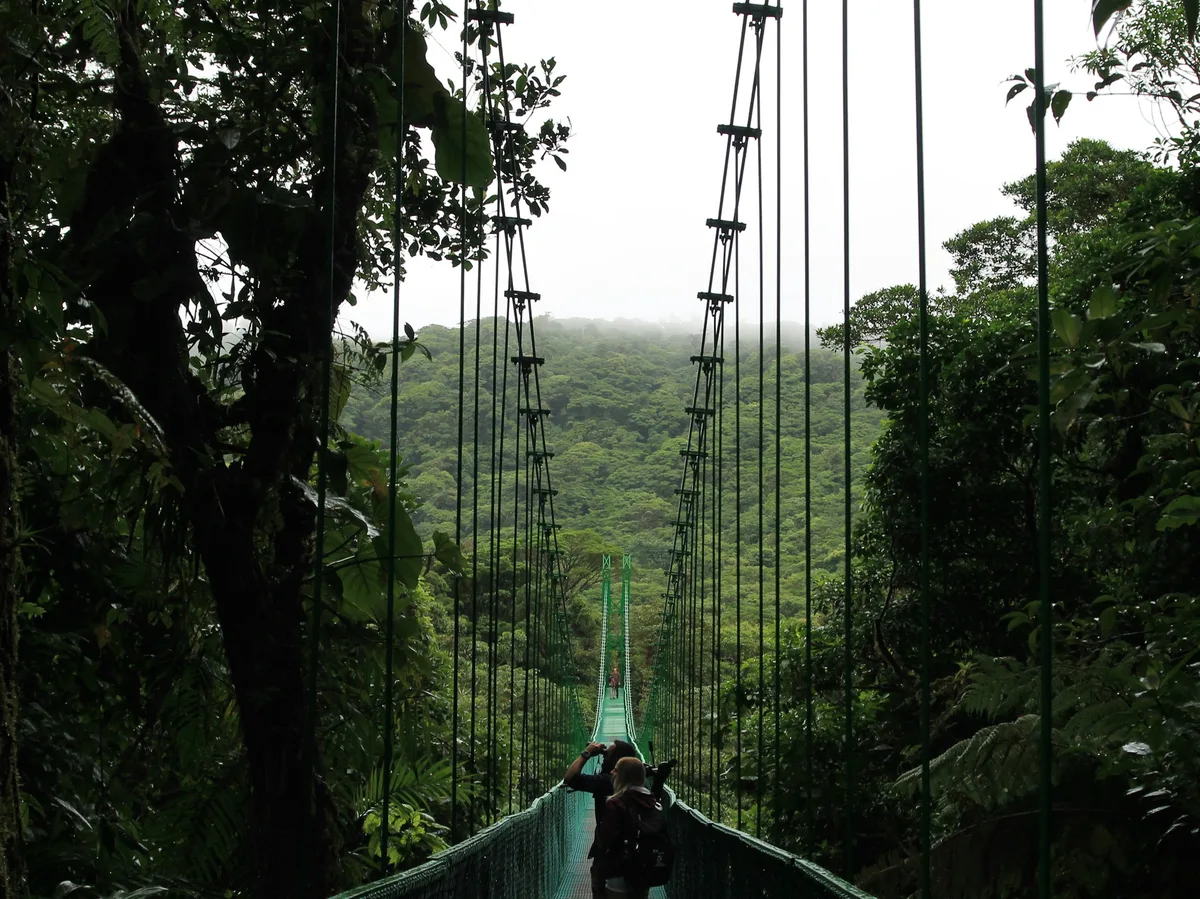
A two-week self-drive-style journey upgraded with boutique stays — Tortuguero's canals, the waterfalls of Bajos del Toro, Arenal's hot springs, Rio Celeste, and the beaches of Playa Panamá.
Visitor guide
Tortuguero National Park is a protected area on Costa Rica's Caribbean coast in Limon Province, known for its network of canals, humid rainforest and turtle-nesting beaches. It is reachable only by boat or aircraft, which has helped keep its character distinct from the rest of the country.
Declared a national park in 1970 and reaffirmed by law in 1975, the park covers about 77,000 hectares (roughly 26,650 on land) within the Tortuguero Conservation Area and is managed by the national conservation system as an IUCN Category II area. Wikipedia describes many interlinked canals, navigable lagoons, lakes and rivers fed by heavy rainfall, with rolling forested hills such as Tortuguero Hill rising above sediment plains. Boat trips through the canals are the central way to experience the park.
The area is very humid. Wikipedia reports annual rainfall of up to 250 inches (6,400 millimetres) and cloud cover on most days of the year, driven by moisture-laden Caribbean winds. The park also forms a corridor with Nicaragua's Indio Maiz Biological Reserve.
The park's coastline, over 20 miles long, is a nesting ground. Hawksbill, loggerhead, green and leatherback turtles come ashore to lay eggs at different times of year, with green turtles nesting mainly from about July to October. Wikipedia notes that the beach was once described as the second-largest green turtle nesting site in the world. Nearby, a turtle tagging programme in the Dr. Archie Carr Wildlife Refuge is now run by the Sea Turtle Conservancy.
Nesting is regulated and best seen with licensed local guides, because lights, noise and crowding disturb the animals.
About 442 bird species have been recorded, including kingfishers, toucans, herons and parrots, and the park is a stopover for migrating birds. The endangered great green macaw and the crested eagle are among the notable species. Mammals include jaguars, ocelots, pumas, three of Costa Rica's four monkey species, three-toed sloths and tapirs.
The waterways hold caimans, American crocodiles, poison-dart frogs, manatees and tropical gar. Plant life includes palms, floating aquatic plants and mangroves along the coast; a 2006 count lists 779 plant species, 36 of them endemic to Costa Rica.
Early in the twentieth century the area saw timber logging, turtle hunting and the sale of animal skins. Today the park has no permanent settlement, and local residents may gather forest products for personal use. A project funded by the European Union and Costa Rica's environment ministry and implemented by IUCN supported land use and research in the early 1990s.
Wikipedia lists threats including illegal clear-cutting, poaching and proposed development projects. Wikipedia also gives conflicting dates for the park's Ramsar wetland designation, 1991 in the text and 1996 in the infobox.
Trails include water trails such as Harold, Mora and Chiquero, and the Gavilan hiking trail. Tower viewpoints reward climbers with views over the region. A private guided visit, usually arranged with local boat operators, suits the canals well because naturalists can point out wildlife along the banks.
See every tour and attraction we cover in Costa Rica.