TorontoOntario · 36 tours
 Niagara FallsOntario · 25 tours
 New York CityNew York · 30 tours
 Las VegasNevada · 8 tours
 San FranciscoCalifornia · 16 tours
 VancouverBritish Columbia · 17 tours
 DubaiUAE · 54 tours
 Abu DhabiUAE · 5 tours
 Buenos AiresArgentina · 23 tours
 AthensGreece · 31 tours
 AucklandNew Zealand · 38 tours
 CancunMexico · 54 tours
No destinations match “”. Try searching all tours instead — that search understands full questions, not just place names.
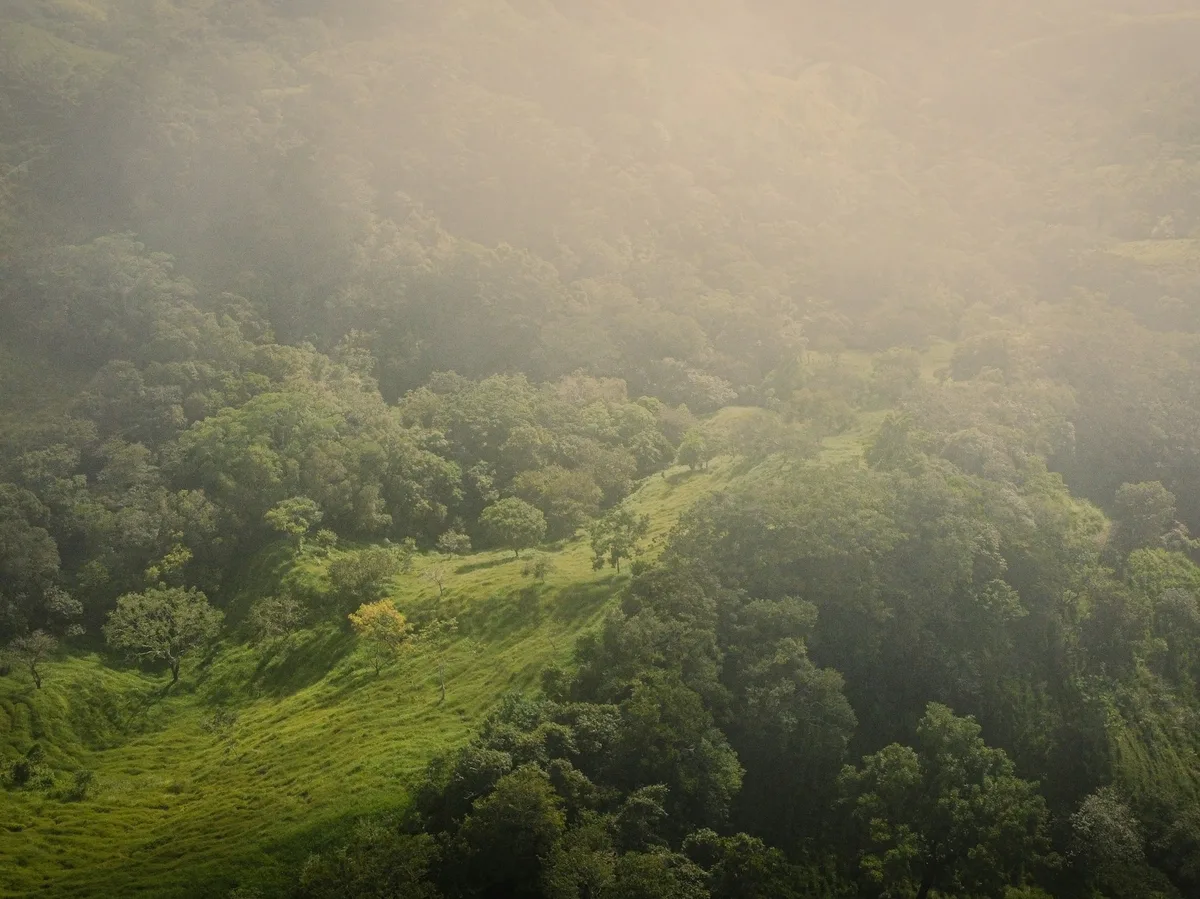
A misty, high-elevation cloud forest famed for hanging bridges, zip lines, and extraordinary biodiversity, including hundreds of bird species and the resplendent quetzal.
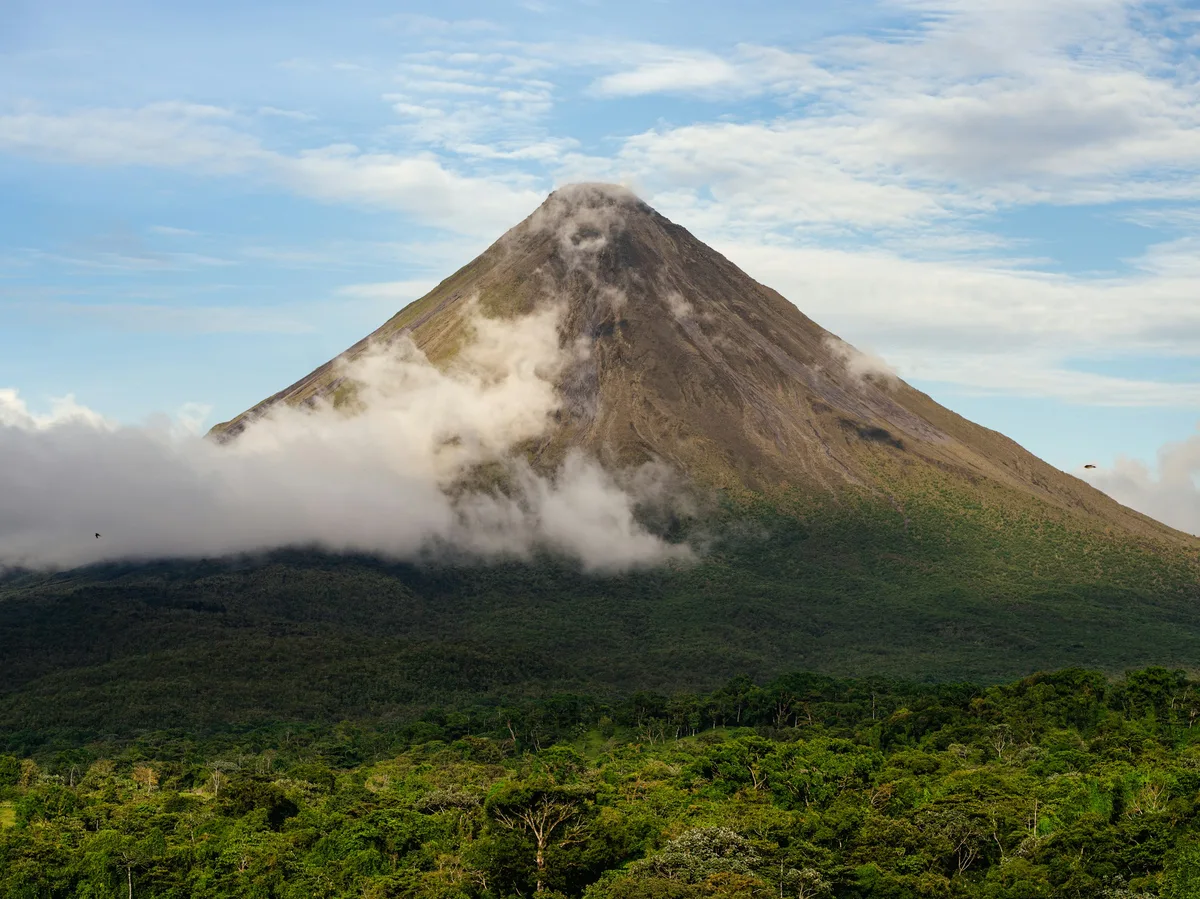 Multi-Day Tours Popular Pick
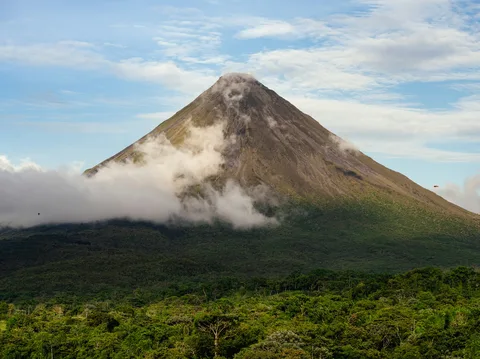
Costa Rica's classic highlight reel in just over a week — whitewater rafting on the Pacuare River, hiking Arenal Volcano National Park, and crossing into the cloud forest at Monteverde.
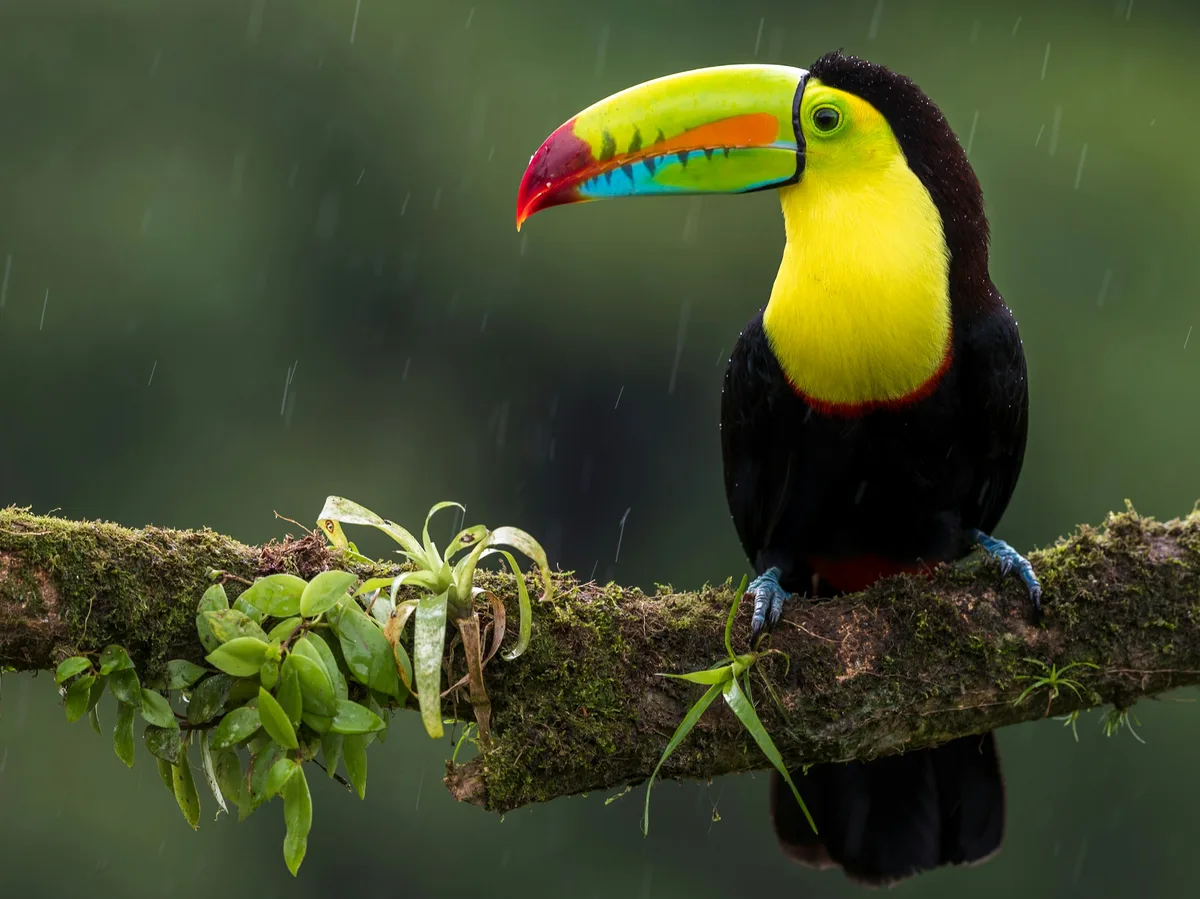 Multi-Day Tours
A guided birdwatching circuit through three of Costa Rica's best regions for it — Arenal's lowland forest, the Monteverde cloud forest, and the Central Pacific's Carara National Park.
Visitor guide
The Monteverde Cloud Forest Reserve is a privately managed biological reserve on the Cordillera de Tilarán in Costa Rica, spanning parts of Puntarenas and Alajuela provinces. Covering about 4,125 hectares of mostly primary cloud forest according to IUCN (some sources include adjoining land and give more than 10,500 hectares), it is one of the best-known conservation areas in Central America.
The story of Monteverde begins in 1951, when several dozen Quakers from eleven families, originally from Alabama, bought farmland in Costa Rica. Their pacifism conflicted with the Korean War draft, and Costa Rica had abolished its army three years earlier. They named the area Monteverde, meaning Green Mountain, for its year-round greenery. They also chose to keep much of the native forest to protect their water sources.
In the 1960s biologists began documenting the area. According to Wikipedia, a graduate student named George Powell, researching local birds, helped arrange the transfer of land, and the Tropical Science Center acquired it in April 1973 for a symbolic one colon. Wikipedia gives the founding year as 1972 in its text and 1973 in its infobox, so sources differ slightly. The preserve was unpopular with some locals at first but grew steadily.
The reserve covers about 4,125 hectares according to IUCN (some sources give more than 10,500 hectares including adjoining land), and Wikipedia describes about 90 percent of it as virgin forest across six life zones. Moisture-laden trade winds condense on the ridge, bathing the canopy in mist and encouraging epiphytes, the plants that grow on other plants. Wikipedia records over 2,500 plant species, with epiphytes making up about 29 percent of the flora, and notes that 34 of the more than 500 orchid species were new to science when found in the reserve.
This dense plant life feeds an equally rich animal community. The reserve has about 400 bird species, including the resplendent quetzal and the three-wattled bellbird, which move seasonally along the slope. About 100 mammal species are recorded, including at least 58 bats, and thousands of insect species.
Monteverde is also a reminder of ecological fragility. The golden toad, Incilius periglenes, disappeared in 1989, and about 40 percent of the area's amphibians were lost during the 1980s to the fungal disease chytridiomycosis, according to Wikipedia. Researchers continue to study the forest as a window on how mountain ecosystems respond to a changing climate.
Ten bird species in the reserve are classed as endangered by BirdLife International, and many are altitudinal migrants that rely on connected forest at different elevations.
Maintained trails, suspension bridges and a nature centre with exhibits such as a frog pond, butterfly garden and bat display are described in Wikipedia's account. Visitor numbers grew from 431 in 1975 to well over 70,000 annually in recent decades, which is why timed guided walks are a good way to see wildlife without crowding.
A private guided tour with a naturalist suits Monteverde well. Weather is changeable and the forest is often misty, so expect cool, damp conditions and plan layers.
See every tour and attraction we cover in Costa Rica.