TorontoOntario · 36 tours
 Niagara FallsOntario · 25 tours
 New York CityNew York · 30 tours
 Las VegasNevada · 8 tours
 San FranciscoCalifornia · 16 tours
 VancouverBritish Columbia · 17 tours
 DubaiUAE · 54 tours
 Abu DhabiUAE · 5 tours
 Buenos AiresArgentina · 23 tours
 AthensGreece · 31 tours
 AucklandNew Zealand · 38 tours
 CancunMexico · 54 tours
No destinations match “”. Try searching all tours instead — that search understands full questions, not just place names.
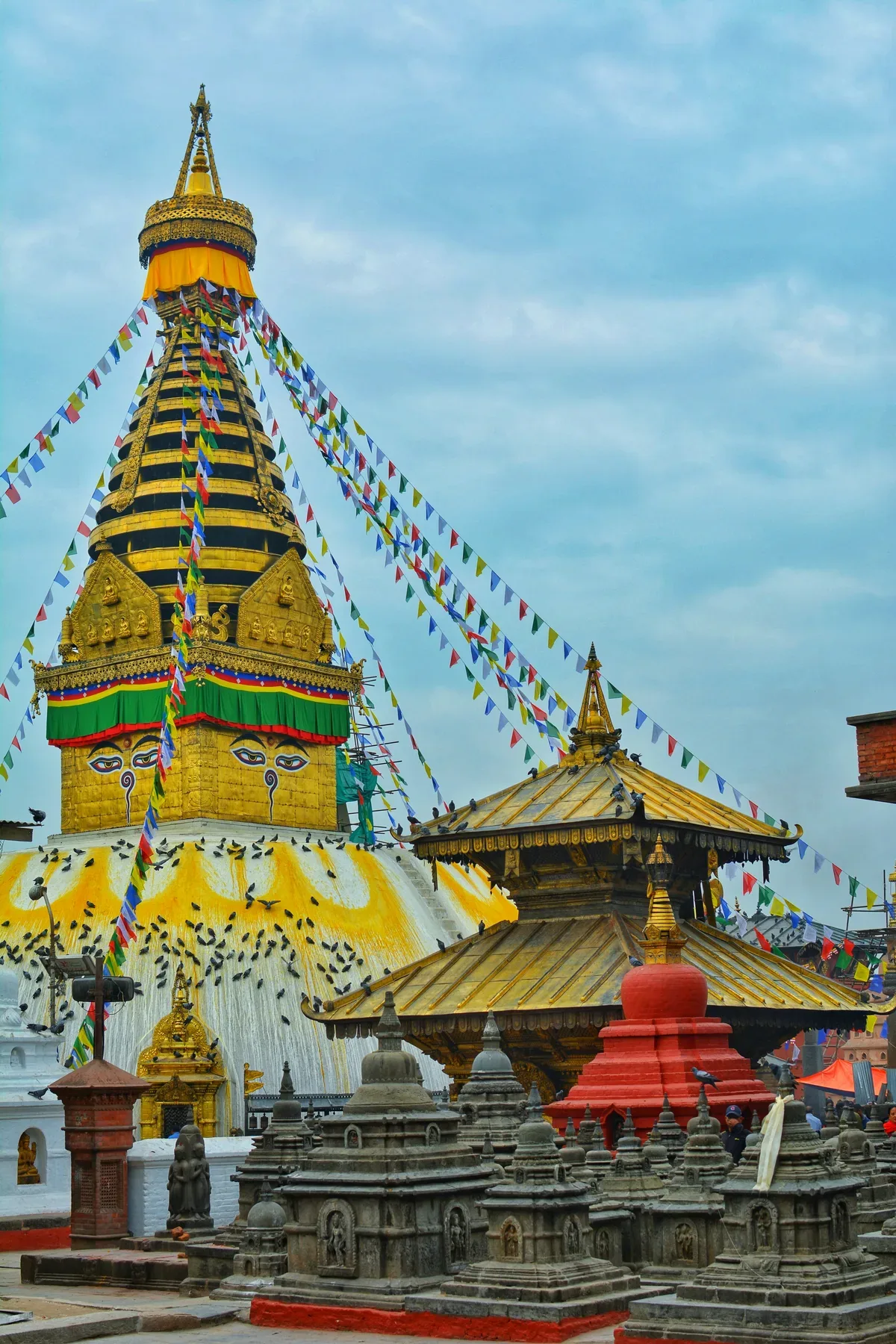
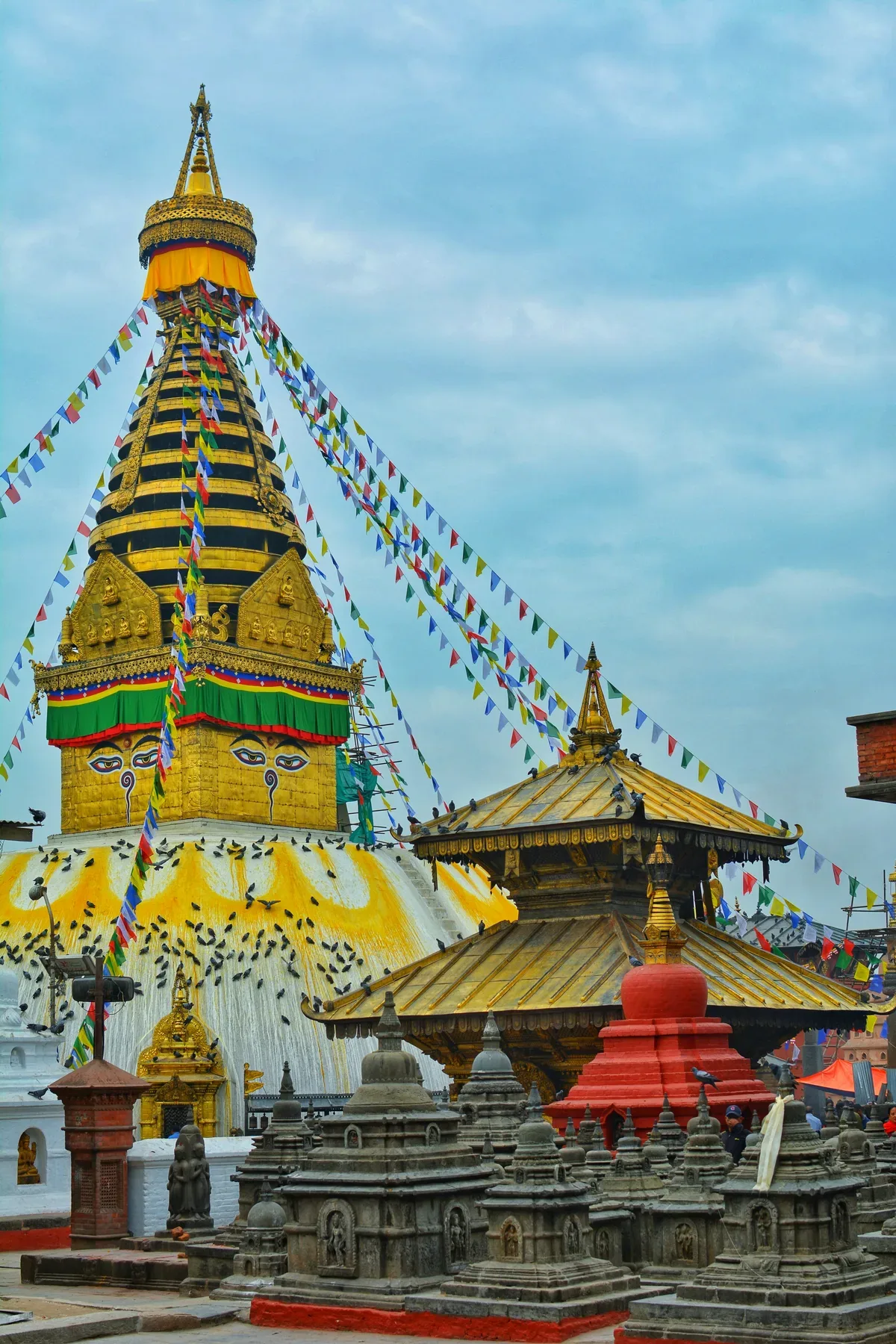
Kathmandu's hilltop 'Monkey Temple', among the oldest religious sites in the Kathmandu Valley, with panoramic views over the city.
 Multi-Day Tours
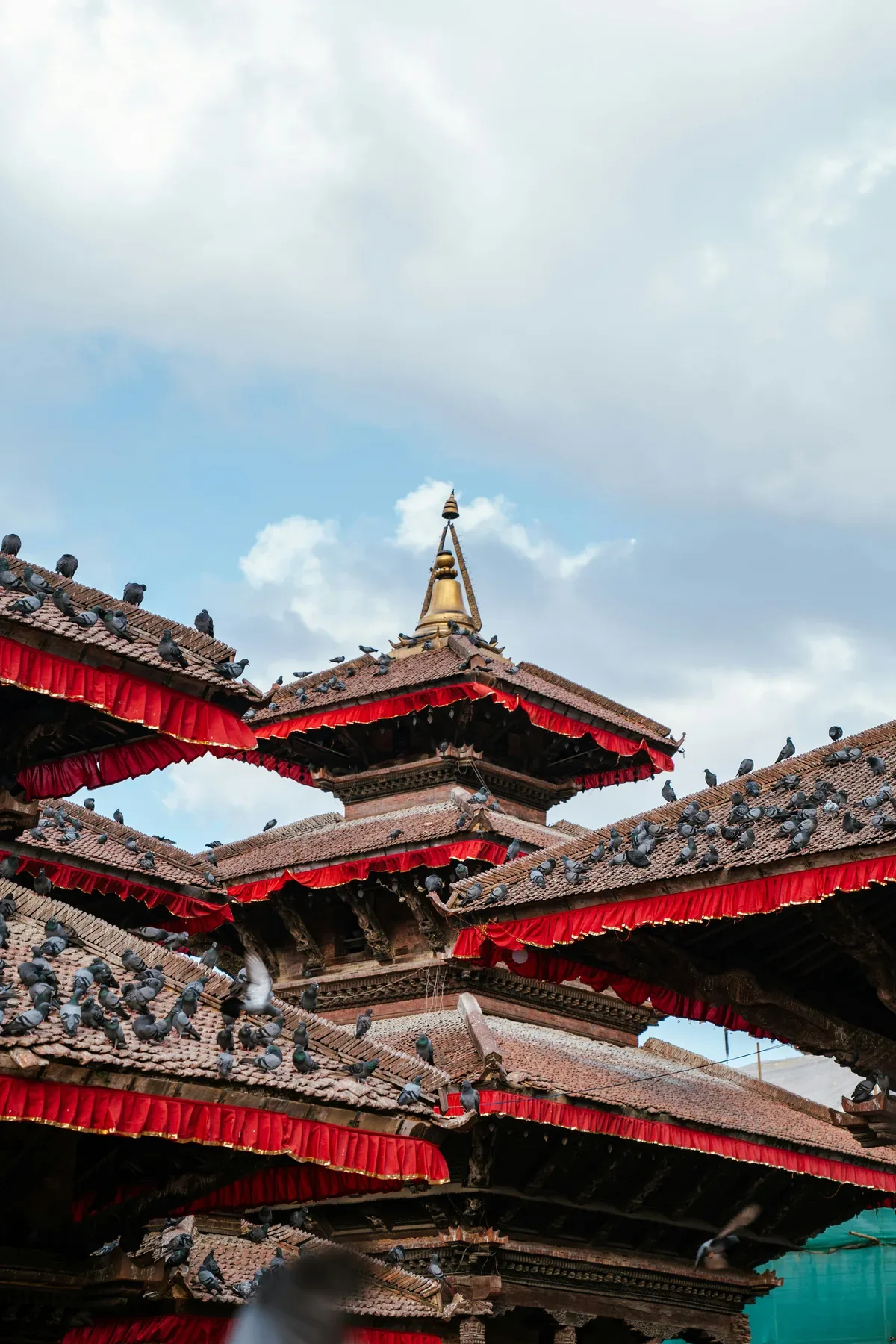
A 12-day circuit through the Kathmandu Valley's Durbar Squares and stupas, south into Chitwan National Park's jungle and wildlife, and west to the lakeside city of Pokhara beneath the Annapurna range.
 Multi-Day Tours
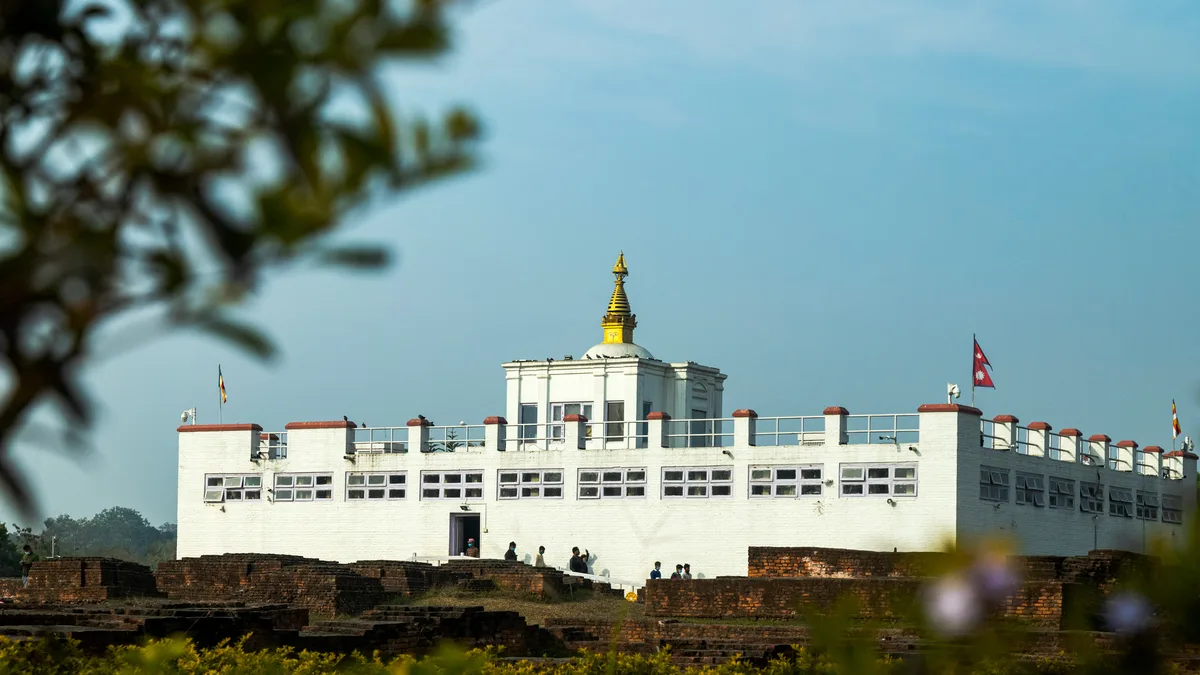
A 10-day route through Kathmandu's four UNESCO World Heritage Sites, Chitwan National Park's jungle, Buddha's birthplace at Lumbini, and Pokhara's lakeside beneath the Annapurna range.
 Multi-Day Tours
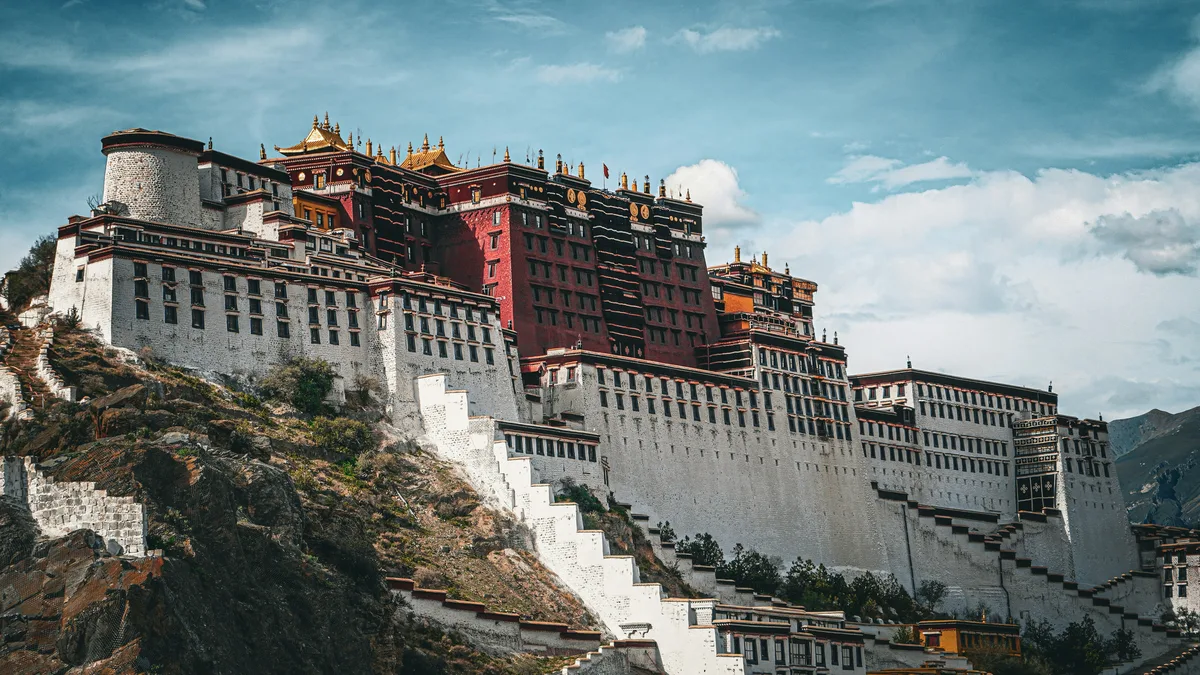
A 22-day journey across three Himalayan nations — nine nights in Nepal's Kathmandu, Chitwan and Pokhara, seven nights in Tibet including Everest Base Camp, and five nights in Bhutan's Thimphu, Punakha and Paro.
 Multi-Day Tours
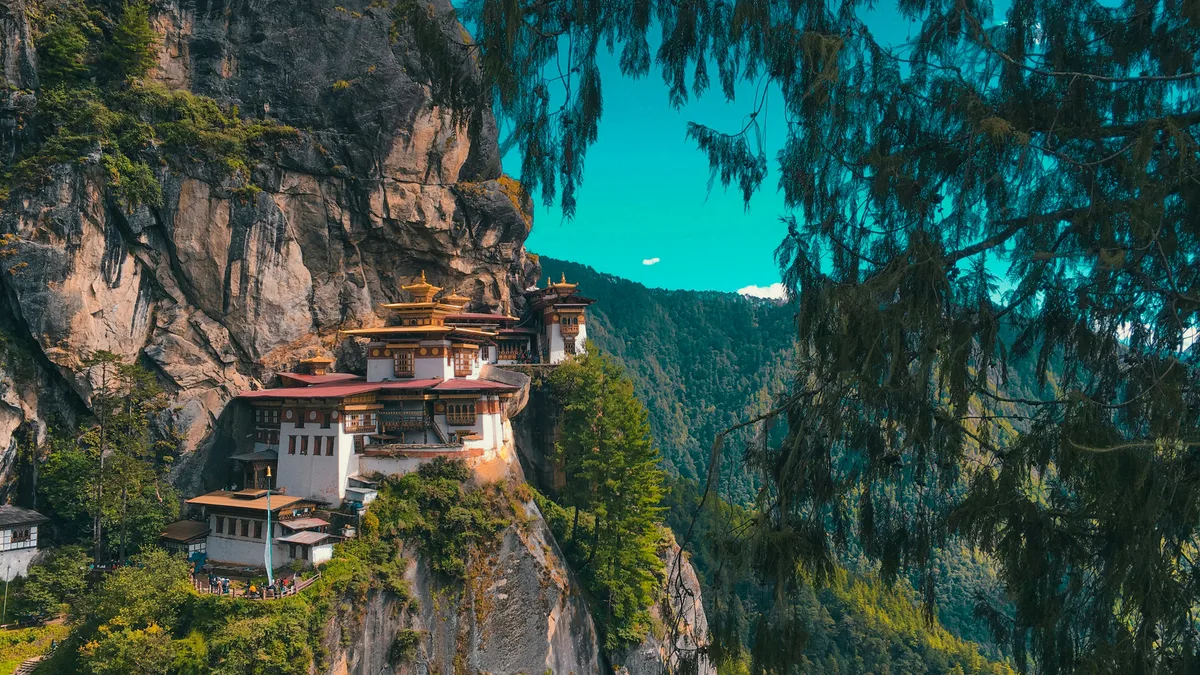
A 14-day route through Kathmandu's temples, Chitwan's jungle and Pokhara's lakeside in Nepal, followed by Bhutan's Thimphu, Punakha and Paro, ending at the cliffside Taktsang Monastery.
 Multi-Day Tours
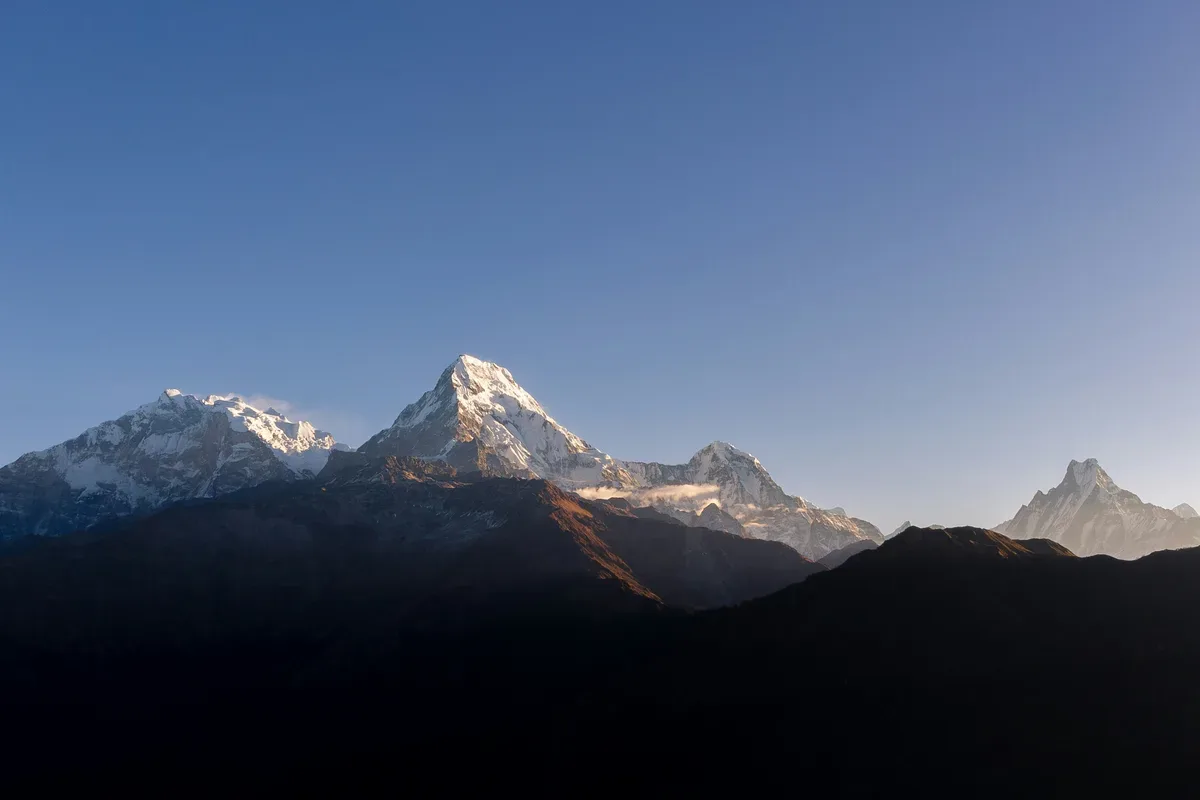
A gentler introduction to Himalayan trekking — Kathmandu and Pokhara sightseeing followed by a five-day trek through Gurung villages in the Annapurna foothills, overnighting at comfort lodges below the Annapurna Massif.
 Multi-Day Tours
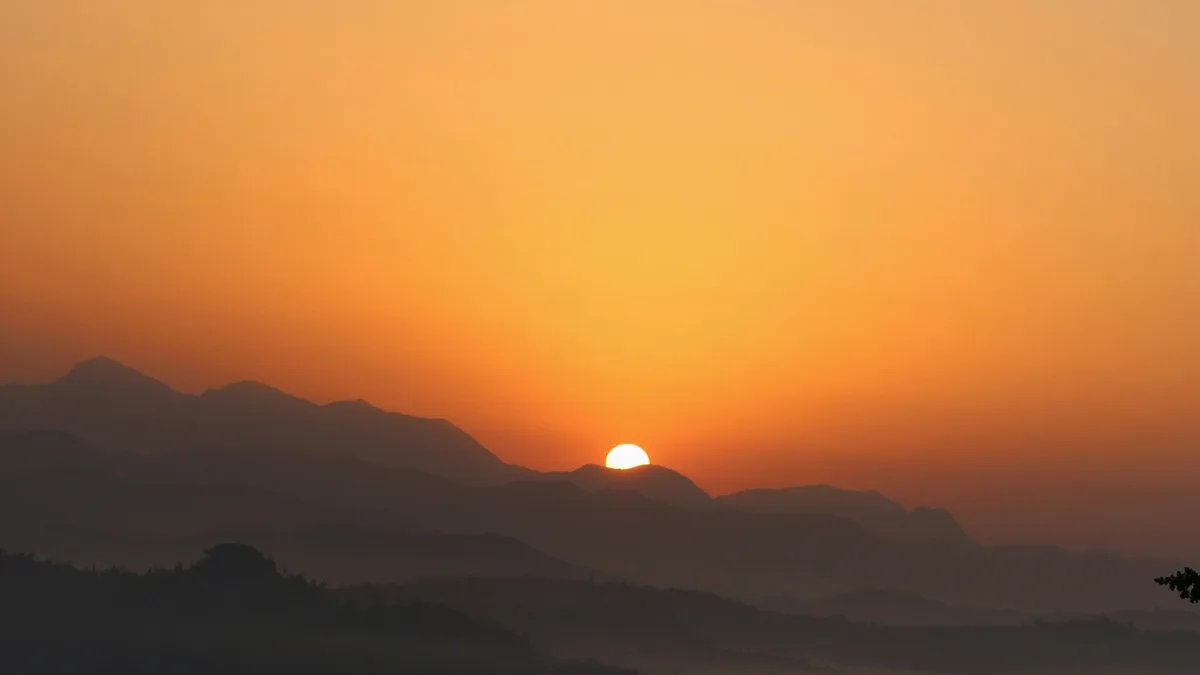
A 7-day route through Kathmandu Valley's temples and UNESCO squares, the hilltop views of Nagarkot, and Pokhara's lakeside beneath the Annapurna range, with sunrise from Sarangkot.
 Multi-Day Tours
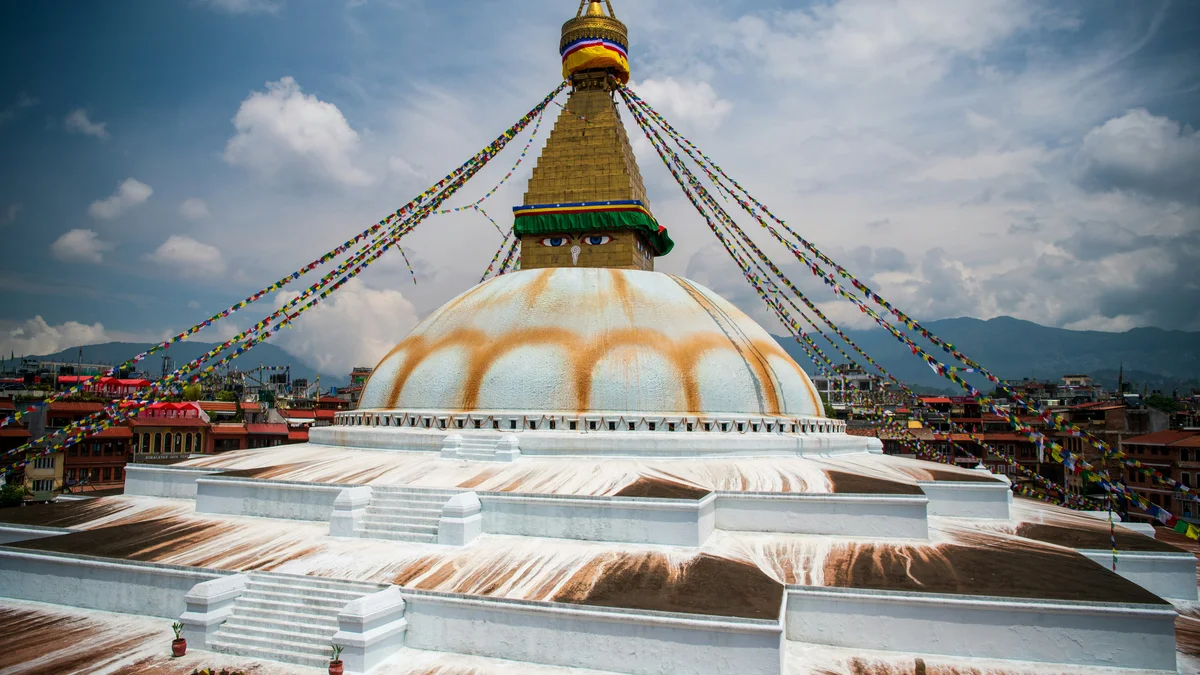
A 9-day pilgrimage tracing Nepal's Buddhist sites — the meditation caves of Patan, Boudhanath and Swayambhunath stupas, Lumbini where Buddha was born, and the sacred hill of Namobuddha.
 Multi-Day Tours
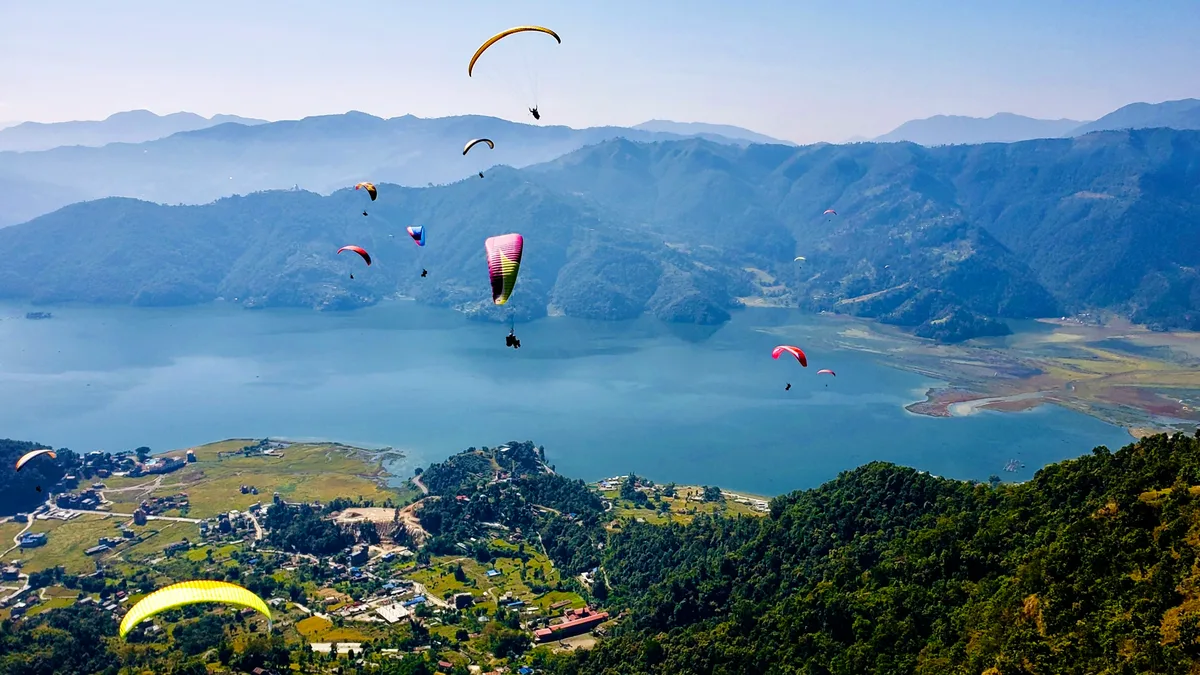
A family-paced 9-day route from Kathmandu Valley's UNESCO sites to Pokhara, with an easy two-day foothill walk to Australian Camp and Sarangkot, and time for paragliding and ziplining above the lake.
 Multi-Day Tours
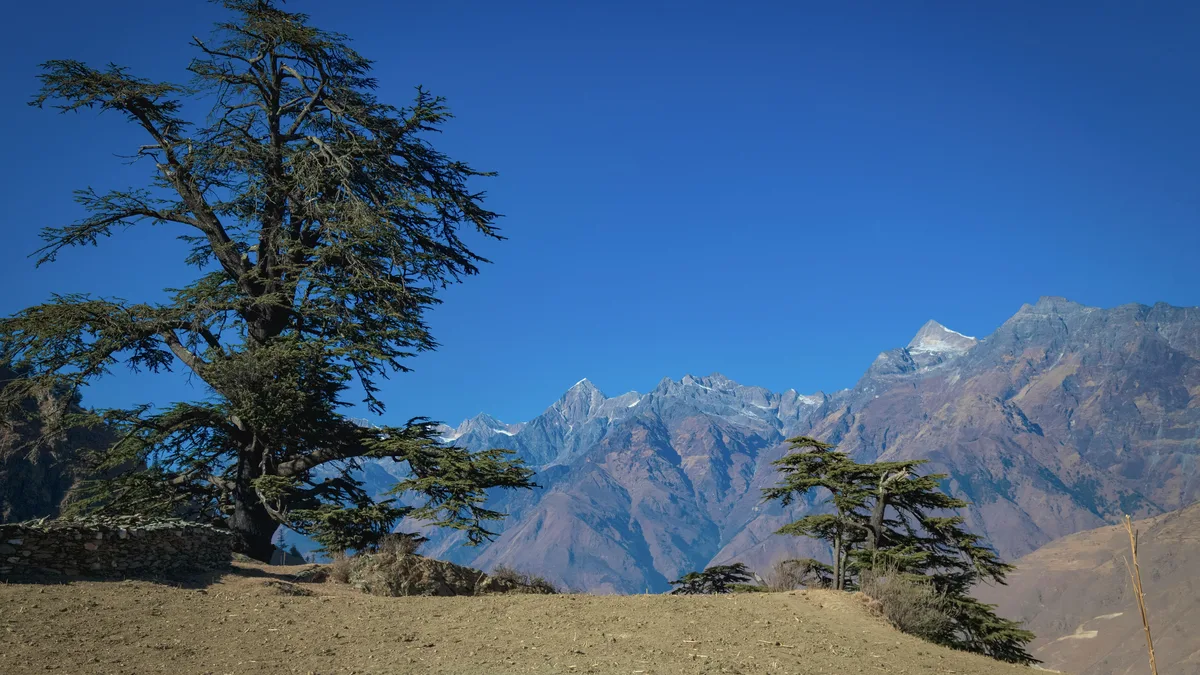
A 9-day trek north of Kathmandu through the Helambu region's rhododendron forests, Sherpa villages, and rice terraces, starting and ending with sightseeing in the capital.
 Multi-Day Tours
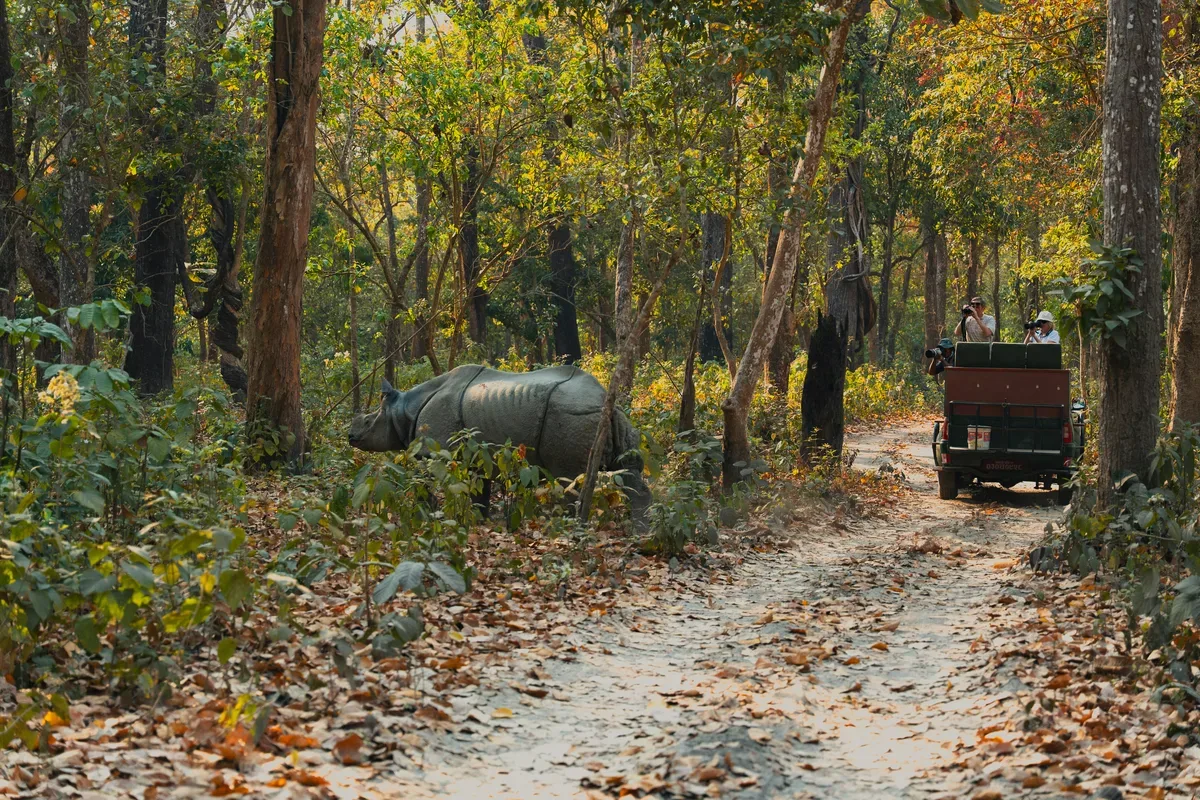
An 8-day route from Kathmandu's temples and markets through Chitwan National Park's rhino and tiger safaris, to Pokhara's mountain-ringed lake and Sarangkot's sunrise views.
 Multi-Day Tours
A 10-day retreat combining Kathmandu and Pokhara sightseeing with three days of Hatha yoga, pranayama, and meditation practice at a dedicated yoga center in the Himalayan foothills.
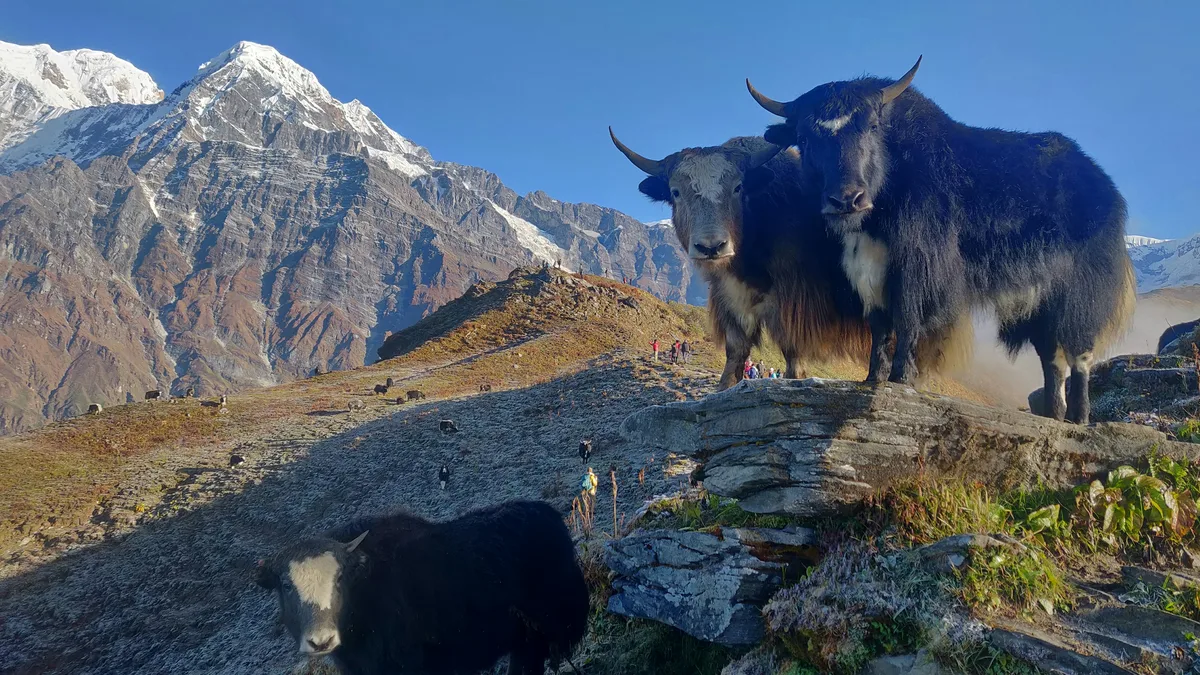 Multi-Day Tours
A 17-day journey combining Kathmandu sightseeing with a 12-day trek through Langtang National Park — yak pastures, a yak-cheese factory, the sacred lake of Gosainkunda, and the Yolmo (Hyolmo) heartland of Helambu.
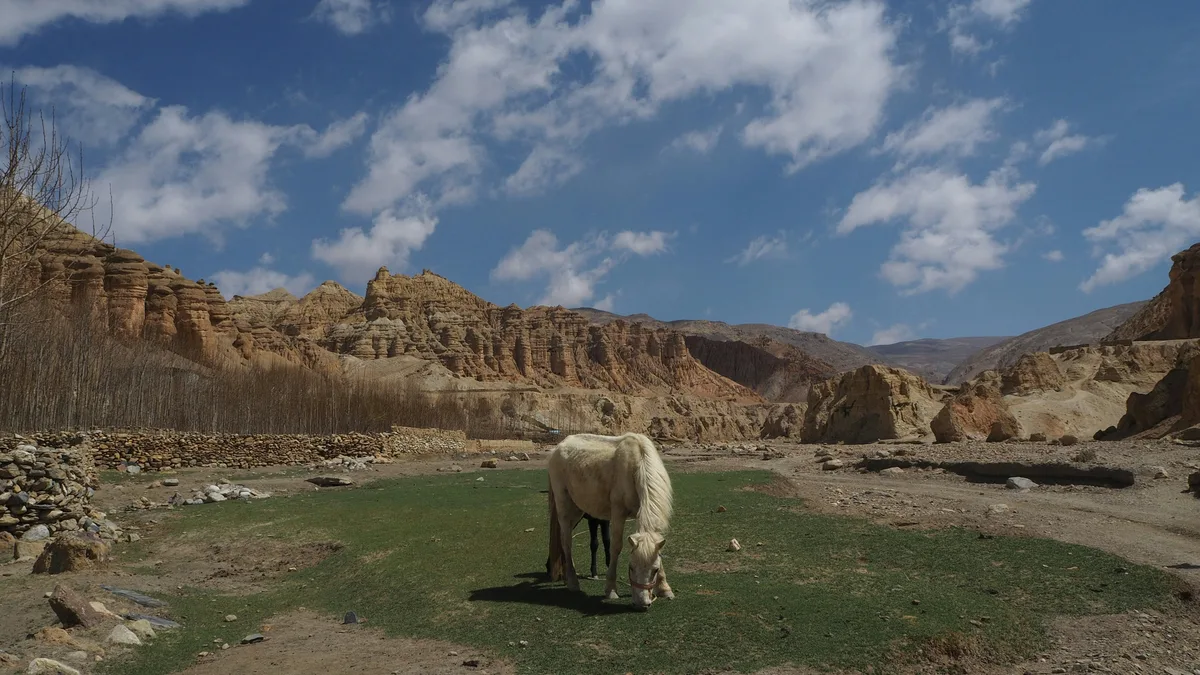 Multi-Day Tours
A 20-day expedition into Upper Mustang, once the restricted 'Forbidden Kingdom' — ancient cave settlements, the walled city of Lo Manthang, and a landscape of Tibetan-plateau desert beyond the Annapurna range.
Visitor guide
Swayambhunath is an ancient religious complex on a hill in the Kathmandu Valley, west of Kathmandu city in Nepal. Its Tibetan and Sanskrit name means self-arising, and the site is often nicknamed the Monkey Temple because wandering monkeys live on the hill. It was designated a UNESCO World Heritage Site in 1979.
The hill has long been a pilgrimage site, considered the home of the primordial Buddha known as the Adi-Buddha. Wikipedia says Buddhists around the world venerate the stupa as one of the most ancient and important, and that for local Newar people it is among the three most sacred Buddhist pilgrimage sites. For Tibetans and followers of Tibetan Buddhism it ranks second only to Boudha. Much of the iconography comes from the Vajrayana tradition of Newar Buddhism, and Hindus revere the site too. Hindu temples and deities are incorporated into the complex, and Wikipedia describes the stupa as a symbol of religious harmony.
According to the Swayambhu Purana, a Buddhist scripture, the Kathmandu Valley was once a lake. Legend holds that a lotus planted by an ancient Buddha emitted a radiant light, and that the bodhisattva Manjushri drained the lake by cutting through the mountains with his sword so that people could worship the light. These are traditional accounts rather than documented history. The same scripture says the king Prachandadev built the great stupa to protect the light.
The historical record is more fragmentary. Tradition says the emperor Ashoka visited in the third century BCE, though that is not independently confirmed here. Nepal Tourism Board says the stupa is believed to date back to 460 AD and to King Manadeva, while other accounts point to a Licchavi-era inscription of the 7th century. In the 15th century the Indian Buddhist abbot Shariputra led reconstruction of the stupa, which was in poor condition, assisted by a Malla king. Pratap Malla, king of Kathmandu, made several additions to the hill in the 17th century, including the Anantapur and Pratapur temples in 1654. The stupa was renovated in 2010 in its first major renovation since 1921, and its shrine was re-gilded with 20 kilograms of gold. It was damaged in the April 2015 earthquake.
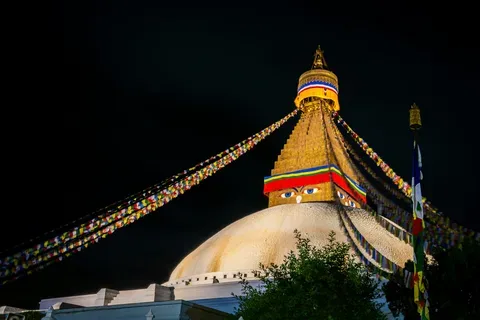
In Vajrayana Buddhism, Swayambhu represents the void from which the universe is created. The hemispherical dome rises from the circumambulation path and is surrounded by five meditating Buddhas. Above the dome is a cube painted with the Eyes of Buddha, looking in all four directions, and gold-plated bronze rings above it, called the thirteen steps, represent the thirteen stages before reaching nirvana. Visitors can approach by a long staircase from the east, a road around the hill to the southwest entrance, or a less-used stairway. The first sight at the top of the stairs is the vajra.
The hilltop gives broad views over Kathmandu, and the complex is active with pilgrims and resident monkeys, so visitors should take care with food and belongings. A private guided visit with a driver and local guide can explain the symbolism, the Hindu and Buddhist traditions that share the hill, and pair the stupa with other sites such as Boudhanath and the Durbar Squares.
See every tour and attraction we cover in Nepal.