TorontoOntario · 36 tours
 Niagara FallsOntario · 25 tours
 New York CityNew York · 30 tours
 Las VegasNevada · 8 tours
 San FranciscoCalifornia · 16 tours
 VancouverBritish Columbia · 17 tours
 DubaiUAE · 54 tours
 Abu DhabiUAE · 5 tours
 Buenos AiresArgentina · 23 tours
 AthensGreece · 31 tours
 AucklandNew Zealand · 38 tours
 CancunMexico · 54 tours
No destinations match “”. Try searching all tours instead — that search understands full questions, not just place names.
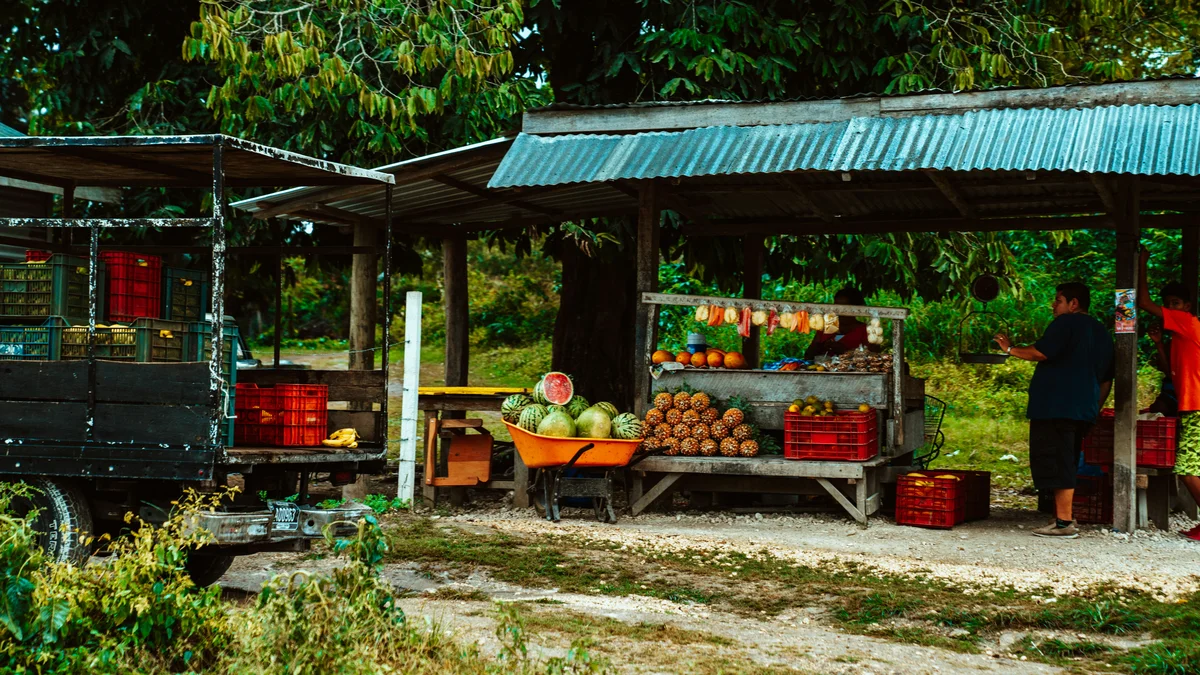
San Ignacio's open-air market, busiest on Saturdays, draws vendors from across the Cayo District and neighboring Guatemala selling fresh produce, spices, and handmade goods. It's a genuine working market rather than a tourist craft fair, giving a real look at the region's mix of Mestizo, Maya, Mennonite, and Guatemalan communities that all supply it.
Visitor guide
The San Ignacio Market is an open-air market in San Ignacio, a town on the Macal River in the Cayo District of western Belize. Saturday is described in travel sources as the main market day, when vendors from across the district gather to sell produce and goods.
San Ignacio and its twin town Santa Elena form a hub for western Belize. Wikipedia says the Spanish called the settlement El Cayo and the British Honduras government declared it a town on 19 October 1904, with mahogany and chicle production helping it grow. The name Cayo refers to an island; an uncited local account says a creek once surrounded the area and later dried up. San Ignacio lies about 101 km west of Belize City and 35 km west of Belmopan, and covers roughly 6.5 square kilometres. Together the twin towns are Belize's third-largest urban area, with 10,489 residents in San Ignacio and 7,389 in Santa Elena in 2010, and 21,229 in the 2022 census.
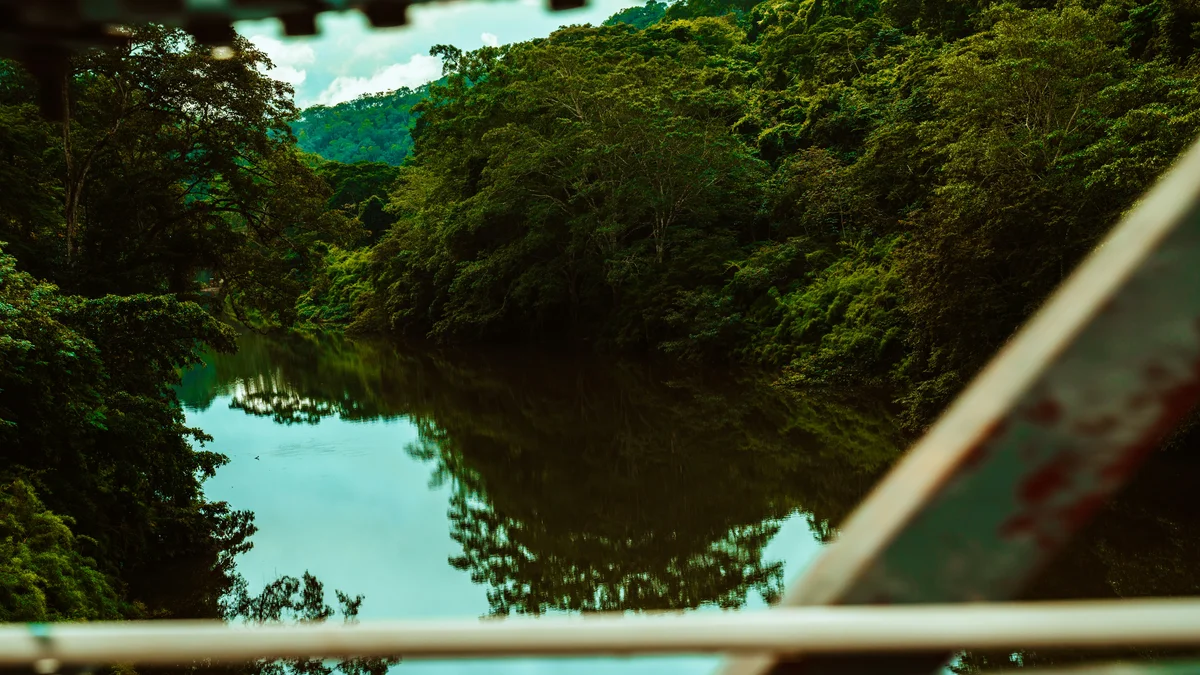
The Hawkesworth Bridge, built in 1949 and often described as Belize's only suspension bridge, carries a single lane over the Macal River between San Ignacio and Santa Elena; Wikipedia notes a two-lane Santa Elena Bridge opened in 2018 and that a one-lane wooden bridge serves the market area. Travel sources say the bridge was imported from England. The river and its crossings are what tie the two towns, and the market, close to the water, draws on both.
Travel guides describe fruit, vegetables, nuts and spices, along with honey, coconut oil and cohune oil, cheeses and other dairy products, handmade crafts, clothing and traditional remedies. Cooked food stalls serve Belizean dishes such as tamales, salbutes, garnaches and panades. Produce is typically sold by weight and prices are not always posted, so asking is normal. Tour-operator descriptions say there are permanent stalls but that the market grows many times larger on Saturdays, when vendors from surrounding villages arrive and some streets close to traffic, and they describe a mix of languages in use, including English, Spanish, Creole, Maya languages and German among Mennonite farmers.
Cayo is primarily an agricultural district, with citrus and bananas as the main crops according to Wikipedia, and Mennonite settlements are known for producing milk, cheese, beans, corn, melons, honey and eggs. Spanish Lookout, a Mennonite community a few miles outside town, was founded in 1958 by Mennonites from Mexico, and travel sources describe its farms and furniture makers as supplying products sold throughout the country. The 2022 census figures cited by Wikipedia put Cayo's population at about 68 percent Mestizo, 16 percent Creole, 5 percent European including German Mennonites at 4.2 percent, and smaller Q'eqchi', Mopan Maya and Garifuna communities, with English spoken by 73.8 percent and Spanish by 64.4 percent.
The market sits close to the river in the town centre, which makes it easy to combine with Cahal Pech, Barton Creek Cave and other Cayo sites; Wikipedia also names Caracol, Xunantunich, El Pilar, Actun Tunichil Muknal and Crystal Cave nearby. A private guide can introduce the foods and explain the communities behind them, with a private vehicle and driver for transfers.
See every tour and attraction we cover in San Ignacio.