TorontoOntario · 36 tours
 Niagara FallsOntario · 25 tours
 New York CityNew York · 30 tours
 Las VegasNevada · 8 tours
 San FranciscoCalifornia · 16 tours
 VancouverBritish Columbia · 17 tours
 DubaiUAE · 54 tours
 Abu DhabiUAE · 5 tours
 Buenos AiresArgentina · 23 tours
 AthensGreece · 31 tours
 AucklandNew Zealand · 38 tours
 CancunMexico · 54 tours
No destinations match “”. Try searching all tours instead — that search understands full questions, not just place names.
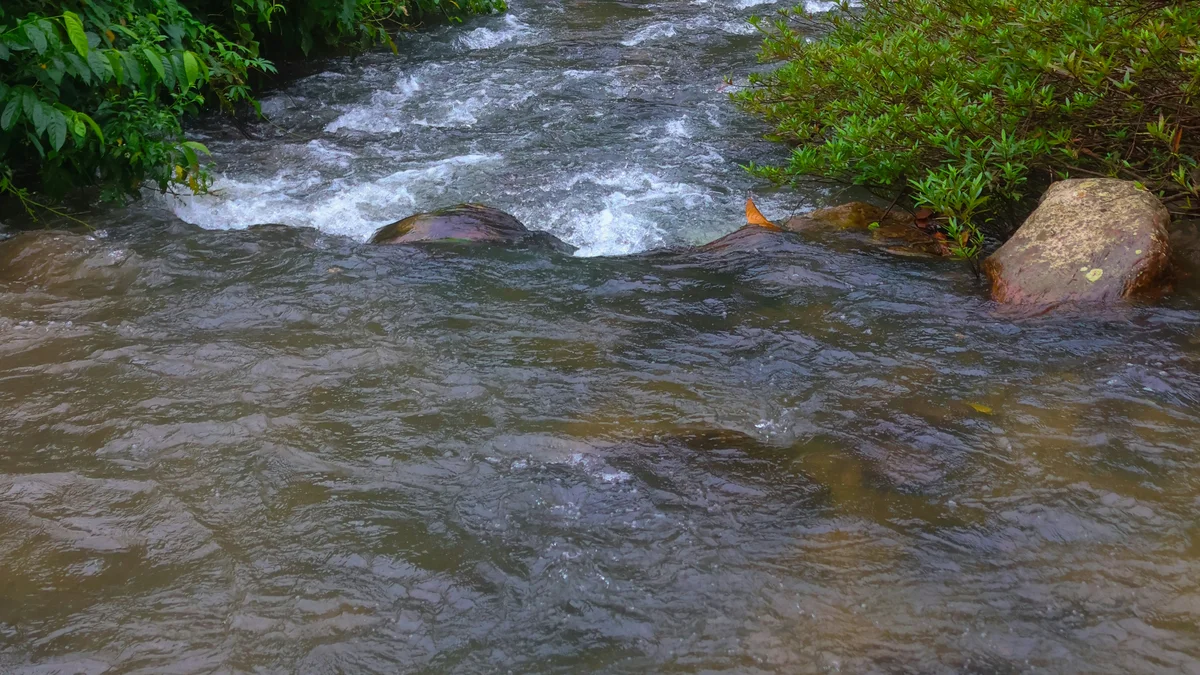
A limestone cave system several kilometres long (about four miles mapped, per National Geographic), explored by canoe along an underground river, in the Mennonite farming community area outside San Ignacio. Archaeological surveys have found ceremonial pottery and human skeletal remains on ledges above the waterline, evidence the ancient Maya used the cave for ritual purposes, likely linked to the belief that caves were entrances to the underworld, Xibalba.
Visitor guide
Barton Creek Cave is a limestone cave with a flowing river in the Cayo District of Belize, in the upper Barton Creek area near San Ignacio. Wikipedia describes it as both a significant archaeological site and a tourist destination, and it is known for evidence of ancient Maya ritual use.
The cave is described as a mainly single-passage resurging stream cave, meaning a stream sinks upstream and re-emerges through the cave. A survey by the Western Belize Regional Cave Project recorded about 6,400 metres of passage by 2002, and by 2005 the Xibalba Mapping and Exploration Team had extended it to about 8 kilometres. Dye tracing suggested that up to 6 kilometres of further passage may exist beyond the terminal sumps. David and Eleanor Larson led a multiyear project to map and photograph caves for the Belize Department of Archaeology, and a 2000 Archaeology magazine field report described Barton Creek as a large river cave possibly more than 4.5 miles long.
In the early 1970s, Mennonites from a nearby community floated a short way into the cave on oil drums and found human bones near the entrance. The Mennonite farming communities of the area were founded relatively recently: Lower Barton Creek in 1966 and Upper Barton Creek in 1969, according to Wikipedia. On 9 May 1974, the Peace Corps volunteers Barbara MacLeod and CarolJo Rushin, working for Belize's Department of Archaeology, paddled over a mile into the cave with a local farmer, Patrick Cartwright, and found artifacts, though not the bones the Mennonites had reported. The next day the same team, with three Mennonites, explored two nearby caves, one holding Maya potsherds and artificially constructed seats or altars and the other an artificial rock pile mixed with potsherds. Extensive looting occurred soon after the cave was first reported, but it remains an important site.
Evidence of Maya use appears on ten ledges within the first kilometre of passage. The pottery points to use from the Early Classic period, about 200 to 600 CE, through the Late Classic, about 600 to 900 CE, though a 2000 field report dates the Early Classic slightly later, so exact boundaries vary by source. The remains of at least 28 people have been found. A tour operator page gives 20, so the count depends on the source and date.
Archaeology magazine's 2000 field reports describe specific finds, including an intact olla placed at the edge of an alcove reached by a precarious traverse about 50 feet above the water, a vessel cache holding a Late Classic dish, a spindle whorl, stone tools and a small carved piece of jade. A hearth contained the charred remains of ears of corn, which the team linked to a possible agricultural fertility ritual. A child's remains lay face down in a dry rimstone pool, and the Maya had broken a doorway through three cave draperies to reach it. The team also recovered a necklace of perforated animal toe bones, one carved into a seated figure. Interpretations of the cave's use include agricultural rituals, fertility rites, bloodletting, sacrifice and lineage burial, though these are interpretations rather than proven facts.
Archaeologists generally interpret such cave deposits as ritual, tied to Maya beliefs that caves were entrances to the underworld, called Xibalba, a K'iche' name meaning roughly place of fright. Above ground, a 2017 study of Lower Barton Creek found a settlement that was occupied from the Middle Preclassic and grew into a regional centre before being abandoned around AD 900, which sits comfortably with the cave's Classic-period use.
San Ignacio is the hub for exploring this area, and Wikipedia names Barton Creek Cave alongside Actun Tunichil Muknal as cave attractions in the district. A private guide is useful for explaining the cave's archaeology and the protection of artifacts, and visitors should expect a natural setting where access depends on river and weather conditions. A private vehicle and driver can handle the rural drive from San Ignacio.
See every tour and attraction we cover in San Ignacio.