TorontoOntario · 36 tours
 Niagara FallsOntario · 25 tours
 New York CityNew York · 30 tours
 Las VegasNevada · 8 tours
 San FranciscoCalifornia · 16 tours
 VancouverBritish Columbia · 17 tours
 DubaiUAE · 54 tours
 Abu DhabiUAE · 5 tours
 Buenos AiresArgentina · 23 tours
 AthensGreece · 31 tours
 AucklandNew Zealand · 38 tours
 CancunMexico · 54 tours
No destinations match “”. Try searching all tours instead — that search understands full questions, not just place names.
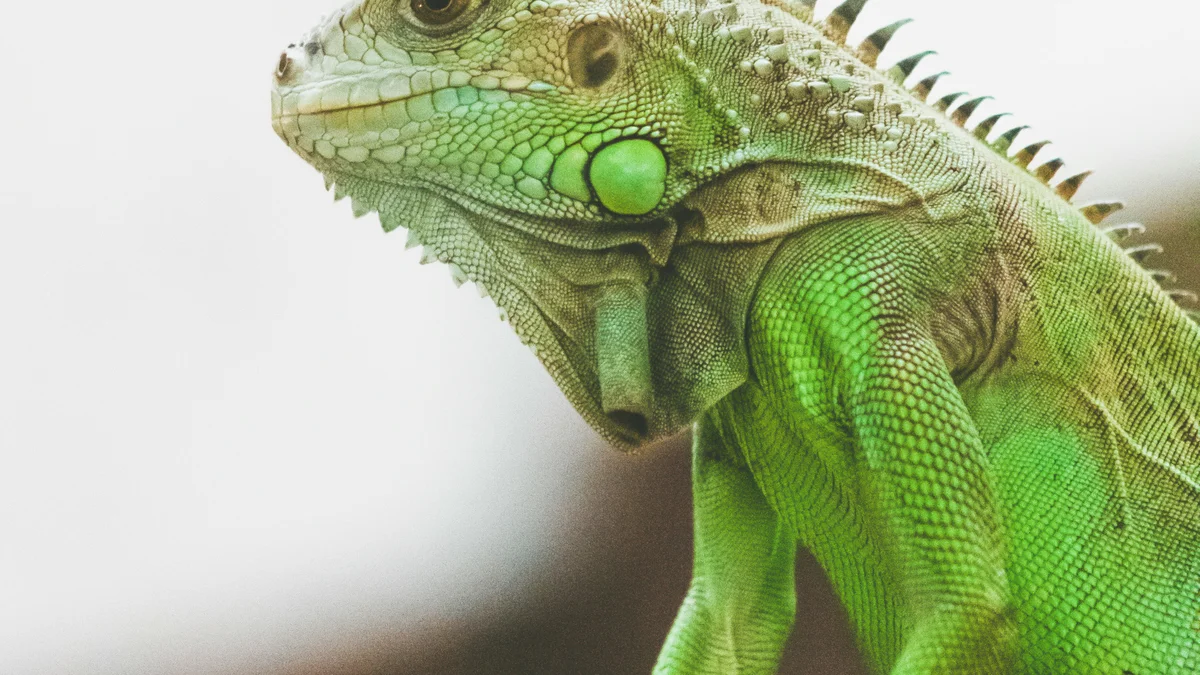
A small breeding and conservation program based at the San Ignacio Resort Hotel, working to boost Belize's wild green iguana population, which fell under hunting pressure in past decades. Visitors can walk through the enclosures and handle young iguanas being raised for eventual release, with guides explaining the species' life cycle and the conservation program's release process.
Visitor guide
The Green Iguana Conservation Project is a small breeding and release programme run from the San Ignacio Resort Hotel in San Ignacio, in the Cayo District of Belize. Its stated aim, according to tourism listings, is to help the green iguana by hatching eggs, raising young animals and releasing them into the wild, while educating visitors about the species.
Tourism sources date the project to 1996. One account says it was founded that year by Mrs. Mariam Roberson and Mr. Daniel Velasquez to protect the species and educate people about it, and another describes it as beginning with the collection of at-risk eggs from along the river at Bullet Tree Falls, a village just outside San Ignacio. A third calls it a small, independent initiative that grew into a well-known programme. These details come from promotional and tourism listings rather than independent studies, so they should be read as the project's own account. The same listings say it is run by Belizean owners and staff and sits on the grounds of the hotel, and the hotel has said the facility has been upgraded and that direct handling of the animals is no longer part of the experience.
The green iguana, Iguana iguana, is native from southern Mexico through Central America to central Brazil, Paraguay and Bolivia. Wikipedia says adults typically reach 1.2 to 1.7 metres from head to tail, with spines along the back and tail and a dewlap used for temperature regulation and display. A pale parietal eye on top of the head has only a rudimentary retina and lens and cannot form images, but it senses changes in light and movement, which helps the animal spot predators overhead. Some researchers think Central American populations, such as those in Guatemala and southern Mexico, may belong to a separate species, Iguana rhinolopha, because genetic studies show deep divergence between Central and South American animals.
The iguana is mainly herbivorous, eating more than 100 plant species, and juveniles eat adult faeces to acquire the gut microbes needed to digest plant material. It is diurnal and arboreal, often lives near water, and is a strong swimmer that stays submerged with its legs held against its sides and drives itself with its tail. If seized by the tail, the tail can break off and later regenerate.
Females lay clutches of about 20 to 71 eggs once a year during a synchronised nesting period. They dig deep nests, sometimes at communal sites, and in Panama and Honduras they have been recorded sharing nest sites with American crocodiles and spectacled caimans. Hatchlings emerge after roughly 10 to 15 weeks of incubation and receive no maternal care, which is why raising young animals past the most vulnerable stage is the heart of a head-start programme like this one.
Wild iguanas have declined in parts of their native range because of hunting for food, and in Central America they are nicknamed gallina de palo, roughly bamboo chicken. Travel sources add that iguana meat is traditionally eaten during particular religious periods such as Easter in Belize. Globally the IUCN lists the species as Least Concern, and international trade is regulated under CITES Appendix II, so the local emphasis is on protecting wild populations and encouraging sustainable use. Listings say the project is funded through an adopt-an-iguana scheme and an Iguana Kids Club, with proceeds supporting scholarships for local schoolchildren.
The project is within the San Ignacio area, so it can be combined with Cahal Pech and the market. A private tour with a driver can include it as a short stop.
See every tour and attraction we cover in San Ignacio.