TorontoOntario · 36 tours
 Niagara FallsOntario · 25 tours
 New York CityNew York · 30 tours
 Las VegasNevada · 8 tours
 San FranciscoCalifornia · 16 tours
 VancouverBritish Columbia · 17 tours
 DubaiUAE · 54 tours
 Abu DhabiUAE · 5 tours
 Buenos AiresArgentina · 23 tours
 AthensGreece · 31 tours
 AucklandNew Zealand · 38 tours
 CancunMexico · 54 tours
No destinations match “”. Try searching all tours instead — that search understands full questions, not just place names.
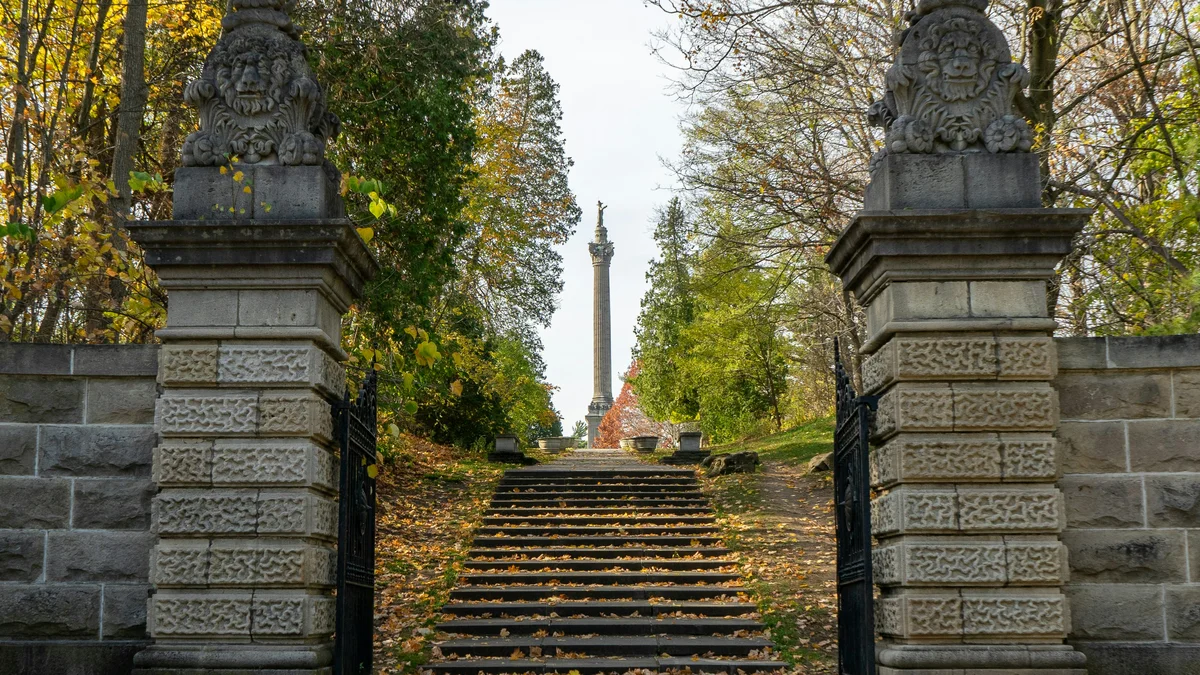
The site of the 1812 Battle of Queenston Heights, home to the Brock Monument and sweeping views over the Niagara River.
 Shared Tours
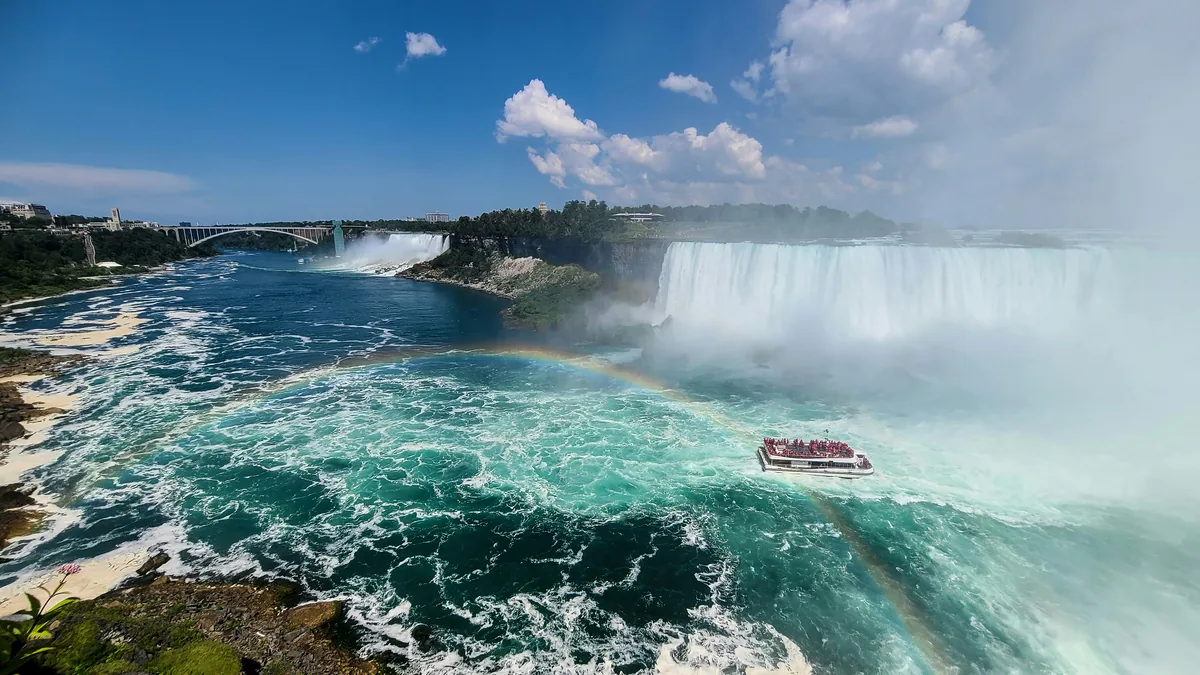
A shared day tour from downtown Toronto to Niagara Falls and Niagara-on-the-Lake: you join other guests on a set itinerary of about 9 hours, with six fixed pickup points, photo stops on the Niagara Parkway and about 2.5 hours of free time at the Falls.
 Private Tours
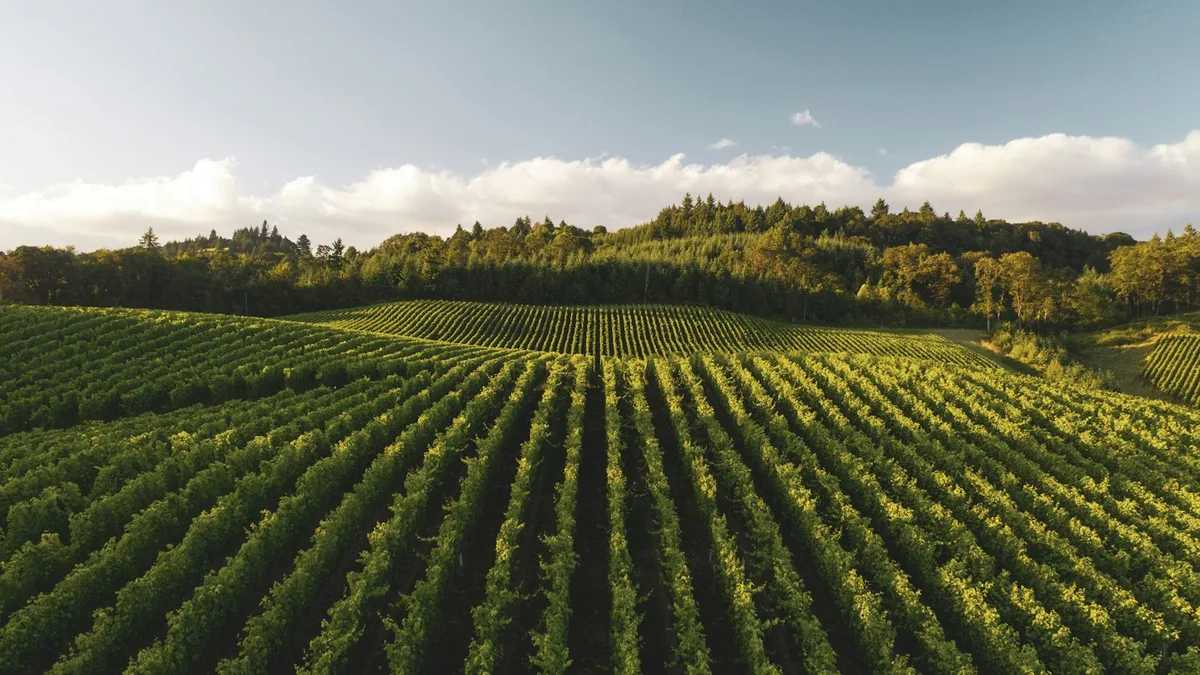
A private half-day: Queenston Heights, Inniskillin Wines and Old Town Niagara-on-the-Lake.
 Private Tours
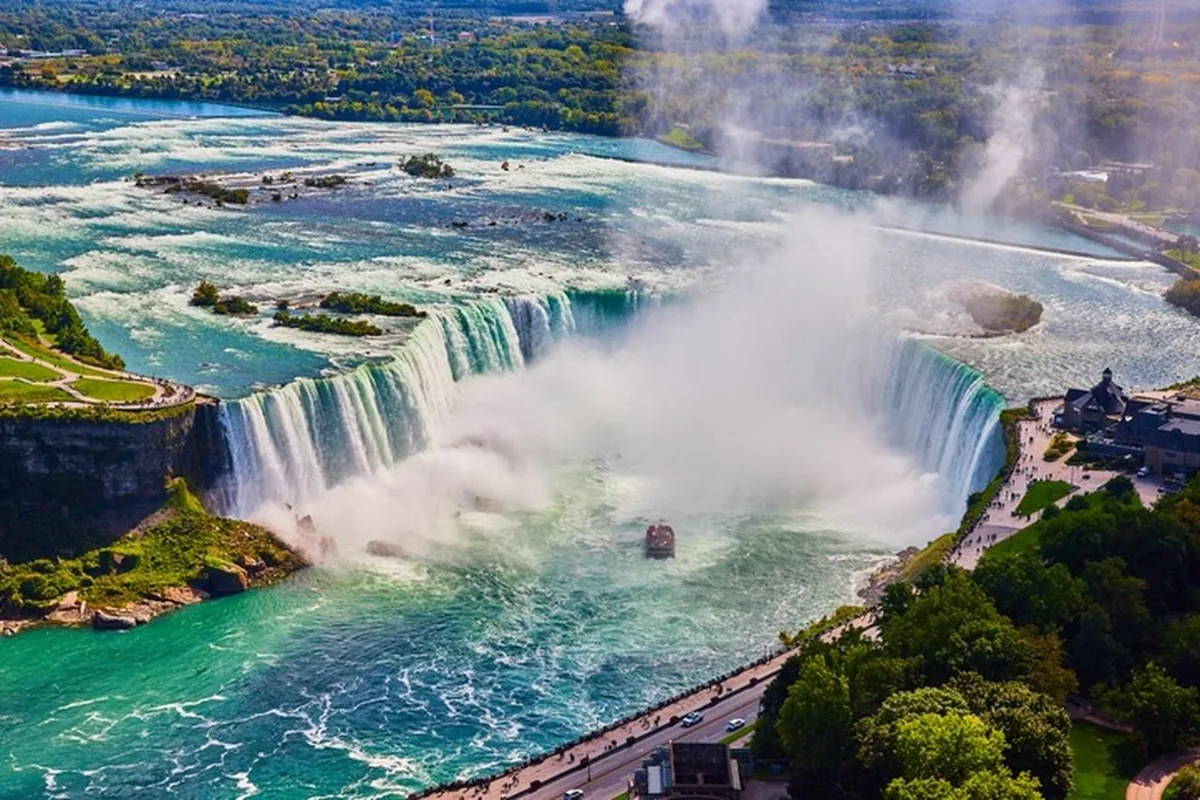
A private 9 hour Niagara Falls day for your group only, with a helicopter flight, a boat ride in season, lunch at the Sheraton Fallsview Hotel and Niagara Parkway stops.
Visitor guide
Queenston Heights is a promontory of the Niagara Escarpment above the village of Queenston, Ontario, where the Niagara River cuts through the ridge. It is the site of the Battle of Queenston Heights on October 13, 1812, an early British and Indigenous victory in the War of 1812, and today it combines a historic battlefield, Brock's Monument and a landscaped park with picnic lawns and sweeping views.
American forces under Stephen Van Rensselaer crossed the river at Queenston at dawn and seized the heights. Major-General Sir Isaac Brock, commander in Upper Canada, rushed to the scene from Fort George and was shot in the chest while leading a counterattack on an American-held battery; most historians doubt the famous words attributed to him as he fell. Lieutenant-Colonel John Macdonell, Brock's aide, was mortally wounded in a second counterattack. Mohawk warriors led by John Norton fought alongside the British and Canadian militia.
In the afternoon Major-General Roger Hale Sheaffe arrived with about 650 men from Fort George and attacked; the Americans, with no boats to retreat, surrendered about an hour later. Roughly 955 Americans captured at first, among them Winfield Scott, who would become a prominent US general. Casualty figures vary by source, so treat them as approximate.
Brock and Macdonell are interred in crypts at the base of the monument. The first column, a 135-foot Tuscan column with a viewing platform, was unveiled on October 13, 1824. On April 17, 1840, an explosive charge badly damaged it; Benjamin Lett was widely presumed responsible, but a later hearing did not establish it. The present monument, designed by Toronto architect William Thomas, was built from 1853 to 1856 and is roughly 56 to 58 metres tall (the Parks Canada register gives the column as 57.9 metres), and the sources give the 1859 inauguration as a separate date. A spiral staircase of 235 steps leads to a small viewing platform below the statue of Brock, with windows toward the Niagara region and Lake Ontario.
Queenston Heights was designated a National Historic Site of Canada in 1968. The Niagara Parks Commission has owned parkland here since the late 19th century and shaped it as a recreational park, with picnic grounds, formal planting and, in the early 20th century, a restaurant. A monument to Laura Secord, the War of 1812 heroine, stands nearby. Fort Drummond, also on the site, is separately recognized. Parks Canada notes that visitor services, including a small museum on Brock, run from May to October, with the site itself accessible year-round, and says it is operated with the Friends of Fort George. Check Parks Canada and Niagara Parks for current hours, tower access and restaurant status.
Queenston Heights is about 10 km from the Falls on the Niagara River Parkway, and it sits a short drive from the Floral Clock, Niagara Glen, the village of Queenston and Niagara-on-the-Lake with its wineries. A Voyzo private tour can connect these on one route with your own driver and door-to-door pickup.
See every tour and attraction we cover in Niagara Falls.