TorontoOntario · 36 tours
 Niagara FallsOntario · 25 tours
 New York CityNew York · 30 tours
 Las VegasNevada · 8 tours
 San FranciscoCalifornia · 16 tours
 VancouverBritish Columbia · 17 tours
 DubaiUAE · 54 tours
 Abu DhabiUAE · 5 tours
 Buenos AiresArgentina · 23 tours
 AthensGreece · 31 tours
 AucklandNew Zealand · 38 tours
 CancunMexico · 54 tours
No destinations match “”. Try searching all tours instead — that search understands full questions, not just place names.
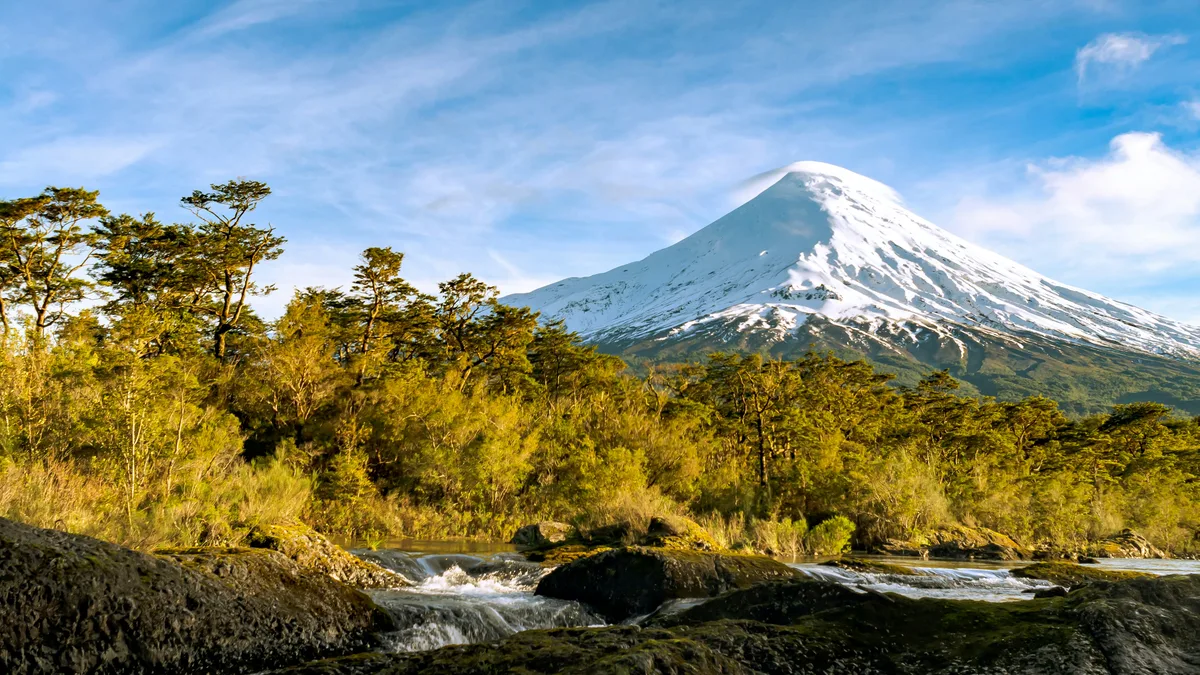
A lakeside town in Chile's Lake District built by 19th-century German settlers, looking out across Llanquihue Lake to the perfectly conical, snow-capped Osorno Volcano.
 Multi-Day Tours Popular Pick
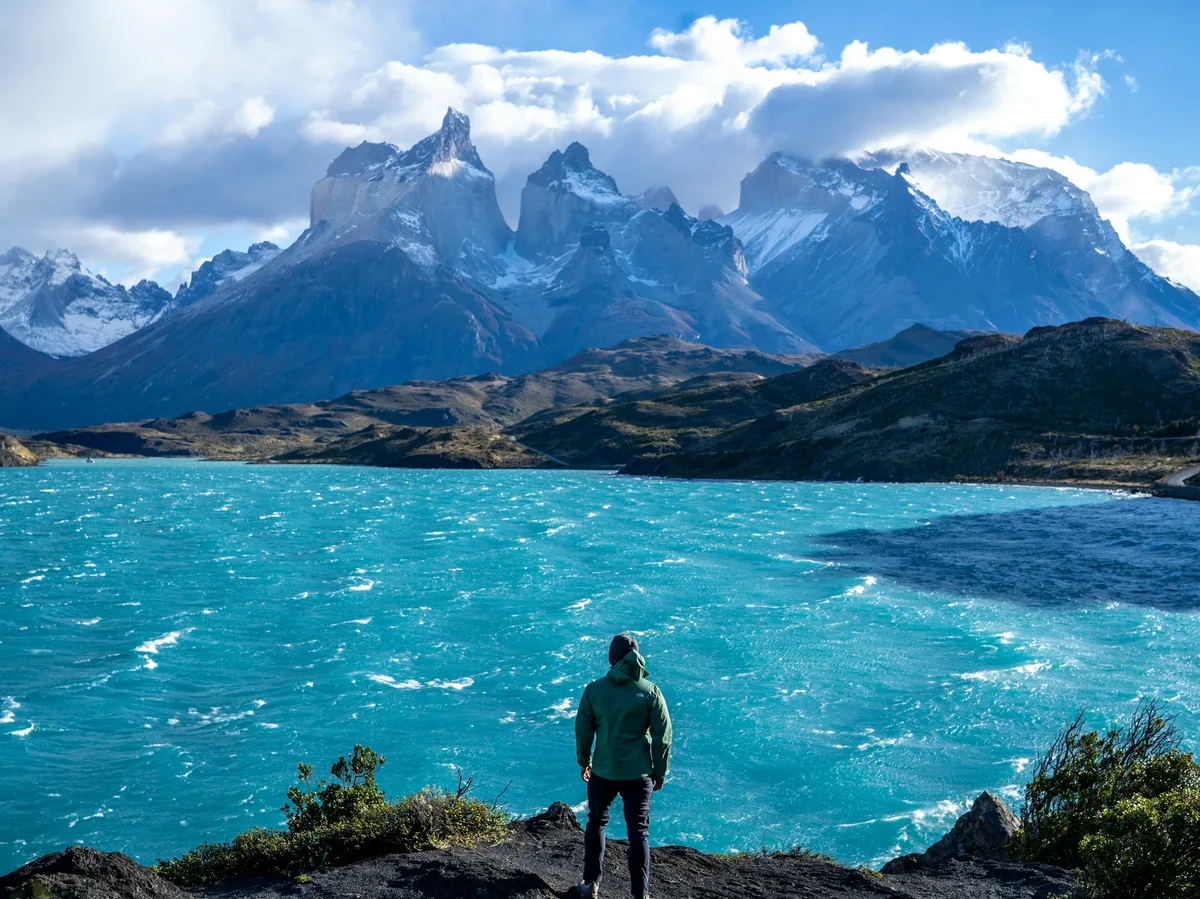
Chile's flagship grand tour — Santiago and the coast, the Atacama Desert's geysers and salt flats, the volcanoes and lakes of Pucón and Puerto Varas, Chiloé's stilt villages, and Patagonia's glaciers and Torres del Paine.
 Multi-Day Tours
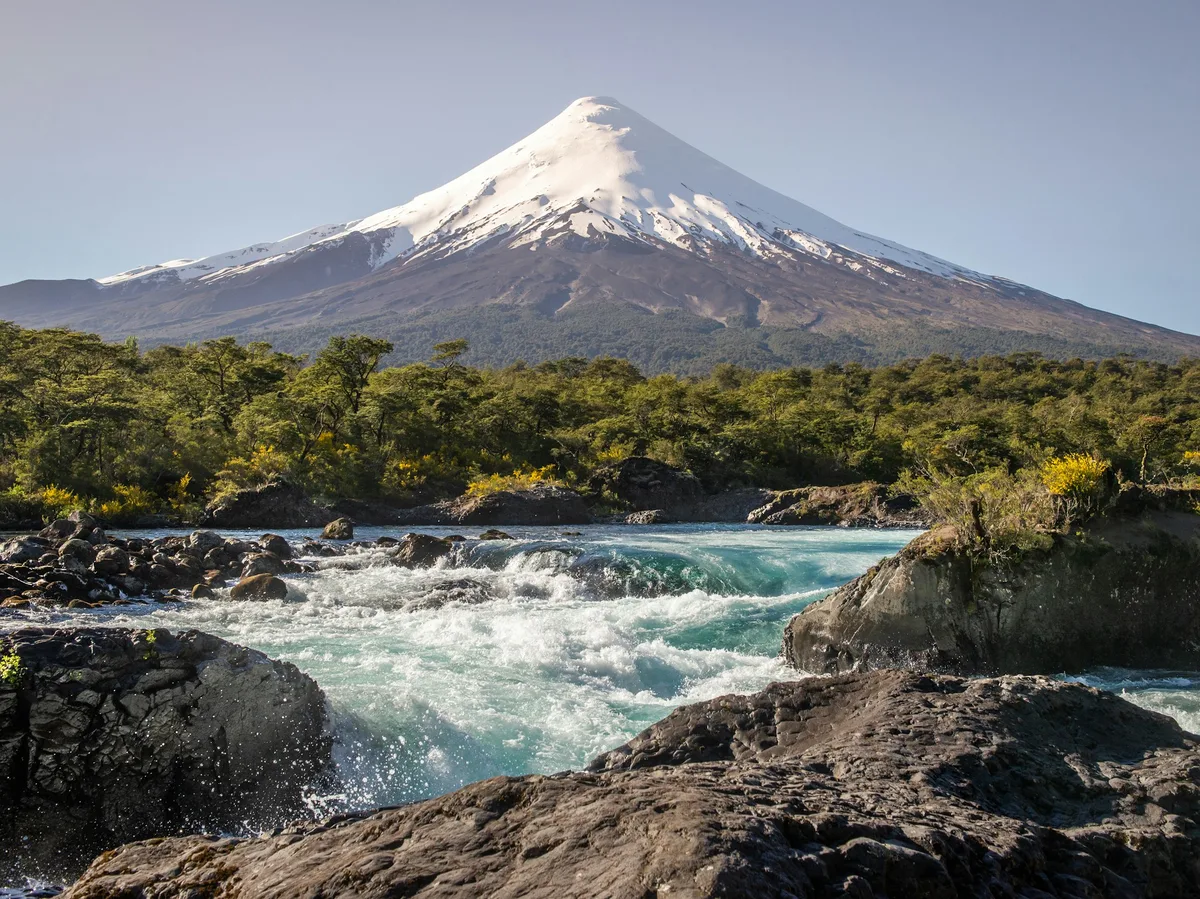
A five-day lakes-and-volcanoes crossing from Chile's Puerto Varas, over the Andes lakes by boat, into Bariloche in Argentina.
 Multi-Day Tours
A week built around the Lake District's kitchens and landscapes — hot springs and native forest around Pucón, a Mapuche cultural visit, and a Chiloé Island cooking day foraging crab, mussels and colorful potatoes.
Visitor guide
Puerto Varas is a lakeside city in the Los Lagos Region of southern Chile, known as the City of Roses, and Osorno is the 2,652-metre conical volcano that dominates the skyline across Lake Llanquihue. Together they form one of Chile's best-known lake district views.
Puerto Varas lies on the shore of Lake Llanquihue, the second-largest lake in Chile according to Wikipedia, about 20 kilometres from Puerto Montt. The city is named for Antonio Varas, the interior minister of the day, and originated in 1853 when a government colonisation project settled 212 German families in the area. They came mostly from regions such as Hesse, Silesia, Baden-Wurttemberg and Bavaria.
Later arrivals included Sudeten Germans, who founded the village of Nueva Braunau in 1875. Lake navigation began in 1852, a Catholic church opened in 1872 and the German Club was founded in 1885. The town received official status in 1897. Wikipedia describes the city as famous for its German traditions.
Osorno is a stratovolcano standing between Osorno and Llanquihue provinces on the southeastern shore of the lake, also overlooking Todos los Santos Lake. Wikipedia notes that its symmetrical shape resembles Mount Fuji in Japan and that it can be seen from much of the province and from parts of Chiloe. It is almost 45 kilometres northeast of Puerto Varas.
The volcano is considered active but has not erupted since 1869. Wikipedia records eleven eruptions between 1575 and 1869, including one seen by Charles Darwin during the second Beagle voyage in 1835. Lava flows from past eruptions reached both Lake Llanquihue and Todos los Santos. Its upper slopes were long covered in glacial ice, though the ice has retreated on the north and west sides.
Puerto Varas is characterised by traditional German architecture, with houses of alerce wood built using tools brought from Europe by nineteenth-century colonists. A Heritage Zone of about 13 hectares, the Zona Tipica, was designated in 1992 in the western part of the city, including wooden houses with steep roofs, neo-gothic details and protected buildings such as Casa Jupner and Casa Gotschlich, both from 1910.
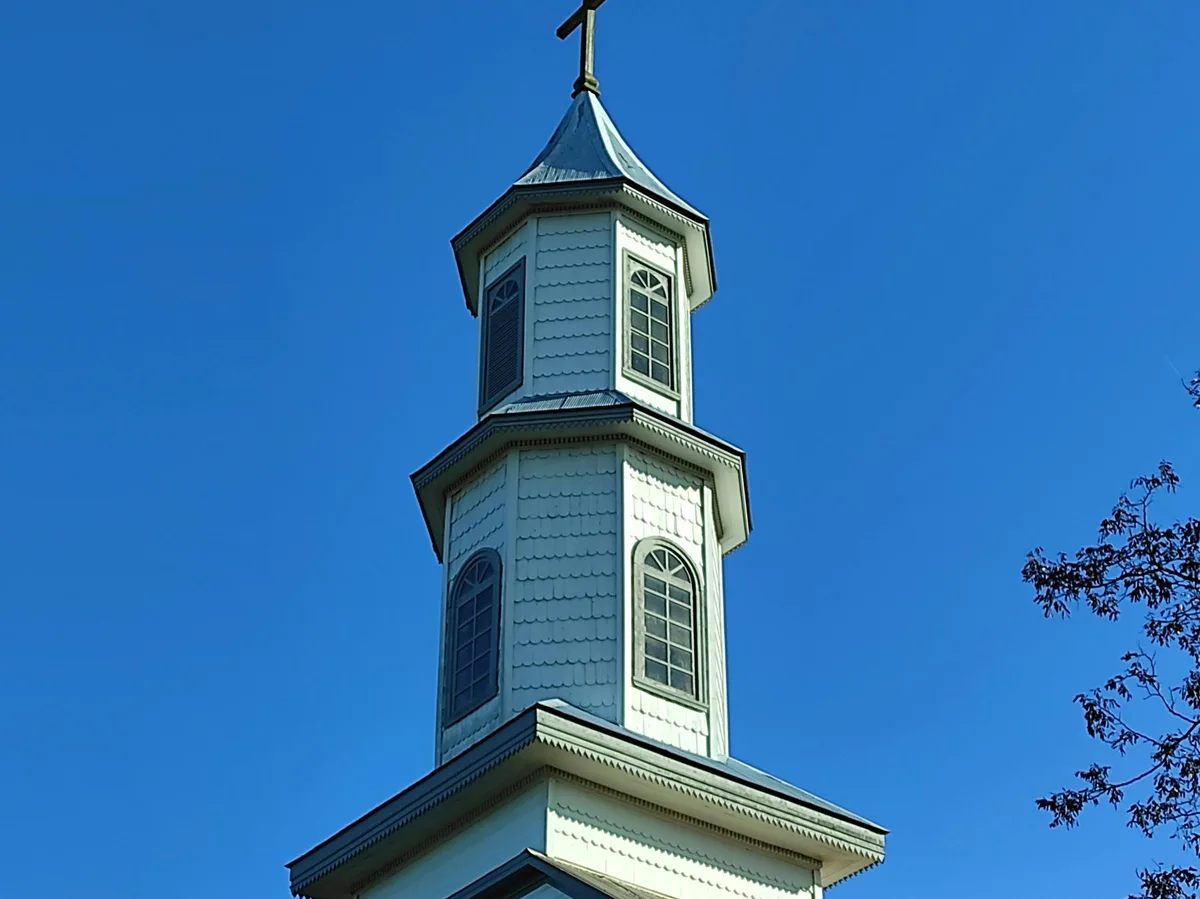
The Sacred Heart of Jesus Church, built in 1918 on one of the highest points in the city, is a wooden landmark. The City of Roses nickname arose in the 1950s from the rose bushes planted around the city, which bloom in spring and summer. Annual events include a February summer festival and the Kuchen Day celebration of German pastry heritage.
Wikipedia says Osorno is accessible from Puerto Klocker, Ensenada and Petrohue, with skiing and hiking popular on its slopes. From Puerto Varas the snow-capped peaks of Calbuco and Tronador are also visible. The climate is oceanic, with about 1,762 millimetres of annual rainfall, so mild summers and rainy winters are typical and views depend on cloud.
A private guided visit with a dedicated vehicle and driver can link the city, the lakeshore and viewpoints toward the volcano, adapted to the weather on the day.
See every tour and attraction we cover in Chile.