TorontoOntario · 36 tours
 Niagara FallsOntario · 25 tours
 New York CityNew York · 30 tours
 Las VegasNevada · 8 tours
 San FranciscoCalifornia · 16 tours
 VancouverBritish Columbia · 17 tours
 DubaiUAE · 54 tours
 Abu DhabiUAE · 5 tours
 Buenos AiresArgentina · 23 tours
 AthensGreece · 31 tours
 AucklandNew Zealand · 38 tours
 CancunMexico · 54 tours
No destinations match “”. Try searching all tours instead — that search understands full questions, not just place names.
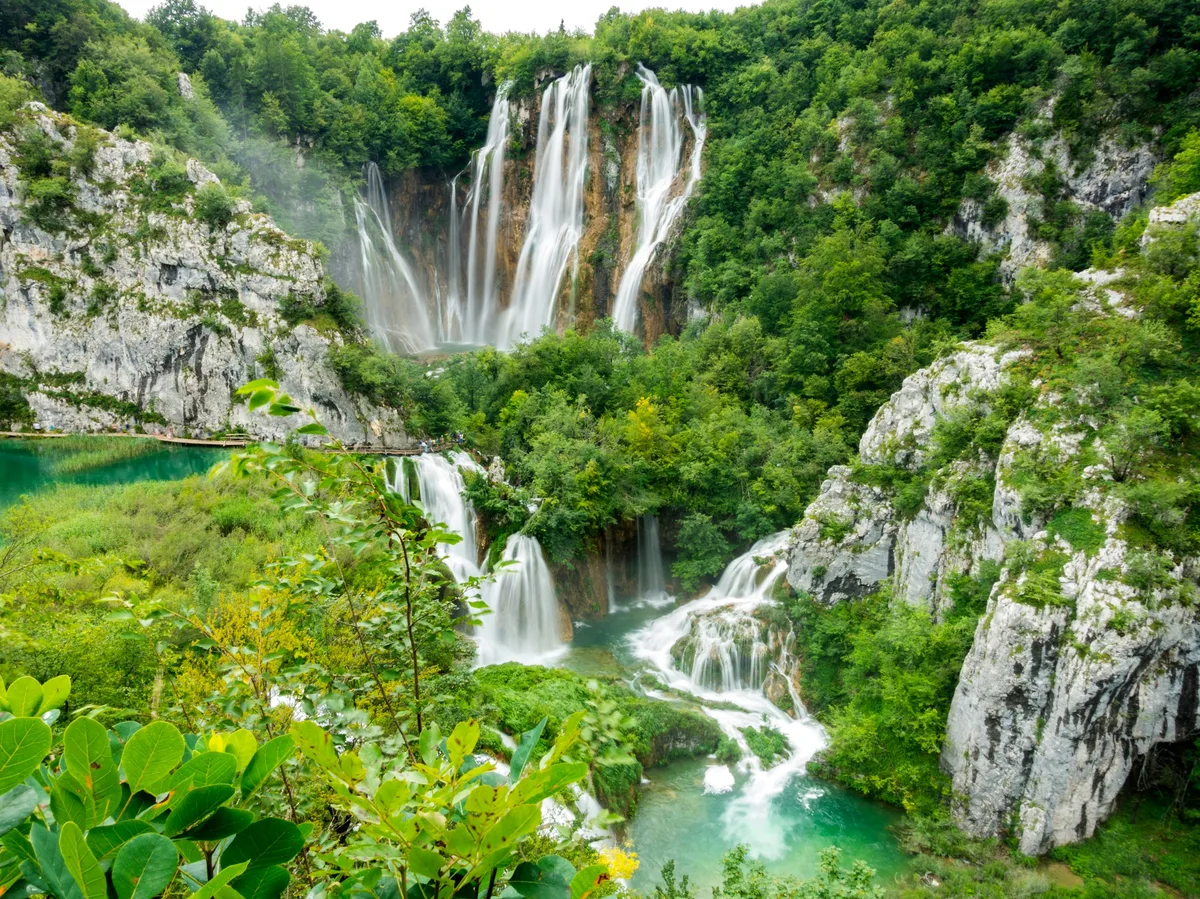
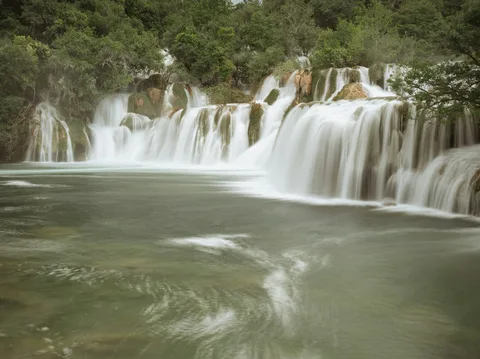
Croatia's oldest and largest national park, where 16 terraced lakes connected by cascading waterfalls are linked by wooden boardwalks through dense forest.
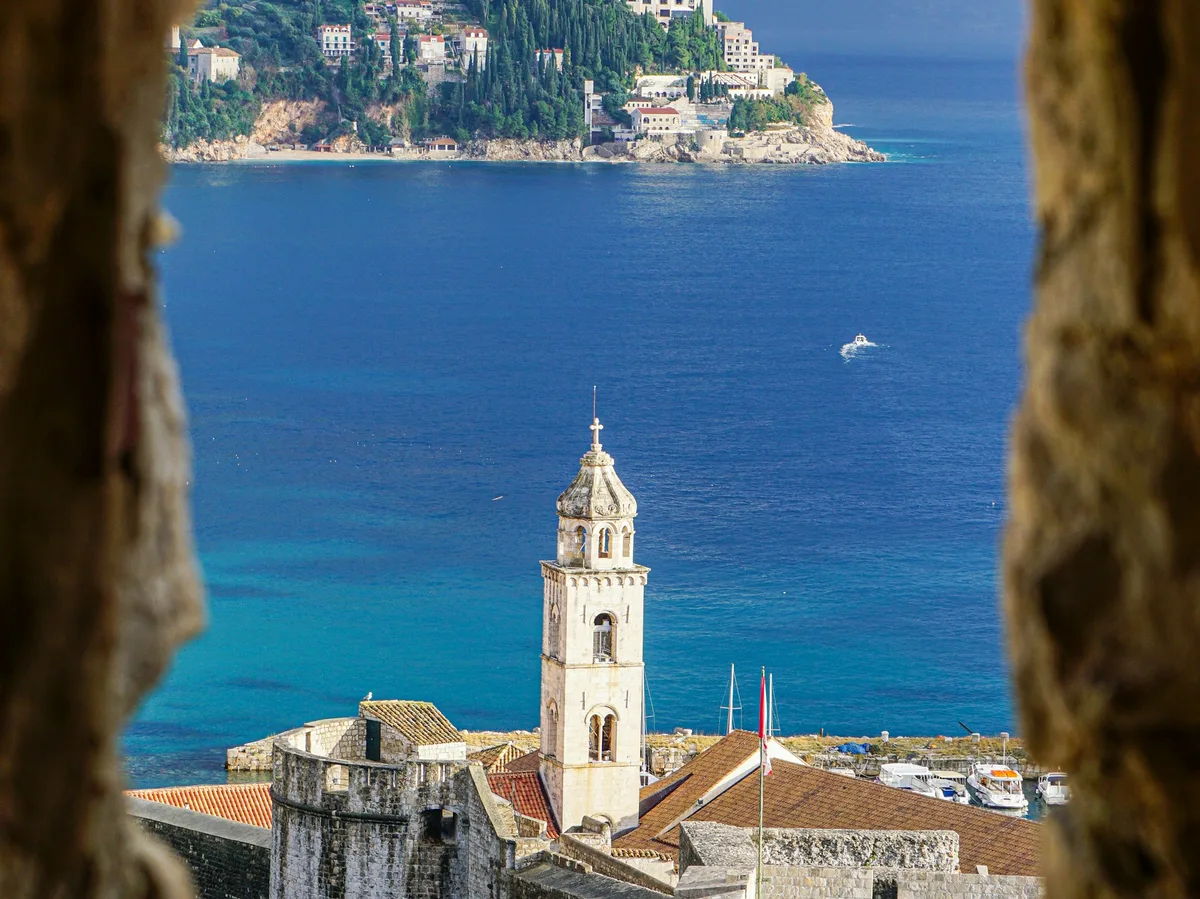 Multi-Day Tours Popular Pick
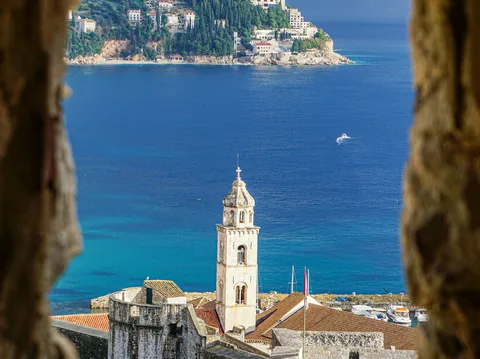
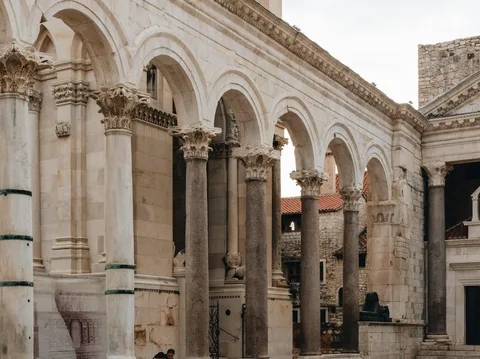
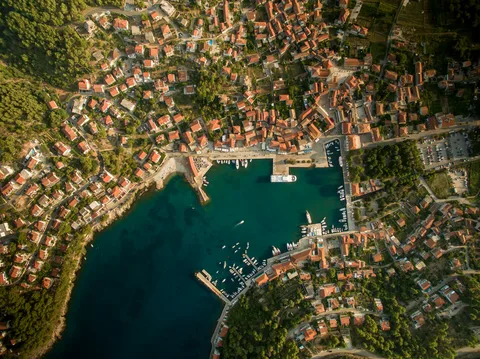
An 8-day introduction to Croatia's best-known sights, from Zagreb's cafe-lined old town to the Plitvice Lakes, Split's Roman ruins, Hvar's harbour, and the walled city of Dubrovnik.
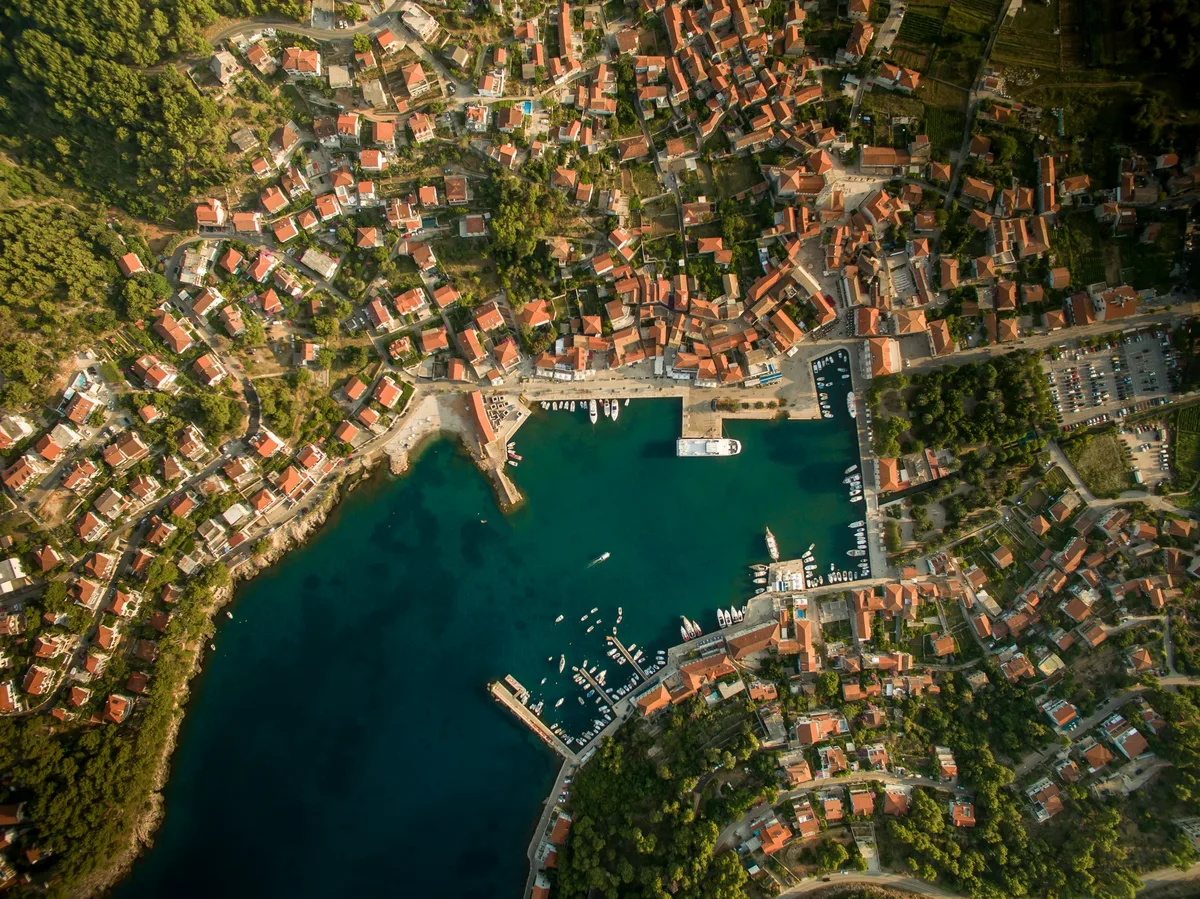 Multi-Day Tours
A leisurely 10-day journey down the Dalmatian coast, from Split and the Plitvice Lakes through Hvar, Korčula and the Elafiti Islands to Dubrovnik.
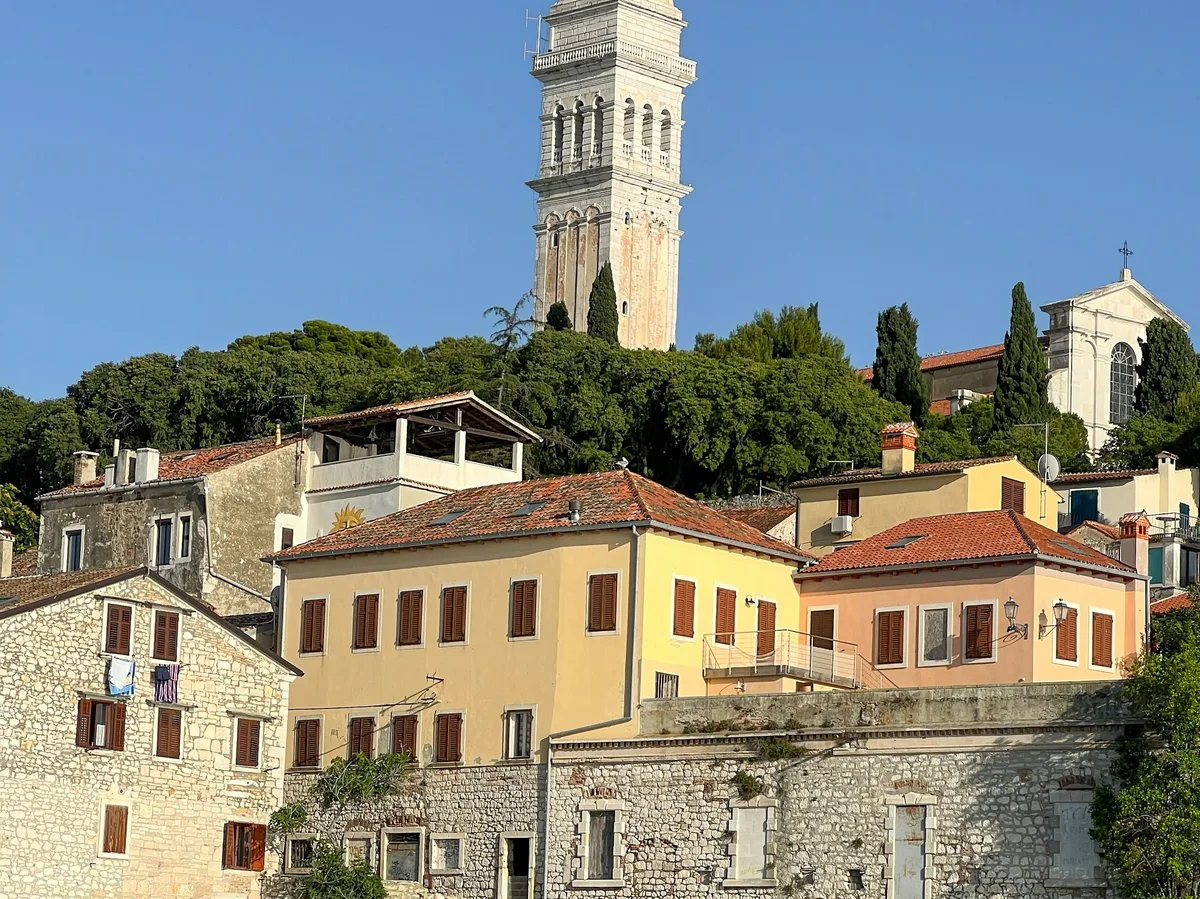 Multi-Day Tours
A 12-day route from Istria to Dubrovnik covering Pula's Roman amphitheatre, the Brijuni Islands, Plitvice Lakes, Zadar, the Kornati Islands, Split, Hvar and the Dalmatian coast.
 Multi-Day Tours
A comprehensive 15-day private journey from Zagreb through Plešivica wine country, Plitvice, Zadar, Krka, Split, Hvar and Dubrovnik, finishing along the Bay of Kotor in Montenegro.
Visitor guide
Plitvice Lakes National Park is a protected area of forested karst in central Croatia, near the border with Bosnia and Herzegovina. It is known for a chain of sixteen visible lakes linked by travertine barriers and waterfalls, and it has been a UNESCO World Heritage Site since 1979.
The park was proclaimed on 8 April 1949 and covers about 297 square kilometres, most of it in Lika-Senj County. Its lakes are arranged in cascades, with a drop of roughly 133 metres from the first lake to the last. The Upper Lakes in the south sit on dolomite, while the Lower Lakes in the north lie on limestone. The two largest lakes, Prosce and Kozjak, reach depths of about 37 and 47 metres and hold most of the water surface.
The lakes owe their form to travertine, or tufa, a rock that forms when calcium carbonate dissolves in karst water and then precipitates out as the water slows and is churned. Mosses, algae and bacteria help the process by providing surfaces on which the mineral settles. According to Wikipedia, barriers can grow by up to about 13 millimetres a year, and the processes have been active since the end of the last ice age. The colour of the water shifts between azure, green, grey and blue depending on minerals, organisms and sunlight.
The park's tallest fall, Veliki slap, also called the Big Waterfall, drops about 78 metres on the Plitvica stream. Other named falls include Galovacki buk and the Milka Trnina cascades. Forest covers about three quarters of the park, and Corkova uvala is a virgin forest where some beech and fir trees are said to be up to 700 years old. The park records about 109 plant species described as notable, among them 55 orchid species.
Plitvice shelters European brown bears, grey wolves, Eurasian lynx and wildcats among roughly 50 mammal species. About 157 bird species have been counted, including breeding eagle owls, and around 20 species of bat live in the caves and forests. Two native brown trout subspecies are found in the lakes. Sightings of large mammals are rare, since these animals are shy and keep to the forest.
Tourism took off in 1888 after a visit by Crown Princess Stephanie of Belgium, and in 1893 a society was founded to protect the lakes and build a hotel. In the 1960s several Karl May Western films were shot here, including Treasure of Silver Lake. In 1991 the park was the scene of an early armed clash of the Croatian War of Independence. UNESCO listed the park in 1979 for its natural beauty and ongoing travertine formation, and managers have introduced measures such as daily visitor limits since 2019 to protect the fragile formations.
Swimming in the lakes has been banned since 2006, and visitors follow marked boardwalks and paths through the terrain. The climate is cool and wet, with snow from about November to March and lakes that can partly freeze in winter, so conditions vary strongly by season. A private guided visit with a driver suits the park well, as it lies a good distance from Croatia's major cities.
See every tour and attraction we cover in Croatia.