TorontoOntario · 36 tours
 Niagara FallsOntario · 25 tours
 New York CityNew York · 30 tours
 Las VegasNevada · 8 tours
 San FranciscoCalifornia · 16 tours
 VancouverBritish Columbia · 17 tours
 DubaiUAE · 54 tours
 Abu DhabiUAE · 5 tours
 Buenos AiresArgentina · 23 tours
 AthensGreece · 31 tours
 AucklandNew Zealand · 38 tours
 CancunMexico · 54 tours
No destinations match “”. Try searching all tours instead — that search understands full questions, not just place names.
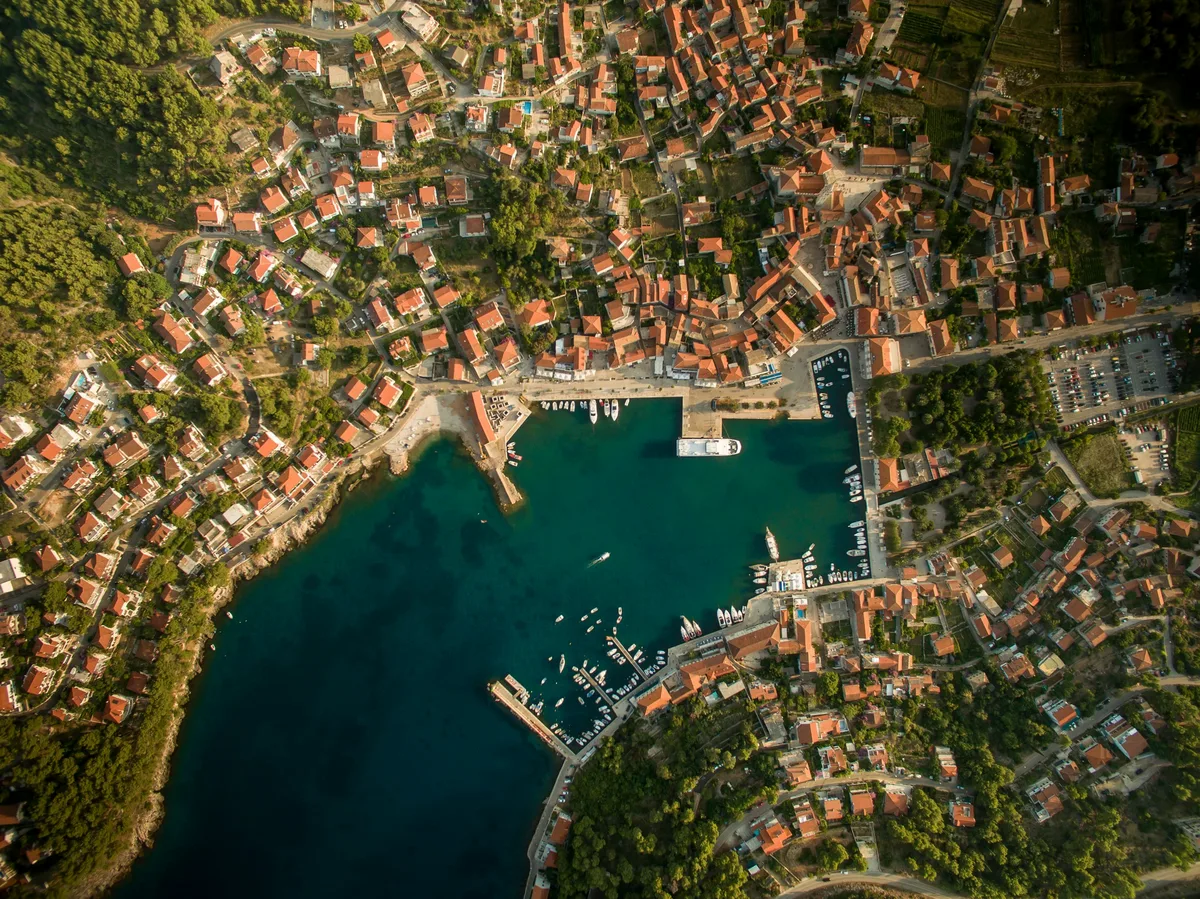
One of the sunniest islands in the Adriatic, known for its lavender fields, Venetian-era old town, the Spanish Fortress above the harbour, and the nearby Pakleni Islands.
 Multi-Day Tours
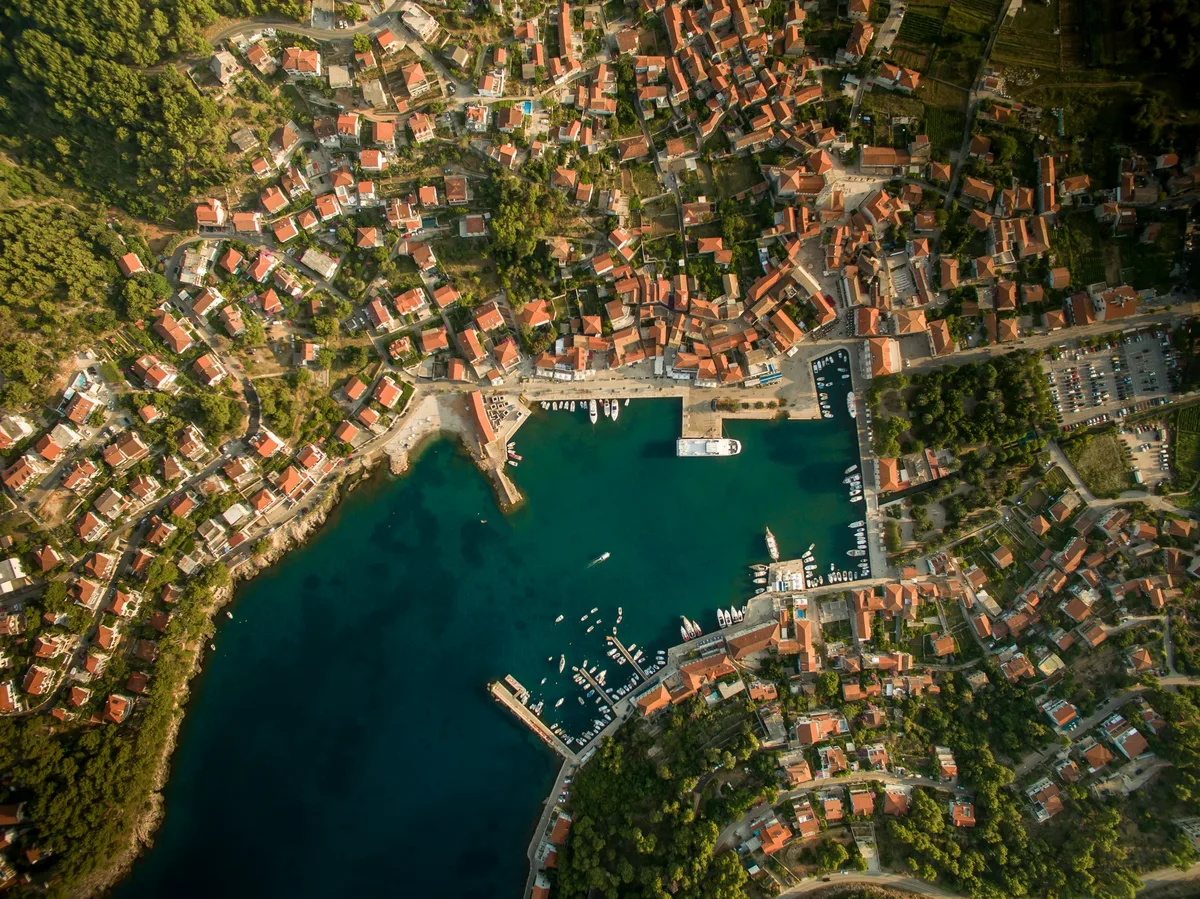
A leisurely 10-day journey down the Dalmatian coast, from Split and the Plitvice Lakes through Hvar, Korčula and the Elafiti Islands to Dubrovnik.
 Multi-Day Tours
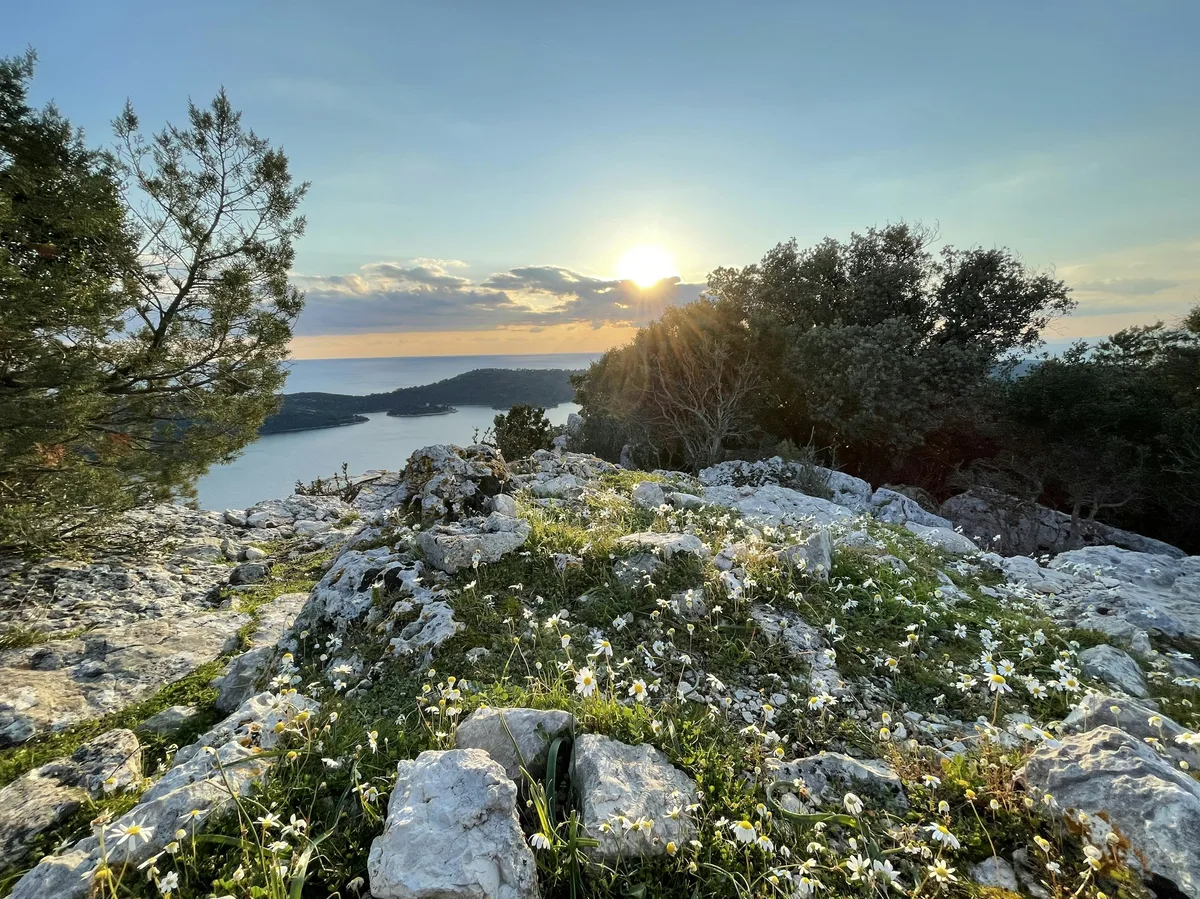
A 7-day active tour of the Dalmatian coast combining lavender-field hikes on Hvar, sea kayaking around Korčula, and cycling through the vineyards of Konavle.
 Multi-Day Tours
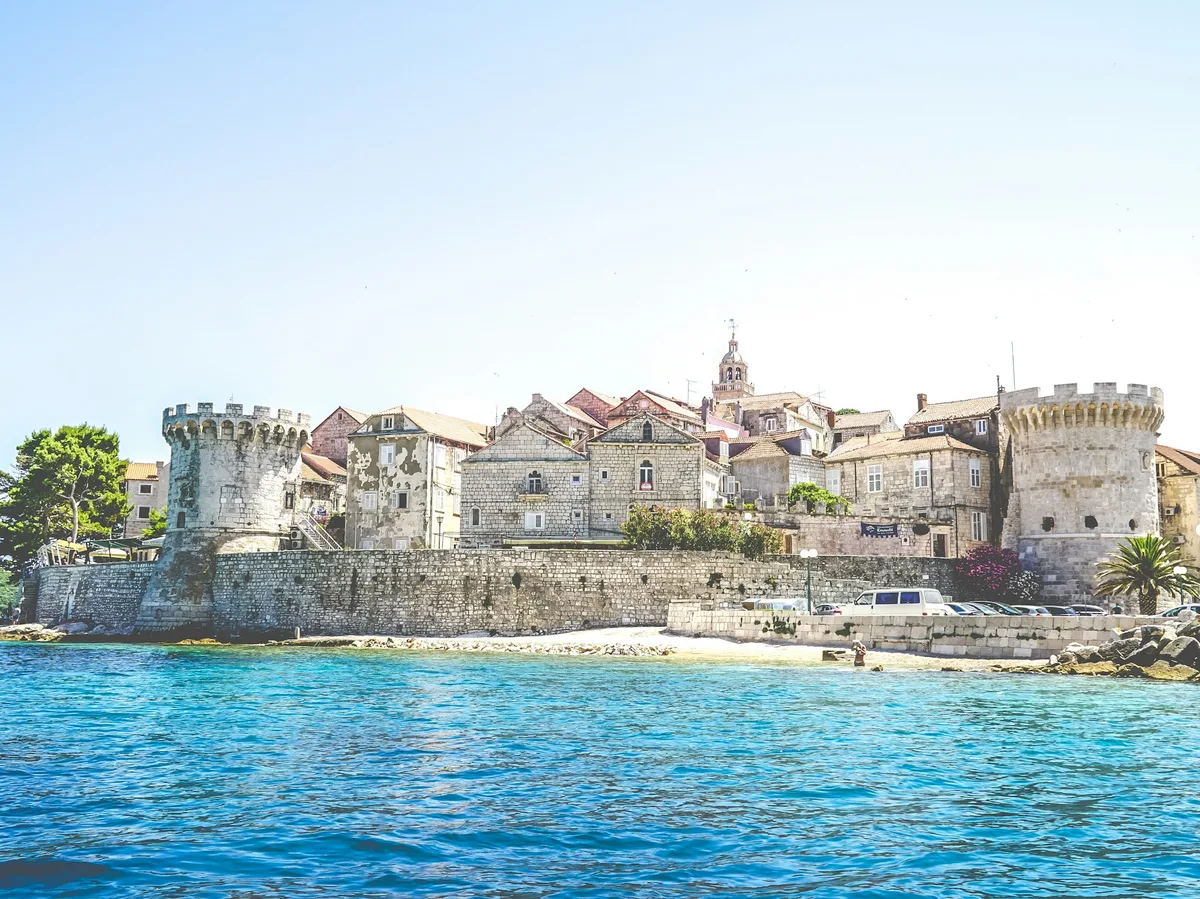
A 7-day food-and-wine journey down the Dalmatian coast, from a family-run culinary estate in Konavle to Ston's oysters, Korčula's Grk wine, and a traditional peka dinner on Hvar.
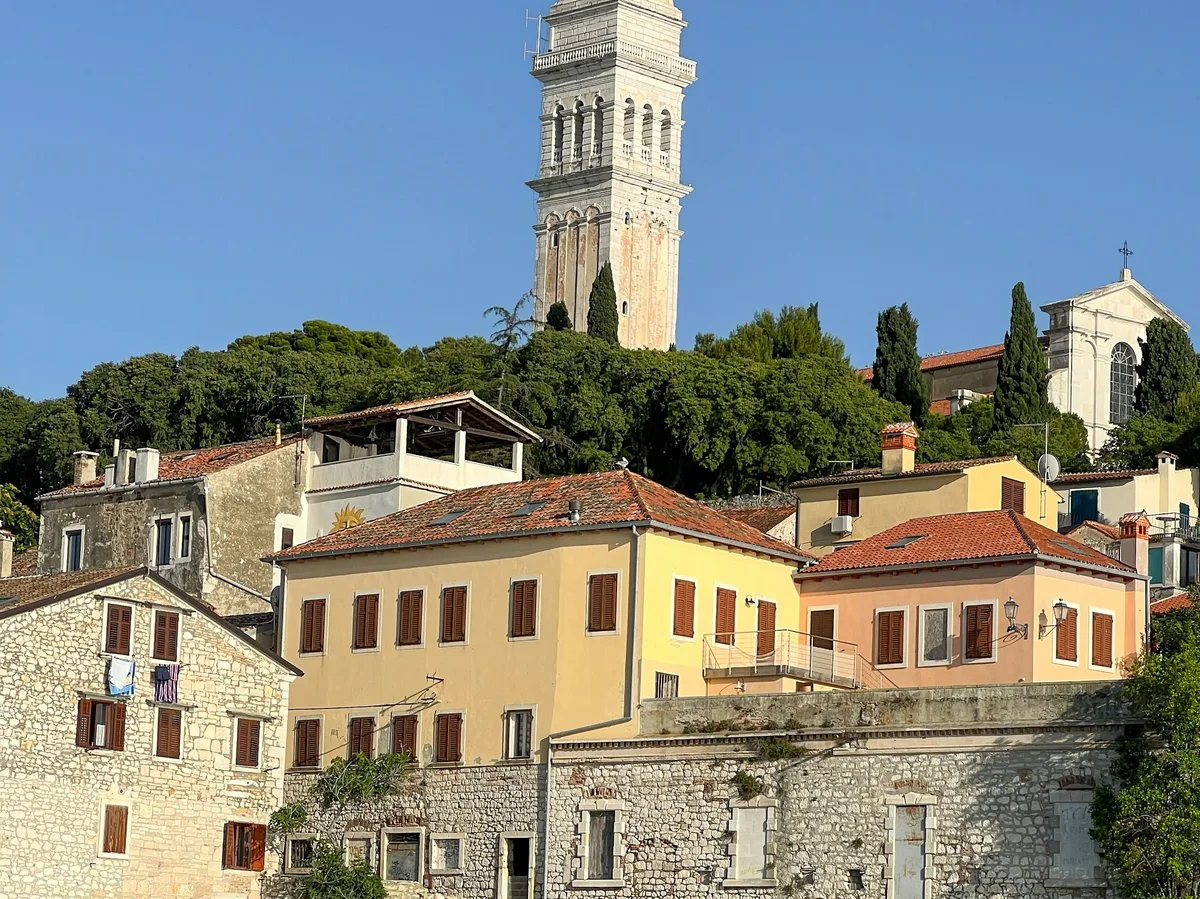 Multi-Day Tours
A 12-day route from Istria to Dubrovnik covering Pula's Roman amphitheatre, the Brijuni Islands, Plitvice Lakes, Zadar, the Kornati Islands, Split, Hvar and the Dalmatian coast.
Visitor guide
Hvar is a Dalmatian island in the Adriatic Sea, in Croatia's Split-Dalmatia County, lying between the islands of Brac, Vis and Korcula. About 68 kilometres long, it is known for lavender, vineyards, the historic town of Hvar and a mild climate that brings long hours of sunshine.
Hvar covers about 297 square kilometres, making it the fourth largest island in the Adriatic according to Wikipedia. It is a long east-west ridge of limestone and dolomite, with a fertile coastal plain and freshwater springs that are unusual for the region. The highest peak, Sveti Nikola, rises to about 628 metres. The island has a hot-summer Mediterranean climate, and Wikipedia cites around 2,700 to 2,800 hours of sunshine a year, a figure often used in promotion of the island as one of the sunniest places in Europe.
Neolithic people gave their name to the Hvar culture, dated to roughly 3500 to 2500 BC. In 384 BC Greek colonists from the island of Paros founded Pharos on the site of present-day Stari Grad, one of the oldest towns in Croatia. They laid out the field divisions of the Stari Grad Plain, now a UNESCO World Heritage Site. Rome took control in 219 BC.
Venice became the long-term owner in 1409, and Hvar town developed into a major naval base. Venetian prosperity funded palaces, civic buildings and, as Wikipedia notes, one of the first public theatres in Europe. The Spanish Fortress above Hvar town dates from this period of defence against pirates and Ottoman raids. Hvar was also a centre of Renaissance Croatian literature, with poets such as Petar Hektorovic, who built the fortified villa Tvrdalj in Stari Grad.
The island has two towns, Hvar and Stari Grad, and two municipalities, Jelsa and Sucuraj. Hvar town, with its large seafront square and harbour, is the main tourist centre. Stari Grad is the principal ferry port, with car ferries from Split. Jelsa lies in the centre of the island, and Sucuraj is the easternmost settlement, with a ferry link to the mainland. The island had about 10,700 residents at the 2021 census.
Hvar is often called the island of lavender, which is grown for oils and soaps. It is also one of Croatia's best-known wine regions, with red wine from the Plavac Mali grape on the south side and white wines from the central plain between Stari Grad and Jelsa. Off the western end of the island lie the Pakleni Islands, a small archipelago of wooded islets used for swimming and boat trips.
Tourism on Hvar began to grow after the Hygienic Association of Hvar was founded in 1868, and today fishing and tourism dominate the economy. The island is large enough that a private guided day with a driver can combine the town, the lavender-growing hills and the Stari Grad Plain, though ferry timings should be planned in advance.
See every tour and attraction we cover in Croatia.