TorontoOntario · 36 tours
 Niagara FallsOntario · 25 tours
 New York CityNew York · 30 tours
 Las VegasNevada · 8 tours
 San FranciscoCalifornia · 16 tours
 VancouverBritish Columbia · 17 tours
 DubaiUAE · 54 tours
 Abu DhabiUAE · 5 tours
 Buenos AiresArgentina · 23 tours
 AthensGreece · 31 tours
 AucklandNew Zealand · 38 tours
 CancunMexico · 54 tours
No destinations match “”. Try searching all tours instead — that search understands full questions, not just place names.
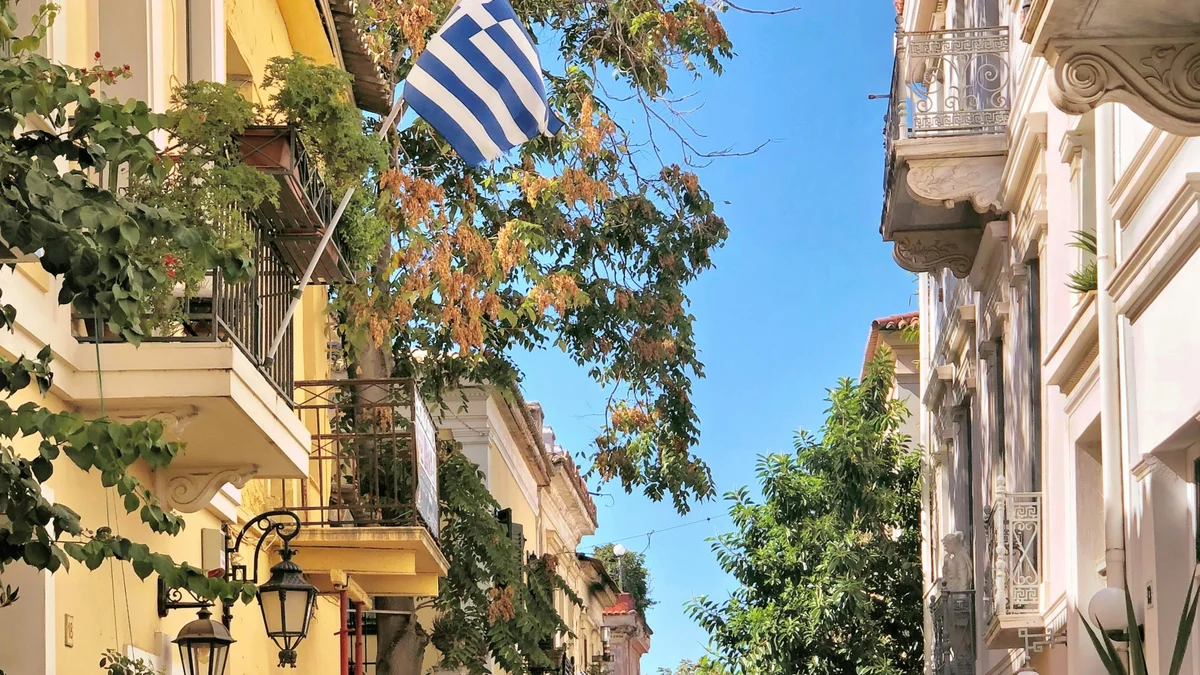
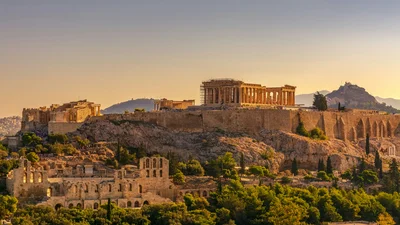
Plaka is Athens' oldest continuously inhabited neighborhood, a maze of narrow, pedestrian-friendly lanes and neoclassical houses tucked directly beneath the Acropolis. Its layout still traces the footprint of the ancient city, and small squares open up unexpectedly between tavernas, jewelry shops, and Byzantine-era churches. It's an easy, walkable way to experience old Athens between visits to the major ancient sites nearby.
Visitor guide
Plaka is the old historical neighbourhood of Athens, clustered on the northern and eastern slopes of the Acropolis. Its labyrinthine streets and neoclassical architecture make it one of the city's most recognisable districts, and it is nicknamed the Neighbourhood of the Gods because of its proximity to the Acropolis and many archaeological sites.
Plaka lies between Syntagma Square and Monastiraki. Adrianou Street, the longest and most central street, runs through it and divides the area into Ano Plaka, the upper section beneath the Acropolis, and Kato Plaka, the lower section. The name is first attested in the second half of the 17th century and for a long time referred only to the area around the Choragic Monument of Lysicrates, which locals called the lantern of Demosthenes. Only after 1834 did it cover the wider district.
Wikipedia gives two explanations for the name. One links it to an Arvanitika phrase meaning Old Athens, derived from an Albanian word for old, and the other ties it to a plaque or marble slab that once marked the central intersection. The linguist Charalampos Symeonides favours the second, noting the toponym appears as early as 1089.
Plaka developed around the ruins of the Ancient Agora and is described as the oldest district of Athens, inhabited continuously from the Neolithic period to the present. Streets such as Adrianou and Tripodon trace back to antiquity. After 1456 the town expanded northeast, partly through the settlement of Albanians who had arrived before the Ottoman conquest, with further waves of settlement in the 16th century. In the mid-17th century Plaka was the least densely populated of Athens's eight main administrative units.
Fighting in 1826 forced residents to leave Plaka temporarily. It was resettled in the early years of King Otto's reign with a mixed population of old Athenian families, artisans, professionals and military personnel, and it had a large Albanian community until the late 19th century. The Cycladic-style neighbourhood of Anafiotika was built during this period by settlers from the island of Anafi.
Plaka reached its present form in the 19th and early 20th centuries. An 1884 fire destroyed much of the neighbourhood but opened the Roman Agora and Hadrian's Library to excavation. From the 1950s to the 1970s postwar construction, rising car use and tourism caused decline, until a comprehensive preservation plan in the 1980s revived the area. Strict zoning and conservation rules now apply, and it is the only neighbourhood in Athens where all utilities run underground in accessible custom tunnels.
The neighbourhood and its edges hold several museums, including the Acropolis Museum, the Frissiras Museum, the Jewish Museum of Greece and the Museum of Greek Folk Art. Small squares open up between tavernas, shops and old churches, and the compact lanes are best explored on foot. A private guided visit suits Plaka well, linking it with the Acropolis and the Ancient Agora while a driver handles the rest of the day around the pedestrian streets.
See every tour and attraction we cover in Athens.