Day & multi-day tours · Private or shared [email protected]
3,800 Tours 166 Destinations 87 Countries
Voyzo
Attraction · Salt Lake City, Utah

Park City's Main Street

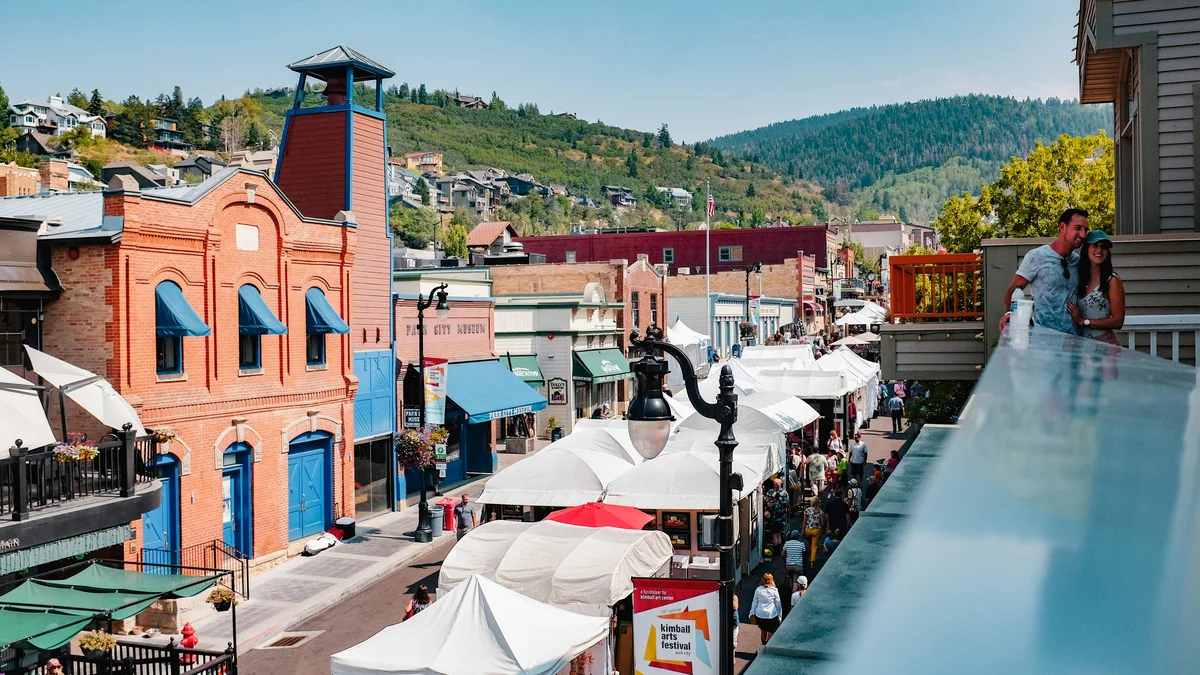
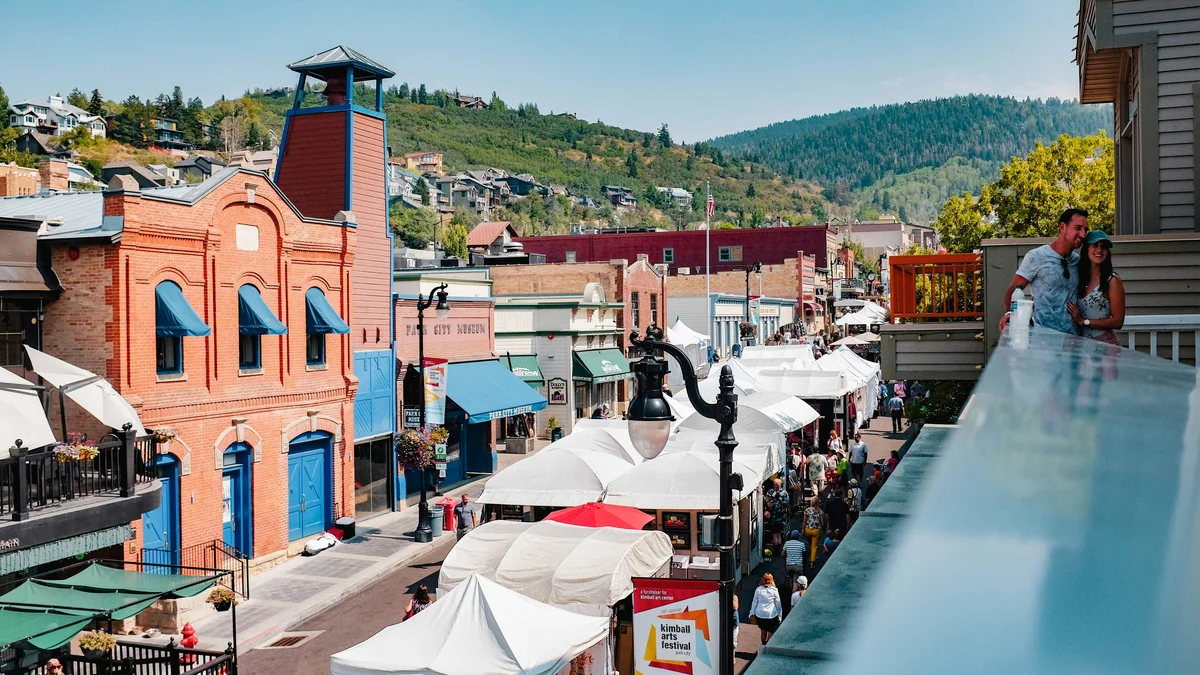
A former silver-mining boomtown turned resort destination, Park City's historic Main Street is lined with 19th-century brick and clapboard buildings now filled with galleries, restaurants, and shops. It's the social hub of a town that once hosted Winter Olympic events and remains a gateway to some of Utah's best-known ski resorts.

Photos of Park City's Main Street

Visitor guide

About Park City's Main Street

Park City's Main Street is the historic commercial spine of a former silver-mining town in the Wasatch Mountains of Summit County, about 30 miles southeast of Salt Lake City. The street was rebuilt after an enormous fire in 1898 and is now a National Register of Historic Places district.

From silver camp to town

The first recorded mining claim in the Park City district, the Young American lode, was staked on December 23, 1869. The Ontario mine, discovered in 1872 according to Wikipedia, drew George Hearst, who bought it that year for $27,000; Utah history sources say it reportedly produced about $50 million in ore. The Silver King Coalition Mine, operating from 1892 until 1953, was another of the district's bonanza producers. Park City incorporated in 1884, and Main Street grew with the mines; fires in 1882 and 1885 destroyed buildings along the way.

A row of historic storefronts on Park City's Main Street with a forested ski hill rising behind, Utah

The 1898 fire

On June 19, 1898, a fire swept the commercial district in what Utah history sources call the greatest blaze in the state's history. Losses exceeded $1 million and roughly 200 businesses and homes were lost. The town rebuilt, eventually in brick and stone, and the National Park Service district record notes that all of the district's contributing buildings date from after the fire. Queen Anne, Victorian and Mission or Spanish Revival styles appear in its facades.

Decline and reinvention

Business activity thinned over the early twentieth century, and by the 1950s the town was close to being abandoned. Winter recreation revived it in the 1960s: the ski area that became Park City Mountain opened in 1963 as Treasure Mountain, and Deer Valley and other resorts followed in the 1980s. Park City co-hosted the 2002 Winter Olympics with Salt Lake City, and the Sundance Film Festival, begun in Salt Lake City in 1978, moved to Park City in 1981 and was held in the town for decades, adding to the area's identity.

Main Street today

Wikipedia's article on Park City cites 64 Victorian buildings on Main Street listed on the National Register; the separate district record gives 47 contributing buildings across about 13 acres, so counts depend on which listing and boundaries are used. The district was added to the National Register in the late 1970s, and a 1976 city code created local historic districts. The old City Hall, completed in 1885, now houses the Park City Museum, whose exhibits cover early silver mines, the territorial jail and the Kimball Brothers stagecoach. Many of the old saloons and storefronts now contain shops, galleries and restaurants, and mine headframes remain visible on the hillsides above the street.
Planning

Parking and pedestrian conditions on Main Street are limited by its historic footprint, so a private vehicle with a driver and door-to-door pickup can drop your group at the street and collect them when ready. Check Park City and the museum for current events, hours and closures.

Frequently Asked Questions About Park City's Main Street

Yes, silver mining began in the district in the 1860s and the Ontario mine, discovered in 1872, made Park City a major silver camp.
On June 19, 1898, a fire destroyed much of the commercial district, and the town rebuilt, eventually using brick and stone.
Yes, the Park City Main Street Historic District is listed on the National Register of Historic Places, with Wikipedia giving 1979 and Utah state history sources 1978.
Skiing revived the town in the 1960s, and the resort that became Park City Mountain opened in 1963 as Treasure Mountain.
It is a local history museum housed in the old City Hall, completed in 1885, with exhibits on early silver mines, the territorial jail and a Kimball Brothers stagecoach.
Park City co-hosted the 2002 Winter Olympics with Salt Lake City, with Deer Valley and Park City Mountain hosting ski and snowboard events.
Park City incorporated as a city in 1884.
Park City's Main Street Request a Quote

Exploring Salt Lake City?

See every tour and attraction we cover in Salt Lake City.