TorontoOntario · 36 tours
 Niagara FallsOntario · 25 tours
 New York CityNew York · 30 tours
 Las VegasNevada · 8 tours
 San FranciscoCalifornia · 16 tours
 VancouverBritish Columbia · 17 tours
 DubaiUAE · 54 tours
 Abu DhabiUAE · 5 tours
 Buenos AiresArgentina · 23 tours
 AthensGreece · 31 tours
 AucklandNew Zealand · 38 tours
 CancunMexico · 54 tours
No destinations match “”. Try searching all tours instead — that search understands full questions, not just place names.
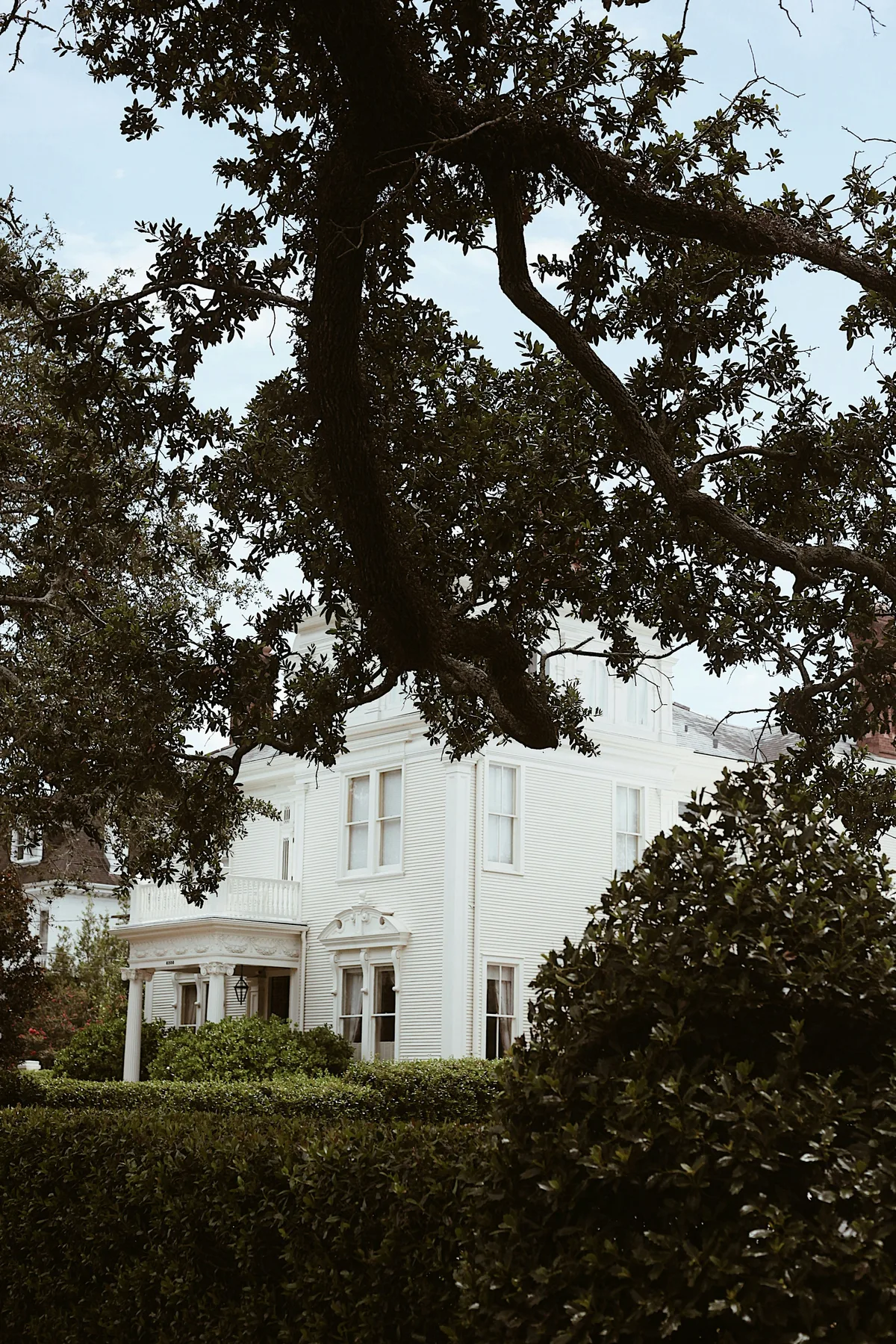
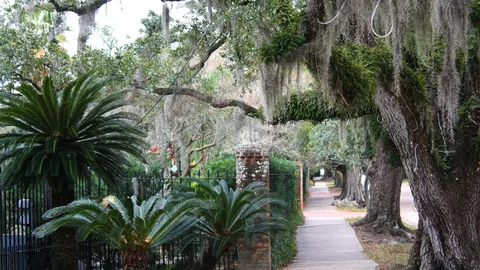
A well-preserved 19th-century neighborhood of antebellum mansions shaded by live oaks.
Visitor guide
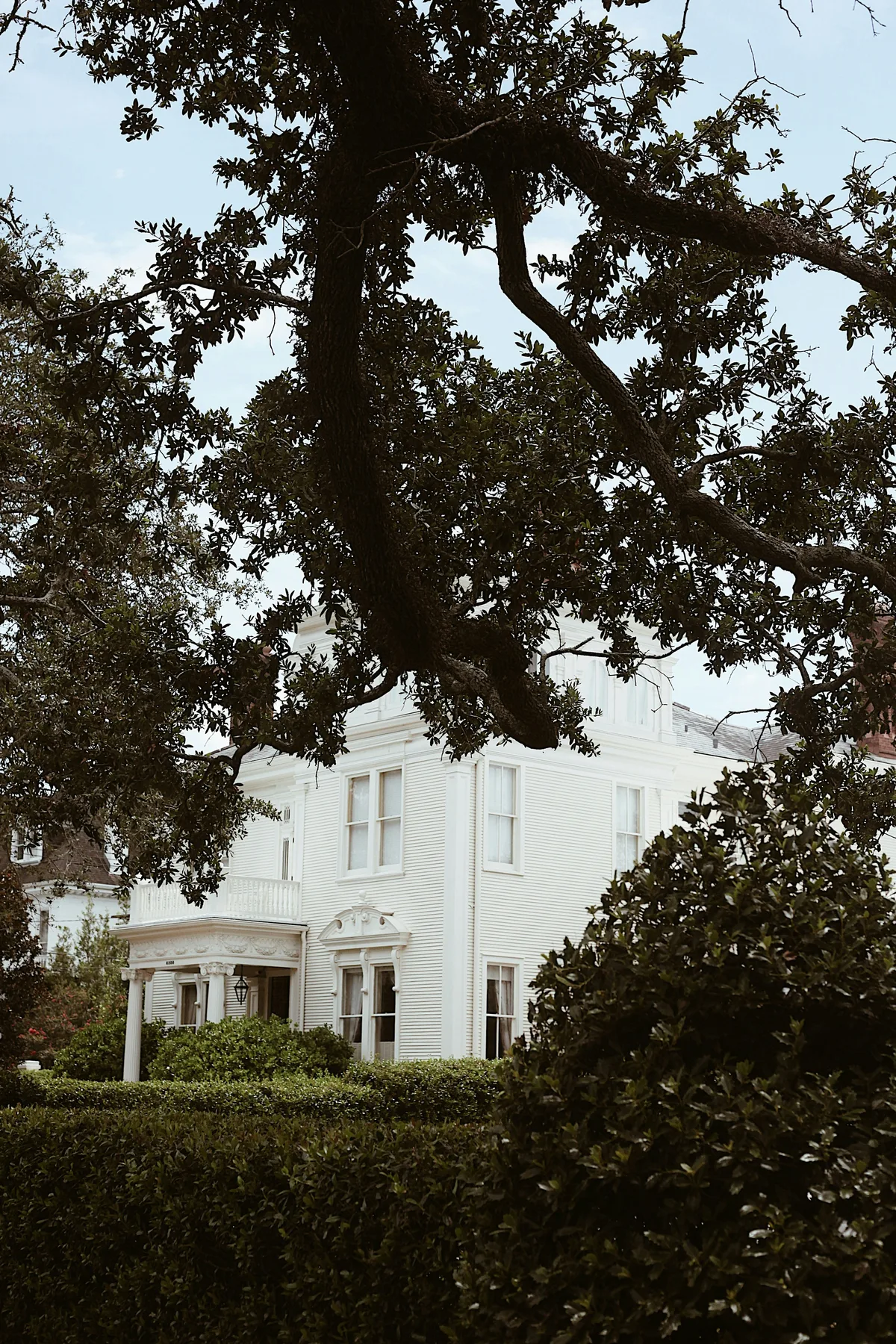
The Garden District is a compact, oak-shaded residential neighborhood in New Orleans, laid out in the 1830s and built up by the city's American newcomers into one of the finest collections of antebellum and Victorian houses in the South. It is a National Historic Landmark district, and its big houses, iron fences and old cemetery make it a favorite for slow, looking-up sightseeing.
Most of what is now the Garden District was first platted in 1832 as the Faubourg Livaudais, carved out of the Livaudais plantation. In 1833 the area became part of the City of Lafayette, and it was not folded into New Orleans until 1852. The city's Historic District Landmarks Commission says the district was established by New Orleans' American elite in the late 1840s, and that travel writers were already calling it the Garden District by 1852. Wikipedia credits the surveyor Barthelemy Lafon with laying out the street grid, though that attribution is worth treating as the standard account rather than a settled detail.
The name is literal. In the early years each block held only a few houses, each set in a large garden; later, lots were subdivided and the neighborhood became better known for its architecture than for its grounds. The city's own description of the district divides its building history into phases: a boom in the 1840s, a second wave after the 1852 annexation that ended with the Civil War, a third after the war until the financial crash of 1873, and a final major era from about 1880 to the turn of the 20th century.
Many houses were built in the middle of double lots, roughly 60 by 120 feet, surrounded by landscaped grounds. Early-19th-century Greek Revival mansions stand beside later Victorian houses with the decorative woodwork often called gingerbread. The Toby-Westfeldt House, a Greek Revival suburban villa dating to 1838 and known locally as Toby's Corner, is said to be the oldest building in the neighborhood.
Cast-iron fences are part of the character here; one famous example, the cornstalk fence at Colonel Short's Villa on Fourth Street, belongs to a house built in 1859. Trinity Episcopal Church, in Gothic Revival style, has a history in the neighborhood reaching back to the 1840s. The novelist George Washington Cable lived on Eighth Street from 1874 to 1884, and his former home is individually designated a National Historic Landmark. The city's description also notes that the Rex flag flies from many homes during Carnival, marking residents who include a former King or Queen of Carnival.
Established in 1833 by the City of Lafayette, Lafayette Cemetery No. 1 is one of the city's oldest cemeteries. National Register materials describe it as a good example of the above-ground tomb architecture typical of the New Orleans area. The city maintains the walls, walks, gates and grounds, while the tombs and plots are privately owned. Across Washington Avenue sits Commander's Palace, a restaurant that Wikipedia dates to 1880 and the city's heritage guide calls a local culinary landmark.
The Garden District was listed on the National Register of Historic Places and designated a National Historic Landmark district; Wikipedia gives June 21, 1971, for the register listing and May 30, 1974, for the landmark designation. The city notes that the district is also a local historic district, which means demolitions and new construction are reviewed by the Historic District Landmarks Commission, so the streets have kept their look.
This is a neighborhood best seen at walking pace, and the St. Charles Avenue streetcar line runs along its northern edge. A private tour fits it well: your own vehicle and driver collect you at your door, drop you at a convenient corner so you can walk the blocks that interest you, and wait or meet you at the far end, which saves retracing steps on foot. The homes are private residences, so the experience is exterior viewing from the sidewalk. Check with the cemetery's managing organization and the city for current access arrangements.
See every tour and attraction we cover in New Orleans.