TorontoOntario · 36 tours
 Niagara FallsOntario · 25 tours
 New York CityNew York · 30 tours
 Las VegasNevada · 8 tours
 San FranciscoCalifornia · 16 tours
 VancouverBritish Columbia · 17 tours
 DubaiUAE · 54 tours
 Abu DhabiUAE · 5 tours
 Buenos AiresArgentina · 23 tours
 AthensGreece · 31 tours
 AucklandNew Zealand · 38 tours
 CancunMexico · 54 tours
No destinations match “”. Try searching all tours instead — that search understands full questions, not just place names.
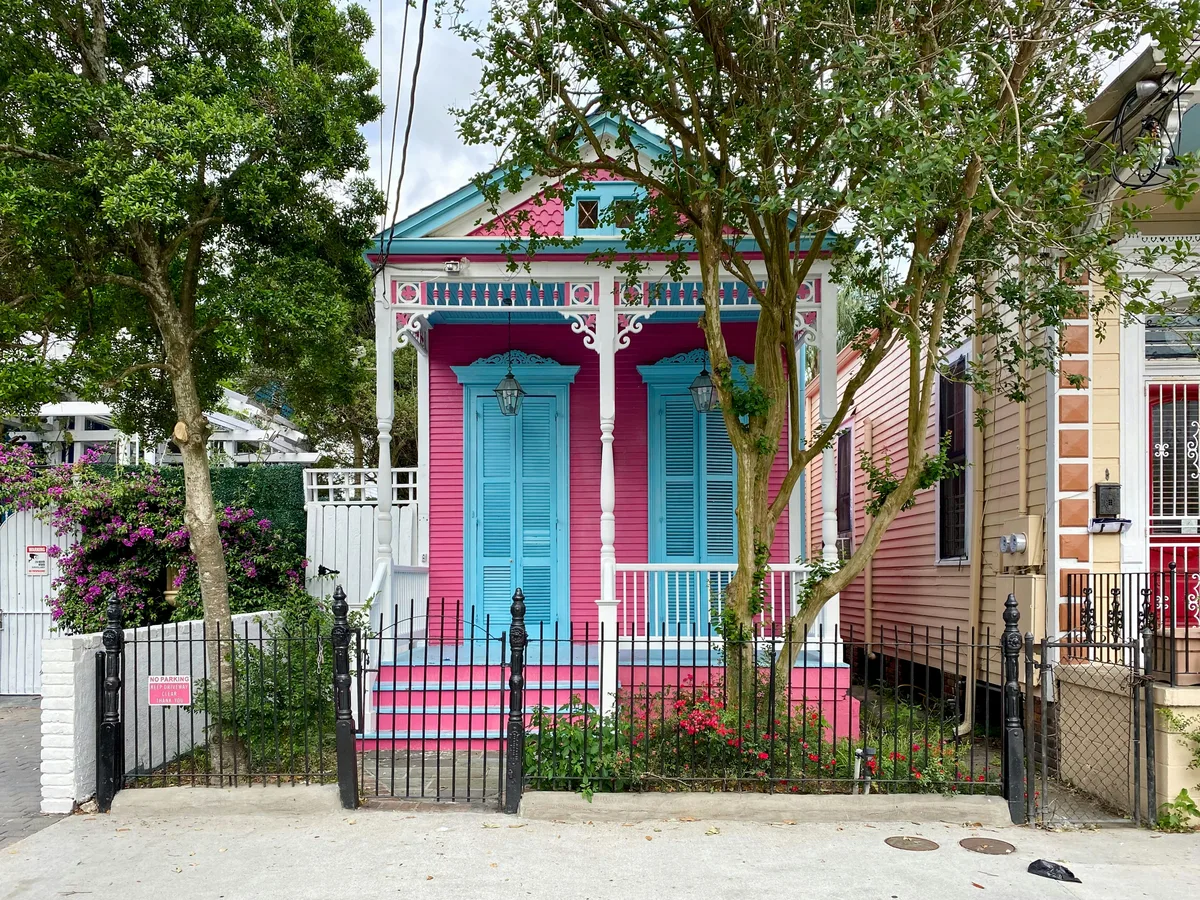
Colorful shotgun houses and a laid-back, artsy pace in two of New Orleans' most walkable neighborhoods, just downriver from the French Quarter.
Visitor guide
Bywater and the Faubourg Marigny are adjoining New Orleans neighborhoods immediately downriver from the French Quarter, both laid out in the early 1800s as Creole suburbs. Today they are known for colorful Creole cottages and shotgun houses, live music on Frenchmen Street and an artistic, residential feel.
Bernard de Marigny subdivided part of his family's plantation into lots. Sources date the subdivision to 1805 or 1806, and he extended it a few years later. In 1809 he offered lots to French-speaking refugees arriving in the city with no down payment, according to the neighborhood association. Sales also picked up after the Pontchartrain Railroad began running on Elysian Fields Avenue in 1831. Over the decades the neighborhood drew Creoles, free people of color, Germans, Italians, Irish and Spanish residents, and its architecture is typified by Creole cottages.
Frenchmen Street is the neighborhood's music corridor; Wikipedia says its best-known section, three blocks long, has been a center for live-music venues since the 1980s. Wikipedia also links the neighborhood to musicians such as Jelly Roll Morton and Sidney Bechet. The city's Historic District Landmarks Commission documents a local Faubourg Marigny district, and the National Register district boundaries and dates in different sources vary, so check the official records for exact legal status.
The National Register nomination describes Bywater as an area of about 120 blocks that began in the early 19th century as a Creole downriver suburb, settled by Creoles, free people of color, Germans, Irish and later Italians. It notes that the earliest known subdivision plan in the district, Faubourg Clouet, was drawn by Barthelemy Lafon in 1807 and redesigned by him in 1809, and it defines the historic period as 1807 to 1935. The nomination also observes that about 90 percent of the district's buildings are single-story, though most sit raised above ground with tall ceilings and high cornice lines, and that houses sit close together with few front yards.
The name Bywater came into use by the 1940s, according to Wikipedia; earlier the area was part of Faubourg Washington and was also nicknamed Little Saxony for its German population. Wikipedia lists the district on the National Register in 1986, and the nomination form was received in late 1985. The neighborhood is also associated with Homer Plessy, who was removed from a railroad car in the area before the Plessy v. Ferguson case, and a historical marker commemorates the event.
Both neighborhoods revived in the late 20th century as artists and musicians moved in and old houses were restored. Wikipedia notes the Society of Saint Anne Mardi Gras walking krewe begins its march in Bywater. Expect cottages with bright paint, galleries, small music clubs and cafes rather than grand monuments.
These neighborhoods are easiest to enjoy on foot, but they sit a short distance from the French Quarter and each other. A private vehicle and driver with door-to-door pickup can drop you at one end and collect you at the other, so you can wander Frenchmen Street's music corridor and Bywater's blocks without retracing steps. Check venues and sites directly for current hours.
See every tour and attraction we cover in New Orleans.