TorontoOntario · 36 tours
 Niagara FallsOntario · 25 tours
 New York CityNew York · 30 tours
 Las VegasNevada · 8 tours
 San FranciscoCalifornia · 16 tours
 VancouverBritish Columbia · 17 tours
 DubaiUAE · 54 tours
 Abu DhabiUAE · 5 tours
 Buenos AiresArgentina · 23 tours
 AthensGreece · 31 tours
 AucklandNew Zealand · 38 tours
 CancunMexico · 54 tours
No destinations match “”. Try searching all tours instead — that search understands full questions, not just place names.
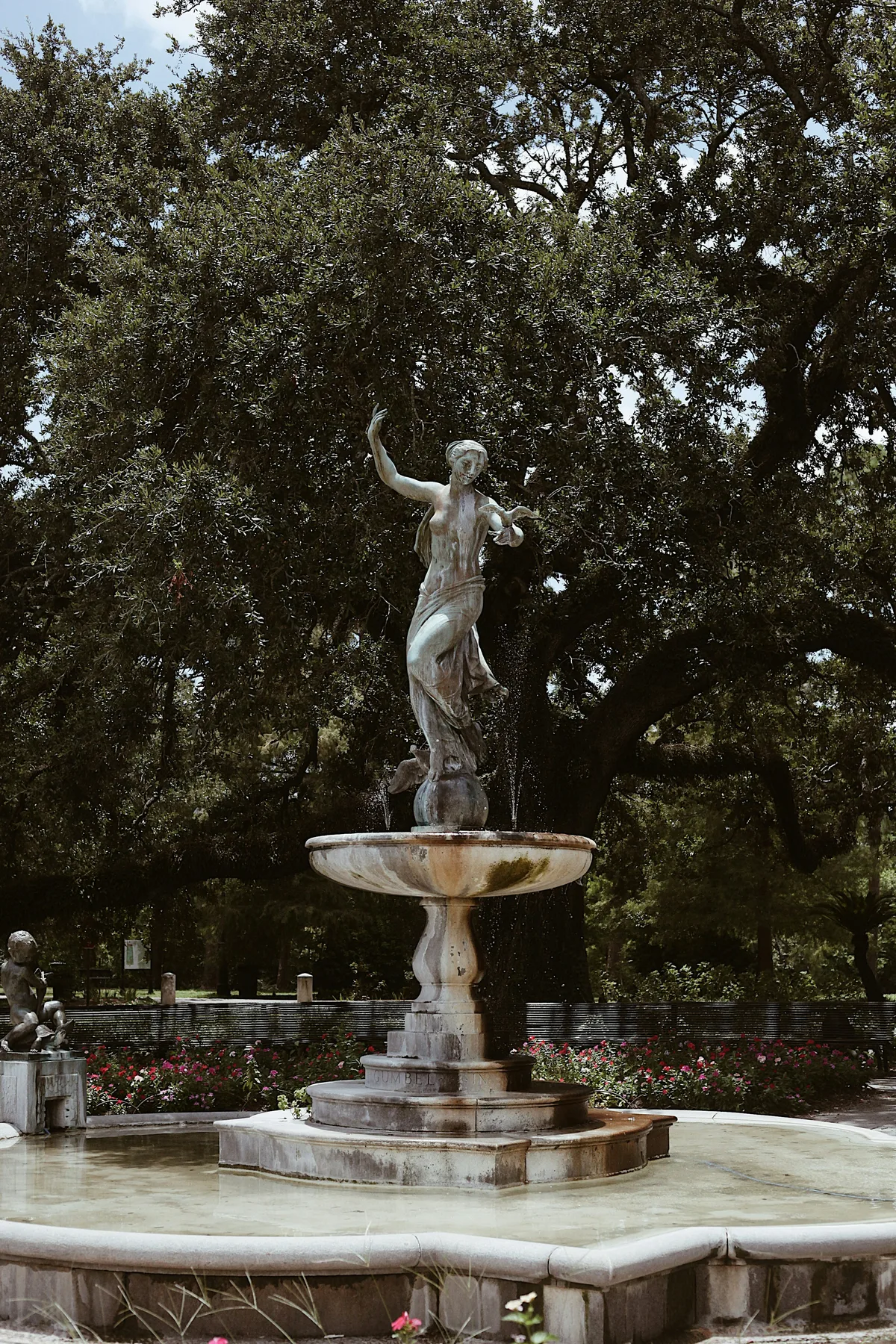
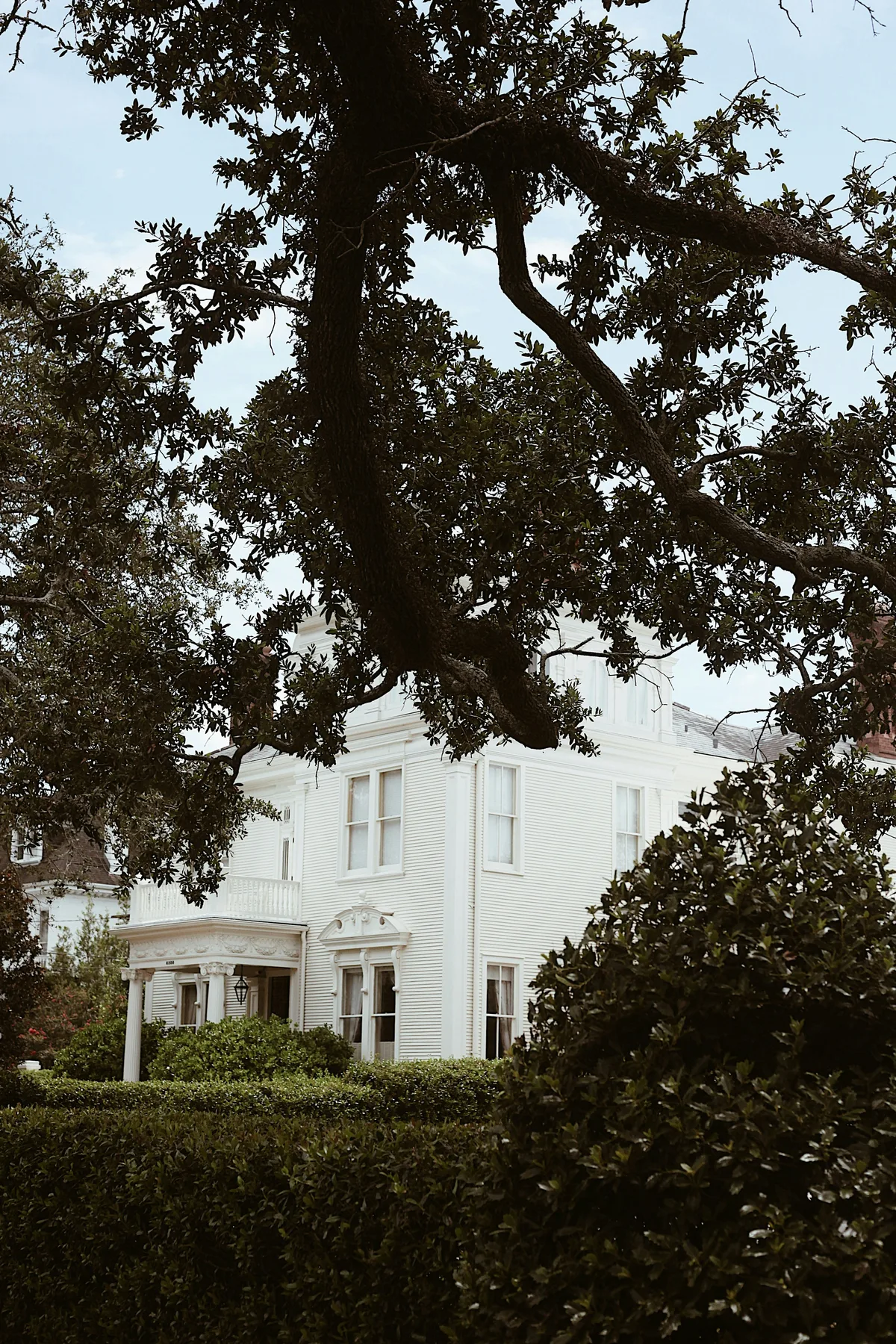
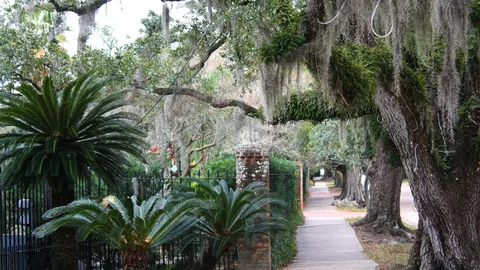
An Uptown park with oak-lined paths and a lagoon, across St. Charles Avenue from Tulane and Loyola universities.
Visitor guide
Audubon Park is a roughly 340-to-350-acre park in Uptown New Orleans, stretching between St. Charles Avenue and the Mississippi River. Shaped by an Olmsted-firm design, it combines old live oaks, a lagoon with a bird rookery, a walking and jogging path, golf and the Audubon Zoo.
The land belonged to the old plantations of Etienne de Bore and Pierre Foucher; by 1825 the Foucher family held all of it. Wikipedia reports that Confederate and Union forces both used the site during the Civil War and that it served as a staging area for the Buffalo Soldiers. The city annexed the area in 1870, and in 1871 it bought the river-side portion for a park, first called Upper City Park to distinguish it from City Park. Some sources give earlier public-use dates, so the early timeline varies by account.
The park hosted the 1884 World's Industrial and Cotton Centennial Exposition. Most of the fair's buildings were demolished afterward, and Horticultural Hall remained until the 1915 hurricane destroyed it. The park was renamed Audubon Park in 1886 for the naturalist and artist John James Audubon, who began living in New Orleans in 1821.
John Charles Olmsted of the Olmsted Brothers firm began the park's design in 1898, according to the National Park Service; other sources give around 1900. His plan aimed to solve drainage on a swampy site by creating a varied watercourse, later the lagoon, echoing earlier Olmsted work on the Boston Fens. Not everything was carried out, and the lagoon near St. Charles Avenue was not finished until 1918. The present configuration follows much of the plan, though not the full planting recommendations or watercourse.
Live oaks line the park, and the Tree of Life, an oak with low spreading limbs, is one of its best-known individual trees. Ochsner Island in the lagoon holds a rookery where hundreds of wading birds nest each year, including egrets and herons, which makes the park popular with birdwatchers. A path loops the park for walking, jogging and biking, described as 1.7 miles by Wikipedia and 1.8 miles by the Audubon Nature Institute, so call it just under two miles.
The golf course opened in 1898 and was later converted into a mostly par-3 executive course, according to Wikipedia. Along the river, the area nicknamed the Fly takes its name from a butterfly-shaped shelter built in the 1960s and later removed. The Audubon Zoo was established in the early 20th century and received major WPA-era improvements. The park sits on the Mississippi's natural levee, and the Audubon Nature Institute operates it for the city.
Magazine Street runs along the park, so it is easy to combine with a stroll through the shops and restaurants of Uptown. A private vehicle and driver with door-to-door pickup lets you combine the park, the zoo and other Uptown stops in one outing without worrying about parking. Check the Audubon Nature Institute for current hours, zoo admission and any closures.
See every tour and attraction we cover in New Orleans.