TorontoOntario · 36 tours
 Niagara FallsOntario · 25 tours
 New York CityNew York · 30 tours
 Las VegasNevada · 8 tours
 San FranciscoCalifornia · 16 tours
 VancouverBritish Columbia · 17 tours
 DubaiUAE · 54 tours
 Abu DhabiUAE · 5 tours
 Buenos AiresArgentina · 23 tours
 AthensGreece · 31 tours
 AucklandNew Zealand · 38 tours
 CancunMexico · 54 tours
No destinations match “”. Try searching all tours instead — that search understands full questions, not just place names.
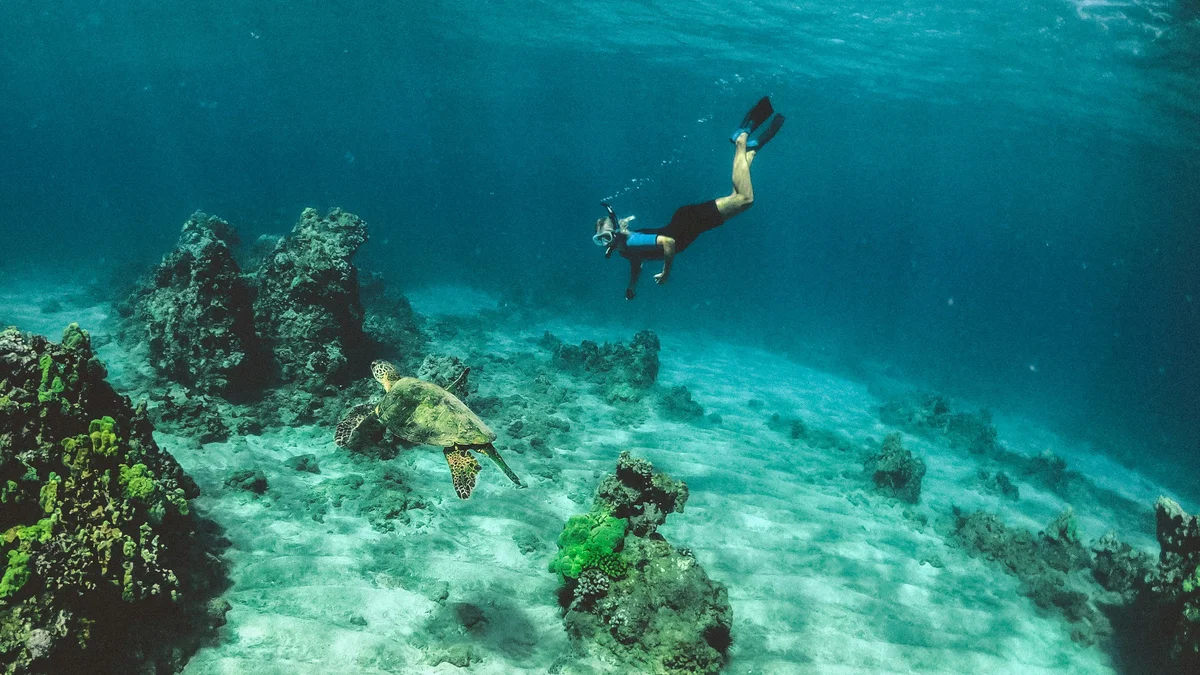
Manchones Reef is a real coral reef off Isla Mujeres' coast, part of the Mesoamerican Barrier Reef System, and home to the Cancún Underwater Museum's submerged sculptures.
 Boat Tours
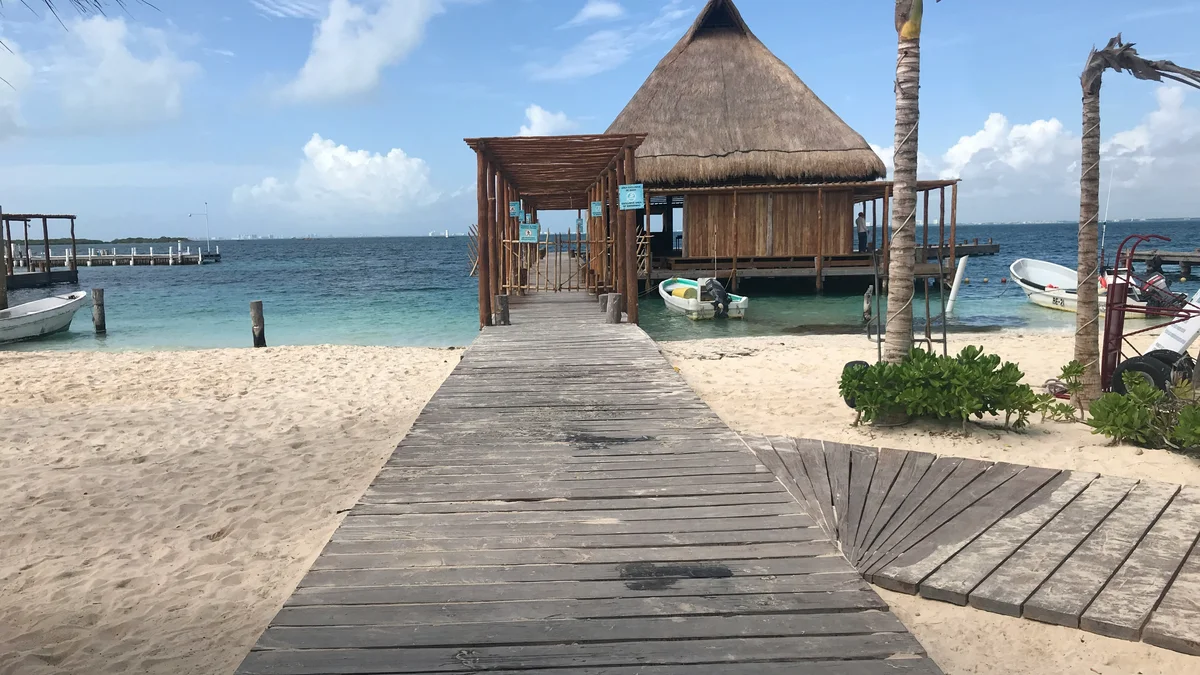
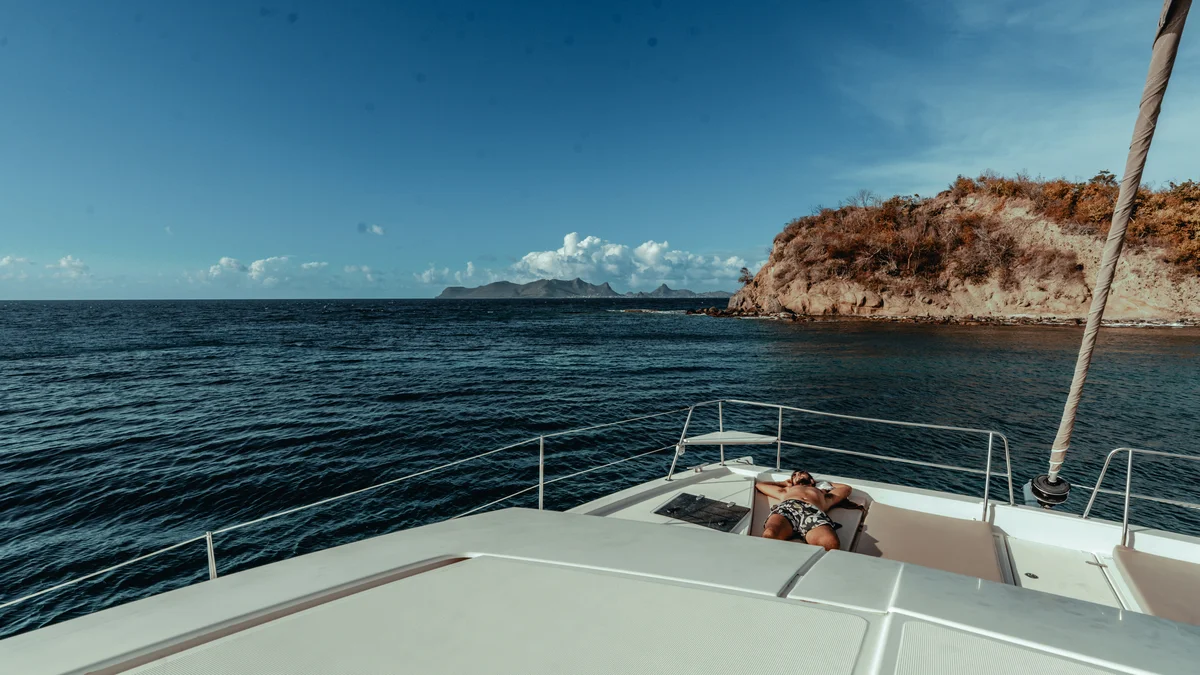
A personalized half-day private catamaran cruise to Isla Mujeres, with snorkeling equipment included so you can explore the famous underwater reefs off the coast, plus plenty of time to explore the island itself, with the option to purchase crafts or rent a golf cart.
 Boat Tours
A private, fully customizable all-day catamaran charter around Isla Mujeres, with an open bar included, snorkeling gear in all sizes, two paddleboards aboard, and the choice between a lunch buffet or picking your own restaurant ashore.
Visitor guide
Manchones Reef is a coral reef off Isla Mujeres and Cancun in Quintana Roo, Mexico, in the Caribbean waters near the northern end of the Yucatan Peninsula. It is best known today as the site of the main gallery of the Cancun Underwater Museum, where hundreds of submerged sculptures sit on the seabed.
Manchones lies inside the Costa Occidental de Isla Mujeres, Punta Cancun y Punta Nizuc National Park, which covers waters between Isla Mujeres, Punta Cancun and Punta Nizuc. Spanish Wikipedia says the park's first federal protection came on 7 February 1973, when the western coast of Isla Mujeres and the Punta Cancun and Punta Nizuc reefs were made a flora and fauna refuge, and that President Ernesto Zedillo declared the national marine park on 15 March 1996. It describes the Manchones grande and Manchones chico reef areas as part of the park's first polygon, near Isla Mujeres, alongside reefs such as El Garrafon and El Farito.
The park totals 8,673 hectares in three polygons. According to Spanish Wikipedia, citing CONABIO, more than 1,120 plant and animal species live there, including 35 hard coral species, 37 soft coral species, 108 fish species and 82 sponge species. Elkhorn and staghorn corals have special protection under Mexican law, and four sea turtle species are recorded. The park forms part of the Mesoamerican Reef System, which Mexico, Guatemala, Honduras and Belize adopted as a regional conservation initiative in the Tulum Declaration of 5 June 1997. The same source lists threats such as wastewater discharge, coastal development and anchor damage.
According to Wikipedia, the Museo Subacuatico de Arte, known as MUSA, was started in 2009 and officially opened on 27 November 2010. The marine park director Jaime Gonzalez Cano proposed it out of concern that visitors were damaging Manchones, which the article calls Cancun's largest reef, and he brought in the sculptor Jason deCaires Taylor. The first four sculptures went underwater in November 2009, and by the end of 2013 there were 500 concrete sculptures, 477 of them in the Manchones gallery and 23 in the Punta Nizuc gallery. The galleries lie at depths of about 3 to 6 metres.
Taylor's installation The Silent Evolution consists of more than 400 human figures, each modelled on members of a local fishing community, shown interacting with their surroundings. The sculptures are made of pH-neutral marine concrete so that coral, algae and other marine life can colonize them. The stated purpose is to give divers and snorkelers an alternative destination and so reduce pressure on the natural reefs. A visitor center in Cancun's Plaza Kukulcan displays replicas of some works.
Manchones is reached by boat from Isla Mujeres or Cancun, and tours typically offer snorkeling or glass-bottom boat viewing over the sculptures. Conditions depend on sea state and visibility. A private guided arrangement can coordinate transfers to the boat departure point, and visitors should avoid touching the sculptures or the reef.
See every tour and attraction we cover in Isla Mujeres.