TorontoOntario · 36 tours
 Niagara FallsOntario · 25 tours
 New York CityNew York · 30 tours
 Las VegasNevada · 8 tours
 San FranciscoCalifornia · 16 tours
 VancouverBritish Columbia · 17 tours
 DubaiUAE · 54 tours
 Abu DhabiUAE · 5 tours
 Buenos AiresArgentina · 23 tours
 AthensGreece · 31 tours
 AucklandNew Zealand · 38 tours
 CancunMexico · 54 tours
No destinations match “”. Try searching all tours instead — that search understands full questions, not just place names.
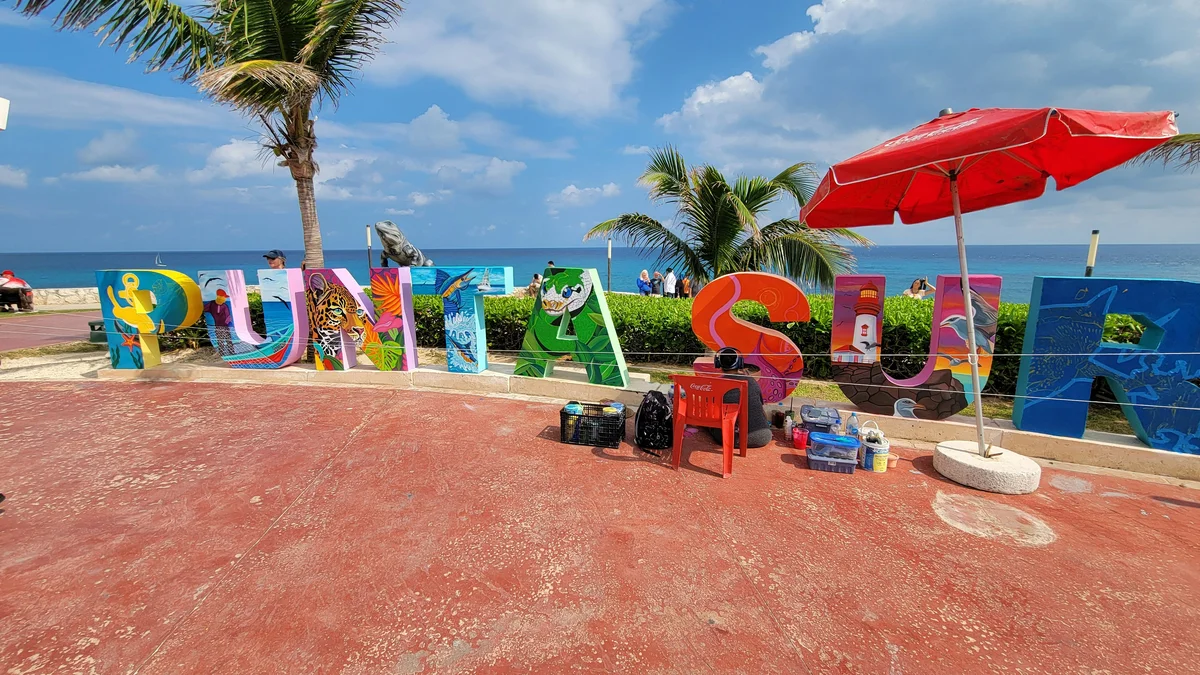
Punta Sur is Isla Mujeres' southernmost point, home to dramatic cliffs, crashing Caribbean surf, and the real remains of a Maya temple dedicated to Ixchel, goddess of the moon and fertility.
Visitor guide
Punta Sur is the southern tip of Isla Mujeres, an island off the Caribbean coast of Quintana Roo, Mexico. It is a rocky headland with cliffs, a lighthouse, a sculpture garden and the weathered remains of a Maya temple associated with the goddess Ixchel.
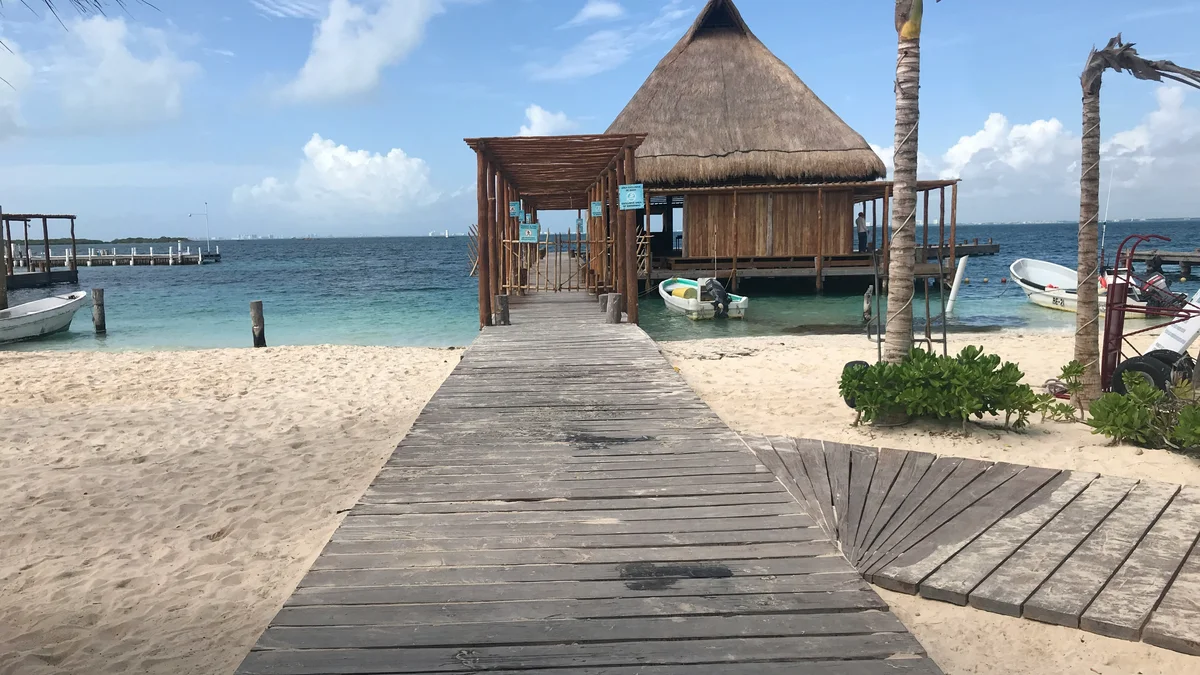
Wikipedia notes the island's southeast tip is Mexico's easternmost point. The Caribbean to the east of the island brings strong surf and a rocky coastline, in contrast with the calmer waters on its western side facing the mainland, where the Cancun skyline is visible across the bay. Visitors can follow pathways nearly to the water's edge, and the Cliff of the Dawn lies just beyond the sculpture garden.
Mayan.org calls Punta Sur the highest geographical point in the Yucatan Peninsula, but that is a single travel-guide claim and is not corroborated elsewhere. The island as a whole is low, about 7 km long and 0.65 km wide.
Before the Spanish arrived, the island was sacred to Ixchel, the Maya goddess of childbirth, medicine, the moon and fertility. Mexican Caribbean travel material says the temple at the southern tip dates from the pre-Hispanic period and was thought to be a place of pilgrimage for Maya women who crossed from the mainland to leave offerings. Another source says it was built on an elevated cliff so worshippers could see the sunrise, and mayan.org says the temple also served as a lighthouse.
Across the channel, Cozumel was a major center of Ixchel worship; Wikipedia says that from about 1250 it was a port and pilgrimage center for her followers. Bishop Diego de Landa compared the pilgrimages to Cozumel with journeys to Jerusalem and Rome in 1549. Whether women also made the crossing to Isla Mujeres in the same way is stated by travel sources rather than established by excavation, so it is best read as local tradition.
Wikipedia says Hurricane Gilbert in 1988 extensively damaged the temple, leaving most of its foundation but only a small part of the structure. One other source gives the date as 1987, but Gilbert struck the area in 1988. Hurricanes over the years have worn the ruins further, and what remains is modest.
Frommer's describes a sculpture garden at Punta Sur called Sculptured Spaces, with pieces donated by sculptors including Jose Luis Cuevas and Vladimir Cora. The art stands along the headland path with the sea behind it, and Cancun can be seen in the distance across the water.
Wikipedia says the Spanish named the island Isla Mujeres in the sixteenth century after the many goddess images found there. One account credits Francisco Hernandez de Cordoba with naming it in 1517. The earliest record Wikipedia cites places the island in the Maya province of Ekab, between 564 and 1516, and notes that the Maya harvested salt from interior lagoons.
Tourism development on the island began in the 1970s alongside nearby Cancun, and the town had 12,642 residents in the 2010 census. The west coast lies within the Costa Occidental de Isla Mujeres National Park. Wikipedia also mentions a turtle rehabilitation facility on the island's southern end, Tortugrana, which it says closed in 2021, so what stands near the headland can change.
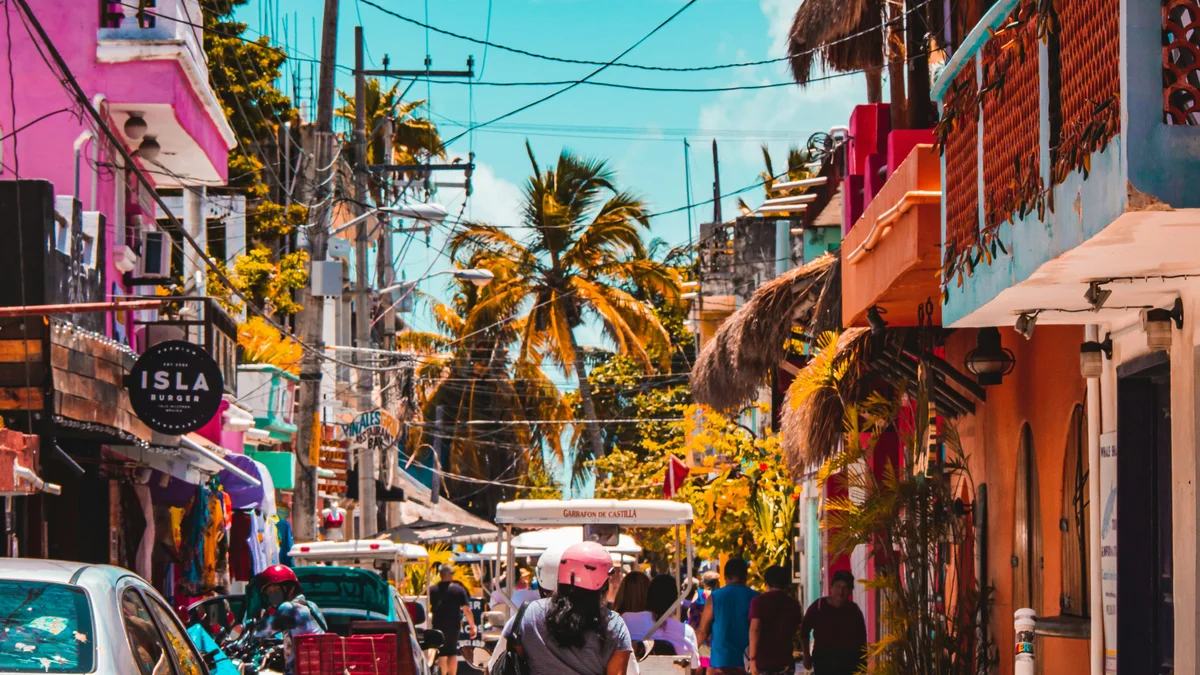
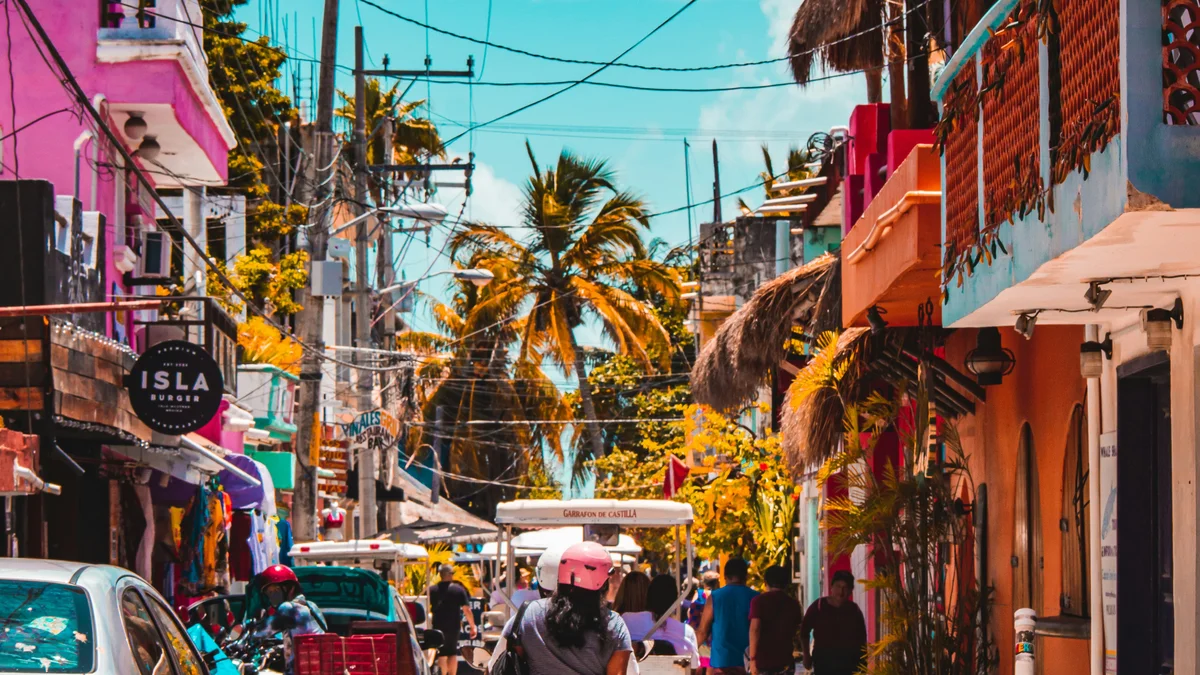
Punta Sur lies at the far end of the island's single main road, and many visitors go early to see the sunrise light on the cliffs. A private guided visit can combine Punta Sur with Playa Norte and the downtown, with a driver handling the island transfers after the ferry crossing.
See every tour and attraction we cover in Isla Mujeres.