TorontoOntario · 36 tours
 Niagara FallsOntario · 25 tours
 New York CityNew York · 30 tours
 Las VegasNevada · 8 tours
 San FranciscoCalifornia · 16 tours
 VancouverBritish Columbia · 17 tours
 DubaiUAE · 54 tours
 Abu DhabiUAE · 5 tours
 Buenos AiresArgentina · 23 tours
 AthensGreece · 31 tours
 AucklandNew Zealand · 38 tours
 CancunMexico · 54 tours
No destinations match “”. Try searching all tours instead — that search understands full questions, not just place names.
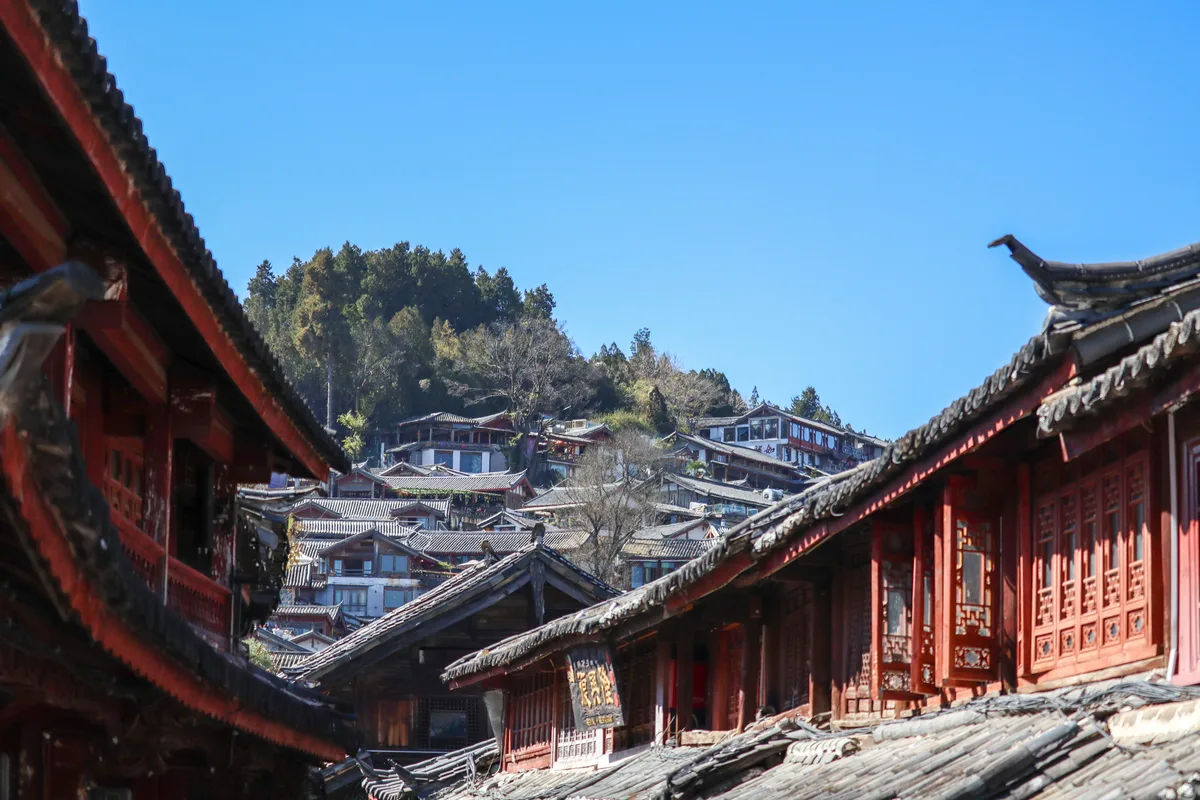
A UNESCO-listed old town in Yunnan province built by the Naxi people, with canals, cobbled lanes, and wooden architecture dating back to the Song and Yuan dynasties.
 Multi-Day Tours
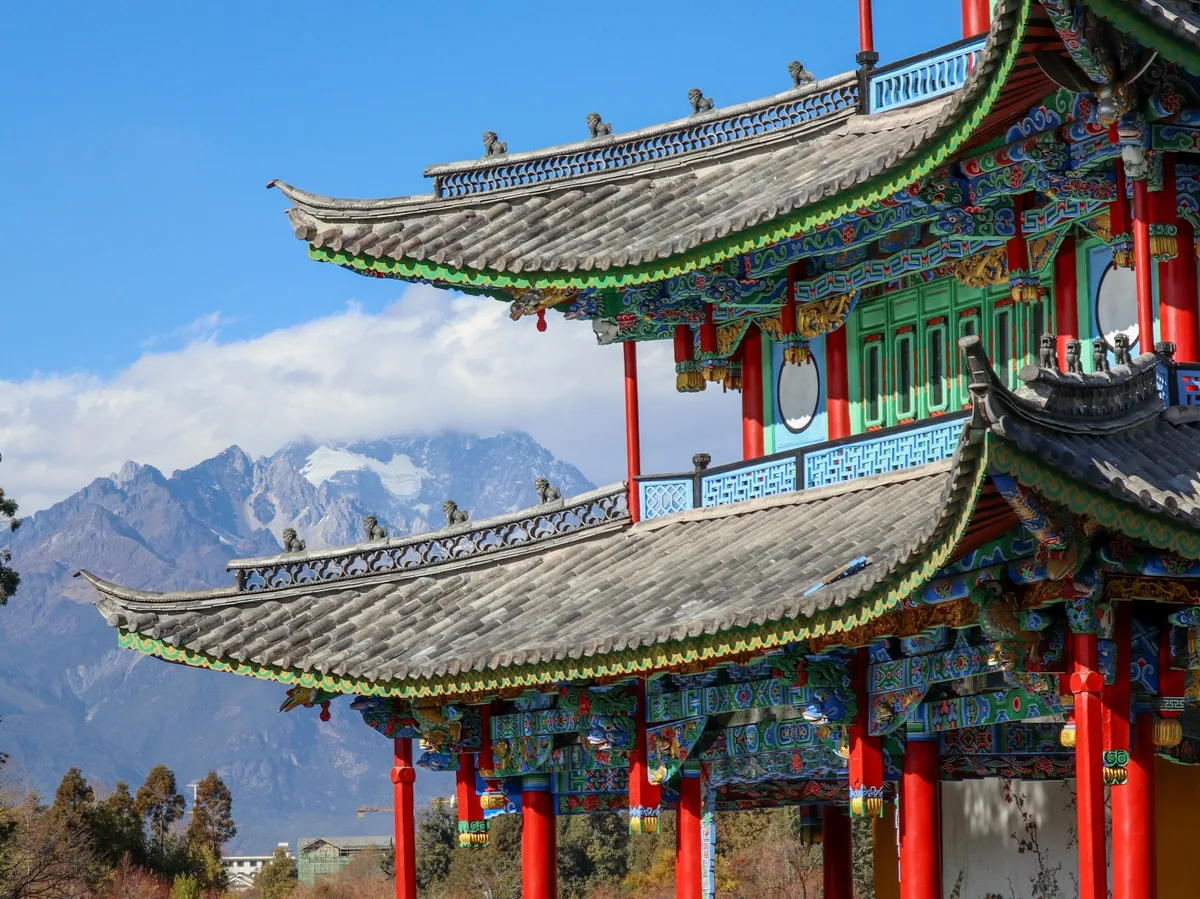
Beyond the classic route — Beijing and Xi'an give way to Chengdu's pandas, Dali's pagodas and Lijiang's old town, with hiking, cycling and rafting along the way.
 Multi-Day Tours
A cultural deep-dive from Beijing's Jiankou Great Wall to Chengdu's pandas and Yunnan's Bai, Naxi and Yi communities, ending with a Tiger Leaping Gorge hike.
 Multi-Day Tours
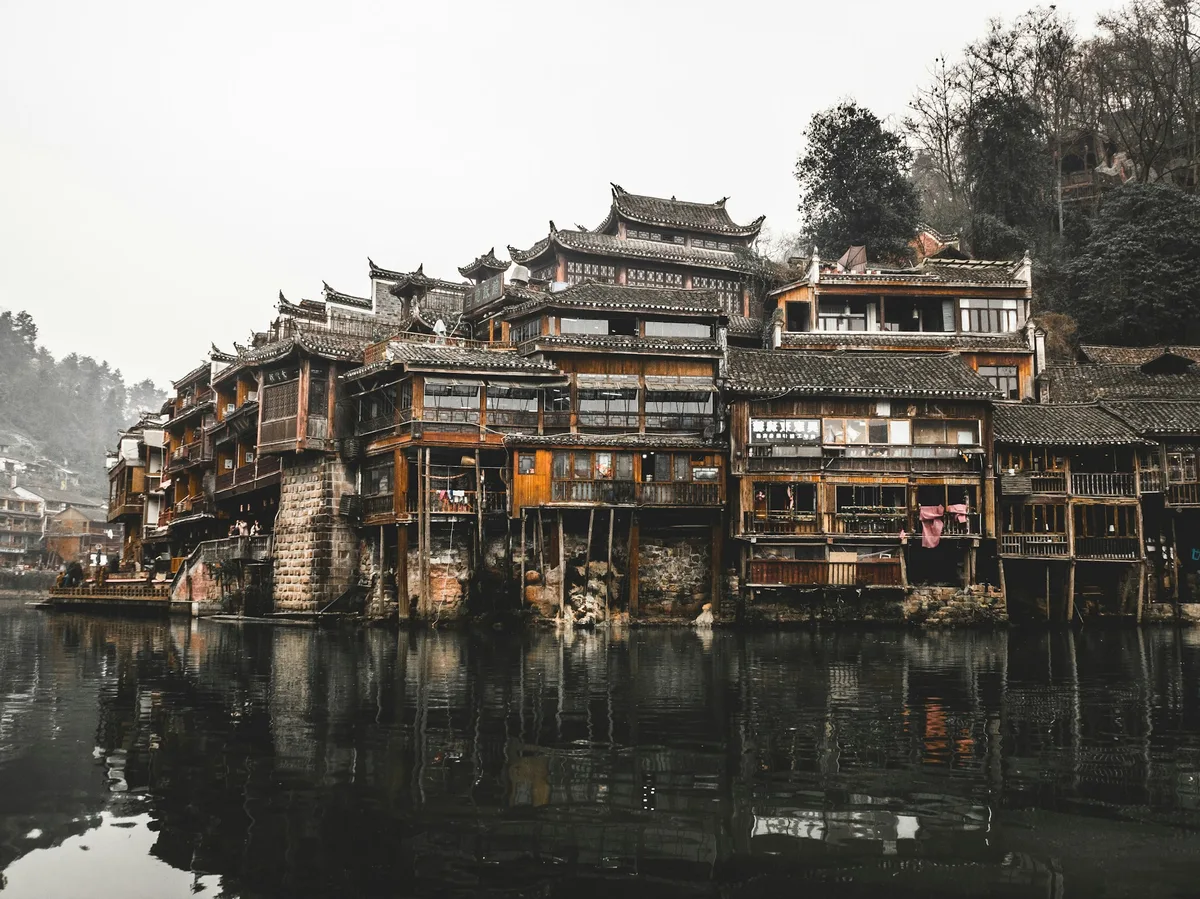
A 10-day trekking route through Yunnan's Mosuo, Pumi, Naxi and Tibetan communities, from Lijiang and Lugu Lake to Tiger Leaping Gorge and Shangri-La.
Visitor guide
The Old Town of Lijiang, also called Dayan, is the historical centre of Lijiang City in Yunnan Province, China, associated with the Naxi people. UNESCO inscribed it on the World Heritage List on 4 December 1997, and the listing covers Greater Lijiang, including the nearby villages of Baisha and Shuhe.
Wikipedia notes that the town has a history of more than 1,000 years. It was once a trade confluence on the Old Tea Horse Caravan Trail. The listing's core area is 145.6 hectares, with a 582.3-hectare buffer zone, and the site was extended in 2012. Dayan is known for its orderly system of waterways and bridges. A fall in the water table linked to climate change and a rise in mass tourism damaged this system, and changes to the water supply later restored its effectiveness.
Lijiang's culture combines traditional Naxi culture with influences from Han Chinese traders who settled in the region during the Ming dynasty. The Naxi adopted a timber and mud-brick housing style learned from traders from Nanjing. Local carpenters still build timber house frames from memory, without blueprints, and many houses have carved window panels with flower and bird motifs showing the plants and animals of the four seasons.
The Naxi perform Dongjing music, an ancient form of Han Chinese ritual music that they learned from visitors from Nanjing during the Ming dynasty and that has survived in Lijiang long after it declined elsewhere in China. Naxi women in traditional costume lead circle dances that are common in local neighbourhoods, and Tibetan circle dancing takes place on temple festival days at sites around the town, including Wenfeng Temple and Fuguo Temple.
A devastating earthquake struck the area about two years before the UNESCO listing, and many old town structures had to be rebuilt. Wikipedia reports that reconstruction followed guidance from the UNESCO World Heritage Centre, and the town today combines rebuilt and surviving historic buildings.
The listing brought a large rise in tourism, which changed the town's social fabric and land use even though its physical appearance remained largely the same. According to the article, an estimated 90 to 95 percent of residents moved out because they could rent their homes to entrepreneurs, and more than 90 percent of land zoned for residential use became commercial, with guesthouses, shops and restaurants. A visitor quoted in the article describes the town as very ancient, attractive and well protected but with few natives remaining. These figures are estimates and give a sense of how the old town has changed.
The old town is best explored on foot, following its lanes, canals and bridges, and the nearby villages of Shuhe and Baisha form part of the same World Heritage listing. A private guide can introduce Naxi culture and help find quieter corners away from the busiest lanes.
See every tour and attraction we cover in China.